Complete Guide to Agitator Seal Types: Advanced Sealing Solutions for Industrial Mixing Applications

Get a Free Quote

Our representative will contact you soon.
Email
Name
Company Name
Message
0/1000

agitator seal types

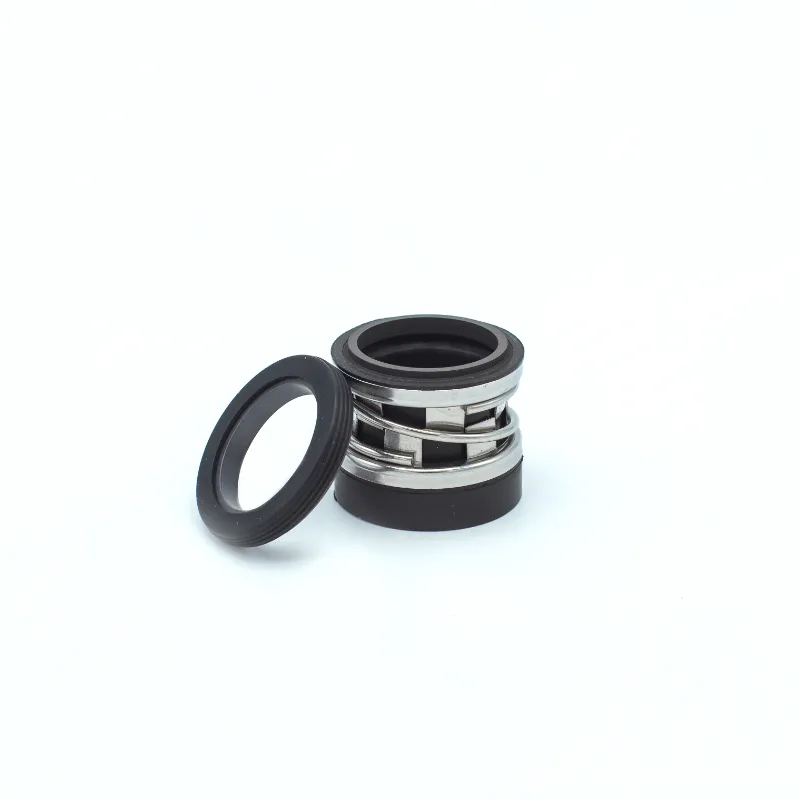
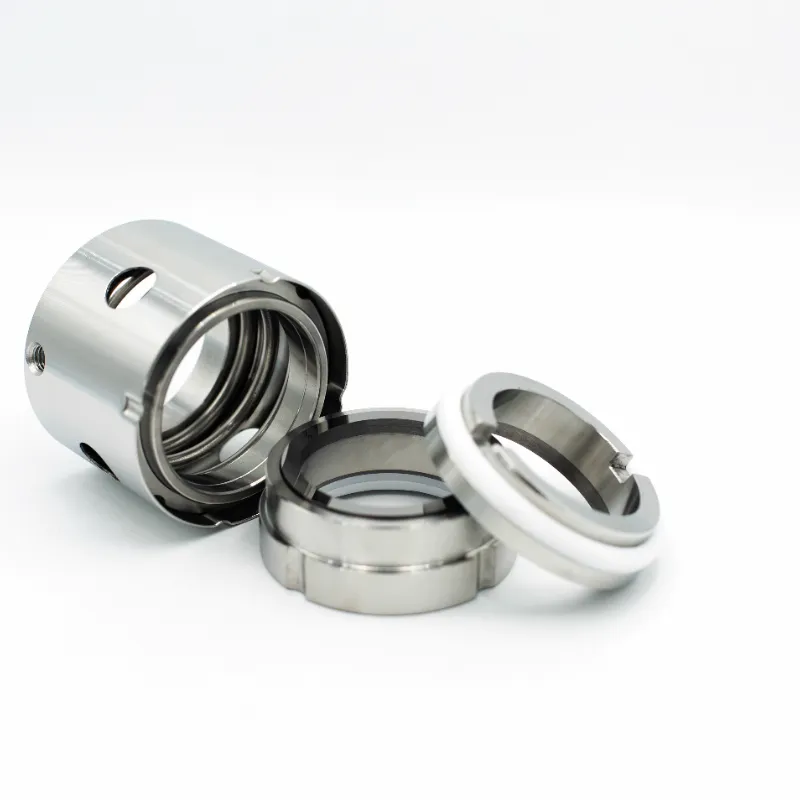
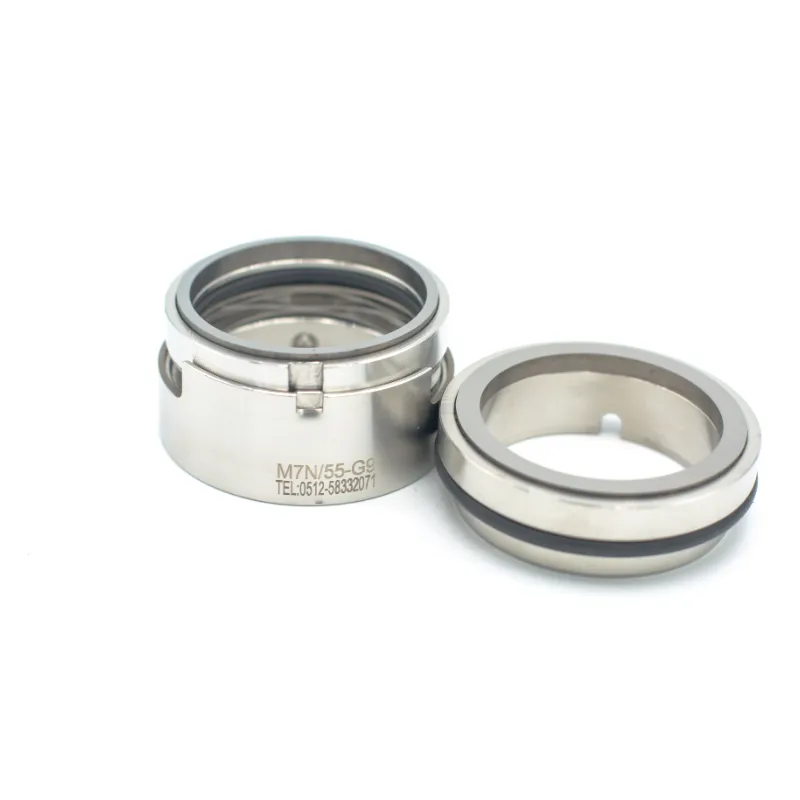
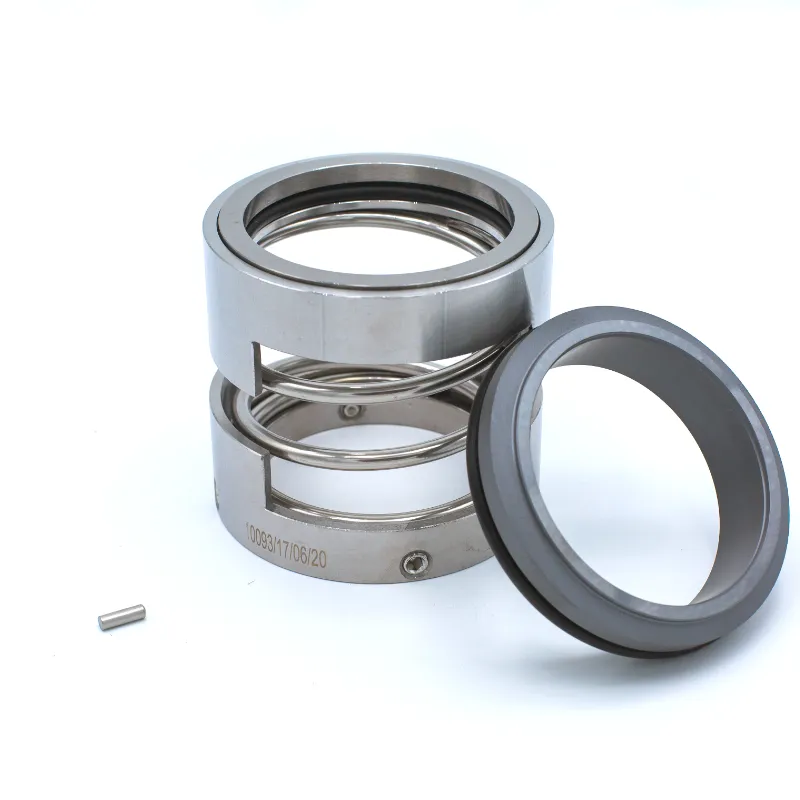
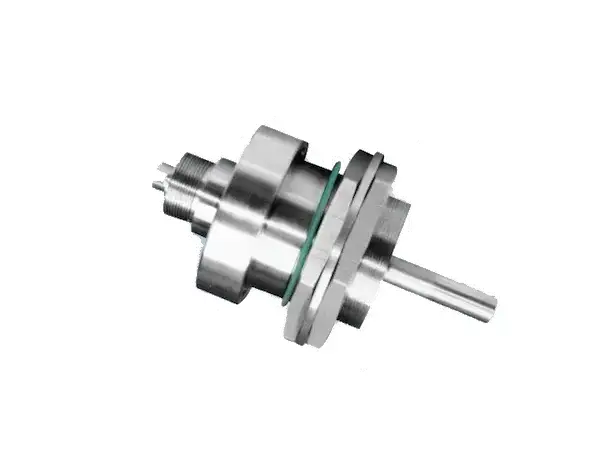
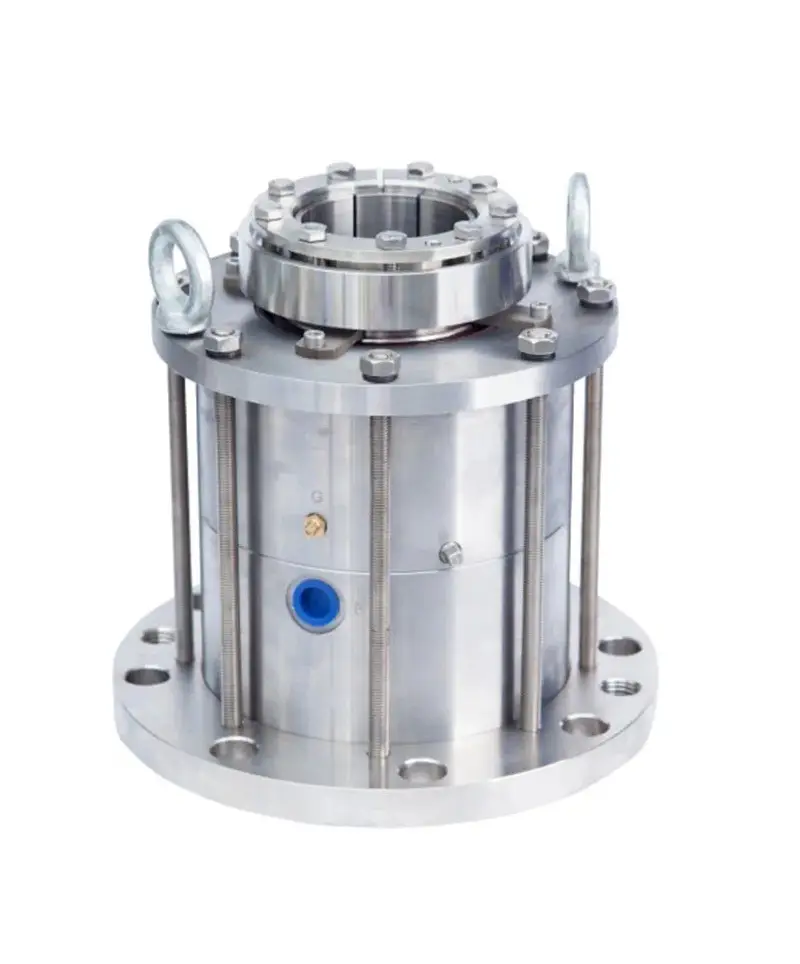
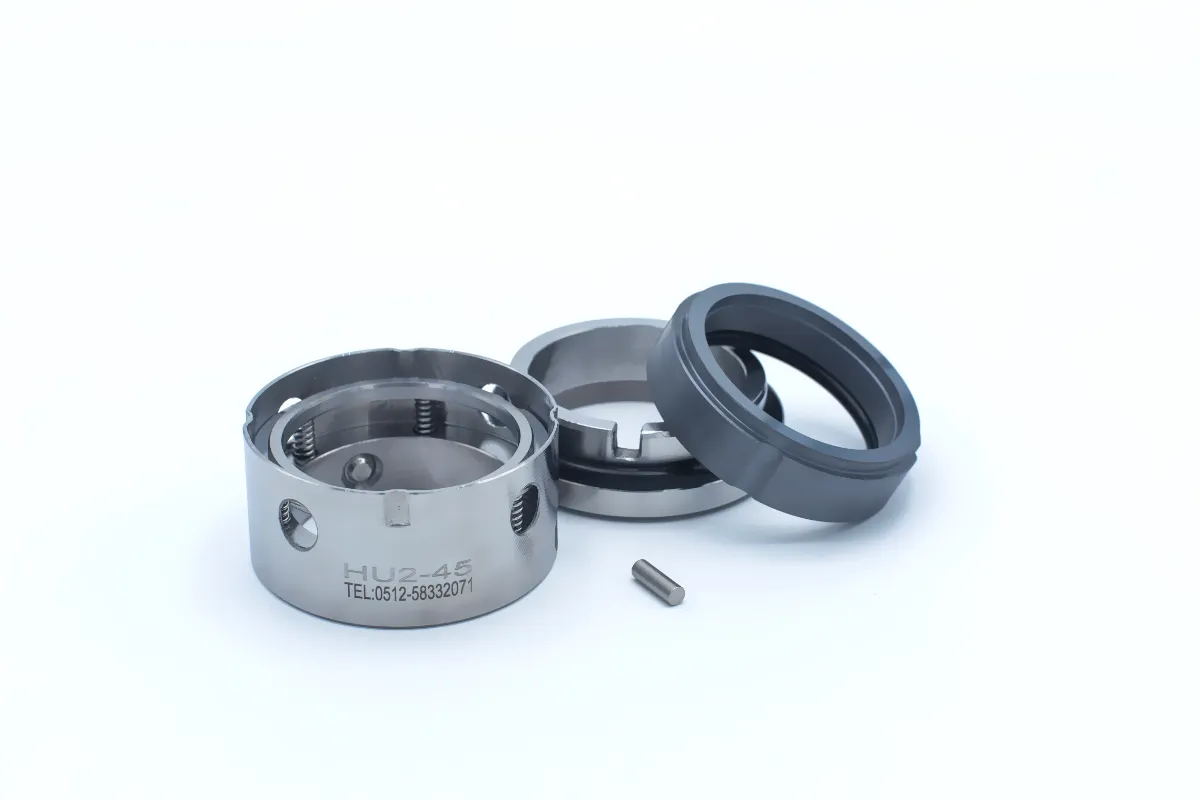
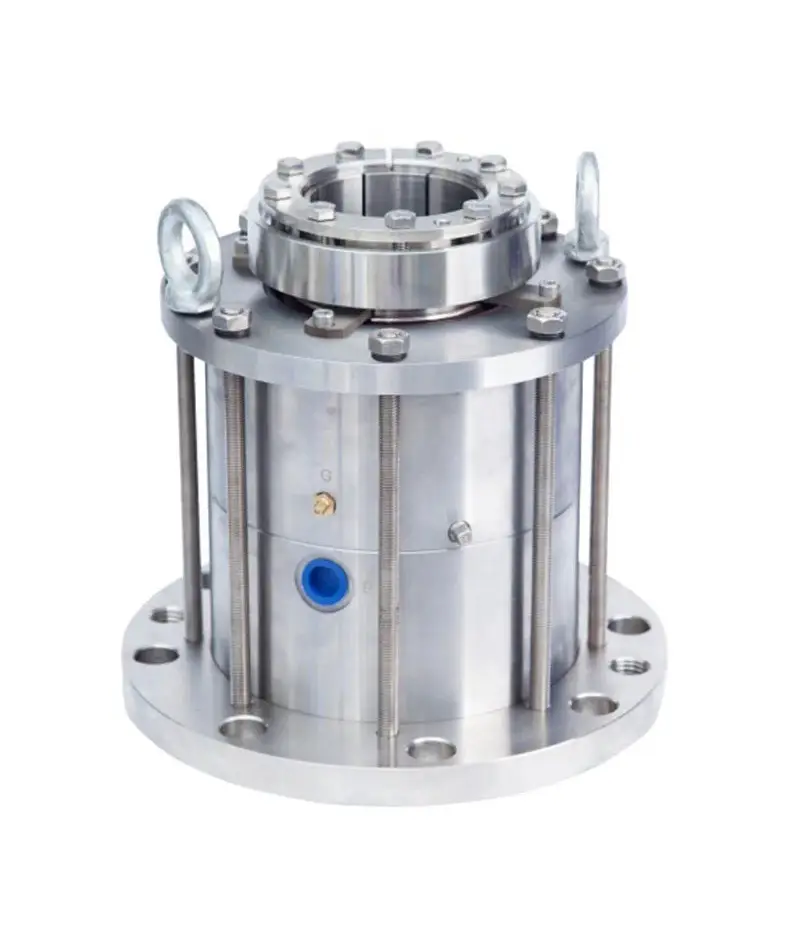
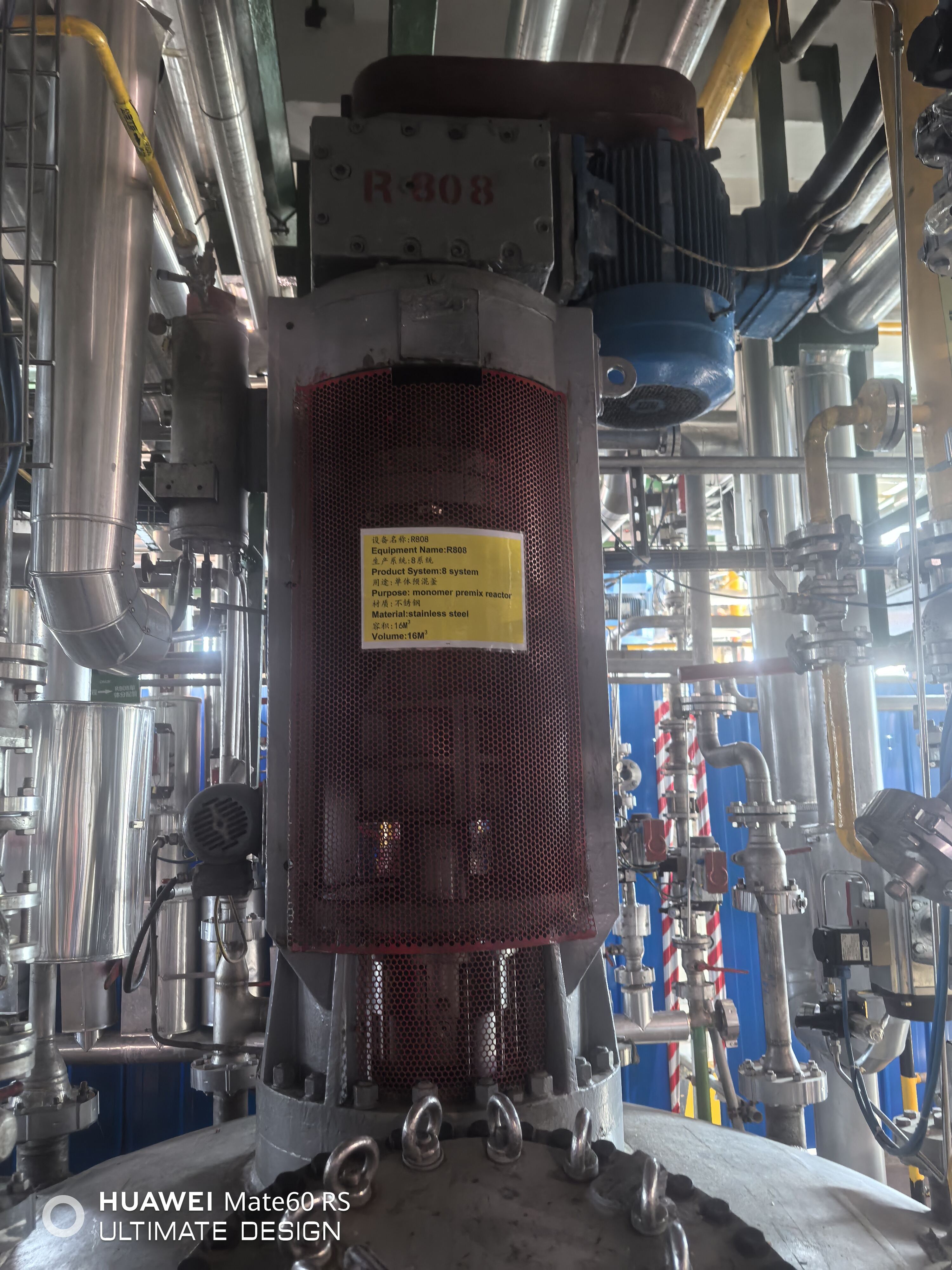
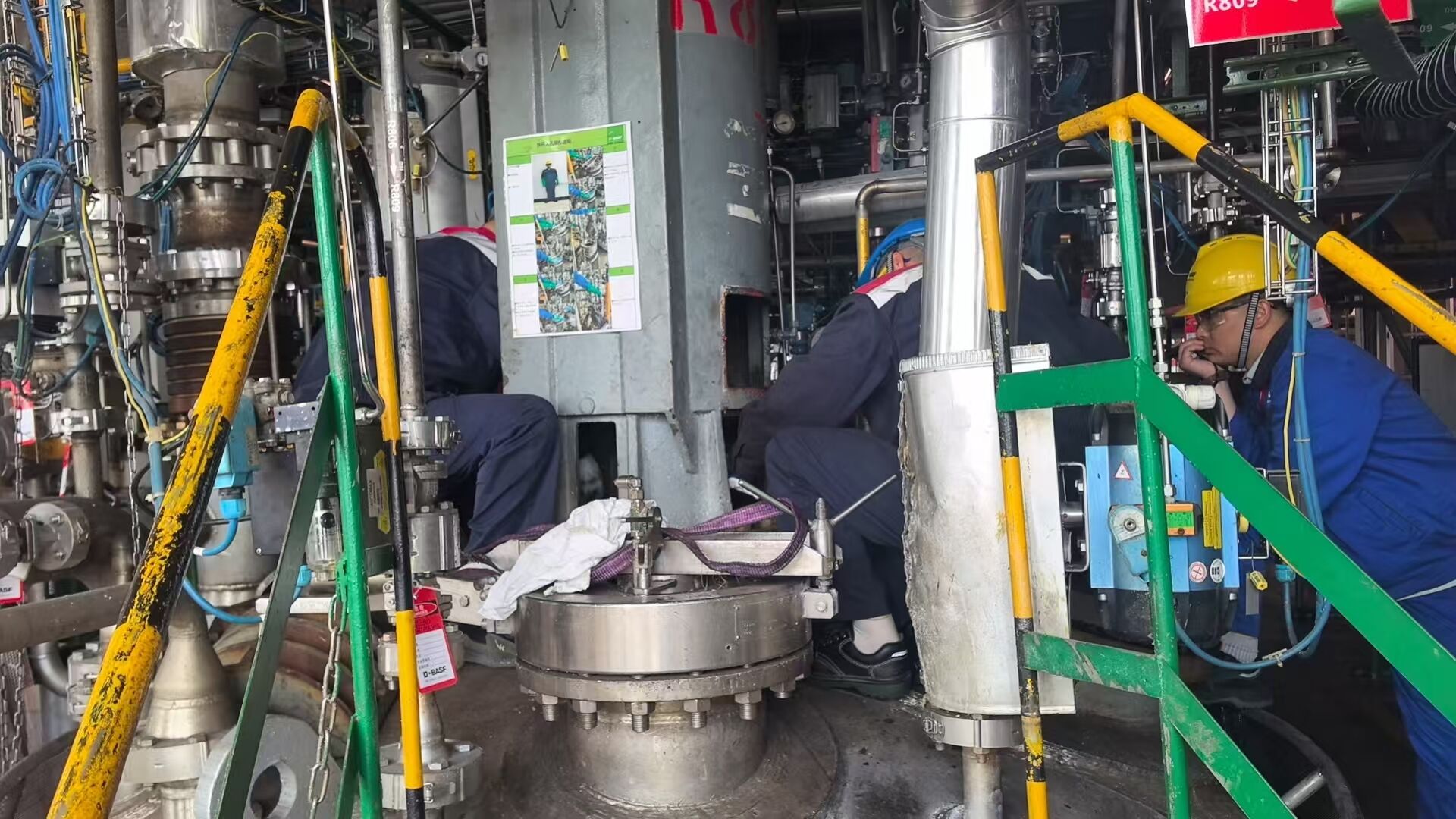
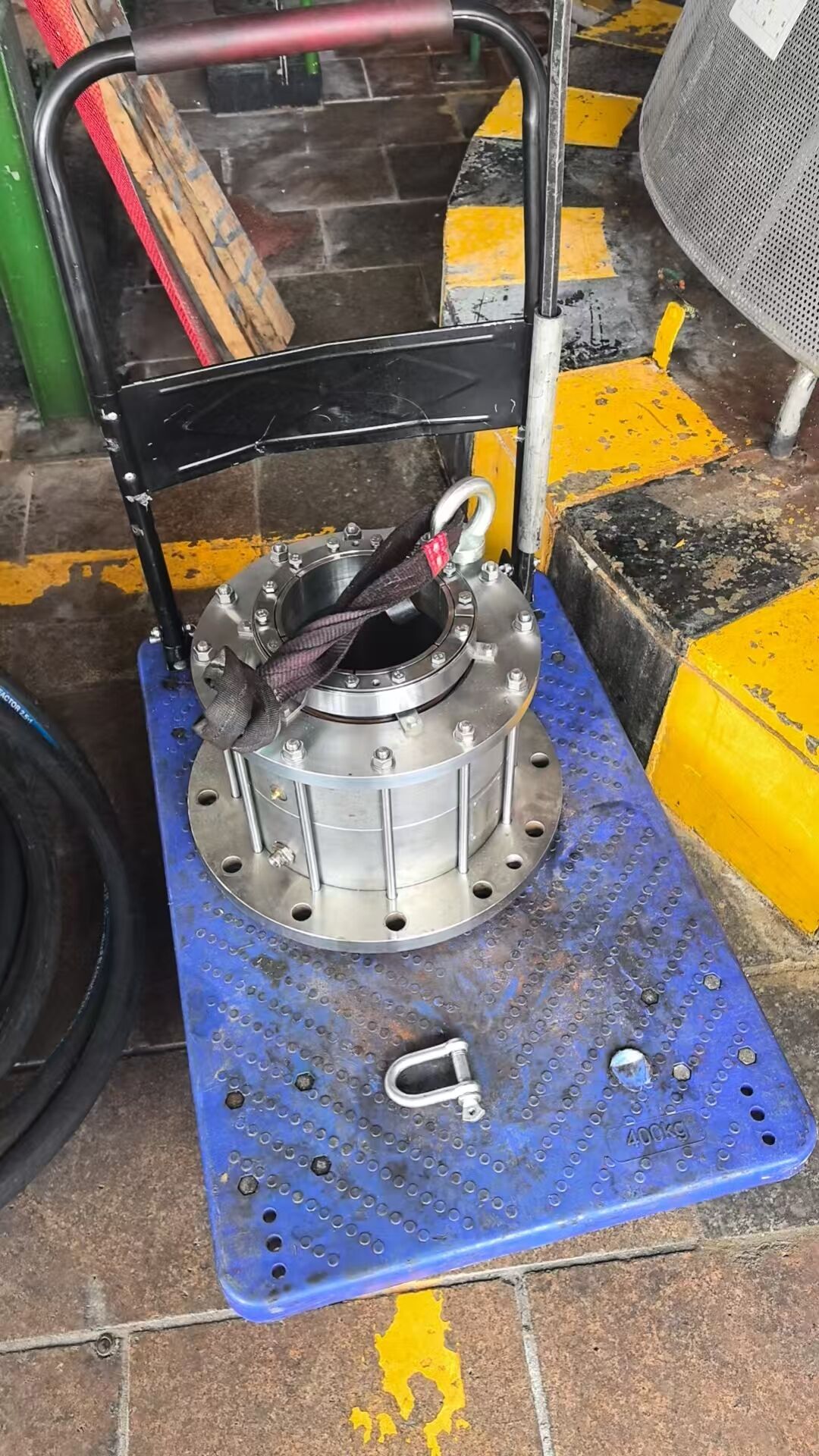
Agitator seal types represent critical components in industrial mixing equipment, designed to prevent fluid leakage where the rotating shaft enters the mixing vessel. These specialized sealing systems maintain process integrity by creating effective barriers between the external environment and the internal contents of reactors, tanks, and mixing vessels. Modern agitator seal types encompass various configurations including mechanical seals, packed gland seals, cartridge seals, and magnetic drive systems, each engineered to address specific operational requirements and chemical compatibility needs. The primary function of these sealing mechanisms involves containing process fluids while accommodating shaft rotation, thermal expansion, and pressure variations. Technological features of contemporary agitator seal types include advanced materials such as silicon carbide, tungsten carbide, and specialized elastomers that withstand aggressive chemicals, extreme temperatures, and high pressures. Many designs incorporate dual seal arrangements with barrier fluid systems for enhanced safety in hazardous applications. Temperature management systems, including cooling jackets and heat exchangers, ensure optimal operating conditions for sensitive seal faces. Precision-engineered spring mechanisms maintain consistent contact pressure between sealing surfaces throughout the operational cycle. Applications for agitator seal types span numerous industries including chemical processing, pharmaceuticals, food and beverage production, wastewater treatment, and petrochemicals. In pharmaceutical manufacturing, these seals ensure sterile conditions while preventing product contamination. Chemical processing facilities rely on corrosion-resistant seal materials to handle aggressive media safely. Food industry applications demand FDA-approved materials that maintain sanitary standards. The selection of appropriate agitator seal types depends on factors such as fluid characteristics, operating pressure and temperature, shaft speed, and maintenance accessibility. Proper installation and routine maintenance of these sealing systems significantly impact equipment reliability, operational efficiency, and environmental compliance across diverse industrial applications.

Popular Products

Agitator seal types deliver substantial operational benefits that directly impact production efficiency and cost management across industrial facilities. These sealing systems eliminate costly product loss by maintaining tight containment around rotating shafts, preventing valuable chemicals and materials from escaping into the environment. This containment capability translates into significant cost savings, particularly when processing expensive pharmaceutical compounds or specialty chemicals. Enhanced safety represents another major advantage, as agitator seal types prevent hazardous materials from leaking into work areas where they could endanger personnel or create environmental hazards. Modern seal designs reduce maintenance requirements compared to traditional packing systems, as they operate with minimal wear and require less frequent adjustment or replacement. This reduction in maintenance activities decreases downtime and labor costs while improving overall equipment availability. Improved process control becomes possible when agitator seal types maintain consistent internal conditions without external contamination or pressure loss. This stability allows operators to achieve more precise mixing results and better product quality consistency. Energy efficiency benefits emerge from reduced friction between sealing surfaces, lowering the power requirements for agitator motors and reducing operational costs. Advanced seal designs accommodate higher operating speeds, enabling faster mixing cycles and increased production throughput. Temperature resistance capabilities allow processes to operate at elevated temperatures without seal failure, expanding the range of possible applications and improving process flexibility. Corrosion resistance properties enable the handling of aggressive chemicals that would quickly damage standard sealing materials, extending equipment life and reducing replacement costs. Easy installation procedures minimize setup time and reduce the specialized labor required for seal replacement activities. Standardized mounting dimensions allow quick retrofitting of existing equipment without extensive modifications. Environmental compliance becomes more achievable as these sealing systems prevent fugitive emissions that could violate environmental regulations. Long-term reliability ensures consistent performance over extended periods, reducing unexpected failures and associated production disruptions. Cost-effectiveness emerges from the combination of reduced maintenance, improved efficiency, and extended service life that agitator seal types provide to industrial operations.

Practical Tips

Choosing the Right Agitator Seal for High-Viscosity Mixing

21

Jul

Choosing the Right Agitator Seal for High-Viscosity Mixing

Ensuring Performance in High-Viscosity Mixing Applications In industrial mixing processes involving high-viscosity fluids, reliable sealing is a fundamental requirement. The dynamic conditions in such systems—marked by increased torque, intense...
View More
Avoiding Downtime: Seal Solutions for Top-Entry Agitators

21

Jul

Avoiding Downtime: Seal Solutions for Top-Entry Agitators

Maximizing Equipment Availability in Industrial Mixing Systems Industrial processes rely heavily on consistent performance, particularly in sectors such as chemical manufacturing, food production, and pharmaceuticals. One of the most critical compone...
View More
Key Features of High-Performance Agitator Seal Pressure Systems

06

Aug

Key Features of High-Performance Agitator Seal Pressure Systems

Ensuring Long-Term Efficiency in Industrial Sealing In the world of industrial processing, maintaining system integrity under various operational stresses is a continuous challenge. One of the most vital components for achieving this reliability is t...
View More
Agitator Seal Solutions for Chemical, Pharma & Food Processing

22

Dec

Agitator Seal Solutions for Chemical, Pharma & Food Processing

Industrial mixing operations in chemical, pharmaceutical, and food processing facilities rely heavily on dependable sealing solutions to maintain process integrity and operational efficiency. Agitator seals serve as critical components that prevent f...
View More

Get a Free Quote

Our representative will contact you soon.
Email
Name
Company Name
Country/Region
Message
0/1000

agitator seal types

Advanced Material Technology for Superior Chemical Resistance

Advanced Material Technology for Superior Chemical Resistance

The material technology incorporated in modern agitator seal types represents a breakthrough in chemical processing equipment, utilizing cutting-edge compounds that withstand the most aggressive industrial environments. These advanced materials include silicon carbide, tungsten carbide, and specialized polymer compounds that maintain their integrity when exposed to concentrated acids, caustic solutions, and organic solvents that would quickly destroy conventional sealing materials. The development of these materials involves extensive research into molecular structures that resist chemical attack while maintaining mechanical properties essential for effective sealing. Silicon carbide faces provide exceptional hardness and thermal conductivity, allowing them to operate reliably in high-temperature applications while resisting wear from abrasive particles in the process fluid. Tungsten carbide options offer superior resistance to erosion and maintain dimensional stability under extreme pressure conditions. Specialized elastomer compounds used in secondary sealing elements resist swelling, cracking, and degradation when exposed to specific chemical families, ensuring long-term sealing effectiveness. The selection of appropriate material combinations considers factors such as chemical compatibility, temperature range, pressure requirements, and expected service life. These materials undergo rigorous testing including immersion studies, thermal cycling, and mechanical stress evaluations to verify their performance characteristics. The result is sealing systems that operate reliably for extended periods without degradation, reducing maintenance costs and preventing unexpected failures. Industries processing corrosive chemicals benefit significantly from these material advances, as they can operate equipment at design conditions without concern for premature seal failure. The investment in advanced material technology pays dividends through reduced downtime, lower maintenance costs, and improved process reliability, making these agitator seal types essential for demanding chemical processing applications where standard materials would fail rapidly.
Dual Seal Configuration with Barrier Fluid Systems

Dual Seal Configuration with Barrier Fluid Systems

Dual seal configurations represent the pinnacle of safety and reliability in agitator seal types, incorporating sophisticated barrier fluid systems that provide multiple layers of protection against process fluid leakage. This advanced design features two independent sealing interfaces arranged in tandem, with a controlled barrier fluid circulated between them to prevent process contamination and enhance safety margins. The primary seal operates in contact with the process fluid, while the secondary seal provides backup protection and prevents barrier fluid from escaping to the atmosphere. This configuration offers exceptional reliability because even if the primary seal experiences wear or damage, the secondary seal continues to prevent process fluid leakage. The barrier fluid system maintains controlled pressure and circulation between the seals, often using clean water, compatible oils, or specialized fluids depending on the application requirements. Temperature control systems integrated into the barrier fluid circuit remove heat generated by seal face friction, maintaining optimal operating temperatures and extending seal life. Monitoring systems track barrier fluid pressure, temperature, and flow rate, providing early warning of potential seal issues before they result in process fluid leakage. This predictive capability allows maintenance teams to schedule seal replacement during planned downtime rather than responding to emergency failures. Industries handling toxic, flammable, or environmentally sensitive materials particularly benefit from dual seal configurations, as they provide additional safety margins that prevent exposure incidents. Pharmaceutical applications utilize these systems to maintain sterile barriers and prevent product contamination. Chemical processing facilities rely on dual seals when handling materials that could create safety hazards if released. The barrier fluid can be selected to neutralize or dilute process fluids in the event of primary seal failure, adding another layer of protection. Installation and maintenance procedures for dual seal systems require specialized knowledge, but the enhanced safety and reliability justify the additional complexity and cost in critical applications.
Precision Engineering for Extended Service Life and Reliability

Precision Engineering for Extended Service Life and Reliability

The precision engineering incorporated into modern agitator seal types delivers exceptional service life and operational reliability through meticulous attention to design details, manufacturing tolerances, and performance optimization. Advanced computer-aided design tools enable engineers to optimize seal geometry for specific applications, considering factors such as pressure distribution, thermal effects, and dynamic loading conditions. Finite element analysis ensures that stress concentrations are minimized and that all components operate within their design limits throughout the expected service life. Manufacturing processes utilize state-of-the-art machining centers and quality control systems that maintain extremely tight tolerances on critical dimensions, ensuring proper fit and function of all sealing components. Surface finishing techniques create optimal conditions for seal face contact, with controlled roughness patterns that promote effective lubrication while maintaining sealing capability. Dynamic balancing procedures ensure that rotating components operate smoothly without vibration that could cause premature wear or seal face damage. Spring systems are precisely calibrated to provide consistent closing force throughout the seal's operating range, compensating for wear and thermal expansion effects. Assembly procedures follow strict protocols to ensure proper alignment and installation, preventing issues that could compromise seal performance. Quality assurance testing verifies performance characteristics under simulated operating conditions, including pressure cycling, temperature variations, and extended run testing. These precision engineering practices result in agitator seal types that consistently deliver service lives measured in years rather than months, reducing maintenance costs and improving equipment availability. Predictable performance characteristics allow maintenance teams to plan replacement activities based on actual operating hours and conditions rather than responding to unexpected failures. The reliability achieved through precision engineering translates directly into cost savings through reduced maintenance labor, eliminated emergency repairs, and consistent production schedules. Users benefit from the confidence that comes with knowing their sealing systems will perform reliably under demanding conditions, allowing them to focus on optimizing their processes rather than managing equipment failures.

Get a Free Quote

Our representative will contact you soon.
Email
Name
Company Name
Country/Region
Message
0/1000