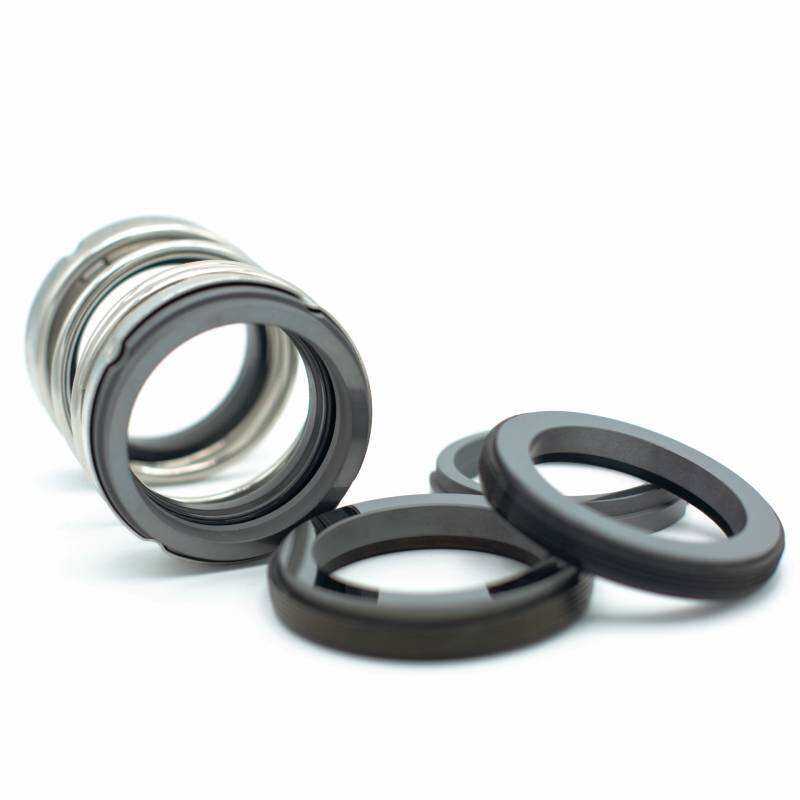
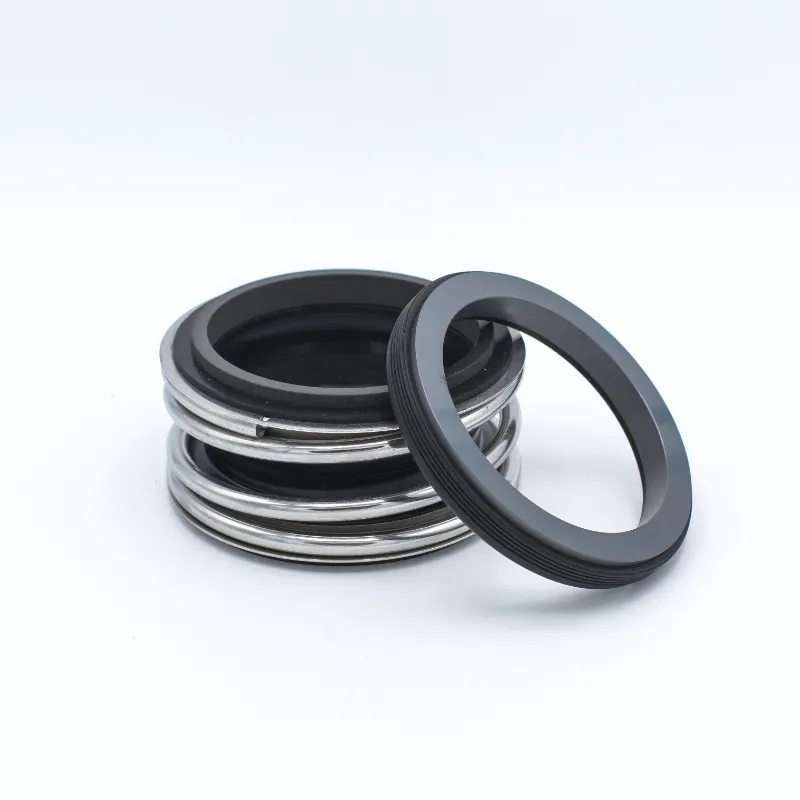
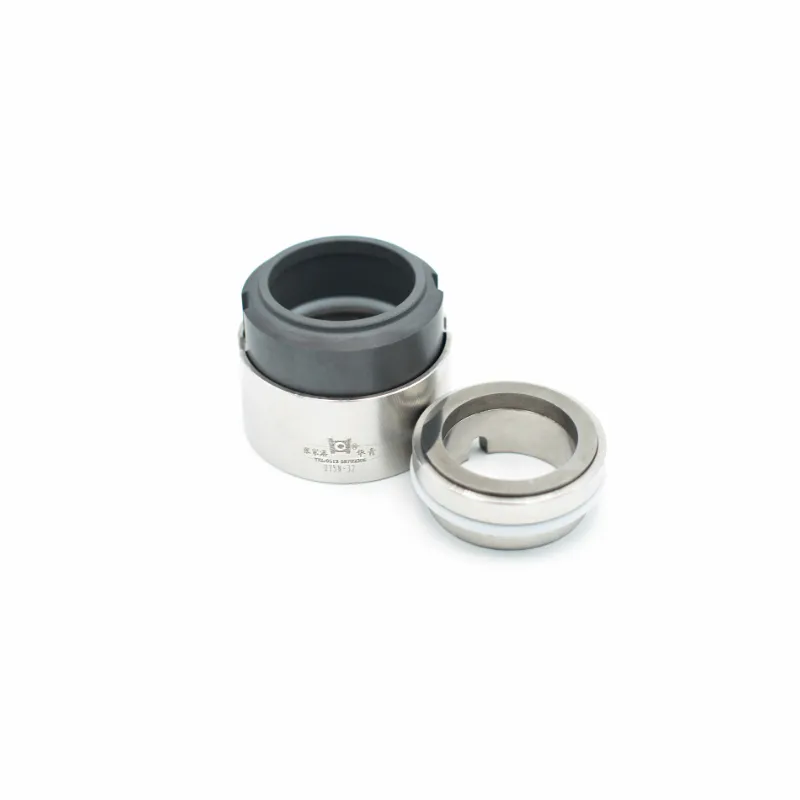
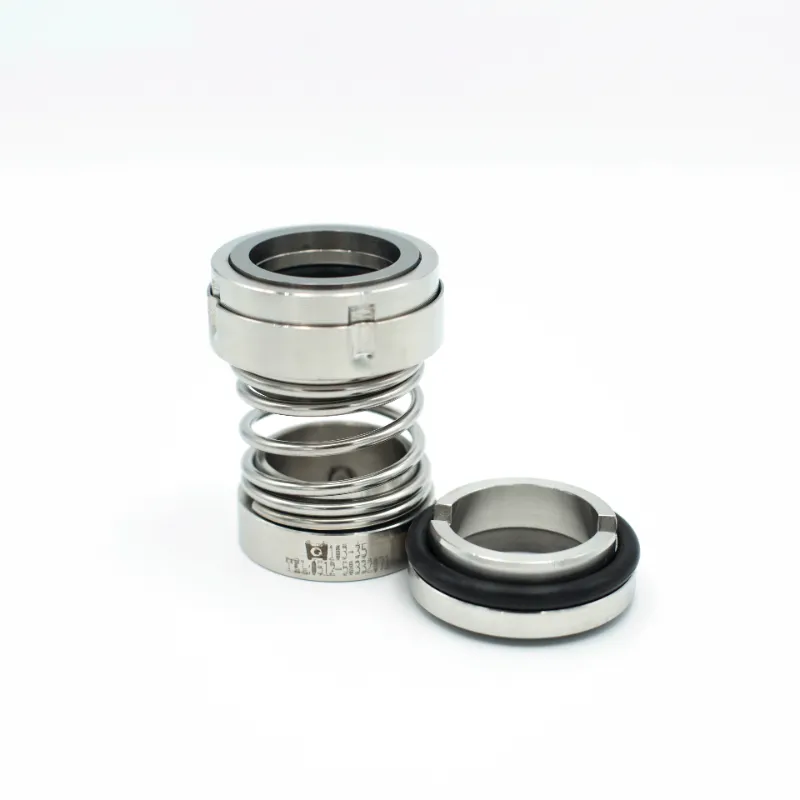
agitator seals brands
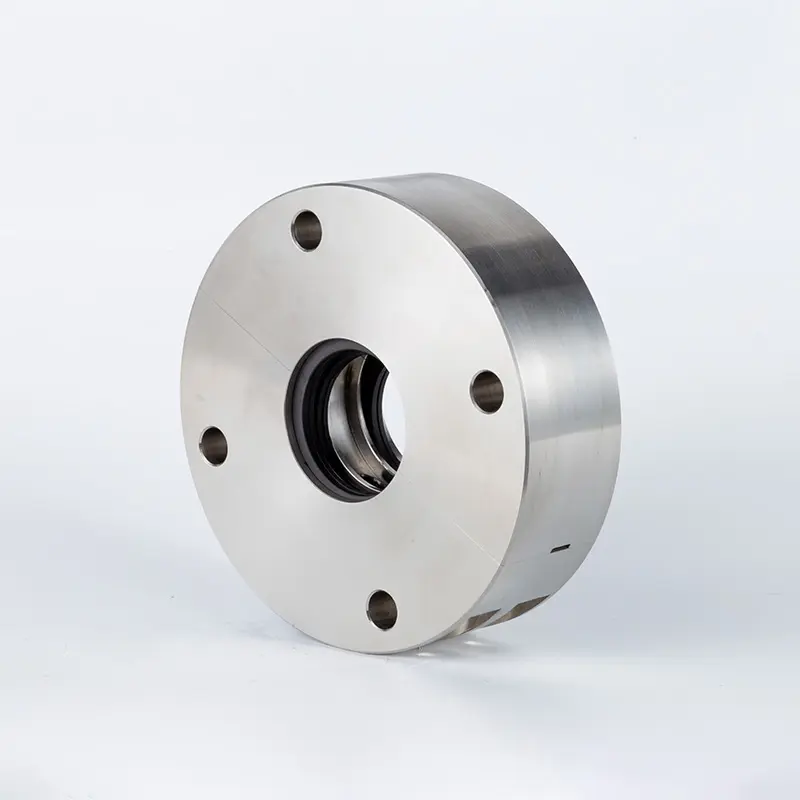
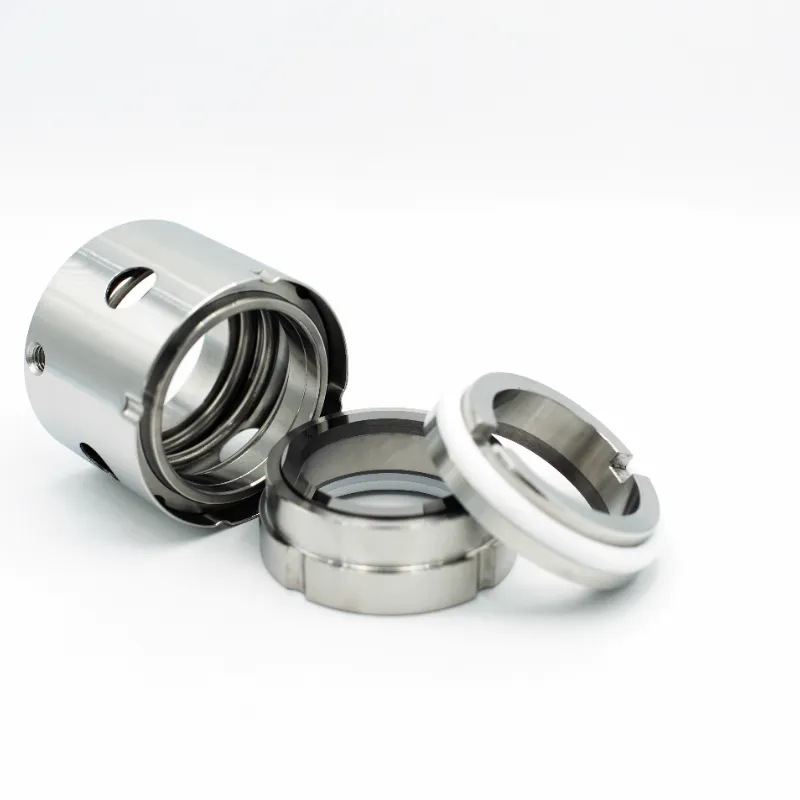
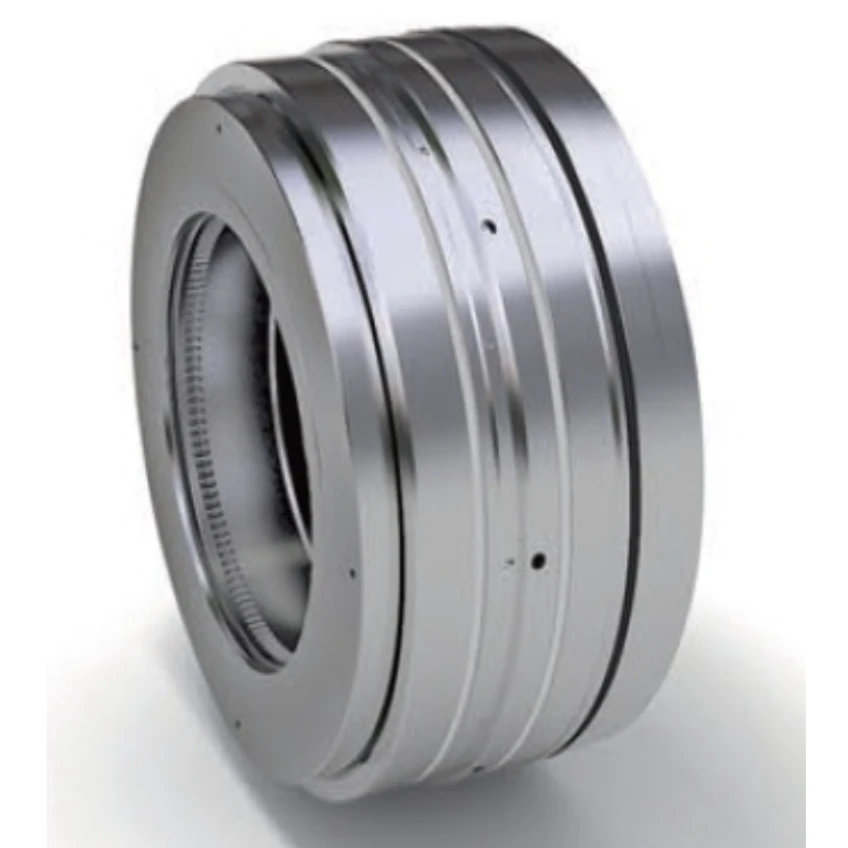
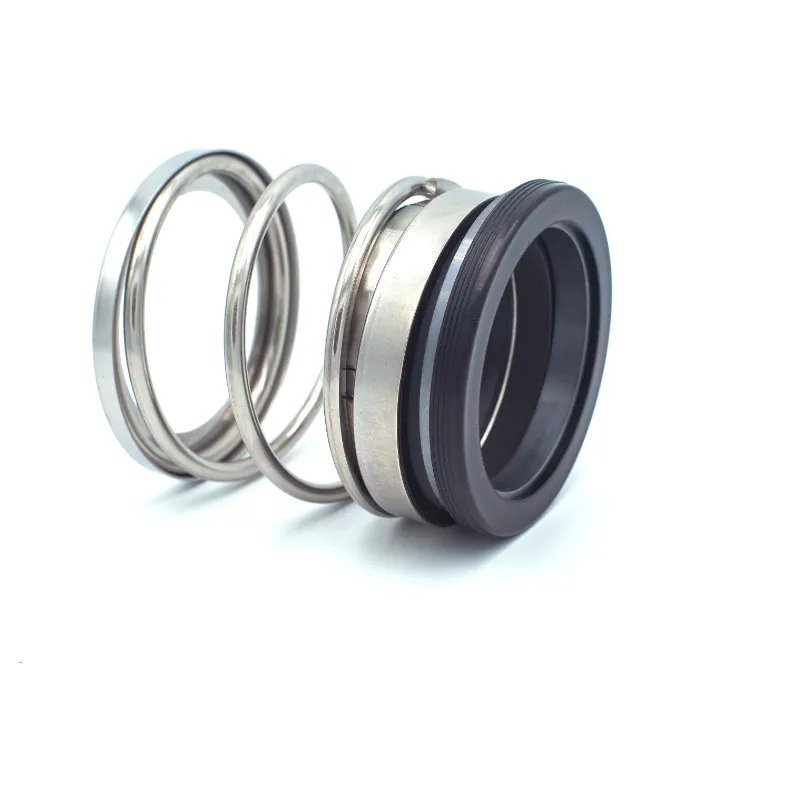
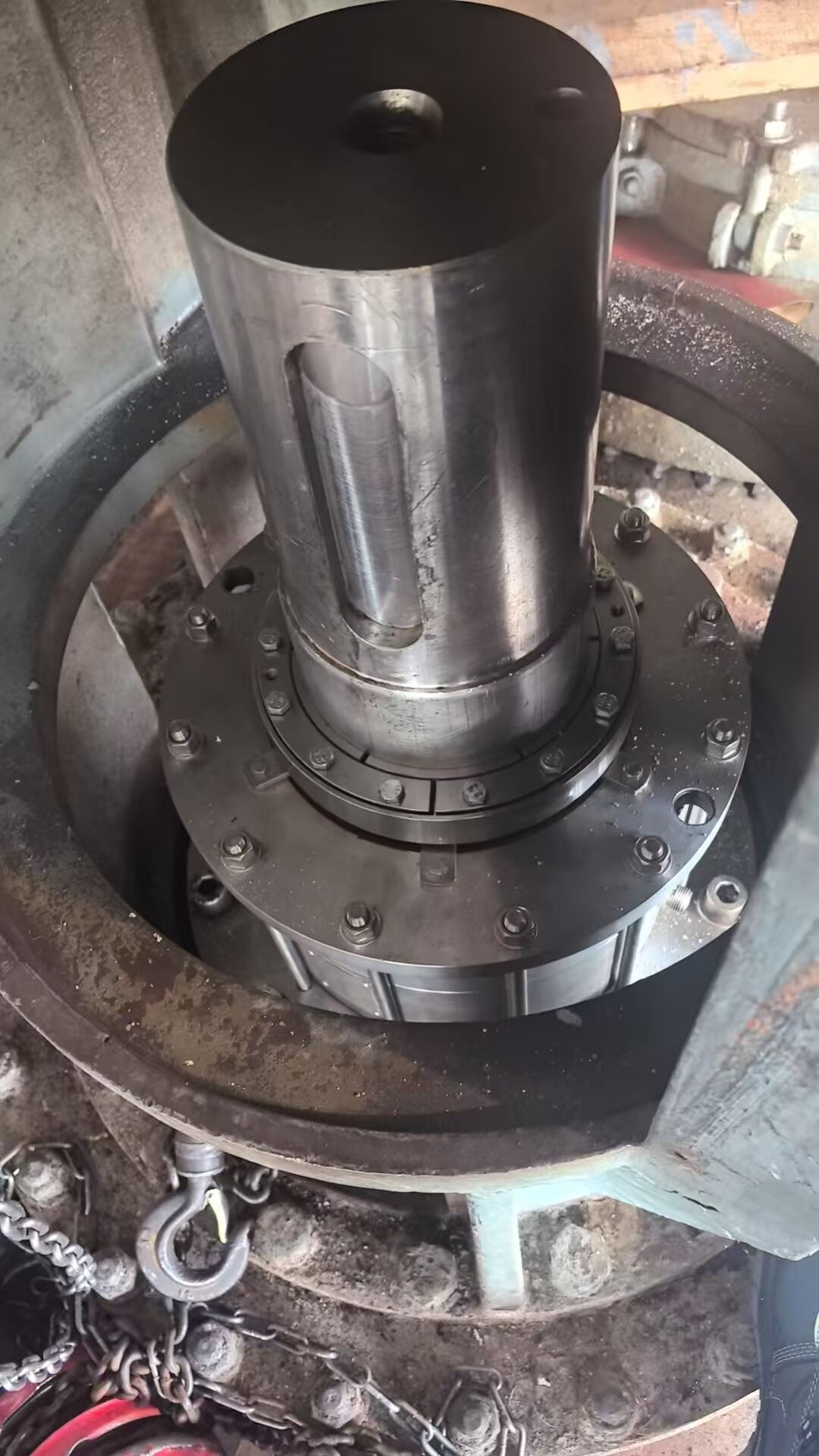
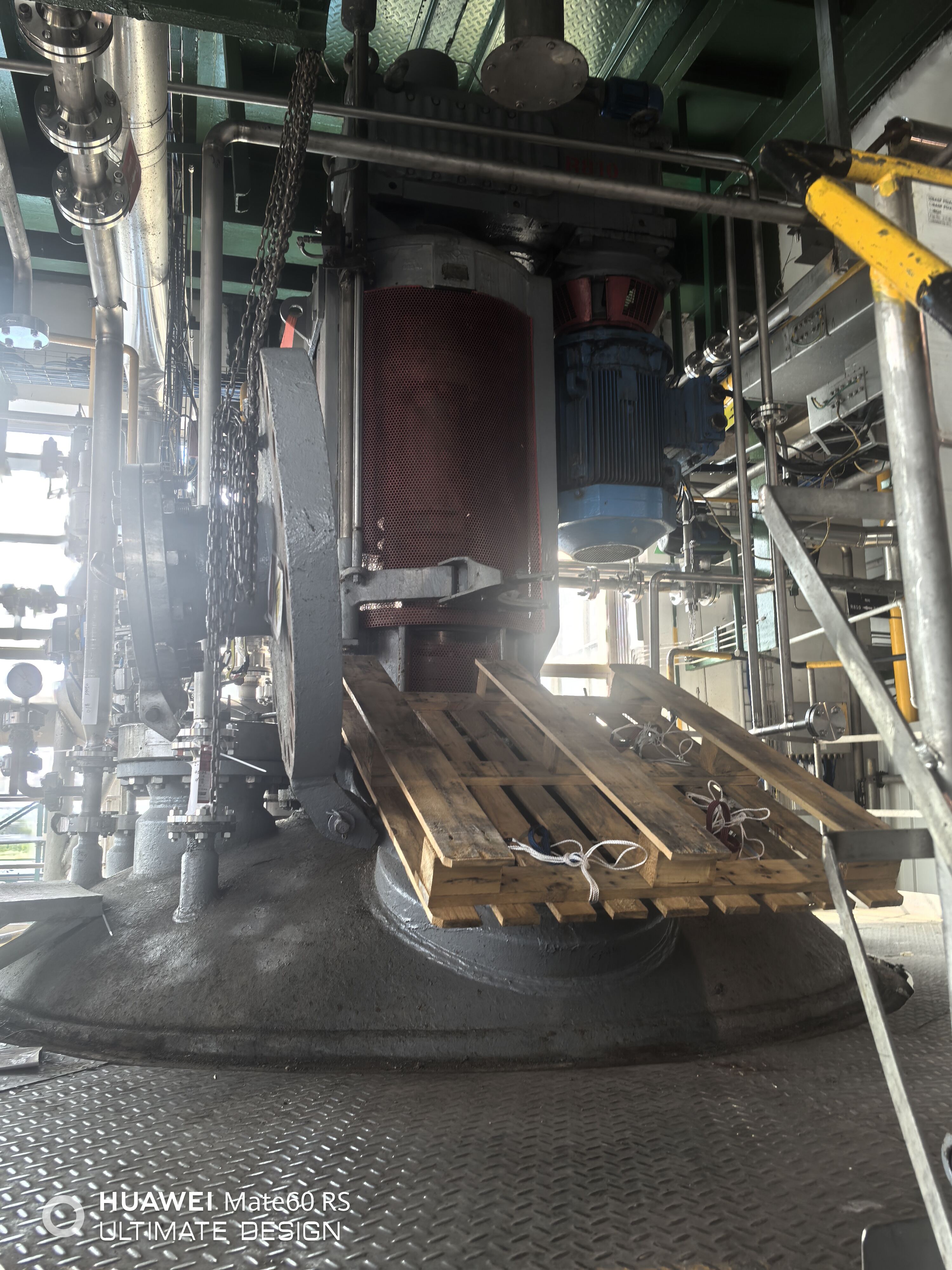
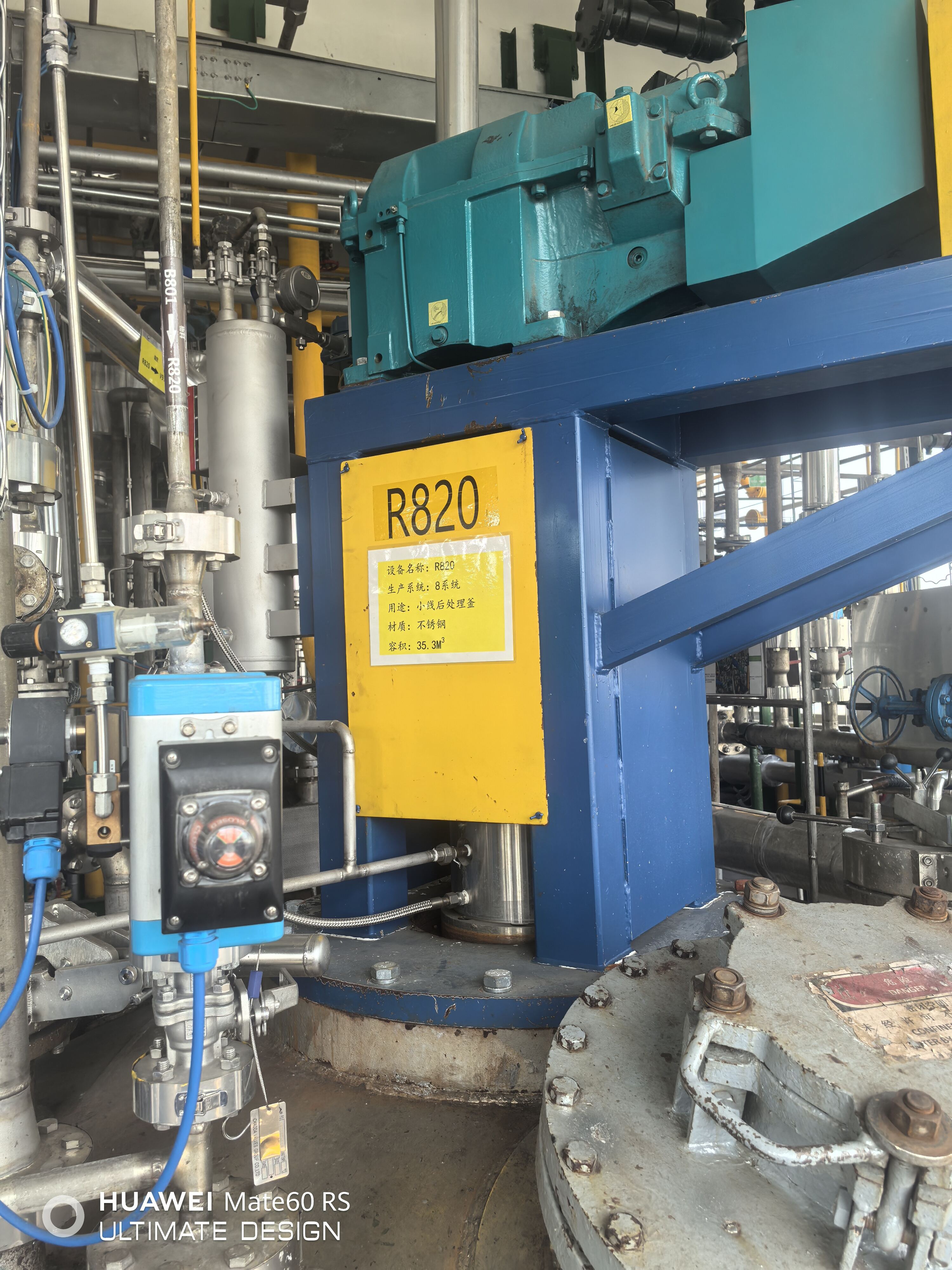
Agitator seals brands represent a critical component in industrial mixing equipment, serving as the primary barrier between rotating shafts and stationary housings in various mixing applications. These specialized sealing solutions prevent contamination, maintain product purity, and ensure operational efficiency across diverse industries including chemical processing, pharmaceuticals, food production, and wastewater treatment. Leading agitator seals brands have developed sophisticated engineering solutions that address the unique challenges of dynamic sealing in aggressive environments. The main function of these sealing systems centers on preventing leakage of process fluids while accommodating shaft movement, thermal expansion, and pressure variations. Advanced agitator seals brands incorporate multiple sealing mechanisms including mechanical face seals, lip seals, and cartridge assemblies that provide reliable performance under demanding conditions. Technological features vary significantly among agitator seals brands, with premium manufacturers offering ceramic and silicon carbide faces, specialized elastomer compounds, and proprietary spring systems that maintain optimal contact pressure. Modern designs integrate temperature monitoring capabilities, flush systems for cooling and lubrication, and modular construction for simplified maintenance procedures. Applications for these sealing solutions span numerous sectors where contamination control proves essential. Chemical processing facilities rely on agitator seals brands to handle corrosive media while maintaining environmental compliance. Pharmaceutical manufacturers require sterile sealing performance that meets stringent regulatory standards. Food processing operations depend on sanitary designs that prevent bacterial contamination and facilitate thorough cleaning protocols. Water treatment plants utilize these seals to manage abrasive slurries and varying pH conditions effectively. The selection of appropriate agitator seals brands depends on factors including operating temperature ranges, pressure requirements, chemical compatibility, shaft speeds, and maintenance accessibility, making proper specification crucial for optimal performance.
 EN
EN