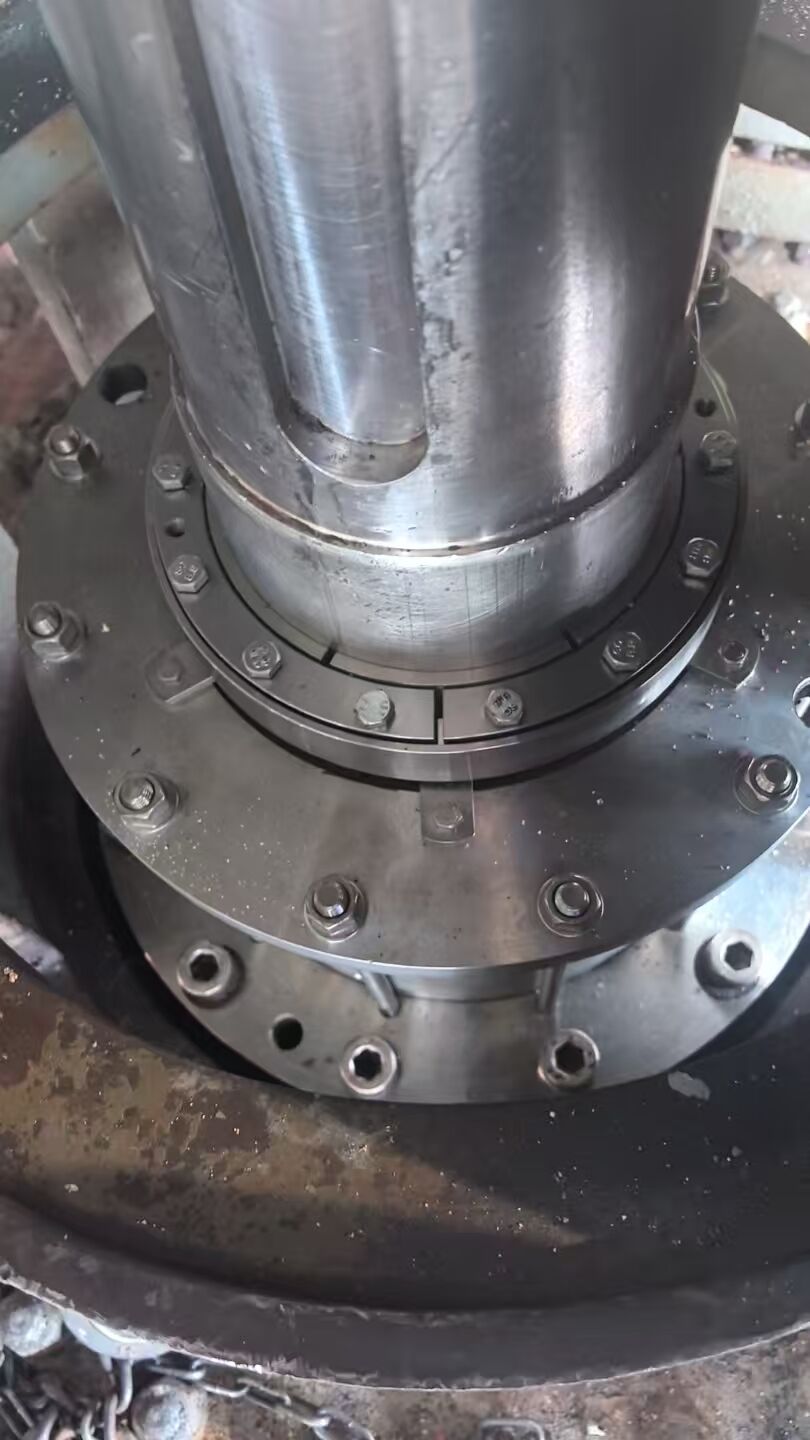
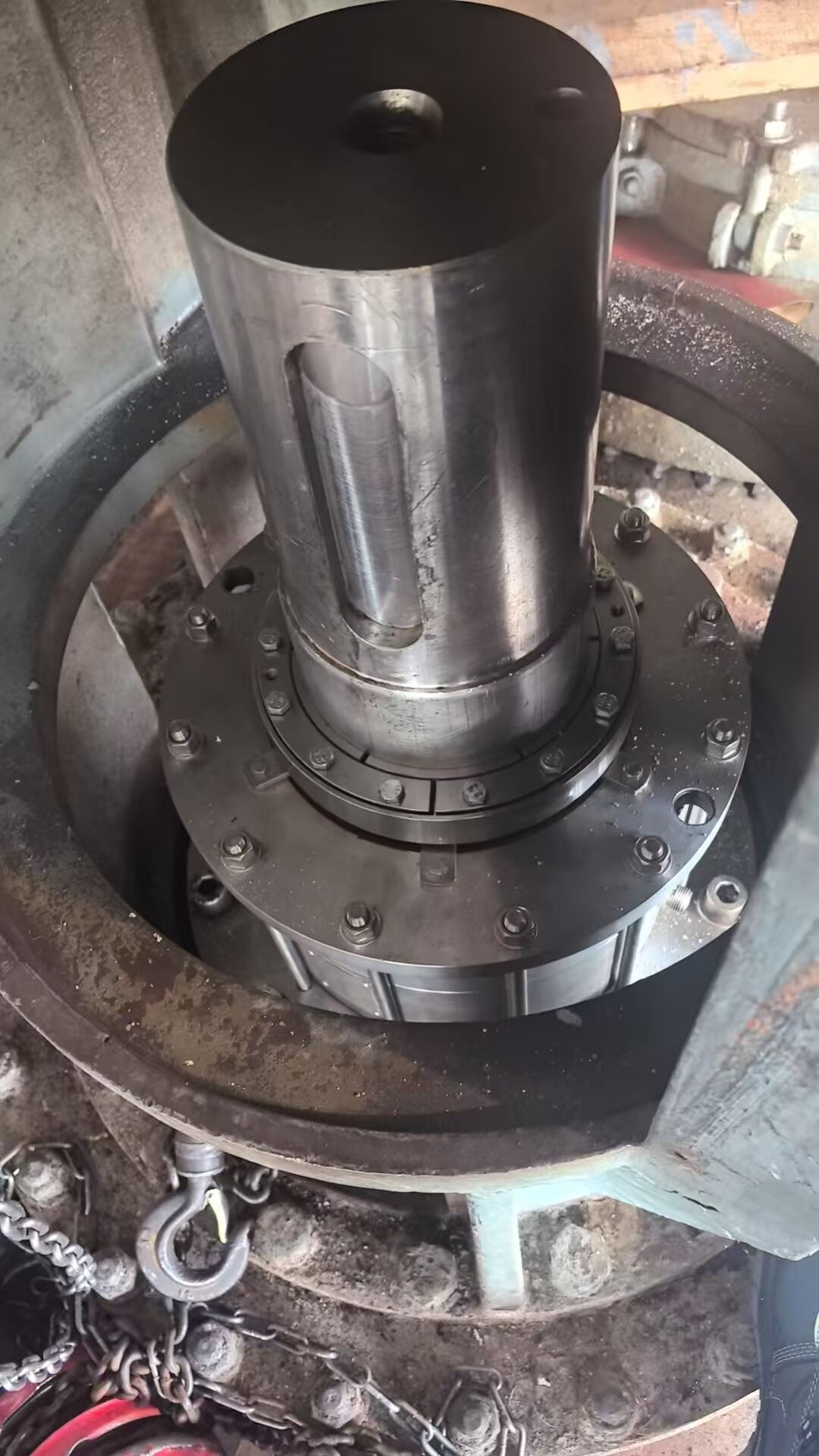
agitator seals
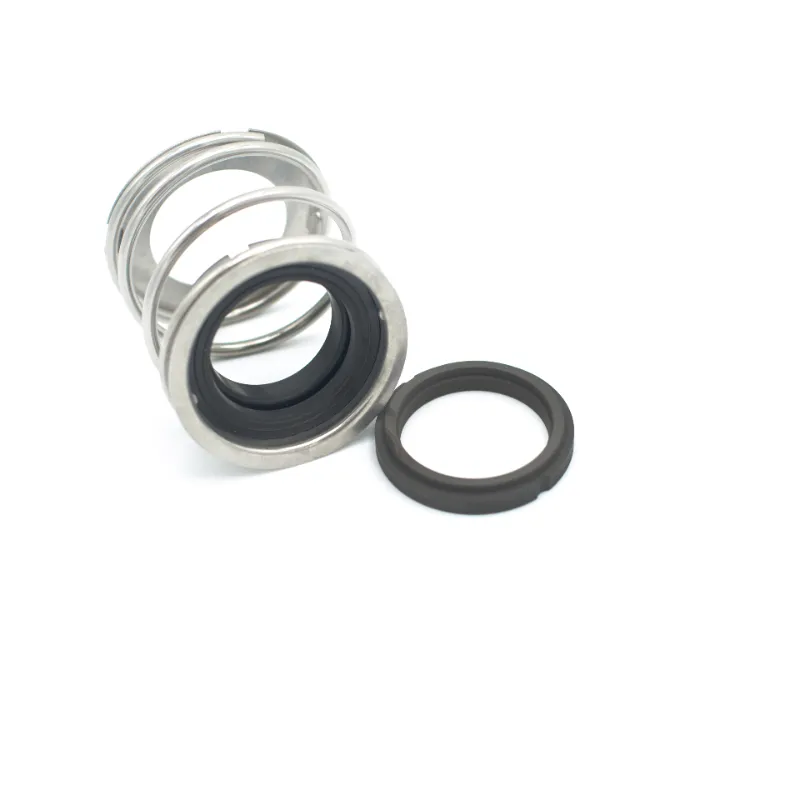
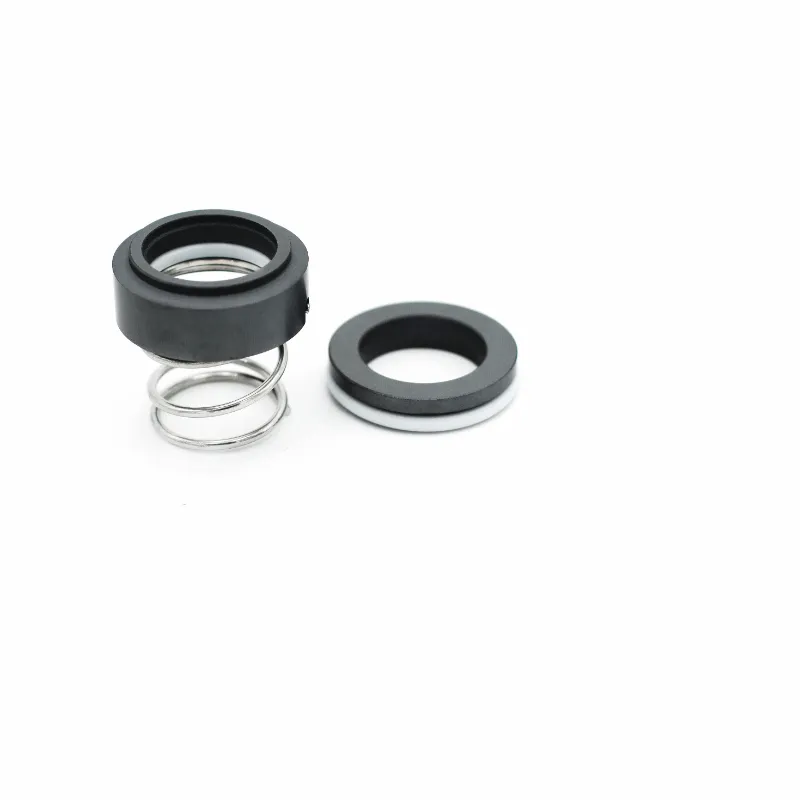
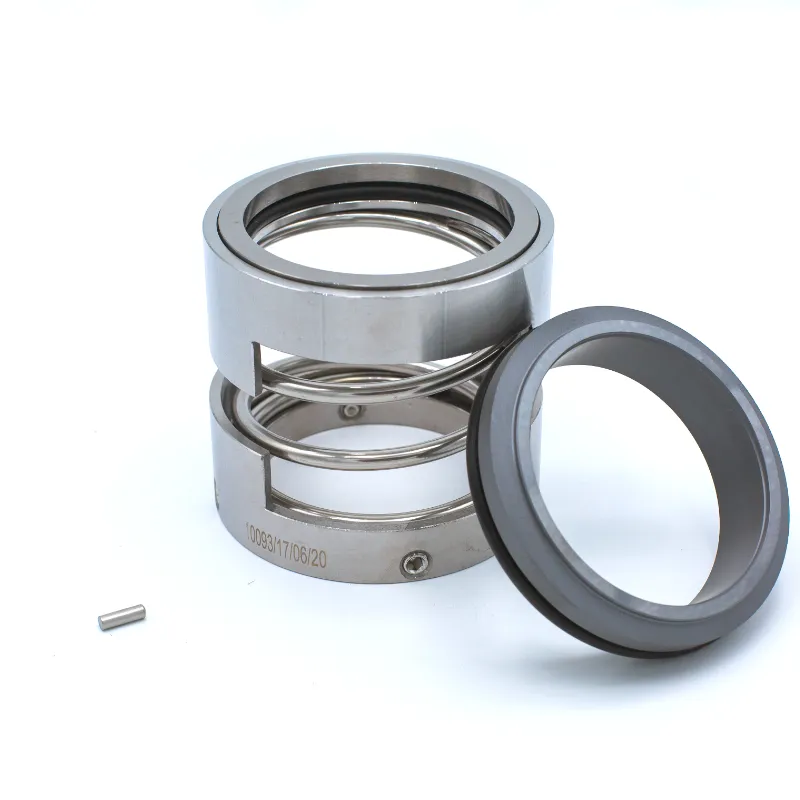
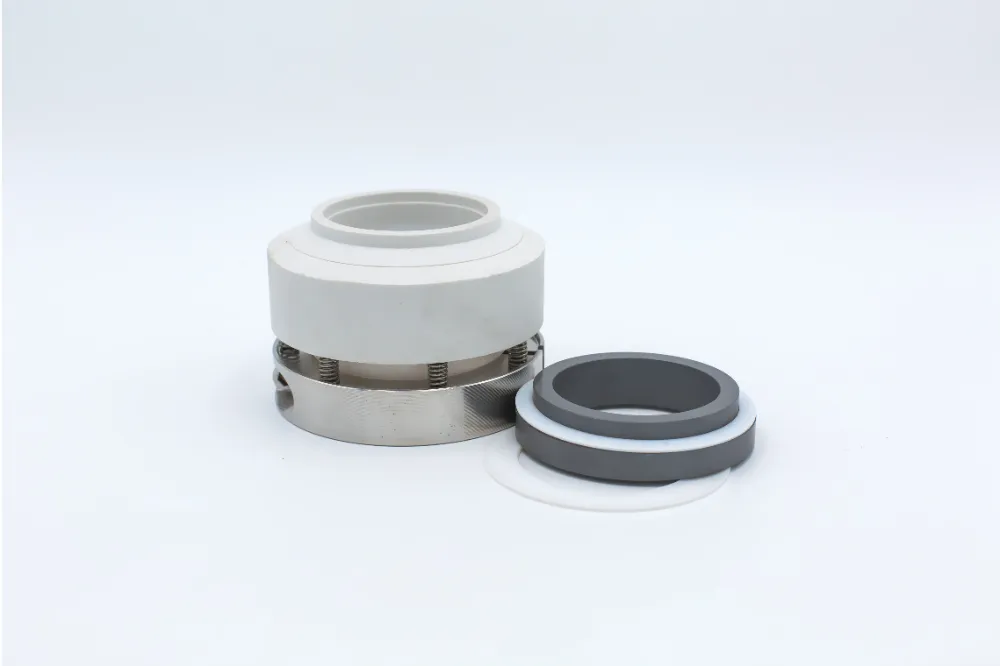
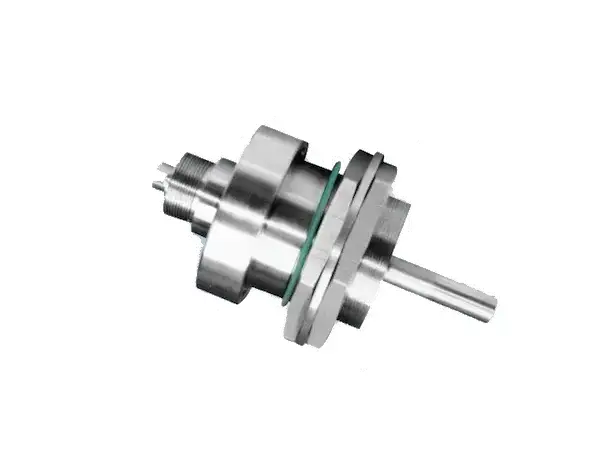
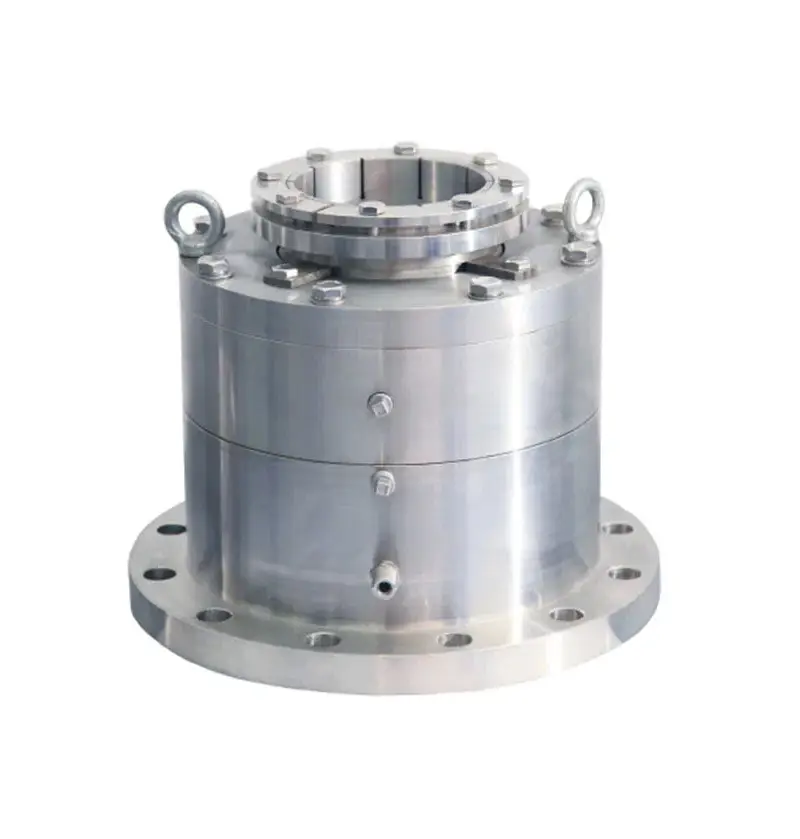
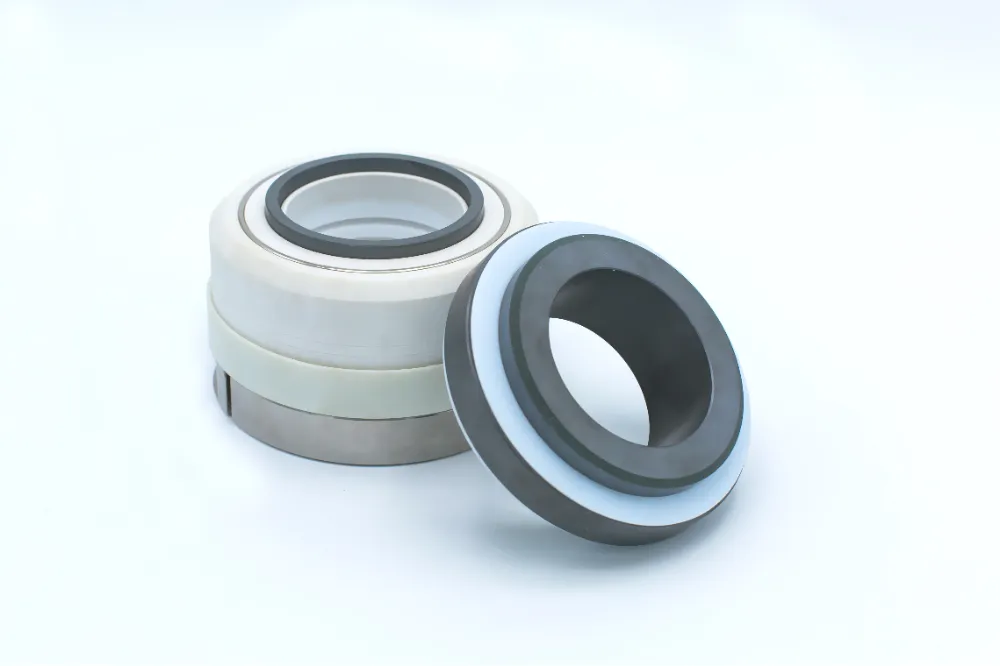
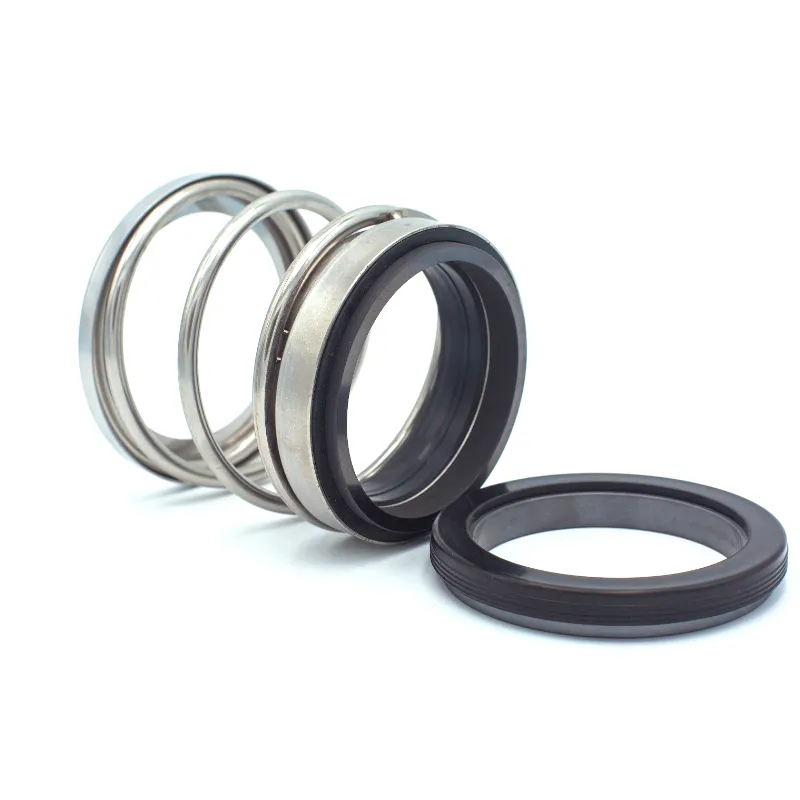
Agitator seals represent a critical component in industrial mixing equipment, serving as the primary barrier between rotating shafts and stationary housings in agitation systems. These specialized seals are engineered to withstand the unique challenges posed by rotating agitator shafts while maintaining fluid containment and preventing contamination. The fundamental purpose of agitator seals extends beyond simple leak prevention, encompassing protection against product loss, environmental safety, and operational efficiency. Modern agitator seals incorporate advanced materials and design principles that enable them to handle demanding applications across pharmaceutical, chemical, food processing, and manufacturing industries. The technological foundation of these seals relies on precision engineering that accommodates shaft movement, vibration, and thermal expansion while maintaining consistent sealing performance. Key technological features include specialized face materials that resist wear and chemical attack, spring-loaded mechanisms that maintain optimal contact pressure, and secondary sealing elements that provide backup protection. The construction typically involves primary sealing faces made from materials such as silicon carbide, tungsten carbide, or specialized ceramics that offer superior durability and chemical resistance. These materials are carefully selected based on the specific application requirements, including fluid compatibility, temperature ranges, and pressure conditions. Applications for agitator seals span numerous industries where mixing operations are essential. In pharmaceutical manufacturing, these seals ensure sterile conditions while processing active ingredients. Chemical processing facilities rely on agitator seals to contain hazardous materials and prevent cross-contamination between different product batches. Food and beverage industries utilize these seals to maintain hygienic conditions and comply with strict safety regulations. The versatility of agitator seals makes them suitable for handling various fluid types, from low-viscosity solvents to highly viscous pastes and slurries. Their robust design enables operation under challenging conditions, including high temperatures, corrosive environments, and varying pressure differentials.
 EN
EN