High Temperature & High Pressure Mechanical Seal
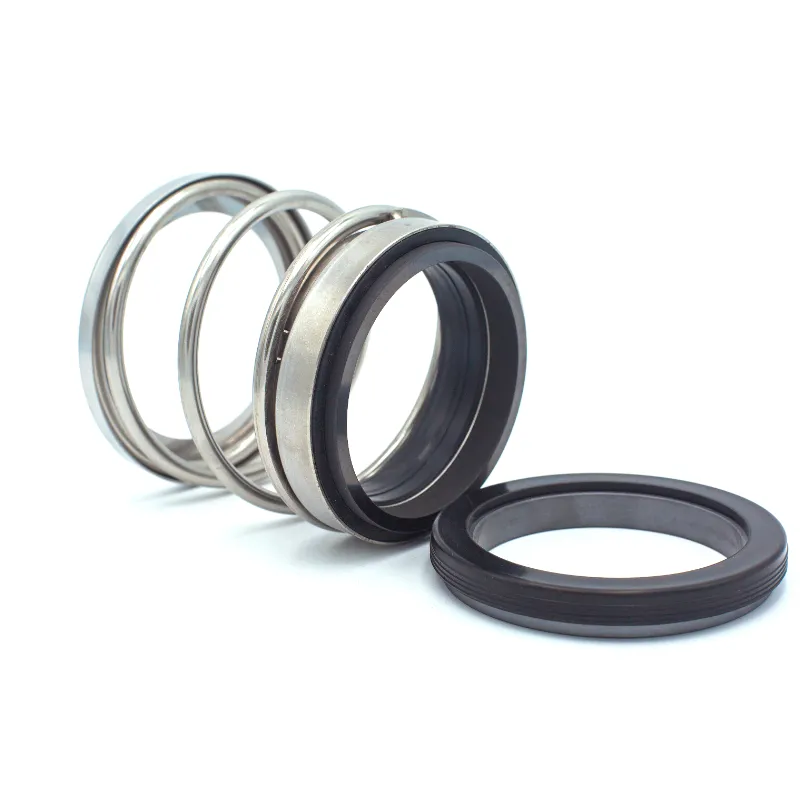
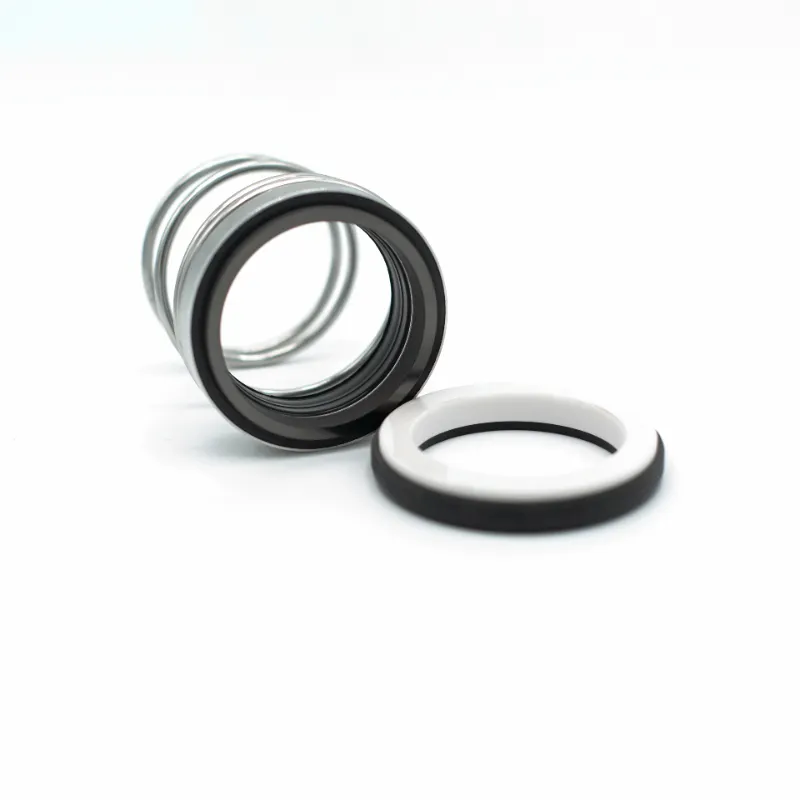
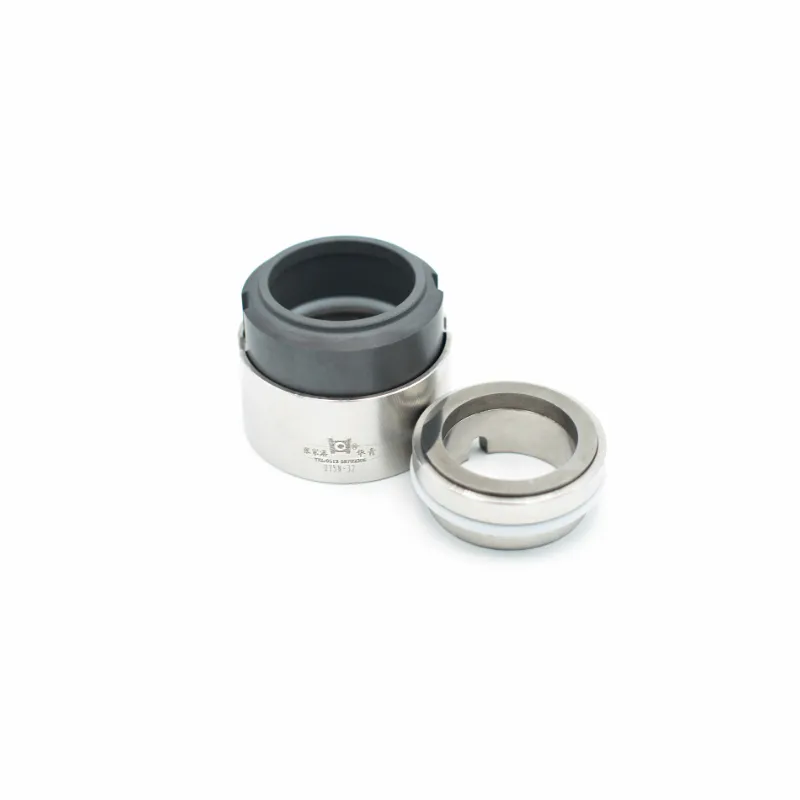
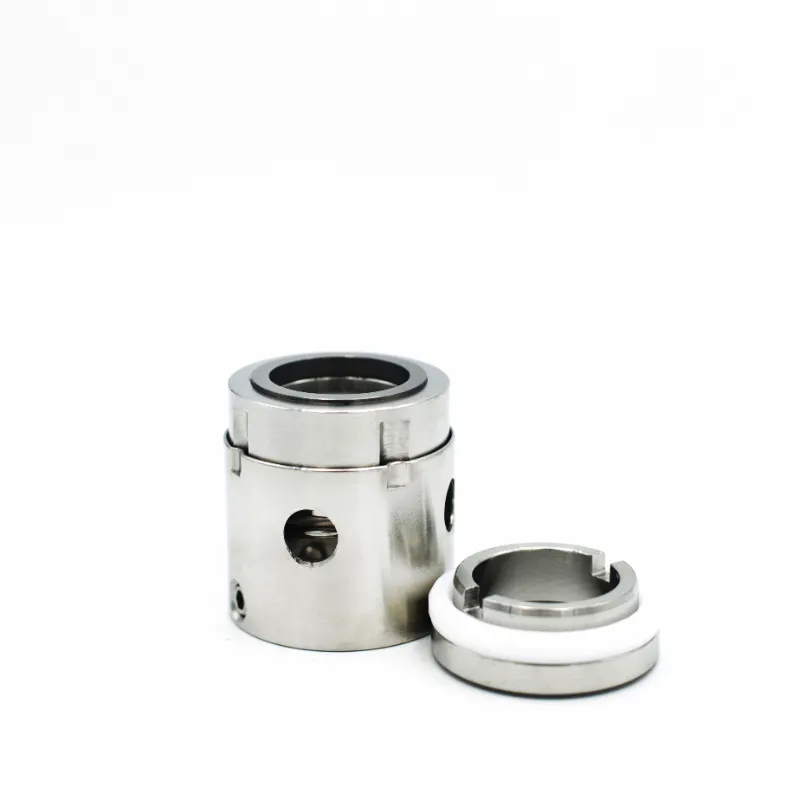
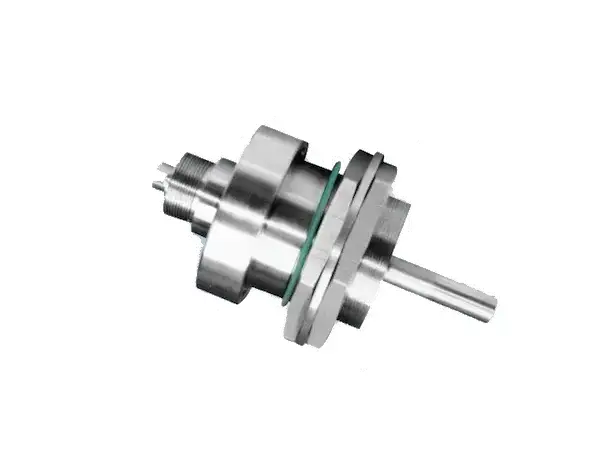
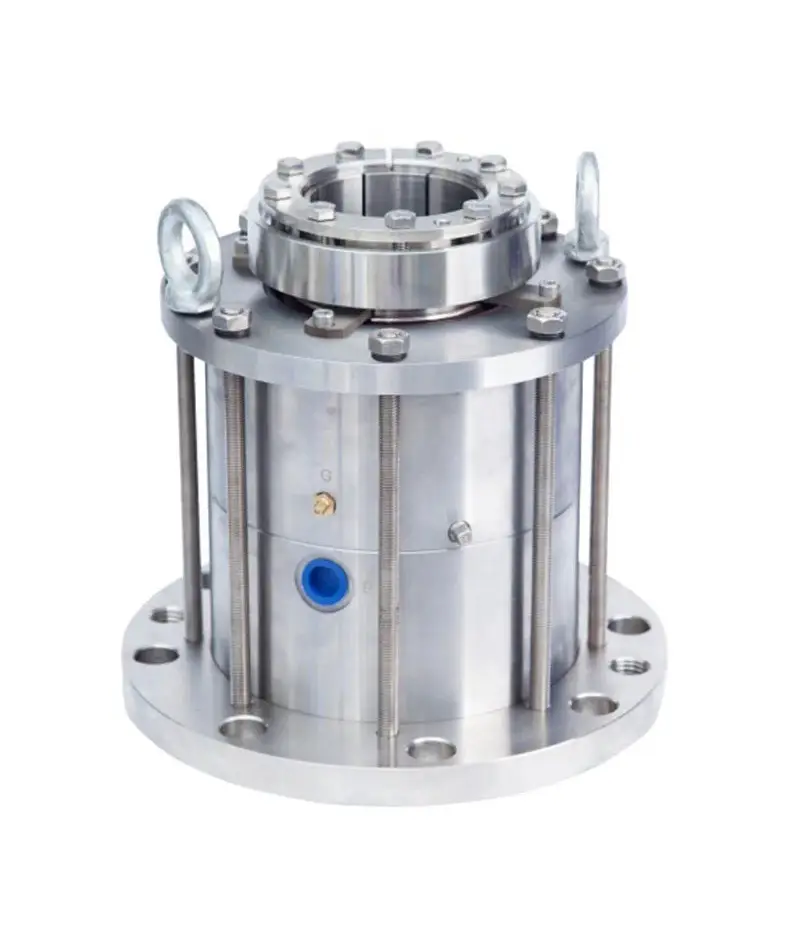
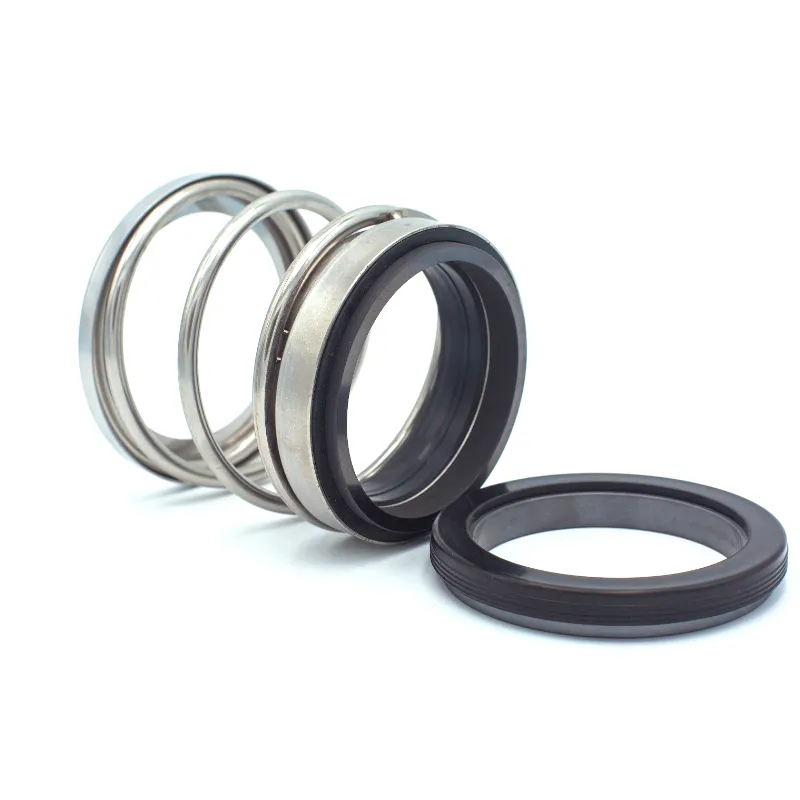
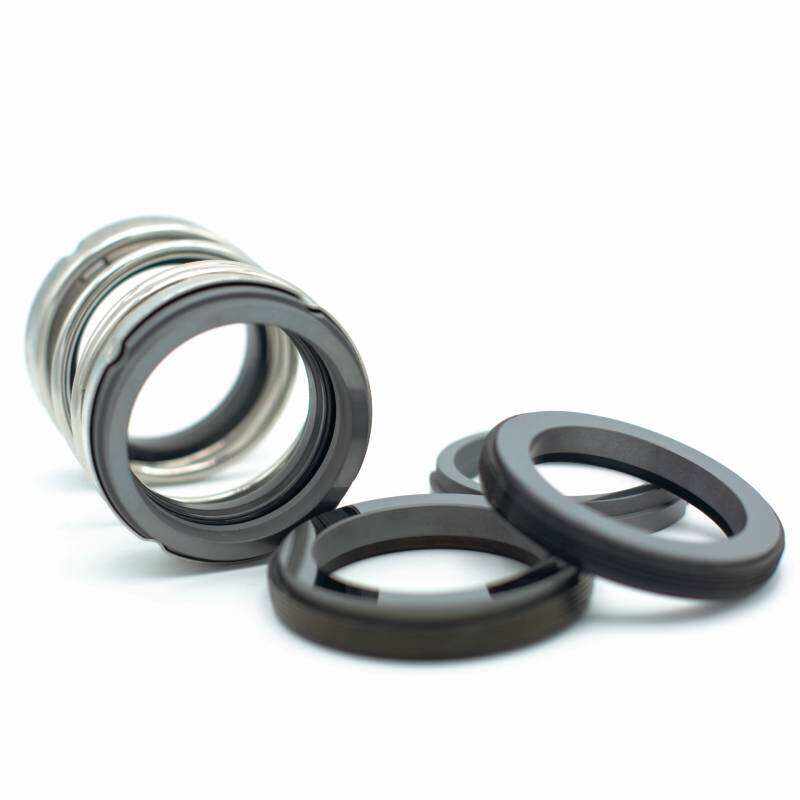
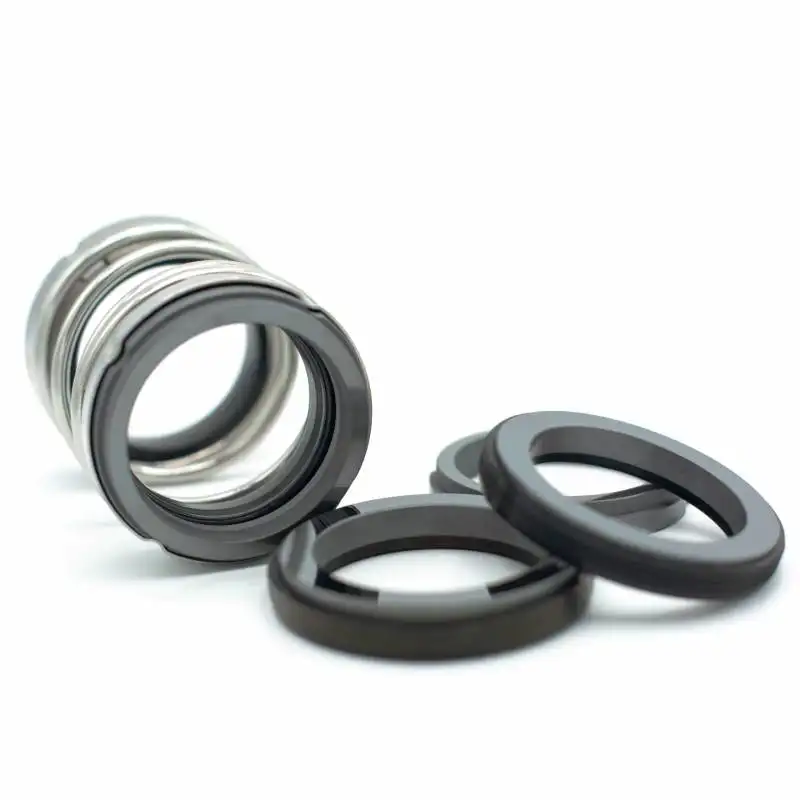
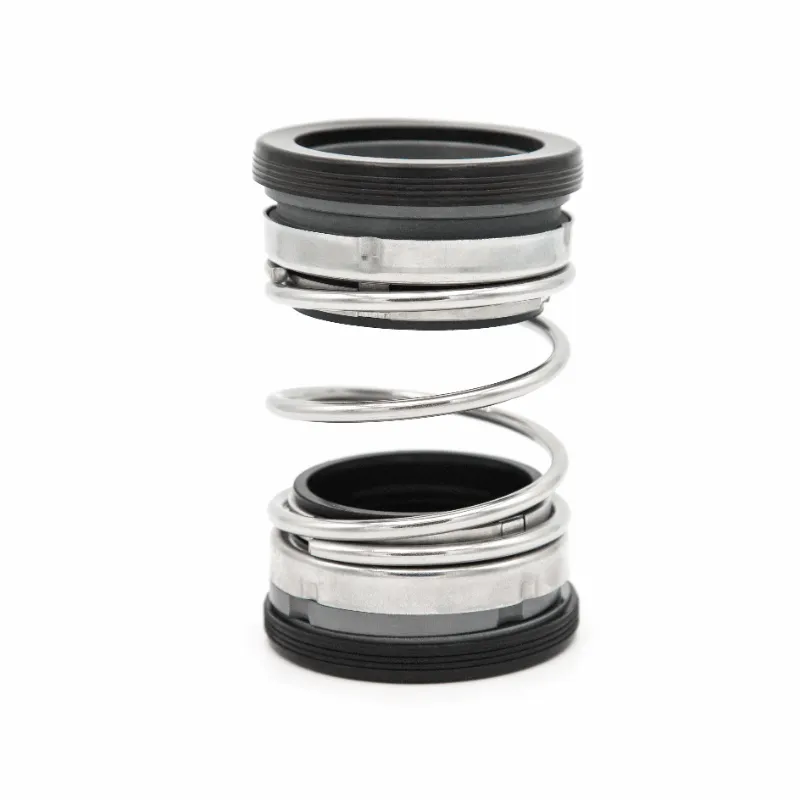
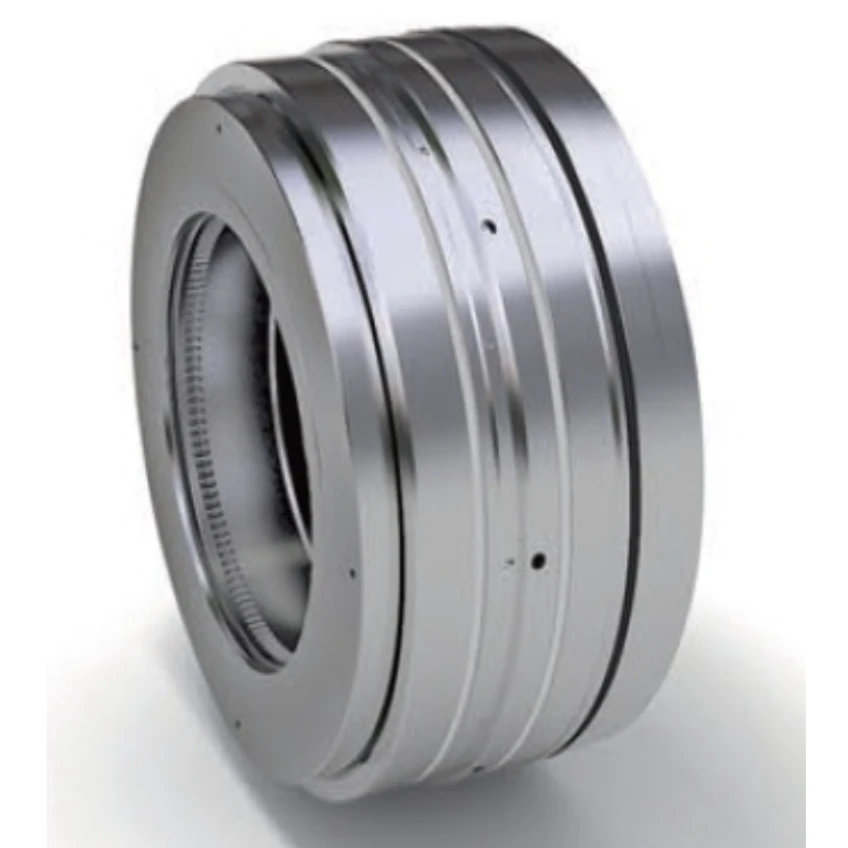
The High Temperature & High Pressure Mechanical Seal represents a critical engineering solution designed to prevent fluid leakage in demanding industrial environments. This specialized sealing component operates effectively under extreme conditions where conventional sealing methods fail, typically handling temperatures exceeding 200°C and pressures surpassing 40 bar. The primary function of a High Temperature & High Pressure Mechanical Seal involves creating a dynamic barrier between rotating and stationary equipment parts, preventing process fluids from escaping while maintaining operational efficiency. These seals incorporate advanced materials such as silicon carbide, tungsten carbide, and specialized elastomers that withstand thermal expansion, chemical corrosion, and mechanical stress. The technological architecture features precision-engineered face geometries, balanced design configurations, and specialized cooling systems that ensure consistent performance under extreme operating conditions. Key technological features include temperature-resistant O-rings, thermally stable spring systems, and hardened sealing faces that maintain flatness and smoothness despite thermal cycling. The seal assembly typically consists of a rotating ring attached to the shaft, a stationary ring mounted in the equipment housing, and secondary sealing elements that accommodate thermal expansion. Advanced surface treatments and coatings enhance wear resistance and reduce friction between sealing faces. Applications span across petroleum refining, chemical processing, power generation, pharmaceutical manufacturing, and aerospace industries where reliable sealing performance directly impacts safety, environmental compliance, and operational costs. These mechanical seals prove indispensable in centrifugal pumps, compressors, mixers, and reactor systems operating under severe thermal and pressure conditions. The High Temperature & High Pressure Mechanical Seal technology continues evolving through materials science advancements, computational fluid dynamics optimization, and real-world performance feedback from industrial applications.
 EN
EN