Dynamic Seal
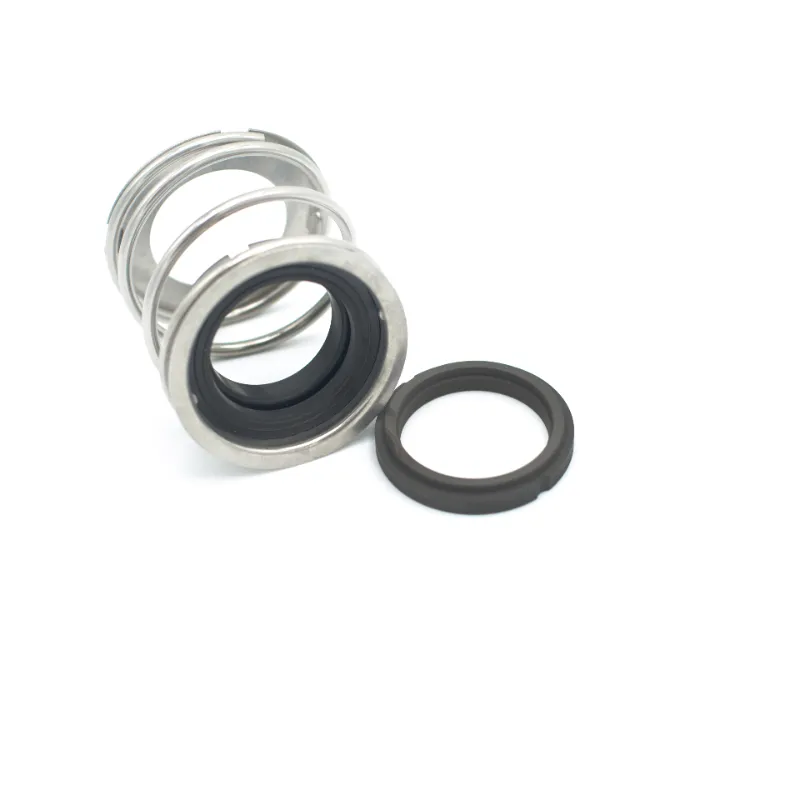
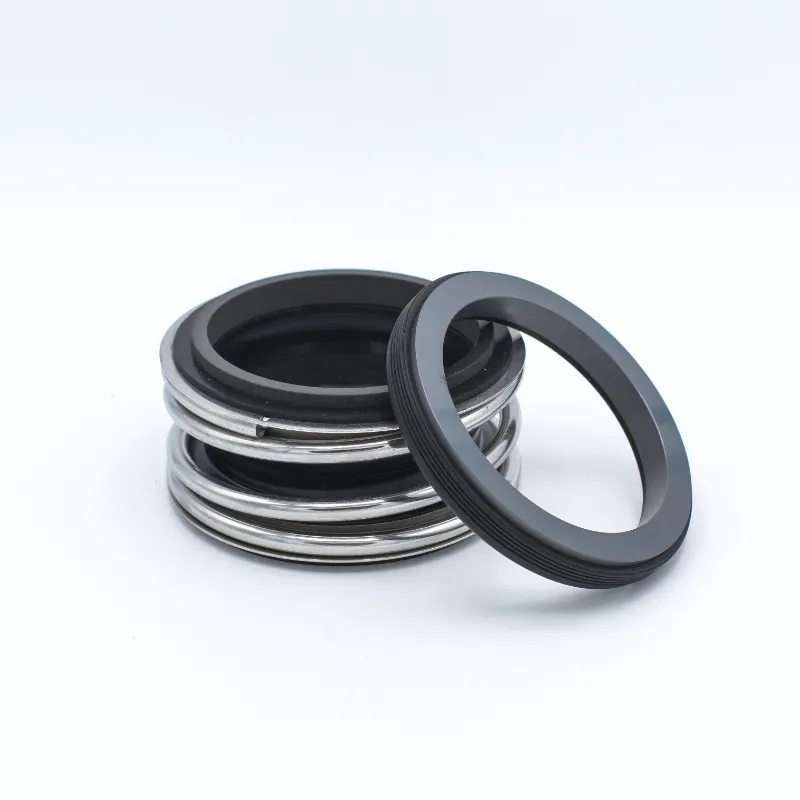
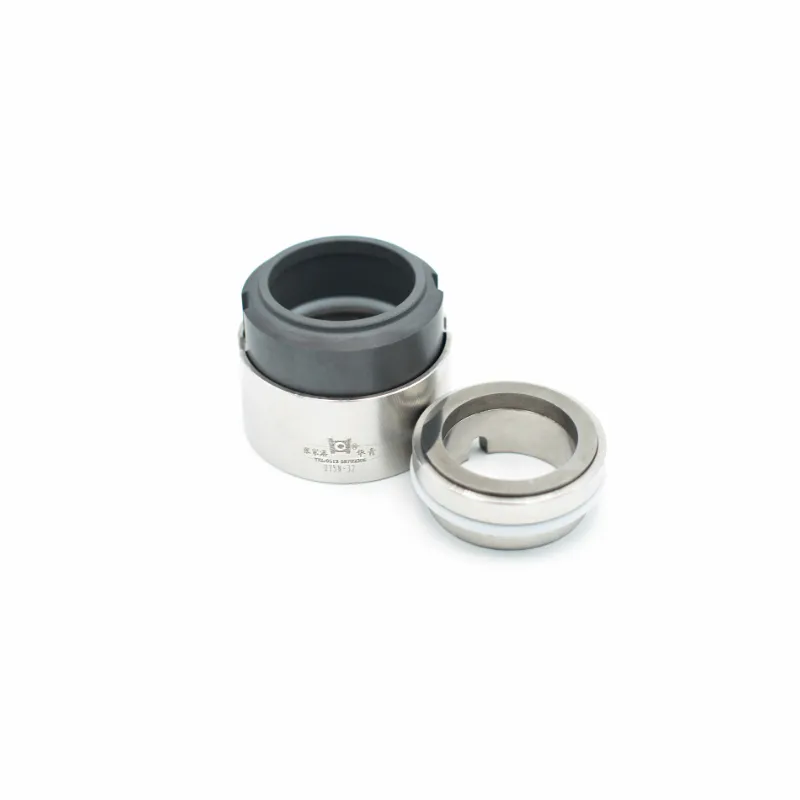
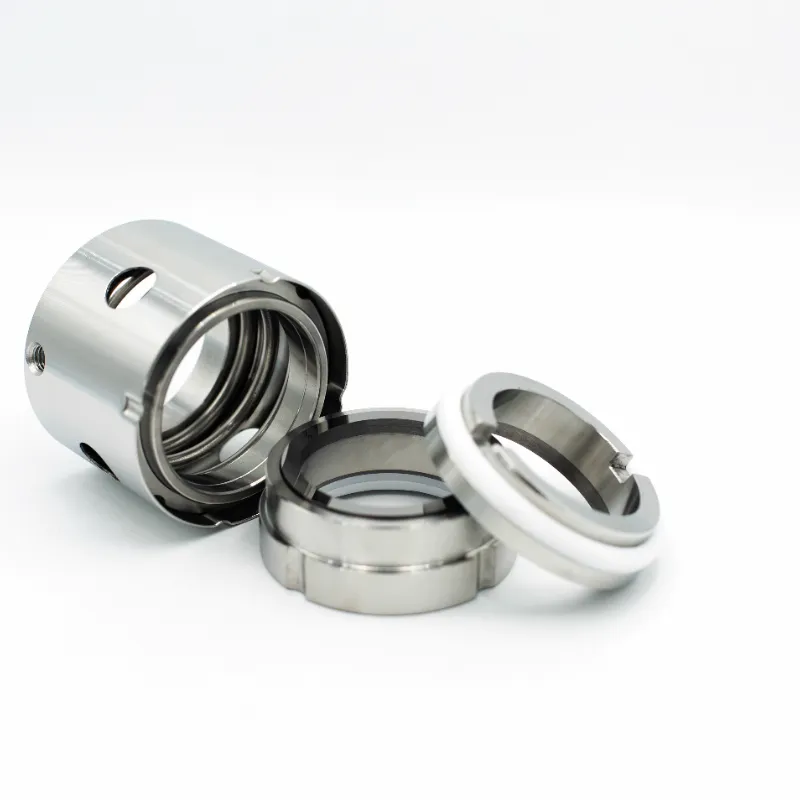
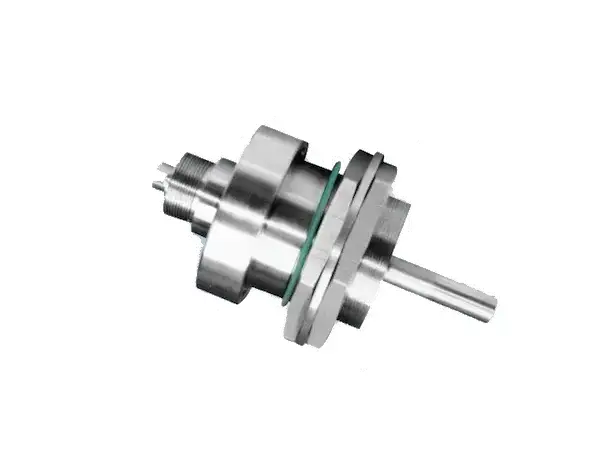
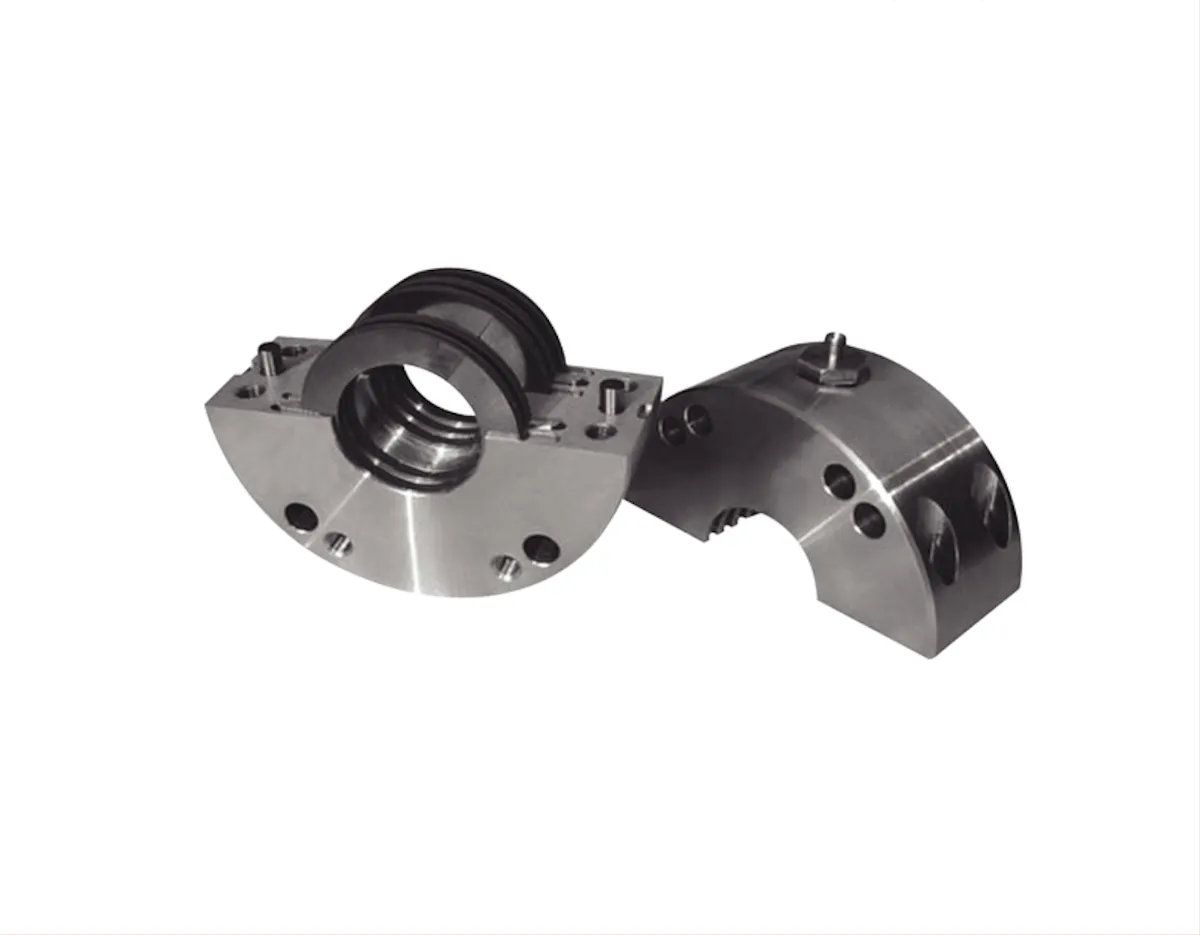
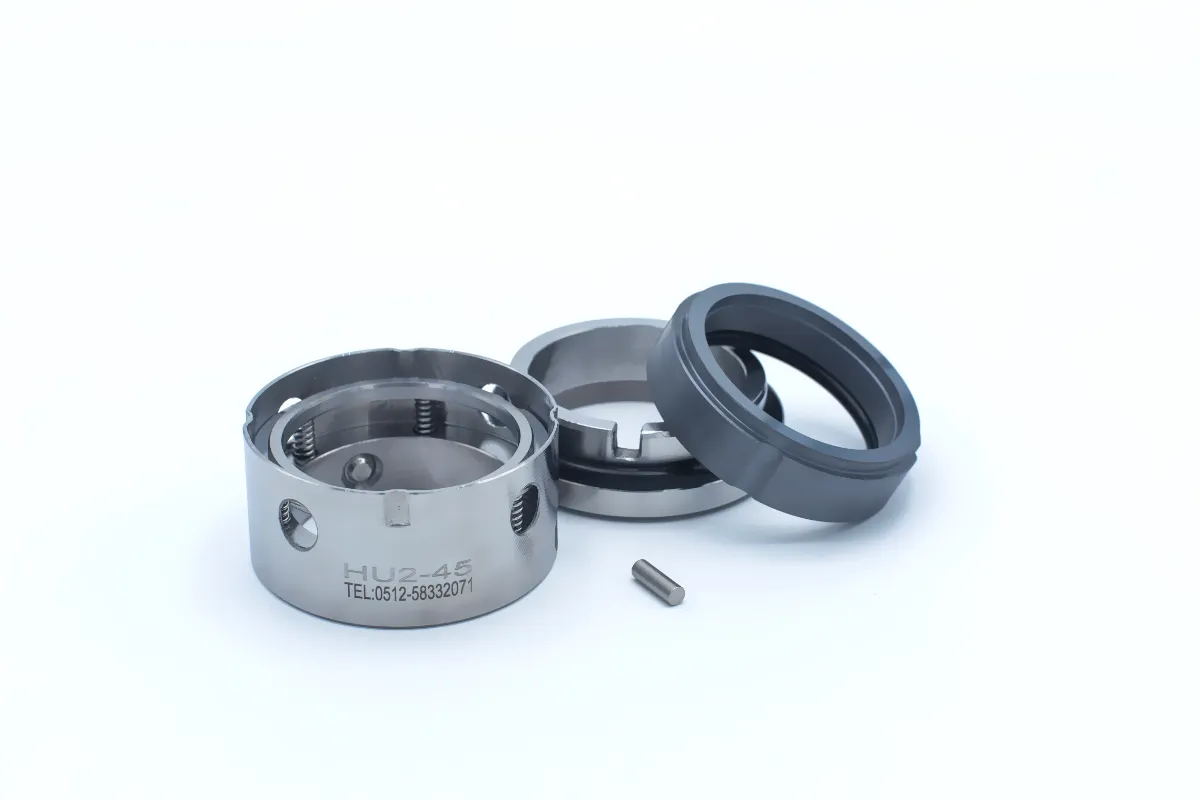
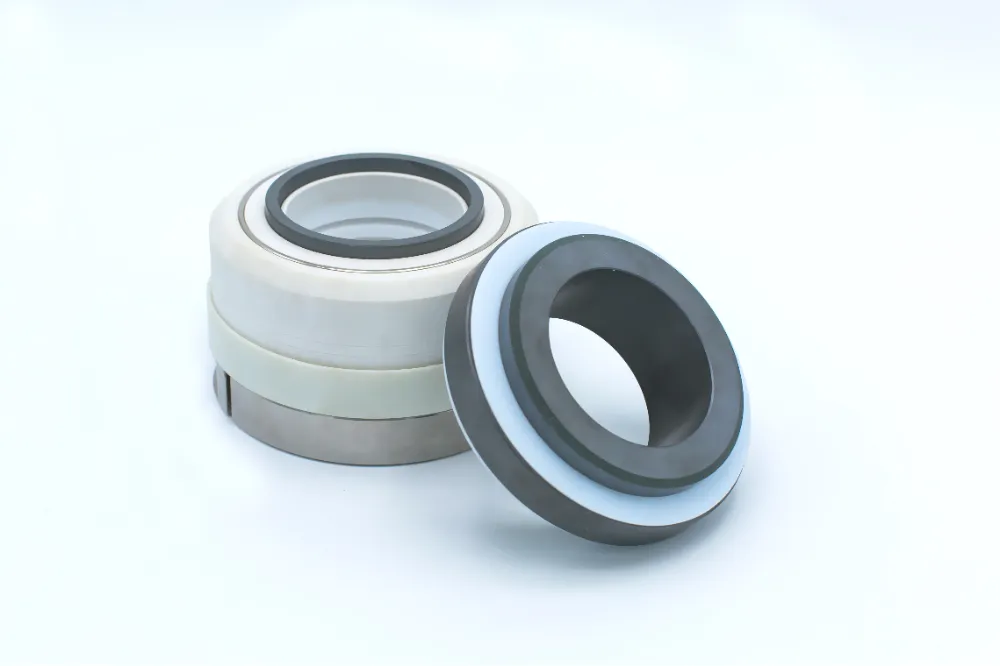
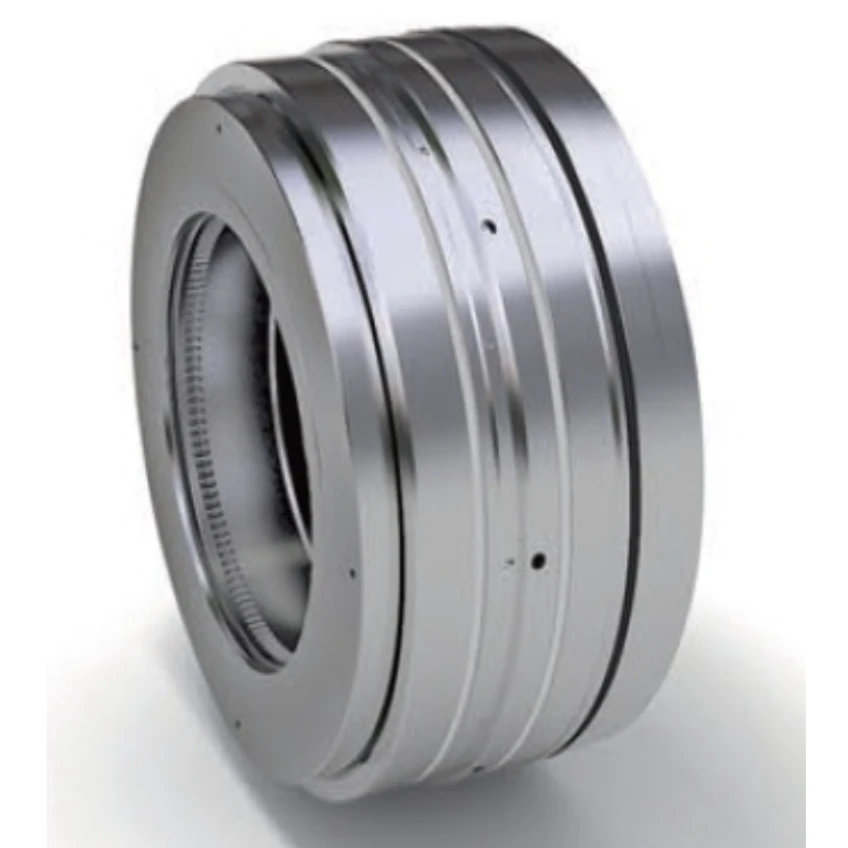
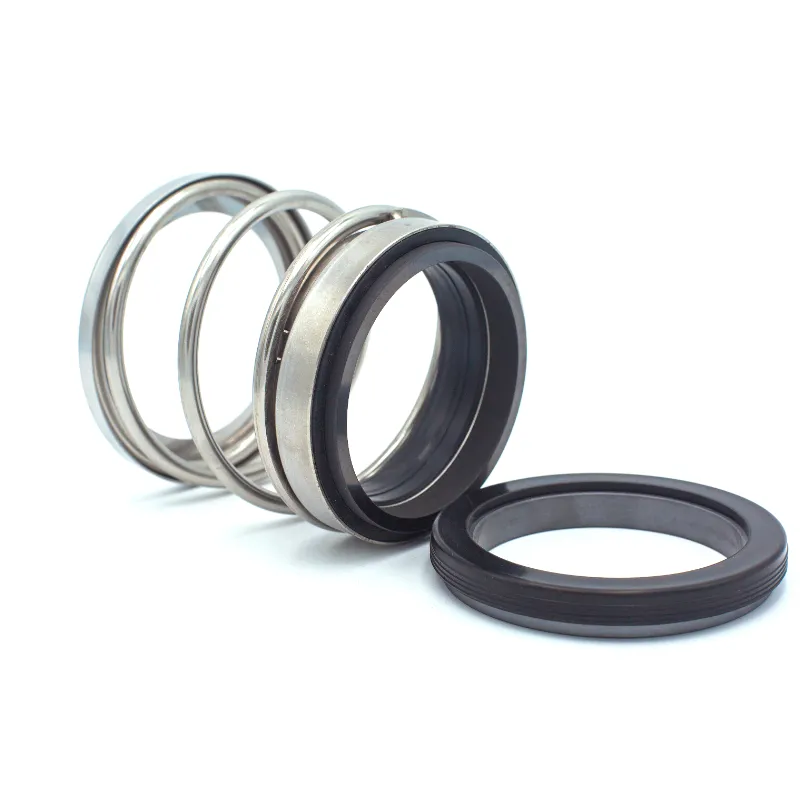
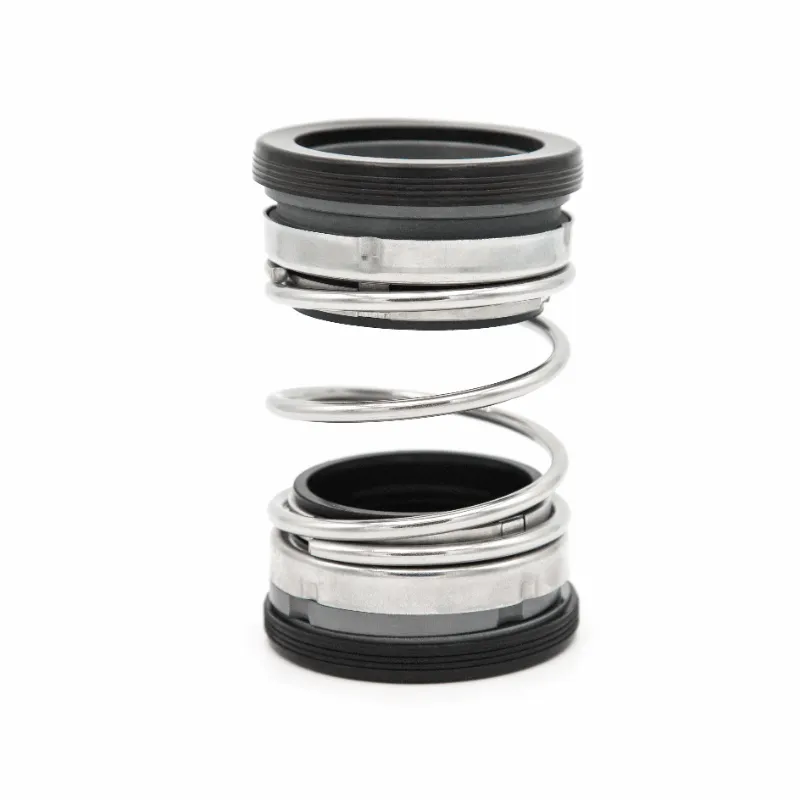
Dynamic Seal technology represents a revolutionary advancement in sealing solutions, designed to maintain effective barriers between moving components across diverse industrial applications. This innovative sealing mechanism combines advanced materials engineering with precision manufacturing to create reliable, long-lasting seals that adapt to varying operational conditions. The Dynamic Seal operates by utilizing flexible elastomeric compounds that conform to surface irregularities while maintaining consistent contact pressure, ensuring optimal performance even under challenging circumstances. The primary function of Dynamic Seal systems involves preventing fluid leakage, contamination ingress, and pressure loss in rotating or reciprocating machinery. These seals excel in environments where traditional static seals fail, particularly in applications involving continuous motion, temperature fluctuations, and varying pressure conditions. The technological foundation of Dynamic Seal design incorporates sophisticated material science, featuring specialized polymers and composite materials that resist wear, chemical degradation, and thermal expansion. Advanced manufacturing processes ensure precise dimensional control and surface finish quality, critical factors that determine sealing effectiveness and longevity. Dynamic Seal applications span numerous industries including automotive, aerospace, marine, hydraulic systems, pneumatic equipment, and industrial machinery. In automotive applications, these seals protect critical components such as transmissions, differentials, and engine assemblies from contamination while retaining essential lubricants. Aerospace applications rely on Dynamic Seal technology for fuel systems, hydraulic actuators, and environmental control systems where reliability and performance are paramount. The versatility of Dynamic Seal solutions enables customization for specific operating parameters, including temperature ranges, chemical compatibility, pressure ratings, and dimensional requirements, making them indispensable components in modern mechanical systems.
 EN
EN