Chemical Pump Seal
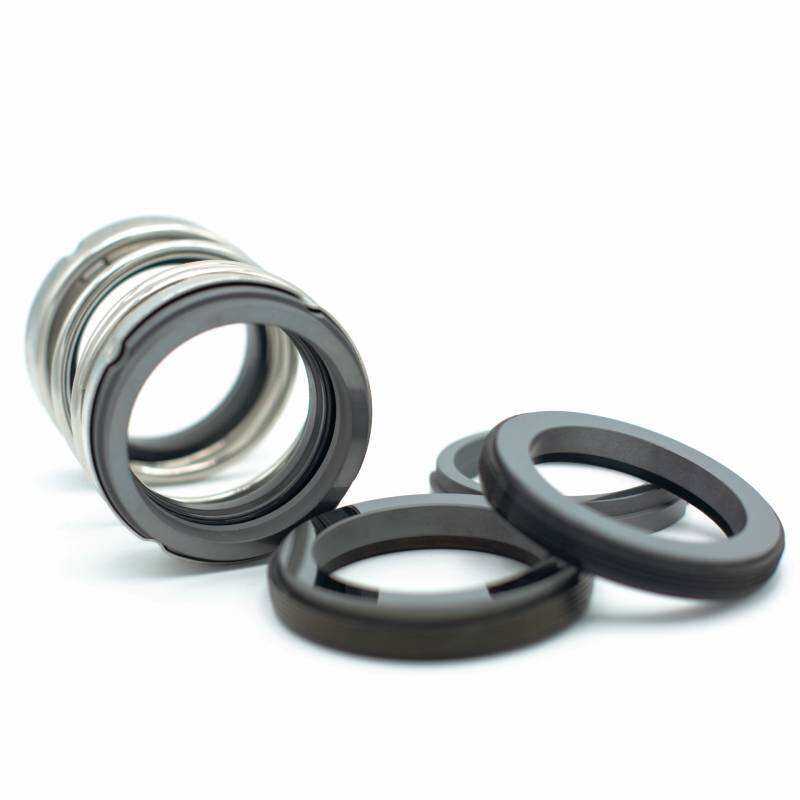
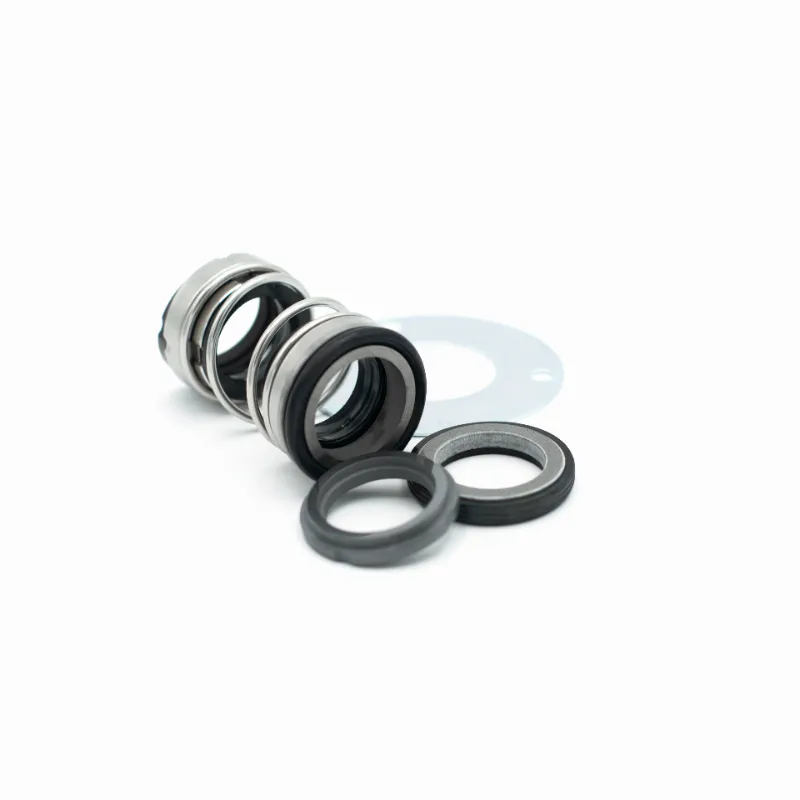
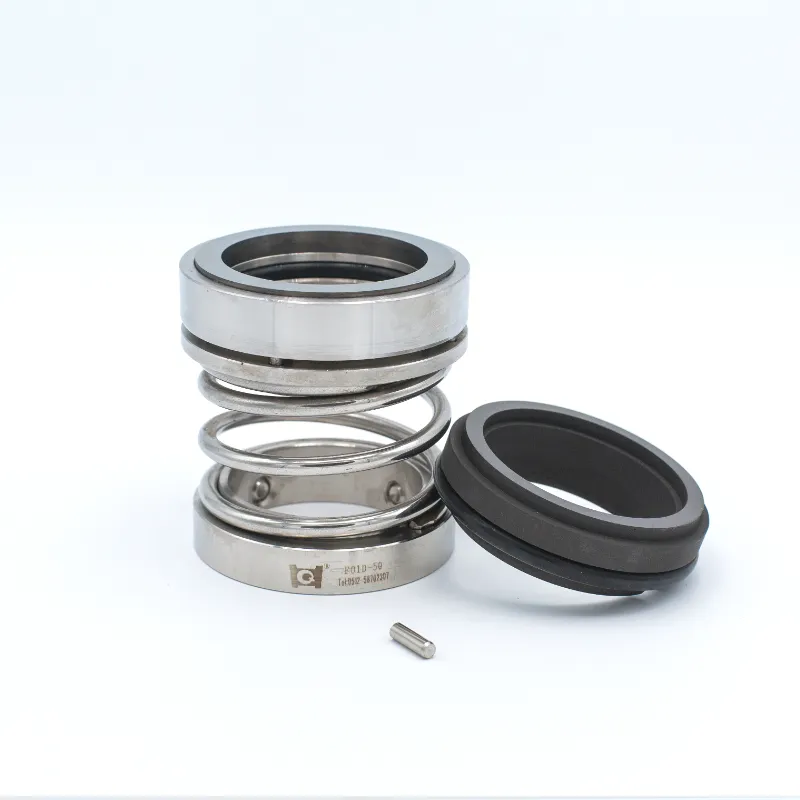
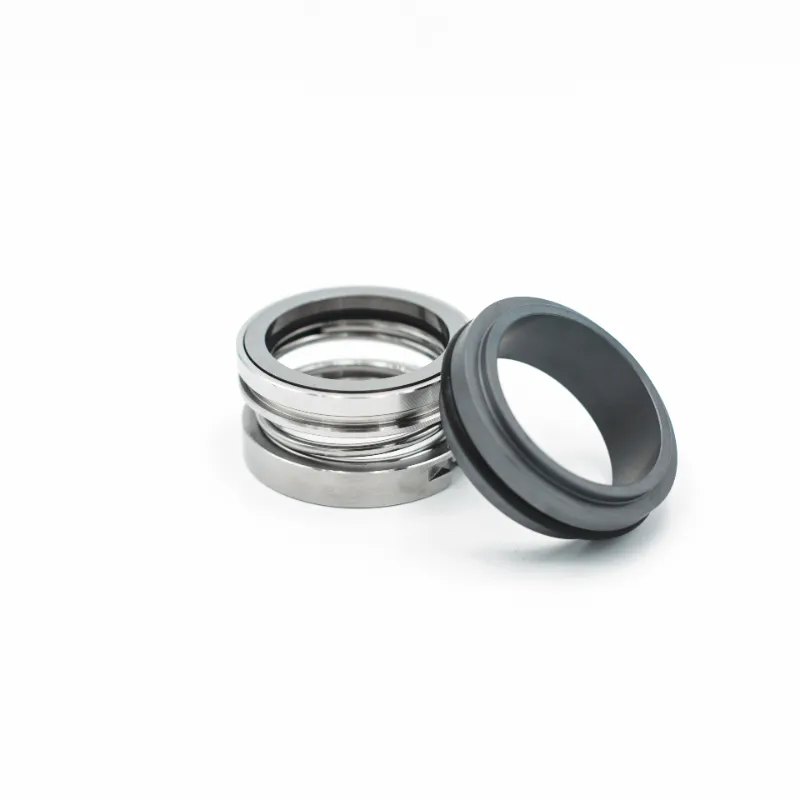
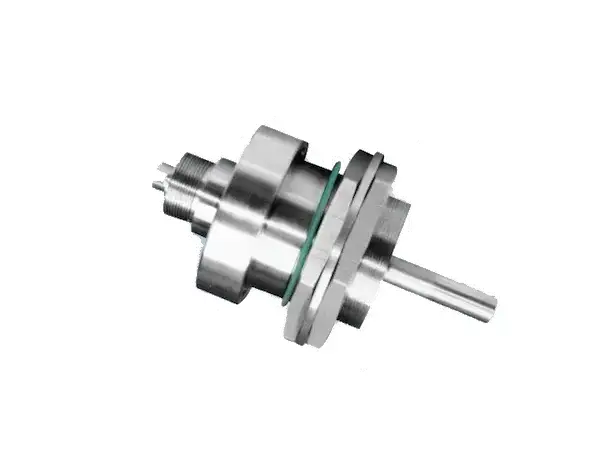
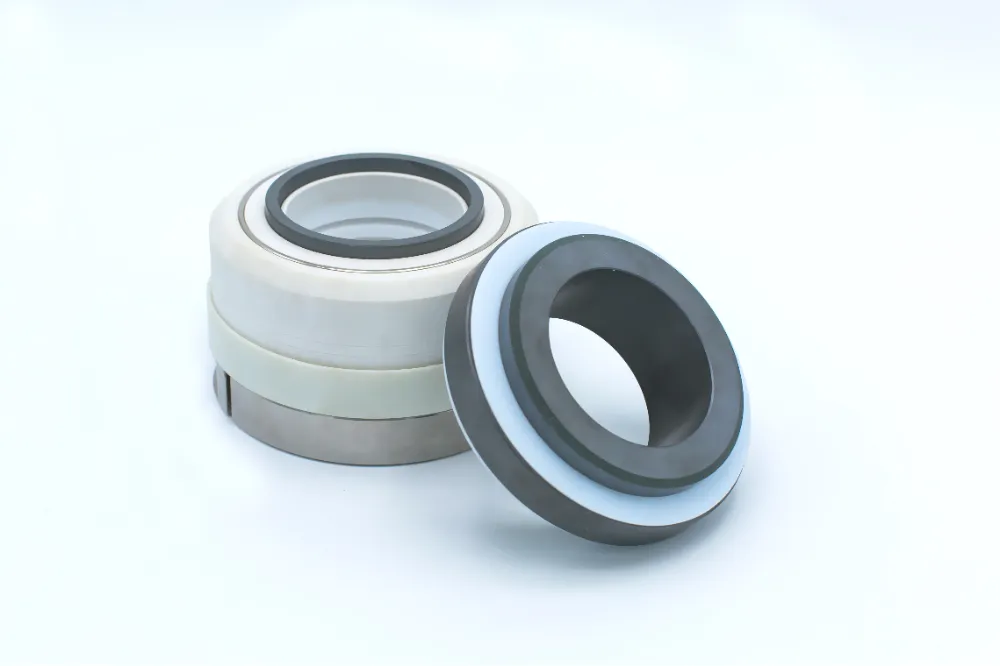
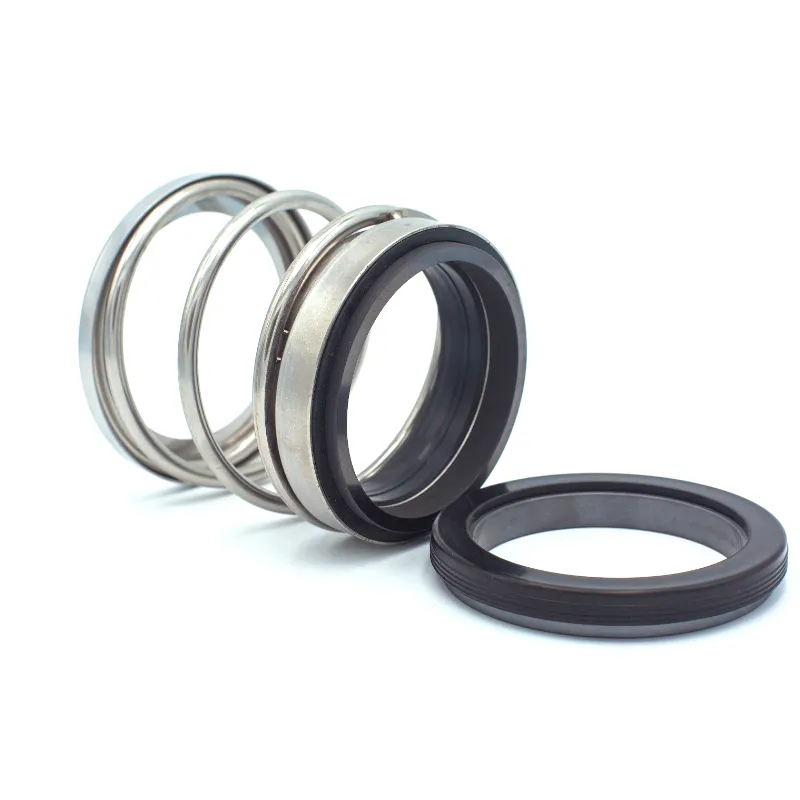
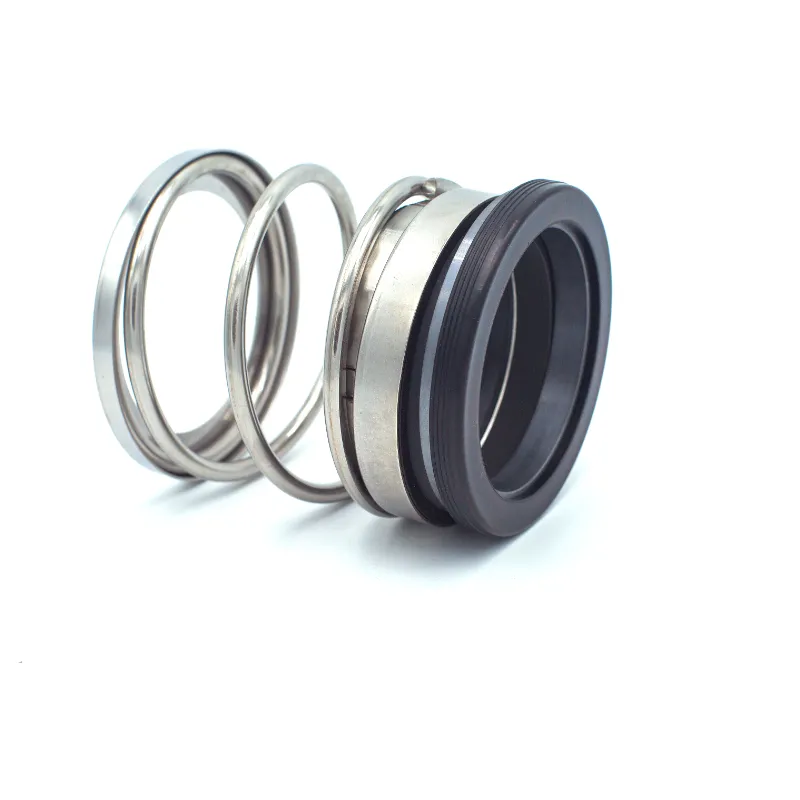
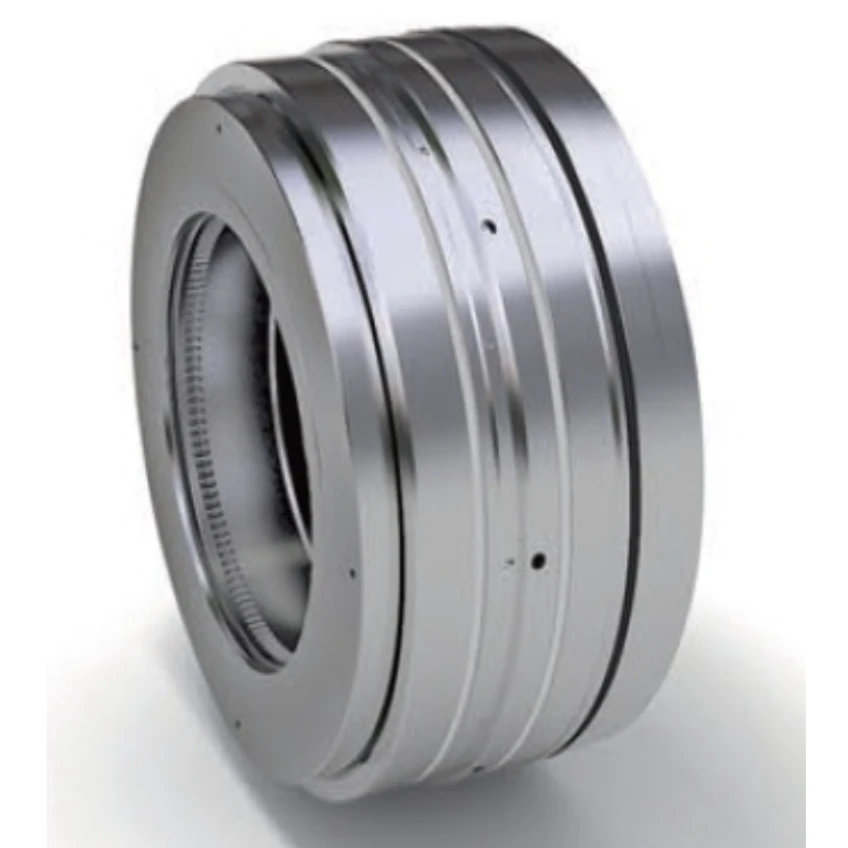
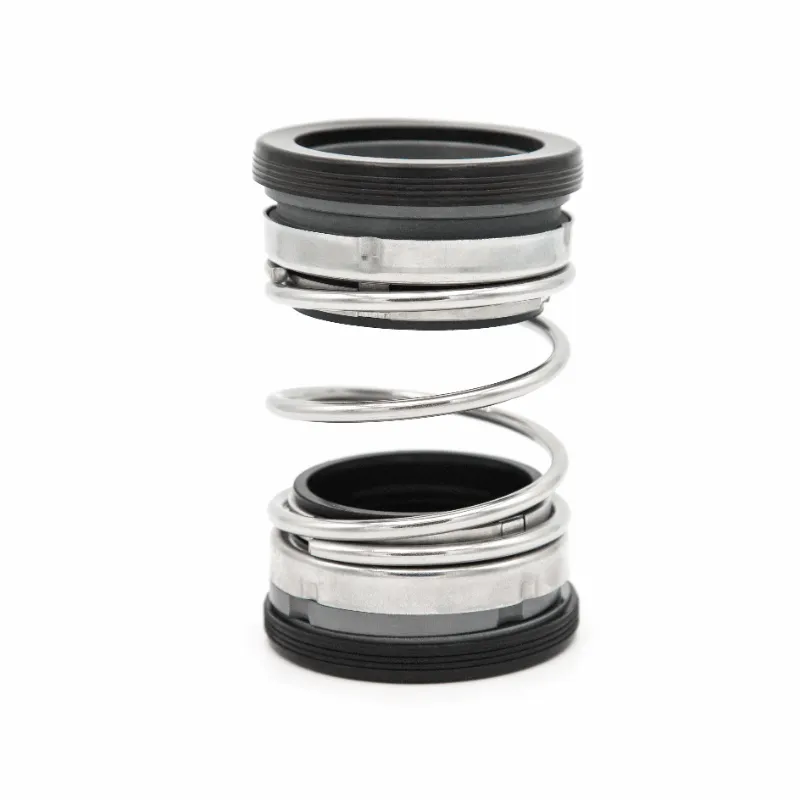
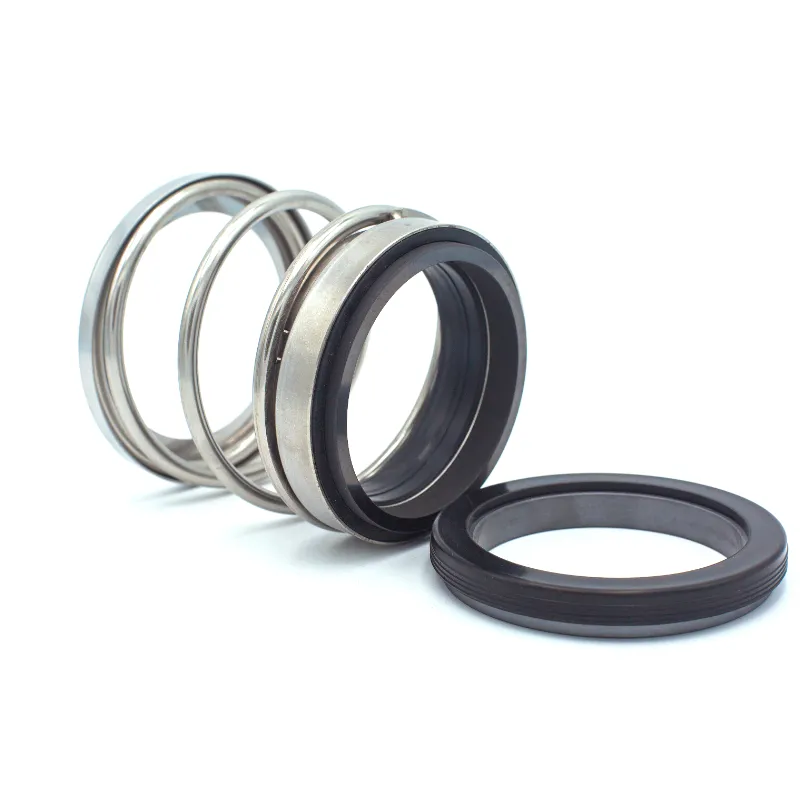
Chemical Pump Seal represents a critical component in fluid handling systems designed specifically for challenging chemical processing environments. These specialized seals serve as the primary barrier between rotating shaft components and the pumped medium, preventing leakage while maintaining operational efficiency in corrosive and hazardous applications. The fundamental purpose of a Chemical Pump Seal involves containing aggressive chemicals, acids, bases, and solvents that would otherwise compromise equipment integrity and environmental safety. Modern Chemical Pump Seal designs incorporate advanced materials engineering, featuring specialized elastomers, ceramics, and metal alloys that resist chemical degradation. The technological framework includes mechanical face seals, lip seals, and cartridge assemblies that provide multiple containment levels. These seals utilize precision-machined surfaces that create tight tolerances, ensuring minimal fluid bypass while accommodating thermal expansion and mechanical vibration. The sealing mechanism relies on controlled contact pressure between stationary and rotating elements, maintained through spring-loaded or hydraulically-actuated systems. Chemical Pump Seal construction typically involves primary and secondary sealing elements, with the primary seal handling direct chemical contact and secondary elements providing backup protection. Advanced designs incorporate flushing systems that introduce compatible barrier fluids to enhance sealing performance and extend service life. Temperature management features include heat dissipation channels and cooling circuits that prevent seal degradation under extreme operating conditions. The installation process requires precise alignment and proper lubrication to ensure optimal performance. Quality Chemical Pump Seal systems undergo rigorous testing protocols including pressure cycling, chemical compatibility assessments, and thermal shock evaluations. These comprehensive validation procedures guarantee reliable performance in pharmaceutical manufacturing, petrochemical processing, water treatment facilities, and specialty chemical production environments where containment integrity directly impacts operational safety and regulatory compliance.
 EN
EN