Complete Guide to Pump Seal Flush Systems: Benefits, Applications & Technology

Get a Free Quote

Our representative will contact you soon.
Email
Name
Company Name
Message
0/1000

pump seal flush

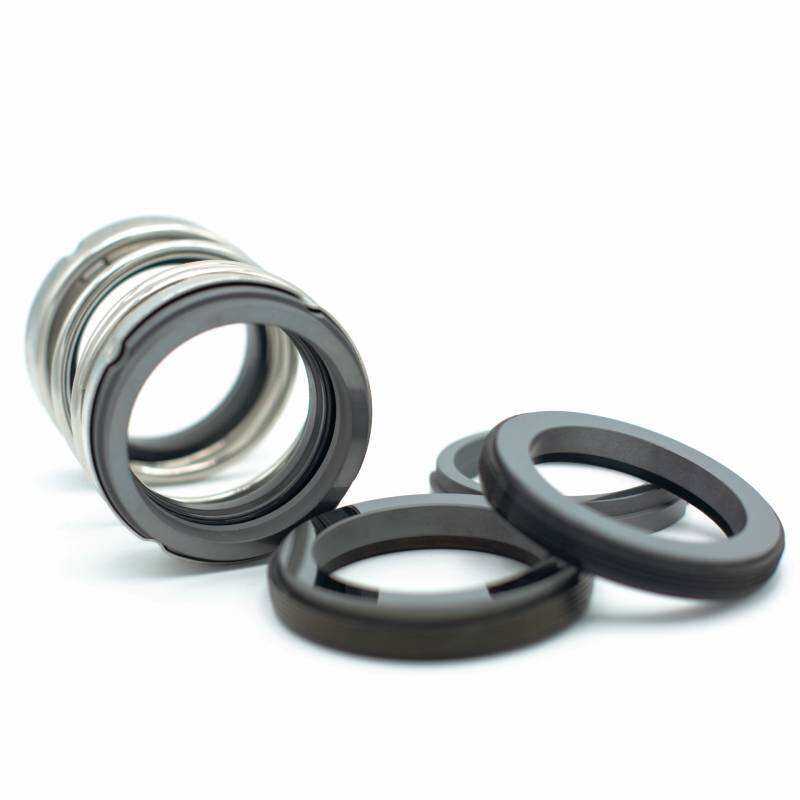
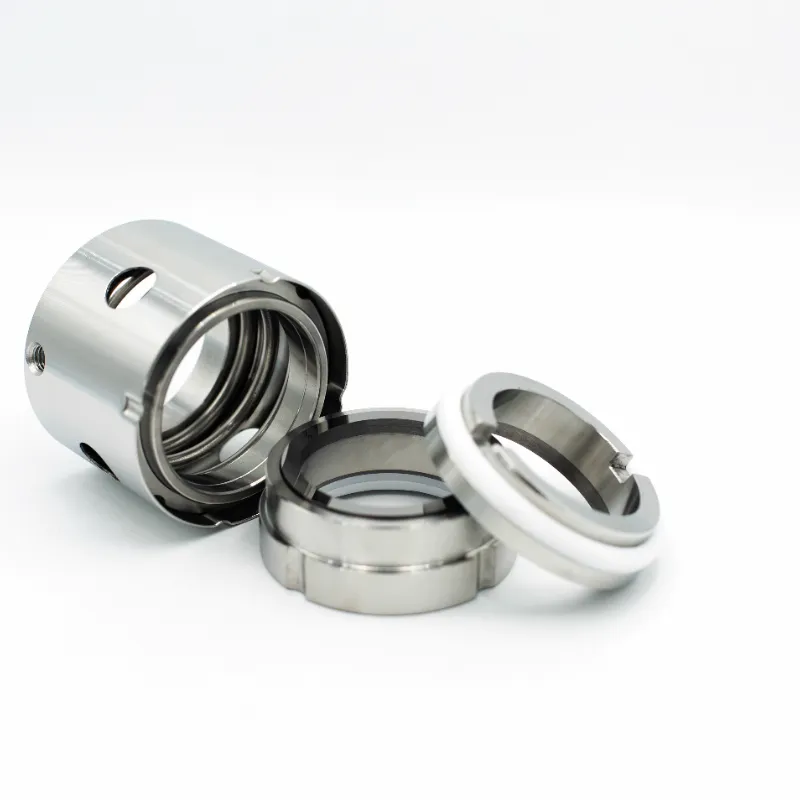
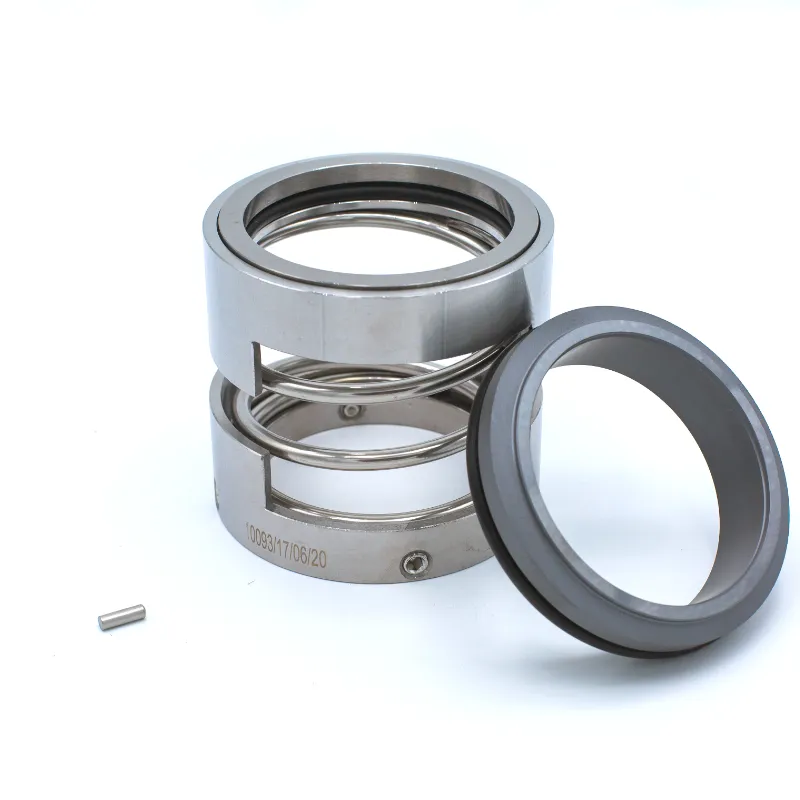
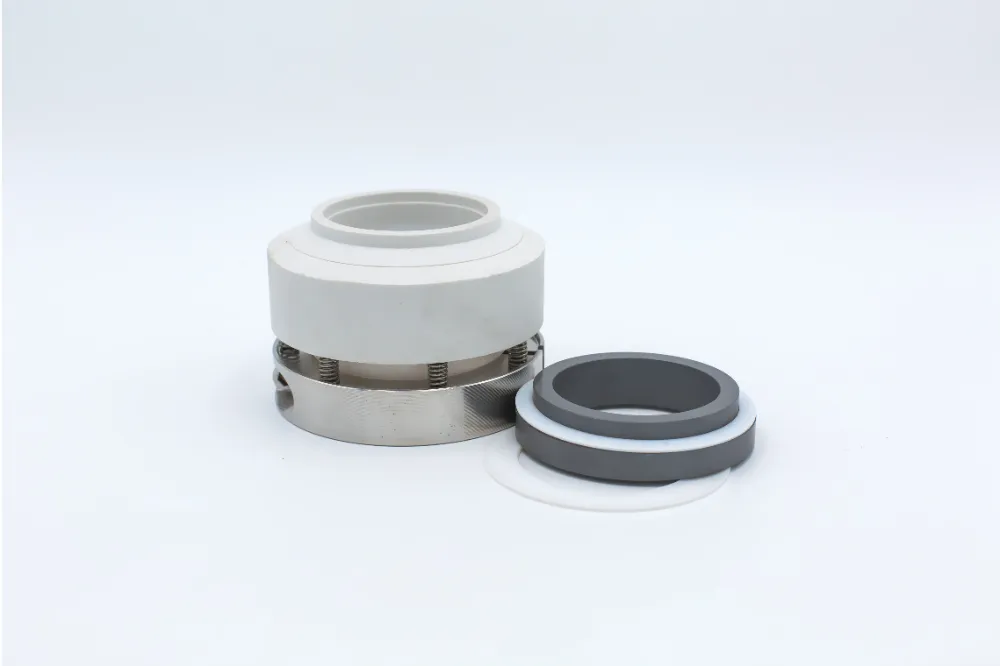
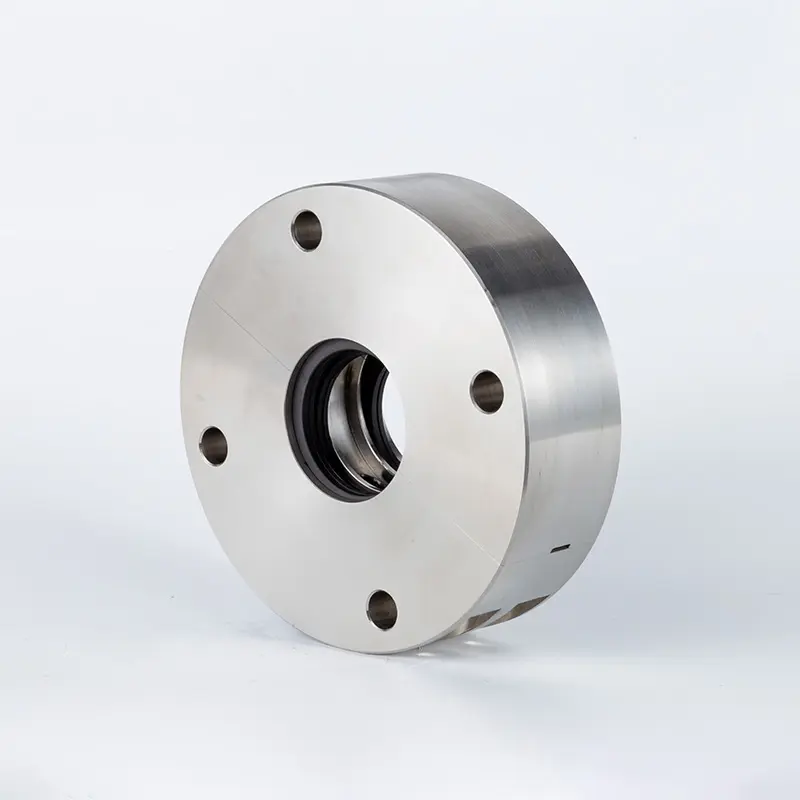
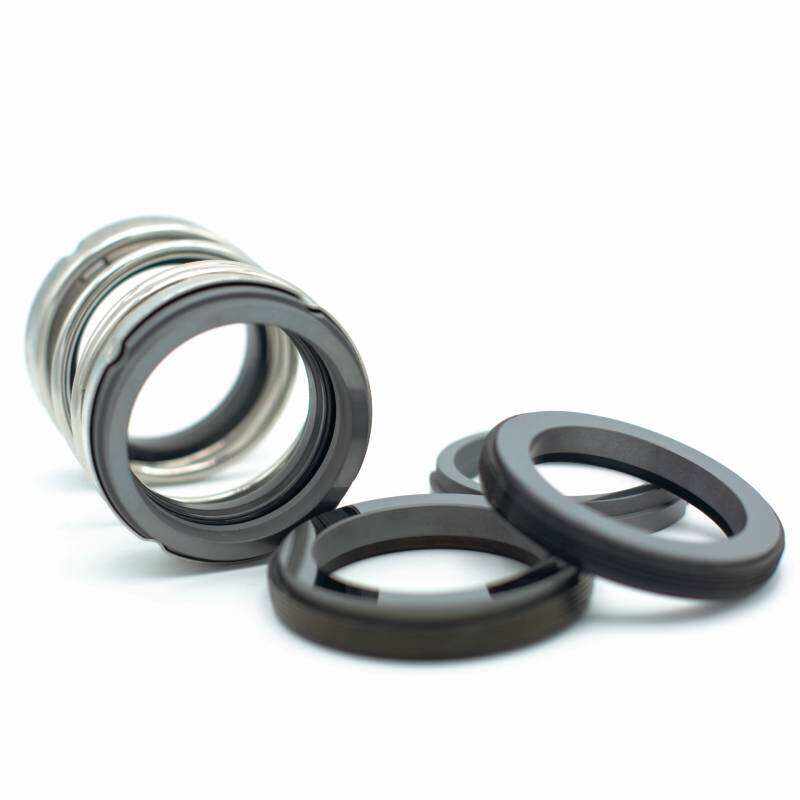
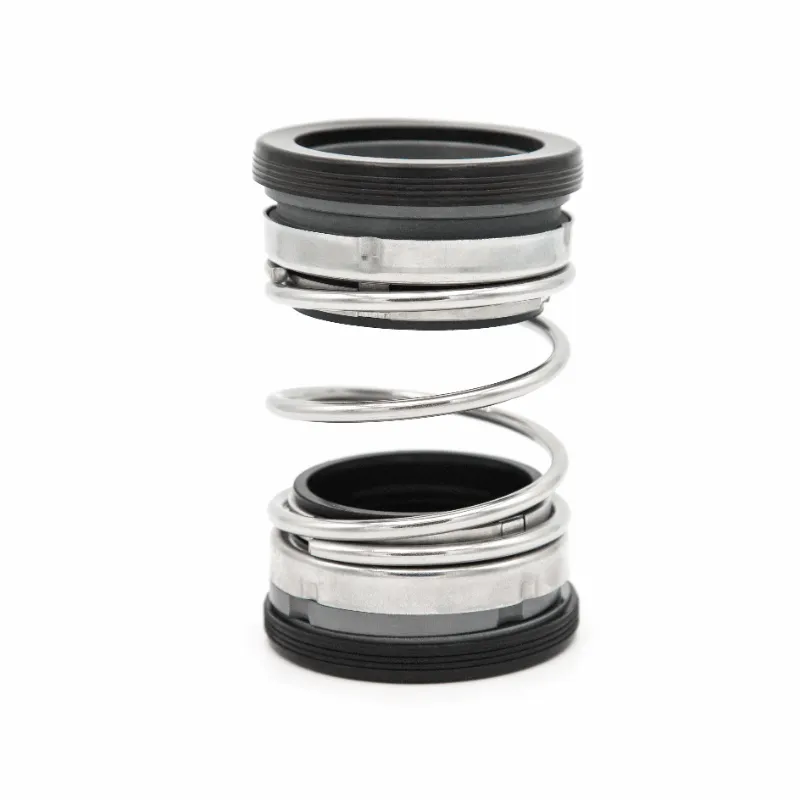
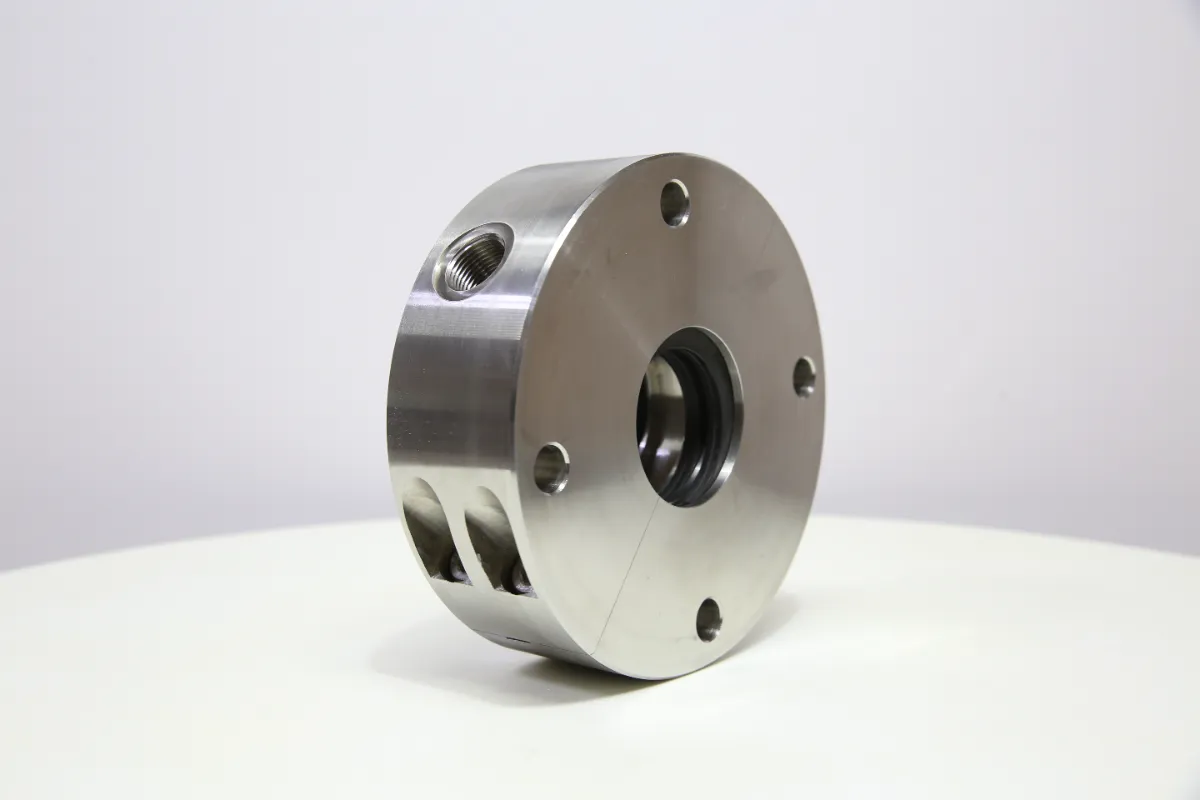
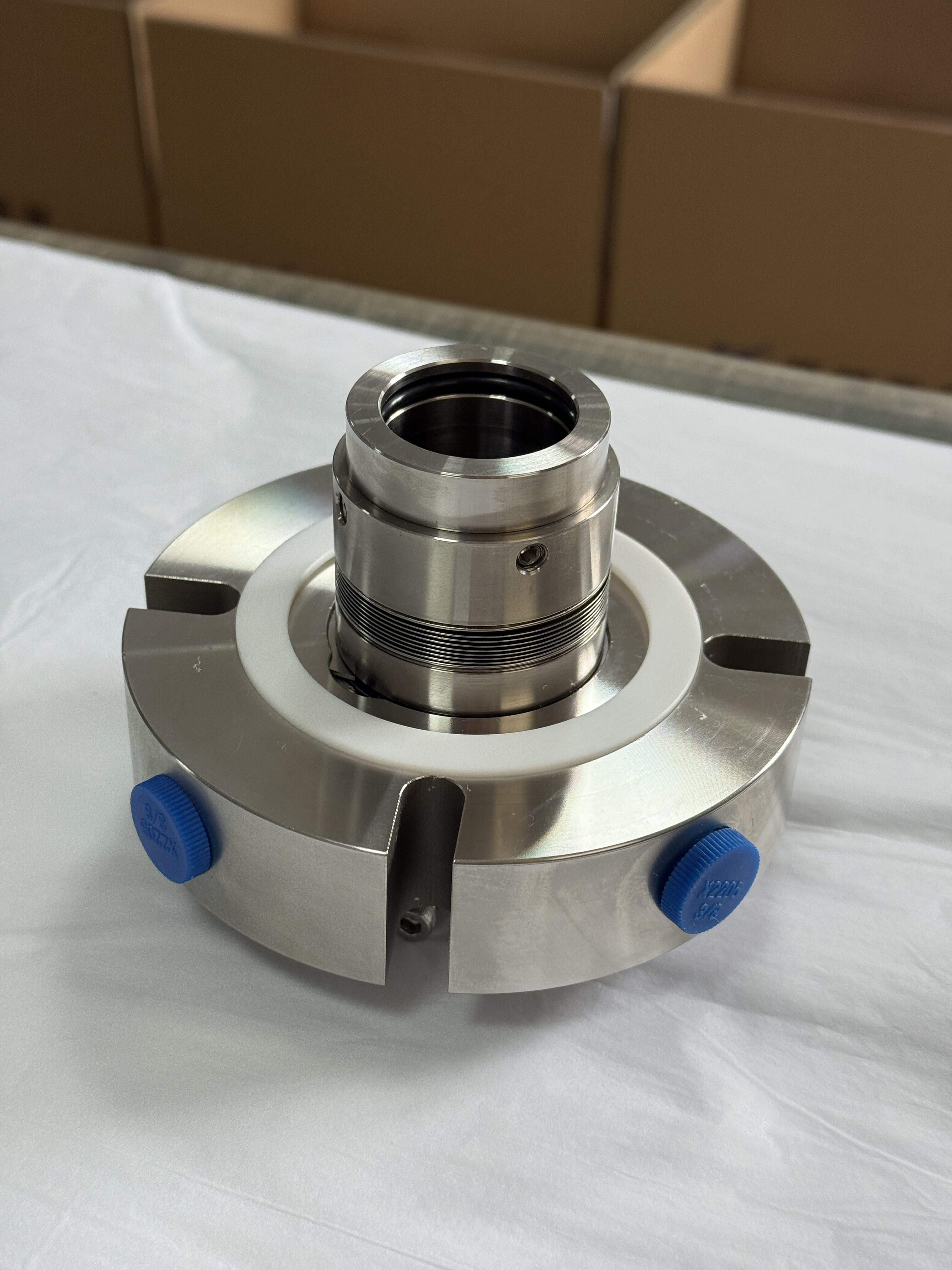
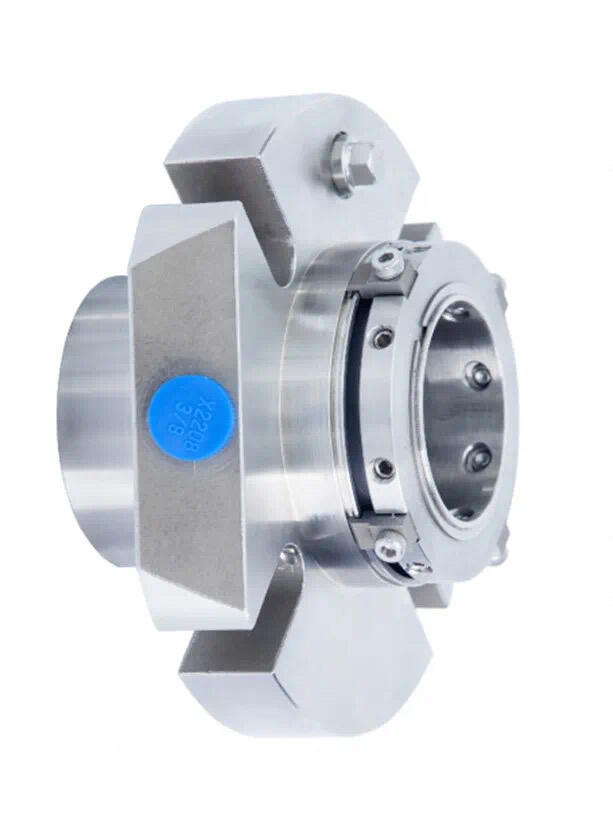
Pump seal flush systems represent a critical component in modern industrial pumping operations, designed to maintain optimal performance and extend equipment lifespan. A pump seal flush is a specially engineered system that circulates clean fluid to the mechanical seal area of centrifugal pumps, providing essential lubrication, cooling, and contamination prevention. This technology plays a vital role in ensuring reliable pump operation across diverse industrial applications. The primary function of a pump seal flush involves delivering a controlled flow of clean fluid, typically the same as the pumped medium or a compatible alternative, directly to the seal faces. This continuous circulation creates a barrier between the mechanical seal and potentially harmful contaminants, while simultaneously removing heat generated by friction during normal operation. The technological features of pump seal flush systems include precision flow control mechanisms, pressure regulation components, and filtration elements that work together to maintain optimal seal chamber conditions. Modern pump seal flush systems incorporate advanced materials and design elements that resist corrosion, handle temperature variations, and provide consistent performance under challenging operating conditions. These systems are commonly applied in chemical processing, petroleum refining, water treatment, food and beverage production, pharmaceutical manufacturing, and power generation facilities. The pump seal flush technology is particularly valuable in applications involving abrasive fluids, high temperatures, or corrosive media where standard sealing arrangements would experience premature failure. By maintaining clean fluid circulation around mechanical seals, these systems significantly reduce maintenance requirements and prevent costly equipment downtime. The implementation of pump seal flush systems demonstrates a proactive approach to equipment protection, offering long-term operational benefits that justify the initial investment through improved reliability and reduced total cost of ownership.

Popular Products

Implementing a pump seal flush system delivers substantial operational benefits that directly impact your bottom line and equipment performance. The most significant advantage lies in dramatically extending mechanical seal life, often tripling or quadrupling the time between seal replacements compared to standard installations. This extension occurs because the continuous circulation of clean fluid prevents the accumulation of debris, crystallized materials, and other contaminants that typically cause premature seal wear. Your maintenance teams will appreciate the reduced frequency of seal replacements, which translates to lower labor costs and minimized production interruptions. Temperature control represents another crucial benefit of pump seal flush systems. The circulating fluid acts as an effective cooling medium, removing heat generated by seal face friction and preventing thermal damage that could compromise seal integrity. This cooling effect is particularly valuable when handling hot fluids or operating pumps at high speeds where heat generation becomes a significant concern. Cost savings accumulate through multiple channels when you install pump seal flush systems. Reduced seal replacement frequency means lower spare parts consumption, decreased maintenance labor hours, and fewer unplanned shutdowns that disrupt production schedules. The system also protects expensive pump components from damage caused by contaminated or overheated seal chambers. Improved reliability becomes immediately apparent as pump seal flush systems create more predictable operating conditions. Your operations team can better plan maintenance activities and avoid emergency repairs that often occur at inconvenient times. The consistent performance provided by these systems helps maintain production targets and reduces the risk of costly equipment failures. Environmental benefits include reduced fluid leakage and improved containment of potentially hazardous materials. The pump seal flush system creates better sealing conditions that minimize emissions and protect workplace safety. Additionally, the system supports compliance with environmental regulations by reducing the likelihood of seal failures that could result in spills or releases. Energy efficiency improvements result from reduced friction between seal faces and more consistent pump operation. The system helps maintain optimal clearances and reduces parasitic losses that can increase power consumption. These efficiency gains compound over time, contributing to lower operating costs and reduced environmental impact through decreased energy consumption.

Latest News

Common Challenges with Agitator Seals in Bioreactors

21

Jul

Common Challenges with Agitator Seals in Bioreactors

Sealing Systems in Sterile and Pressure-Sensitive Environments Bioreactors operate under highly controlled conditions, where sterility, pressure balance, and agitation efficiency must all coexist seamlessly. Among the critical components enabling thi...
View More
Cartex Mechanical Seal Solutions for Heavy-Duty Pumping Systems

22

Dec

Cartex Mechanical Seal Solutions for Heavy-Duty Pumping Systems

Industrial pumping systems demand exceptional reliability and performance, especially when handling aggressive fluids and operating under extreme conditions. Modern mechanical seal technology has evolved to meet these challenges, with advanced soluti...
View More
Complete Mechanical Seal Types Comparison for Industrial Pumps

13

Jan

Complete Mechanical Seal Types Comparison for Industrial Pumps

Industrial pumps represent the backbone of countless manufacturing processes, and their reliability depends heavily on proper sealing mechanisms. Understanding mechanical seal types is crucial for engineers and maintenance professionals who need to e...
View More
How Do Mech Seals Improve Pump Efficiency and Uptime?

13

Jan

How Do Mech Seals Improve Pump Efficiency and Uptime?

Mechanical seals play a crucial role in maintaining optimal pump performance across industrial applications. Understanding how mech seals function and their impact on operational efficiency can help facility managers and engineers make informed decis...
View More

Get a Free Quote

Our representative will contact you soon.
Email
Name
Company Name
Country/Region
Message
0/1000

pump seal flush

Advanced Contamination Prevention Technology

Advanced Contamination Prevention Technology

The pump seal flush system incorporates sophisticated contamination prevention technology that creates an effective barrier against harmful particles, debris, and chemical deposits that threaten mechanical seal integrity. This advanced protection mechanism works by establishing a continuous circulation of clean fluid that physically displaces contaminants before they can accumulate on critical seal surfaces. The system utilizes precision-engineered flow paths and strategically positioned injection points to ensure complete coverage of seal chamber areas where contamination typically occurs. High-quality filtration components remove particulates from the flush fluid, maintaining consistent cleanliness levels that protect delicate seal faces from abrasive damage. The contamination prevention capability proves especially valuable in applications involving slurries, crystallizing solutions, or fluids containing suspended solids that would normally cause rapid seal deterioration. Industrial facilities processing chemicals, minerals, or wastewater particularly benefit from this technology because traditional sealing methods often fail quickly in these challenging environments. The system design prevents the formation of deposits that can cause seal faces to stick, bind, or wear irregularly, conditions that lead to premature failure and costly replacements. Advanced materials selection ensures compatibility with a wide range of process fluids while maintaining contamination barriers even under aggressive chemical conditions. Temperature fluctuations that might cause contaminant crystallization are mitigated through controlled fluid circulation that maintains stable thermal conditions. The prevention technology adapts to varying contamination levels automatically, increasing flush flow rates when sensors detect higher particle concentrations or process upsets. This intelligent response capability ensures continuous protection without operator intervention, reducing the risk of human error that could compromise system effectiveness. Long-term benefits include predictable seal performance, reduced maintenance intervention, and improved overall pump reliability that supports uninterrupted production operations.
Precision Temperature Management System

Precision Temperature Management System

The precision temperature management capabilities of pump seal flush systems provide critical thermal protection that ensures optimal mechanical seal performance under demanding operating conditions. This sophisticated thermal control technology continuously monitors and regulates temperature levels within the seal chamber, preventing heat-related damage that commonly causes premature seal failure in industrial applications. The system achieves precise temperature control through carefully calculated flow rates that remove excess heat while maintaining sufficient lubrication film thickness between seal faces. Advanced heat exchange principles guide the design of circulation paths that maximize cooling efficiency without creating turbulence that could disrupt seal face alignment. Temperature sensors provide real-time feedback that enables automatic adjustment of flush flow rates based on actual thermal conditions rather than predetermined settings. This responsive approach ensures optimal cooling under varying load conditions, process temperatures, and ambient environmental factors that influence heat generation. The thermal management system proves particularly valuable in high-speed pump applications where friction generates significant heat, and in processes involving elevated fluid temperatures that challenge conventional sealing methods. Chemical processing facilities, power plants, and refineries rely on this temperature control capability to maintain seal integrity when handling hot fluids or operating under high-pressure conditions that naturally increase heat generation. Precision cooling prevents thermal shock that occurs when seal faces experience rapid temperature changes during startup, shutdown, or process variations. The controlled thermal environment maintained by the flush system also prevents temperature-induced seal face distortion that can create uneven wear patterns and premature failure. Material expansion coefficients are managed through consistent temperature control, ensuring that seal components maintain proper dimensional relationships throughout the operating cycle. The system design incorporates thermal barriers that protect temperature-sensitive seal materials from process heat while allowing necessary heat dissipation. Emergency thermal protection features automatically increase flush flow rates when temperatures exceed safe operating limits, providing fail-safe protection against catastrophic thermal damage.
Enhanced Operational Reliability and Cost Efficiency

Enhanced Operational Reliability and Cost Efficiency

The enhanced operational reliability delivered by pump seal flush systems transforms maintenance strategies and operational economics through measurable improvements in equipment performance and cost management. This reliability enhancement stems from the system's ability to create stable, predictable operating conditions that eliminate many variables responsible for premature seal failures and unplanned maintenance events. Reliability improvements manifest through extended mean time between failures, reduced variability in seal performance, and more predictable maintenance scheduling that supports efficient resource allocation. The system provides continuous monitoring capabilities that enable early detection of potential issues before they develop into costly failures, allowing maintenance teams to implement corrective actions during planned shutdown periods rather than responding to emergency situations. Cost efficiency benefits accumulate through multiple operational improvements including reduced spare parts consumption, lower maintenance labor requirements, decreased energy consumption, and minimized production losses from unplanned equipment shutdowns. Financial analysis typically demonstrates payback periods of less than two years when considering the total cost impact of improved reliability, reduced maintenance expenses, and increased production availability. The system design incorporates redundancy features that maintain protection even if individual components require service, ensuring continuous operation during routine maintenance activities. Standardized components and modular design principles simplify maintenance procedures and reduce the technical expertise required for routine service, enabling more efficient use of maintenance resources. Operational data collection capabilities provide valuable insights into seal performance trends, enabling predictive maintenance strategies that optimize replacement timing and prevent unexpected failures. The reliability enhancement extends beyond mechanical seals to protect connected pump components from damage that often occurs when seal failures allow process fluid contamination of bearing areas or shaft assemblies. Quality assurance benefits include more consistent product quality in applications where seal leakage could contaminate process streams or create product specification deviations. The enhanced reliability supports compliance with safety regulations and environmental standards by reducing the likelihood of seal failures that could result in hazardous material releases or worker exposure incidents. Long-term operational benefits include improved plant capacity utilization, reduced insurance costs through better risk management, and enhanced reputation for reliability that supports customer confidence and business growth opportunities.

Get a Free Quote

Our representative will contact you soon.
Email
Name
Company Name
Country/Region
Message
0/1000