mechanical seals for marine applications
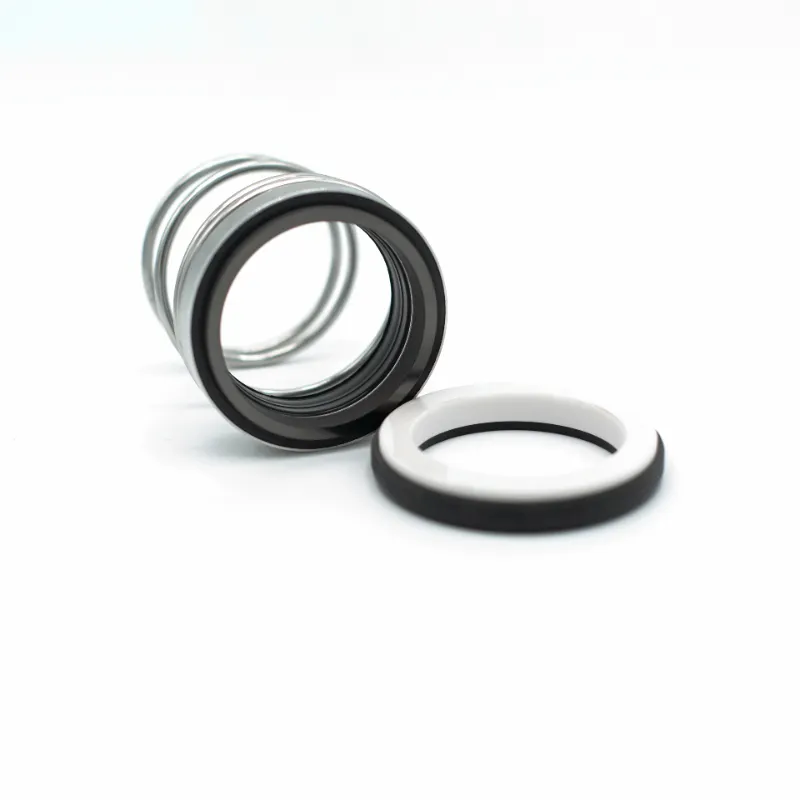
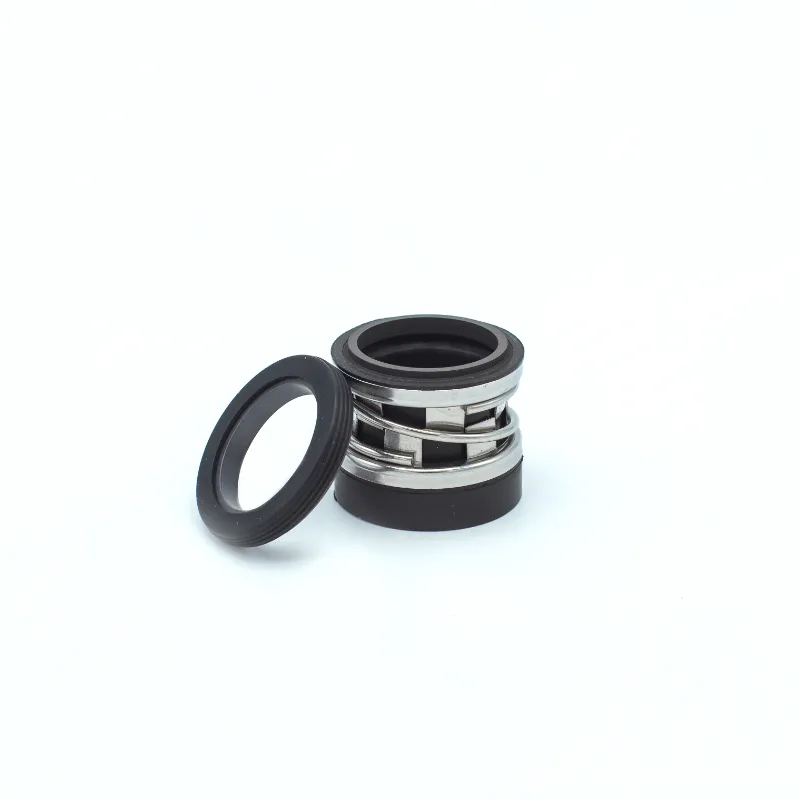
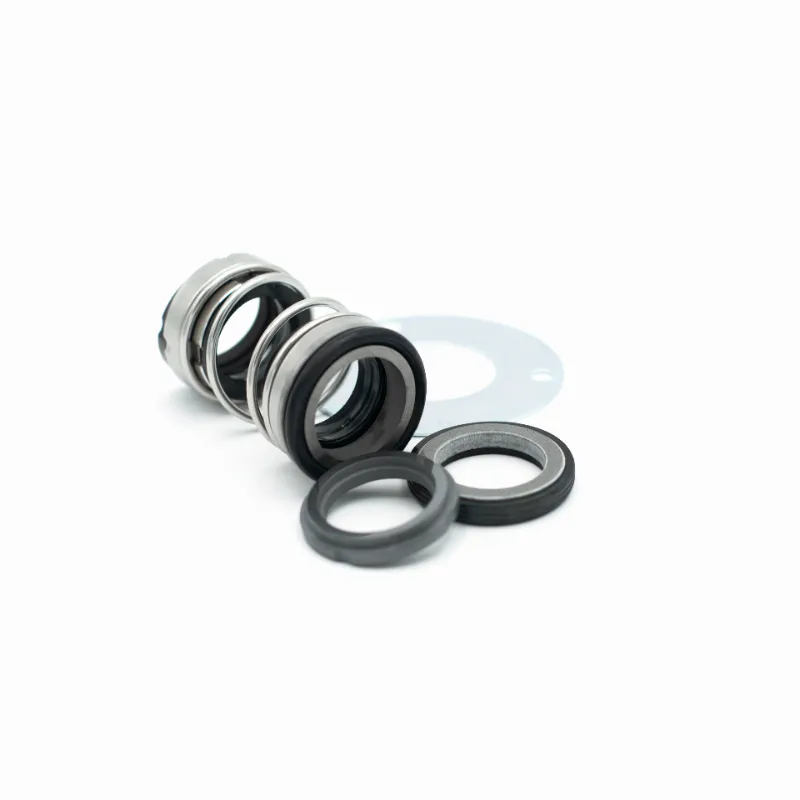
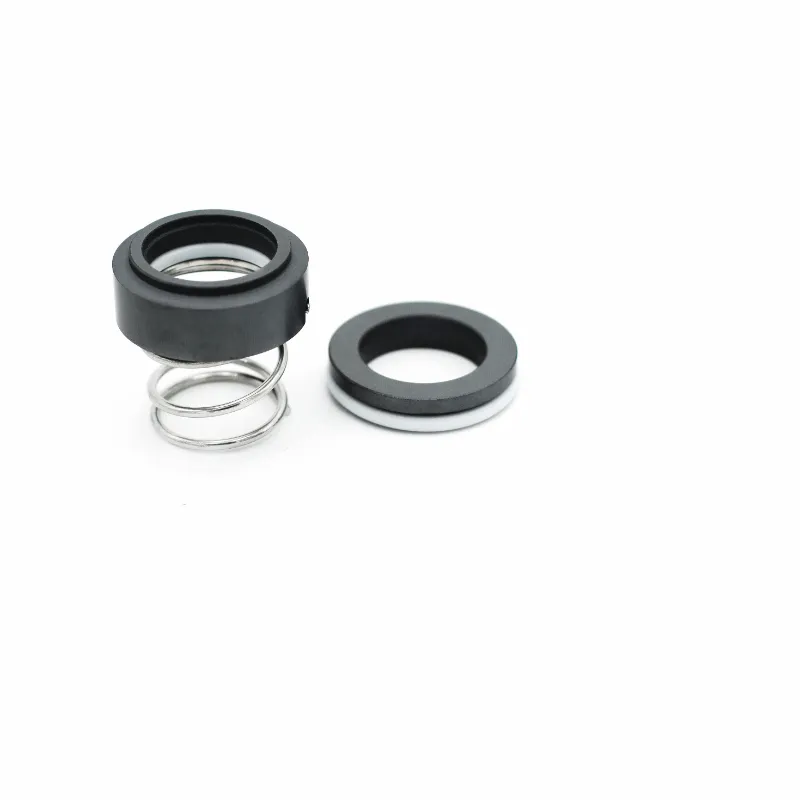
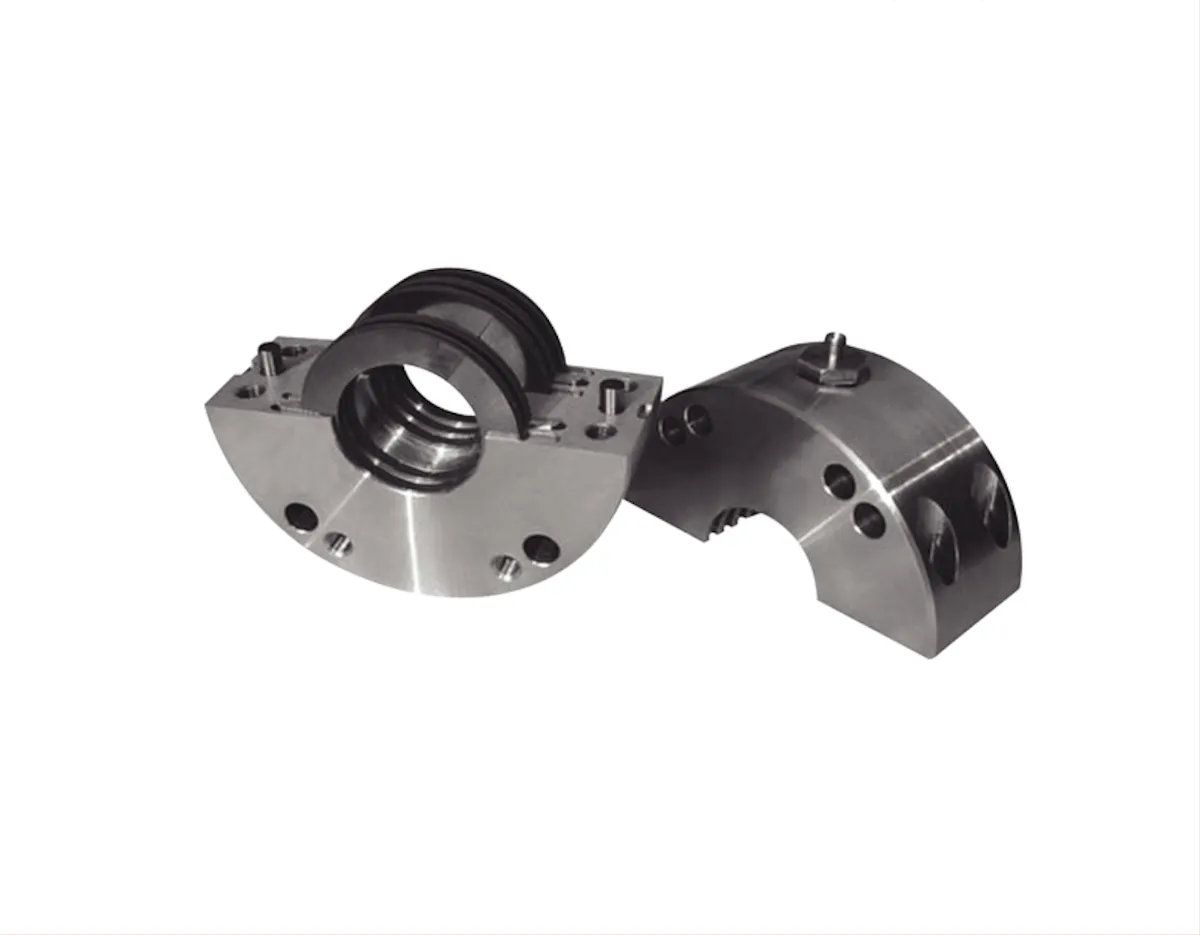
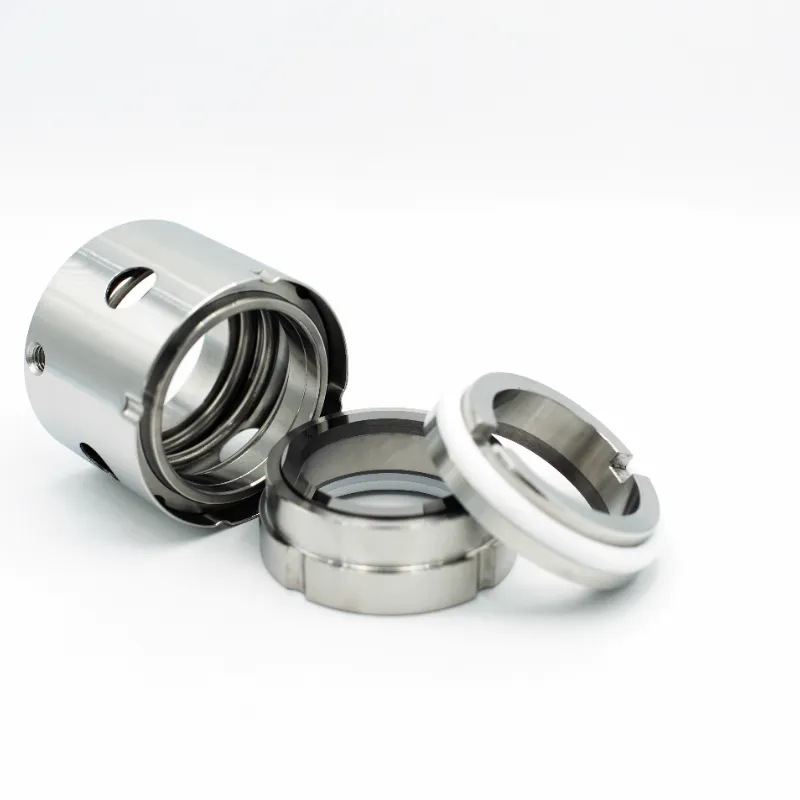
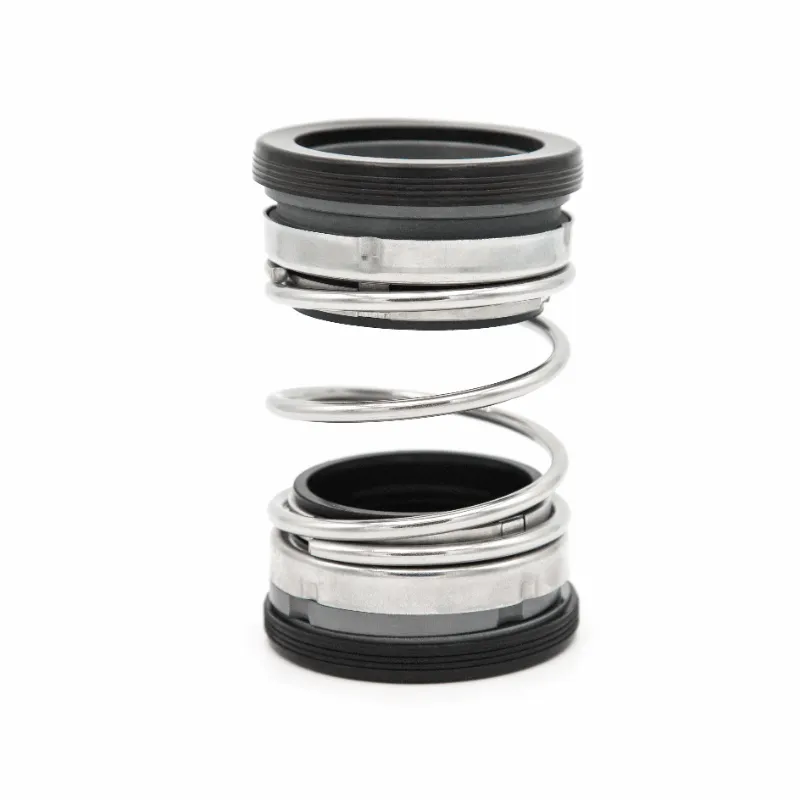
Mechanical seals for marine applications represent critical components that ensure the reliable operation of various shipboard systems and equipment. These specialized sealing solutions are specifically engineered to withstand the harsh conditions encountered in maritime environments, including saltwater exposure, extreme temperatures, high pressures, and constant vibration. Marine mechanical seals serve the fundamental purpose of preventing fluid leakage between rotating and stationary components in pumps, propulsion systems, winches, and other rotating machinery aboard vessels. The primary function of these seals involves creating a dynamic barrier that maintains system integrity while allowing for necessary shaft rotation. Unlike static seals, marine mechanical seals must accommodate continuous movement while preventing the ingress of seawater and the egress of lubricants or other critical fluids. The technological features of mechanical seals for marine applications include advanced face materials such as silicon carbide, tungsten carbide, and specialized ceramic compositions that resist corrosion and wear. These materials are carefully selected based on their compatibility with seawater and their ability to maintain sealing effectiveness under varying operational conditions. The seal faces are precision-machined to achieve optimal flatness and surface finish, ensuring consistent contact and minimal leakage. Secondary sealing elements, typically manufactured from EPDM, Viton, or other marine-grade elastomers, provide additional protection against environmental factors. Spring-loaded designs maintain proper face contact pressure throughout the operational lifecycle, compensating for wear and thermal expansion. Applications for mechanical seals for marine applications span across numerous shipboard systems, including seawater cooling pumps, ballast pumps, fire fighting systems, cargo handling equipment, steering gear, and propulsion shaft sealing systems. These seals are essential in commercial vessels, naval ships, offshore platforms, fishing boats, and recreational craft, where equipment reliability directly impacts operational safety and efficiency.
 EN
EN