mechanical seal engineering
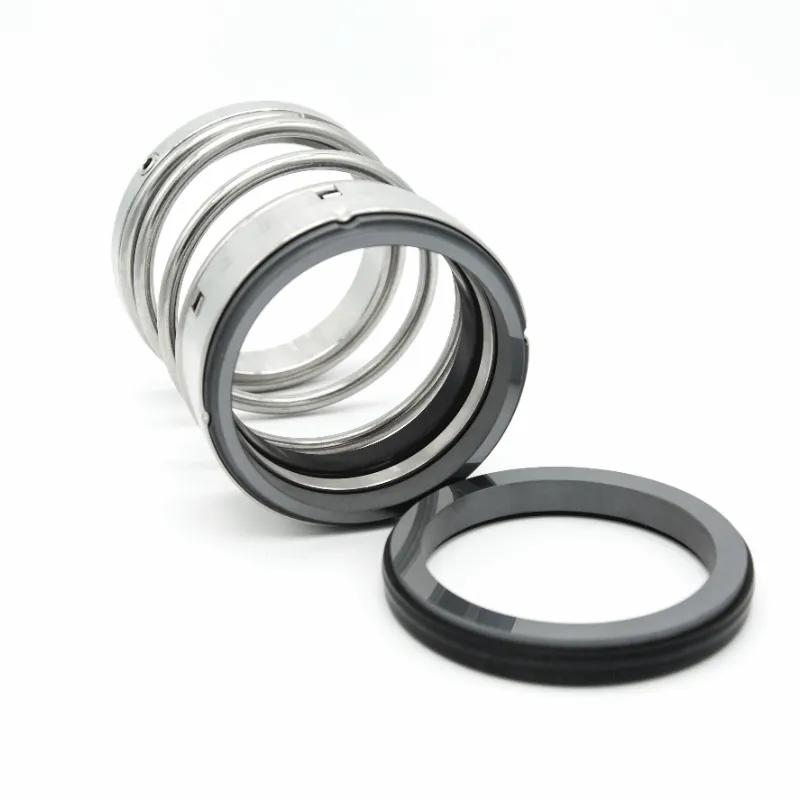
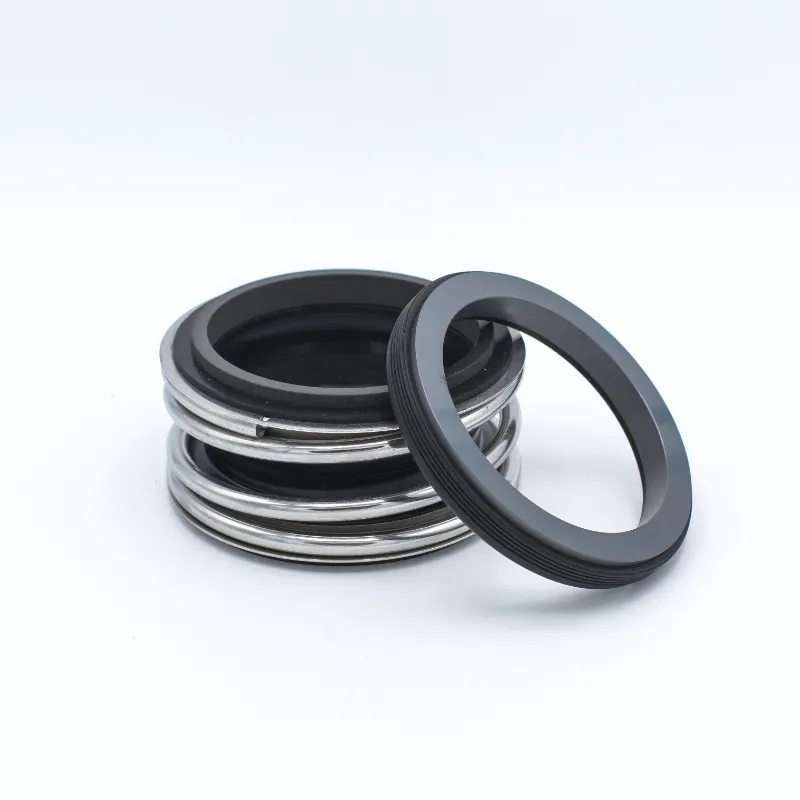
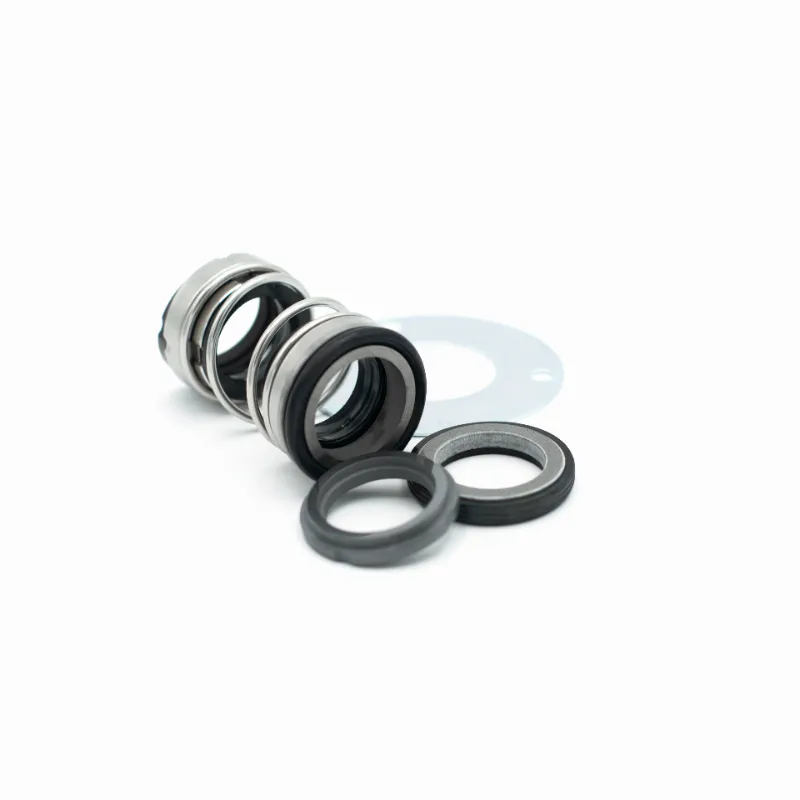
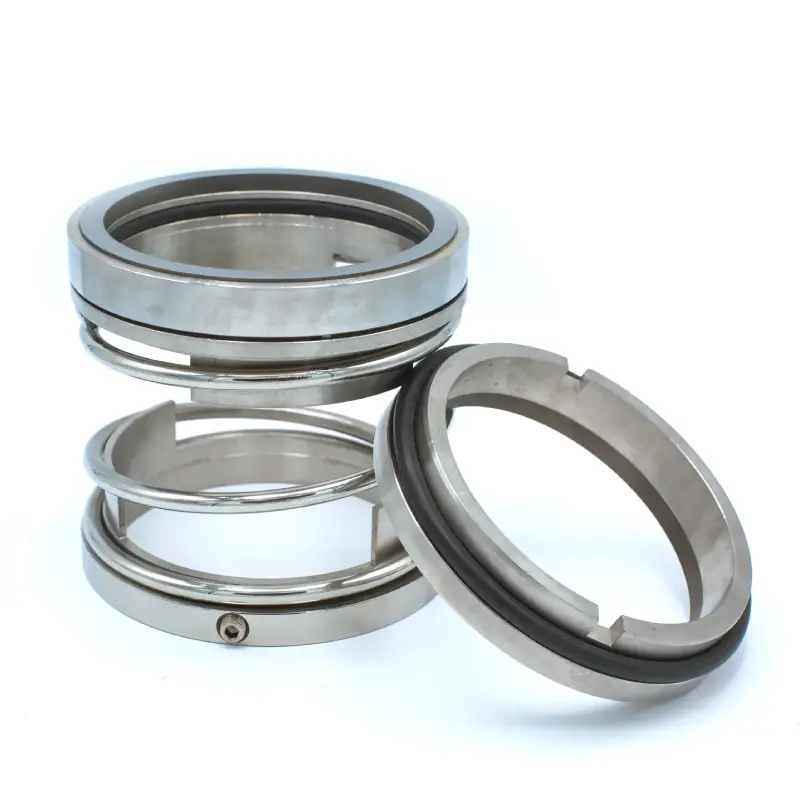
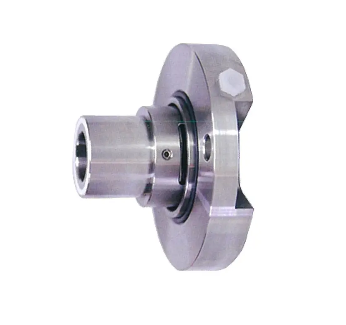
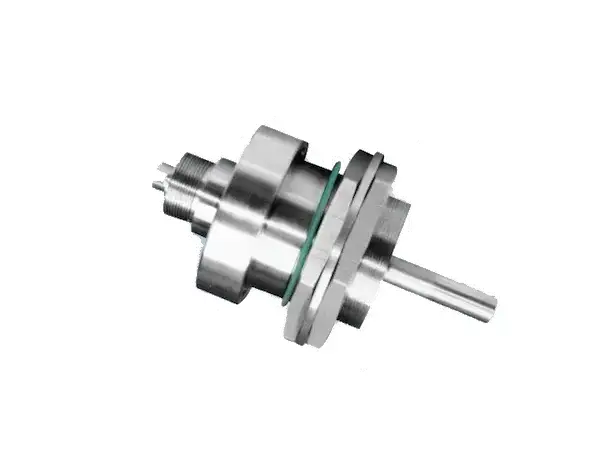
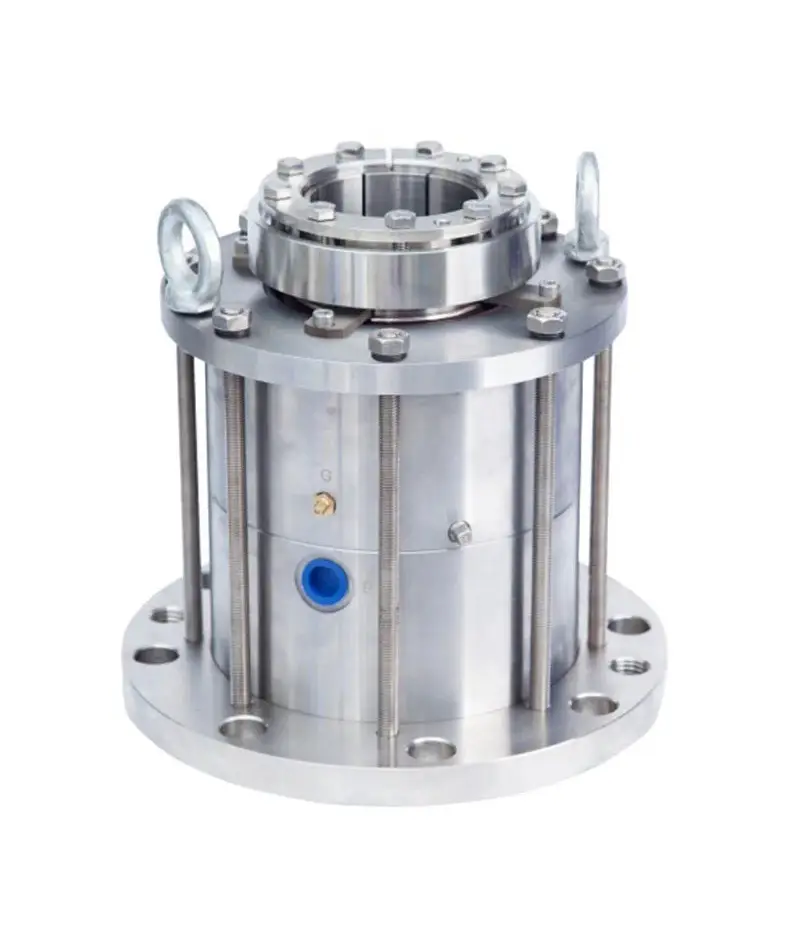
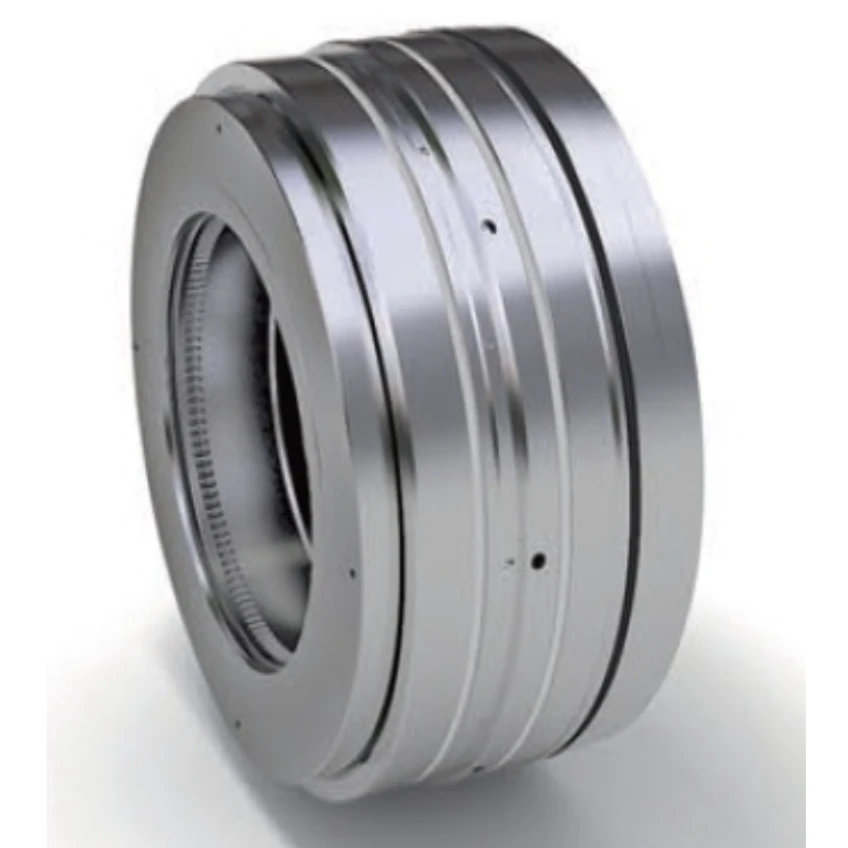
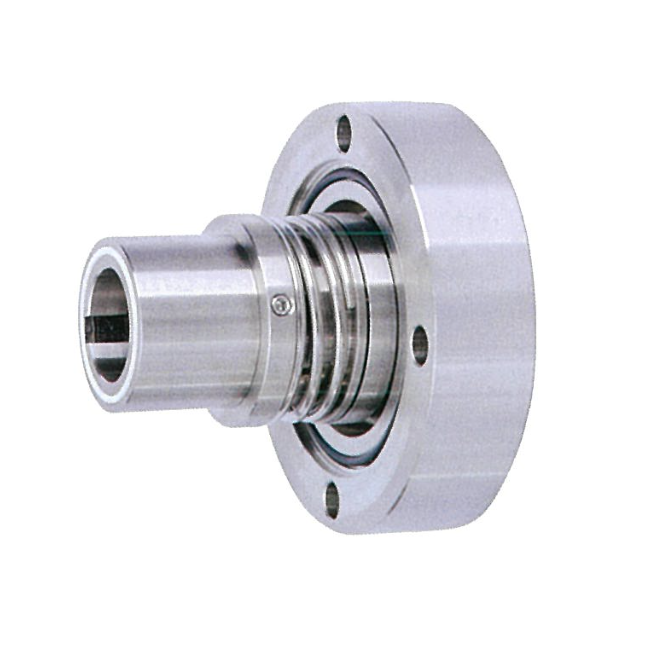
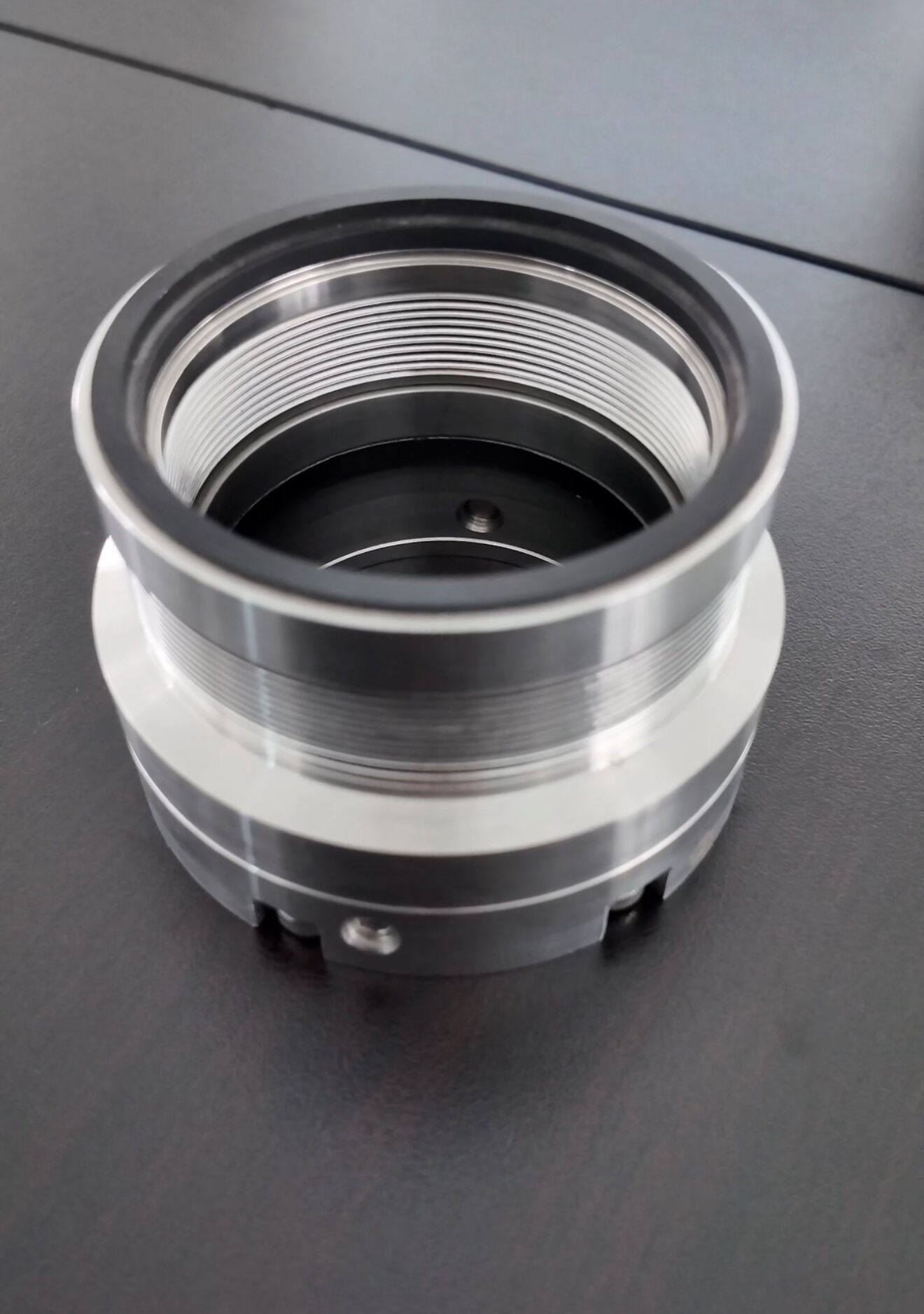
Mechanical seal engineering represents a critical discipline within industrial fluid management, focusing on the design, development, and optimization of sealing systems that prevent leakage between rotating and stationary components in machinery. This specialized field combines materials science, fluid dynamics, and precision manufacturing to create reliable barriers that maintain system integrity while allowing rotational movement. The core function of mechanical seal engineering involves creating a controlled interface between two surfaces, typically one rotating and one stationary, where a thin film of fluid provides lubrication and cooling while preventing significant leakage. The technological features of modern mechanical seal engineering include advanced face materials such as silicon carbide, tungsten carbide, and specialized ceramics that offer exceptional wear resistance and thermal stability. These systems incorporate sophisticated spring mechanisms, O-rings, and gaskets that maintain proper contact pressure and accommodate thermal expansion and shaft movement. Secondary sealing elements work in conjunction with primary sealing faces to provide multiple barriers against fluid escape. The engineering process involves careful consideration of operating conditions including pressure, temperature, rotational speed, and fluid characteristics to select appropriate materials and configurations. Applications span across numerous industries including chemical processing, oil and gas, power generation, water treatment, pharmaceutical manufacturing, and marine systems. In chemical plants, mechanical seal engineering ensures safe containment of hazardous substances while maintaining operational efficiency. Power generation facilities rely on these systems for steam turbines, cooling pumps, and fuel handling equipment. The automotive industry utilizes mechanical seal engineering in water pumps, transmission systems, and air conditioning compressors. Food and beverage processing requires sanitary designs that meet strict hygiene standards while providing reliable sealing performance. Each application demands specific engineering considerations including compatibility with process fluids, environmental regulations, maintenance requirements, and operational reliability standards that mechanical seal engineering addresses through systematic design approaches and continuous innovation.
 EN
EN