API 682 Mechanical Seals: Advanced Industrial Sealing Solutions for Critical Applications

Get a Free Quote

Our representative will contact you soon.
Email
Name
Company Name
Message
0/1000

API 682 Mechanical Seals

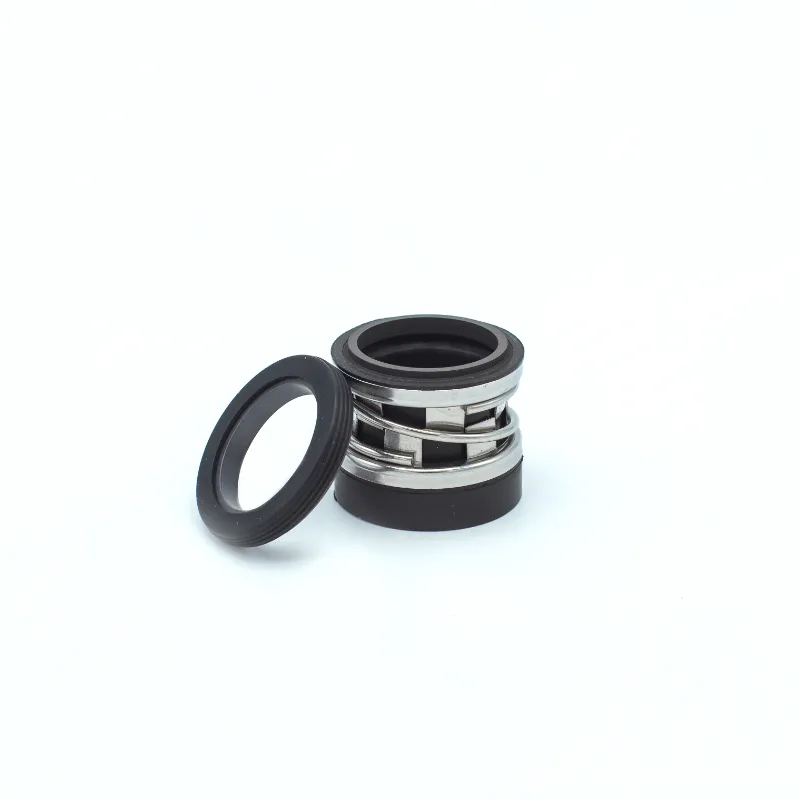
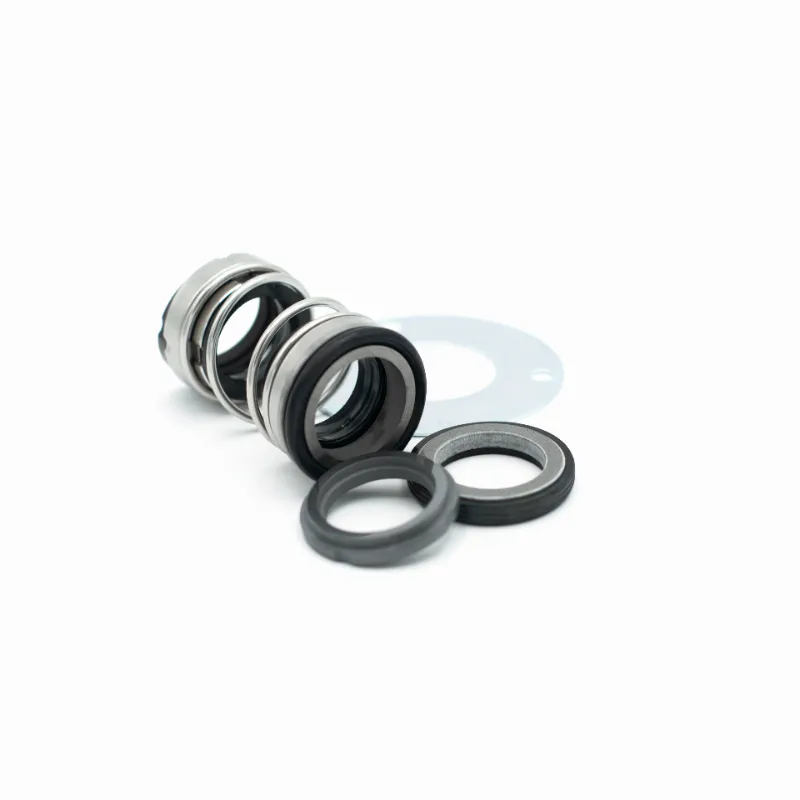
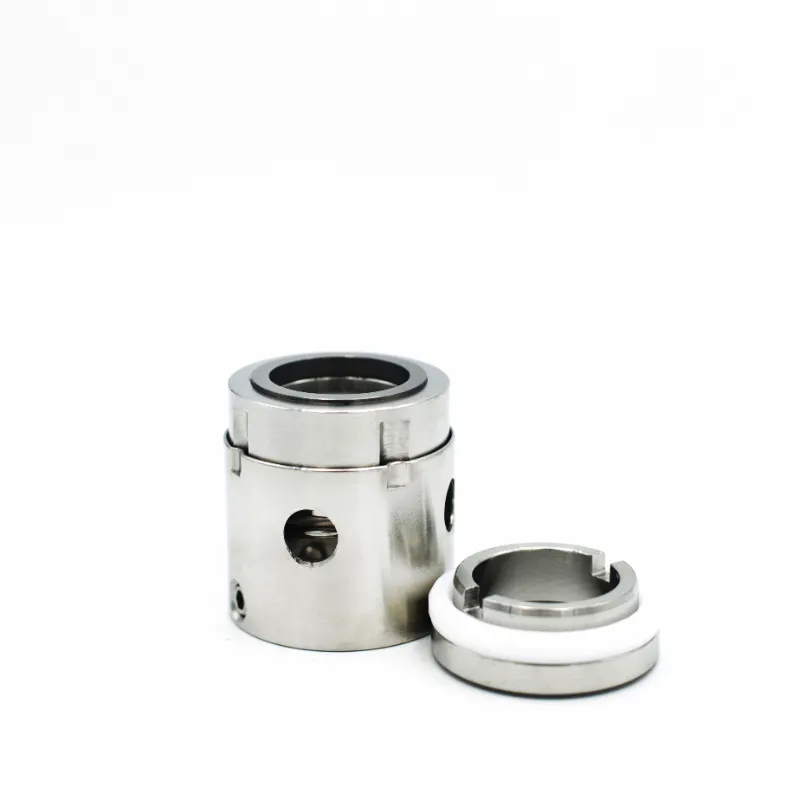
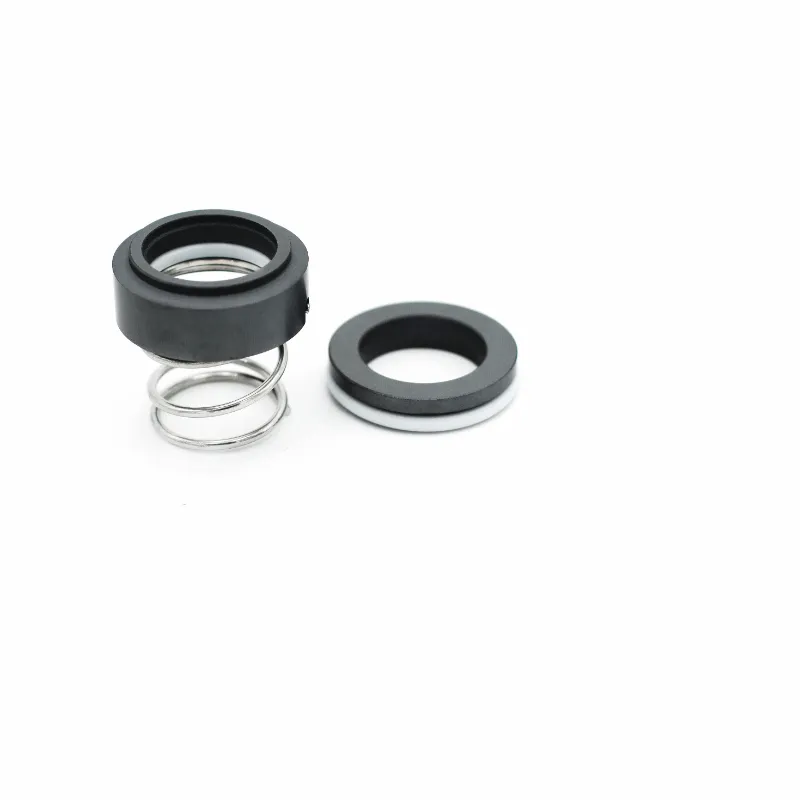
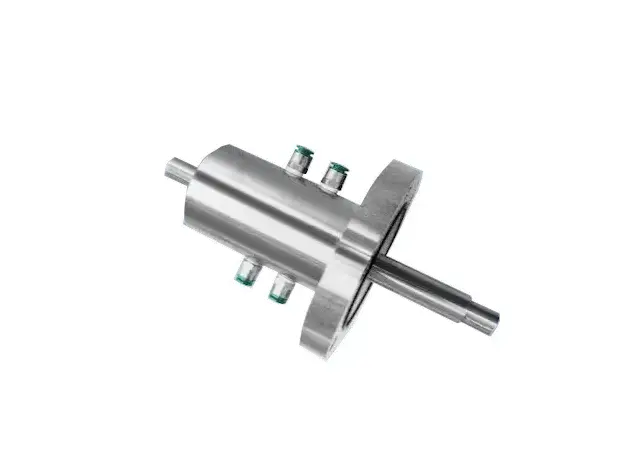
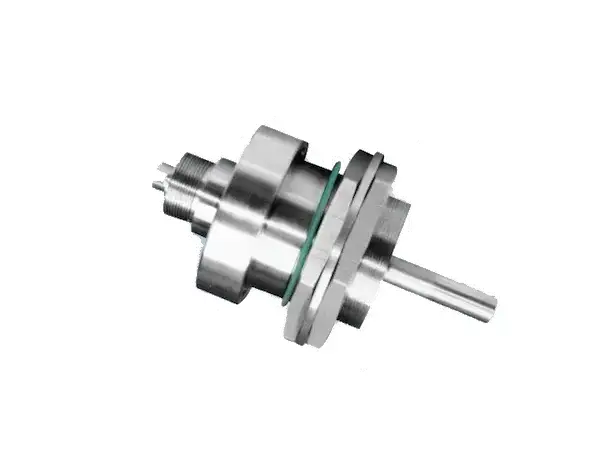
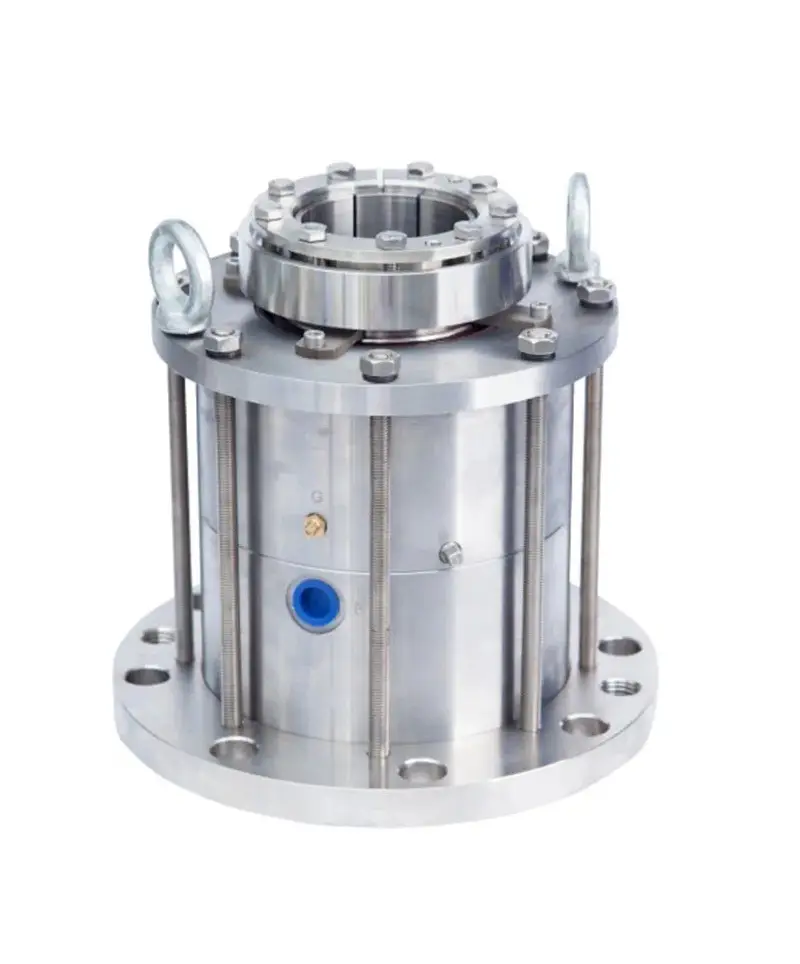
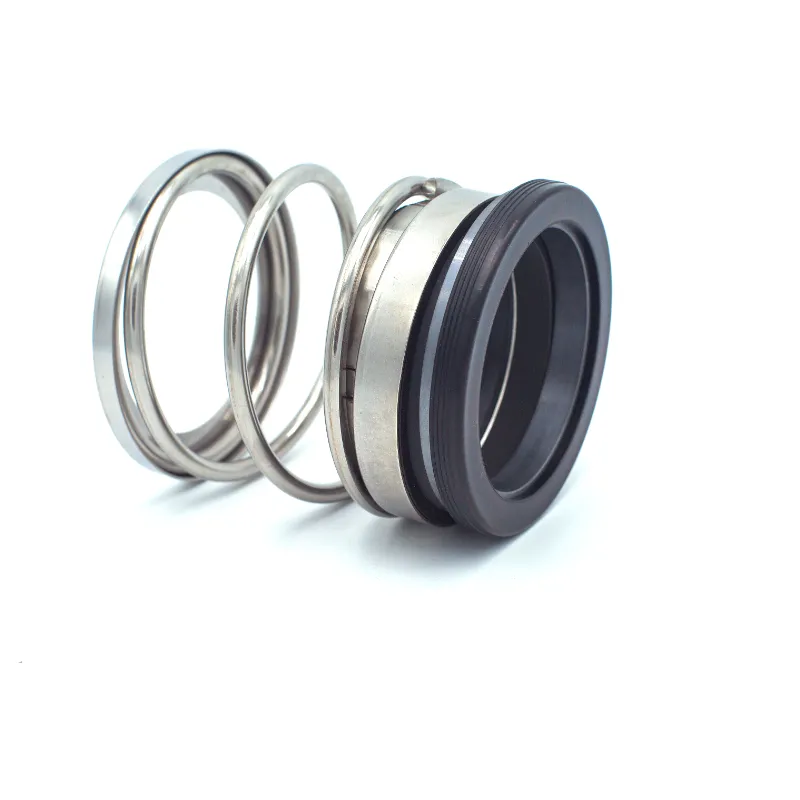
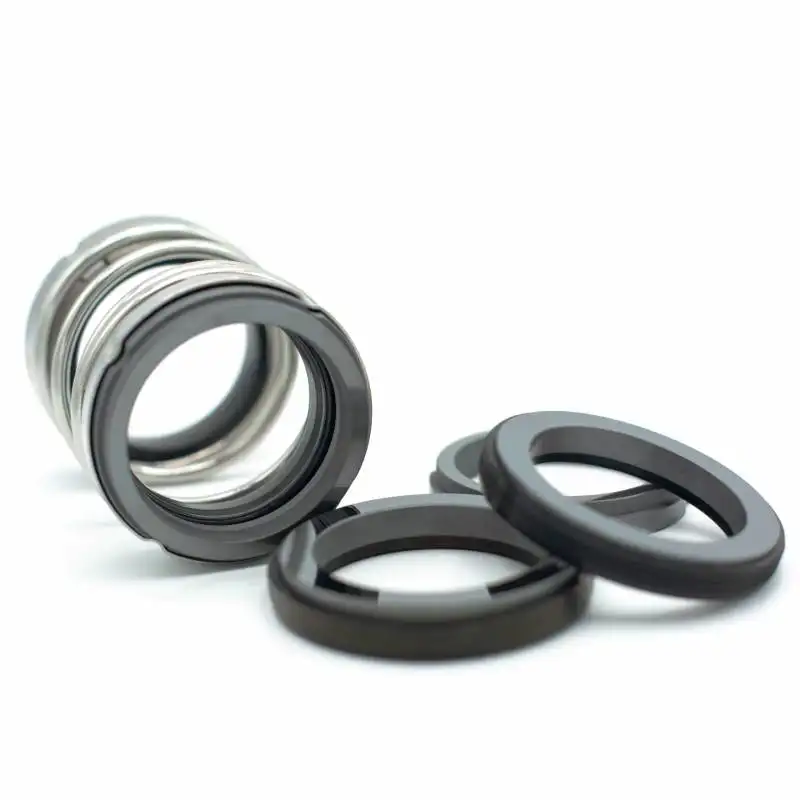
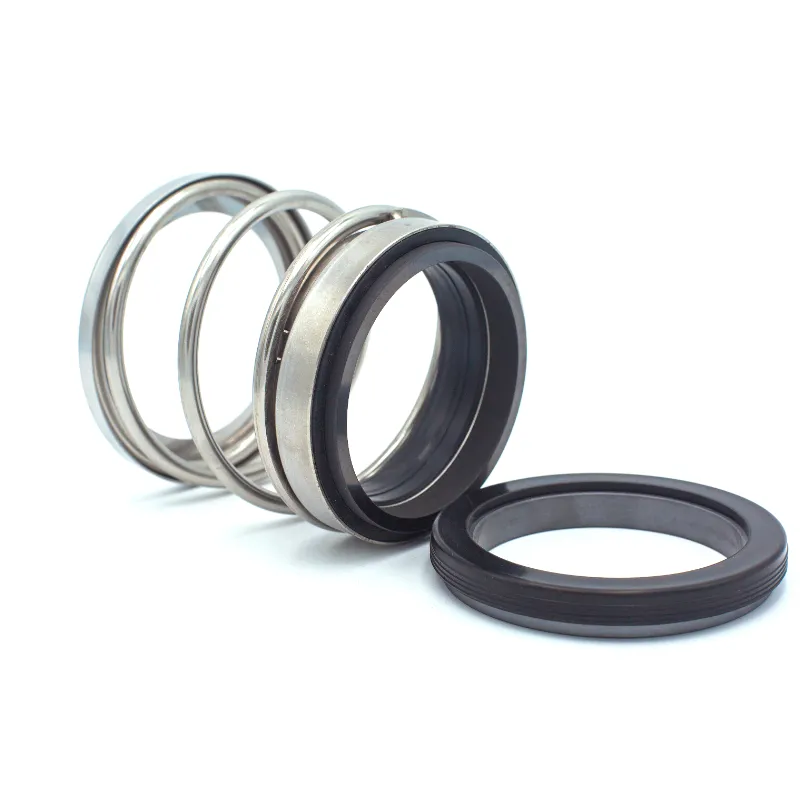
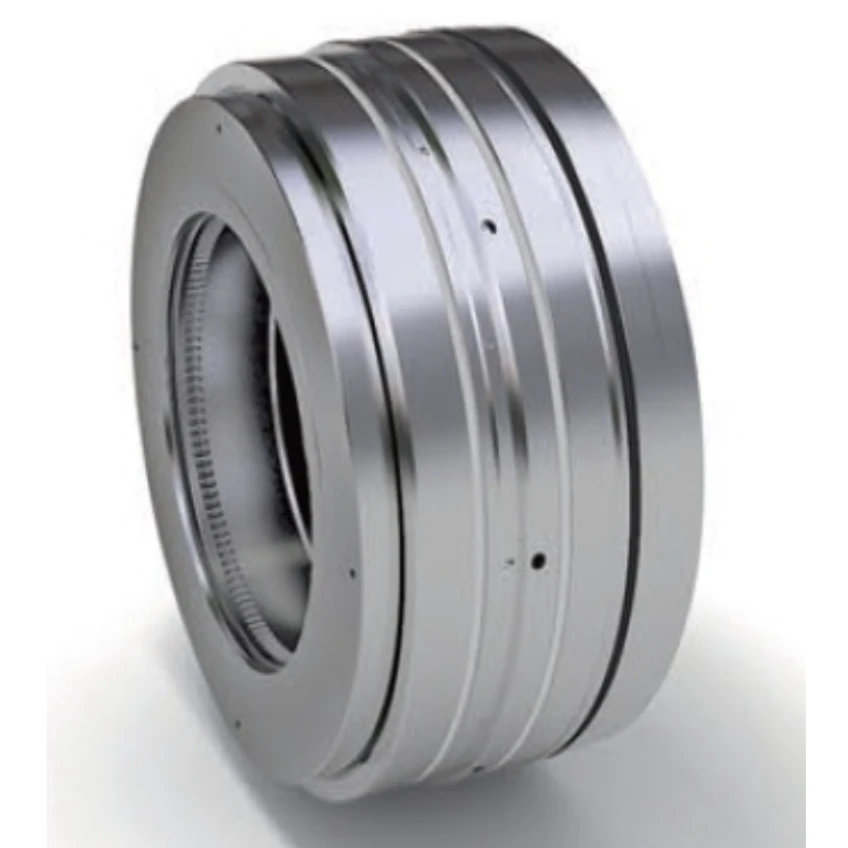
API 682 Mechanical Seals represent the pinnacle of industrial sealing technology, specifically designed to meet the stringent requirements of the American Petroleum Institute's standard for shaft sealing systems in centrifugal and rotary pumps. These advanced mechanical seals serve as critical components in preventing fluid leakage while maintaining operational efficiency across diverse industrial applications. The primary function of API 682 Mechanical Seals centers on creating a reliable barrier between rotating and stationary pump components, effectively containing process fluids within the system while preventing contamination and environmental exposure. The technological foundation of API 682 Mechanical Seals incorporates sophisticated engineering principles that address the complex challenges of modern industrial operations. These seals feature dual containment systems, advanced materials science, and precise manufacturing tolerances that ensure consistent performance under extreme operating conditions. The dual seal configuration provides primary and secondary sealing barriers, offering redundant protection against catastrophic failures. The technological architecture includes specialized face materials such as silicon carbide, tungsten carbide, and ceramic composites that deliver exceptional wear resistance and chemical compatibility. Temperature management systems within API 682 Mechanical Seals utilize barrier fluid circulation and heat dissipation mechanisms to maintain optimal operating temperatures. The seals incorporate advanced monitoring capabilities, including pressure sensors and temperature gauges, enabling real-time performance assessment and predictive maintenance scheduling. Applications for API 682 Mechanical Seals span numerous industries including petrochemical processing, oil refining, chemical manufacturing, pharmaceutical production, and power generation facilities. These seals excel in handling aggressive chemicals, high-temperature fluids, and corrosive media where traditional sealing solutions prove inadequate. The versatility of API 682 Mechanical Seals makes them suitable for pumping applications involving hydrocarbons, acids, caustics, and other challenging process fluids that demand superior containment reliability and operational longevity.

New Product Releases

API 682 Mechanical Seals deliver exceptional operational benefits that directly impact your facility's productivity and profitability. These seals significantly reduce maintenance costs by extending service intervals and minimizing unplanned downtime. The robust design of API 682 Mechanical Seals eliminates frequent seal replacements, allowing your operations to run continuously for extended periods without interruption. This reliability translates into substantial cost savings through reduced labor expenses, decreased spare parts inventory, and improved overall equipment effectiveness. The enhanced safety features of API 682 Mechanical Seals protect your workforce and environment from hazardous fluid exposure. The dual barrier system prevents dangerous chemicals from escaping into the workplace, creating a safer operating environment and ensuring compliance with environmental regulations. This safety enhancement reduces liability risks and helps maintain your company's reputation for responsible operations. Energy efficiency represents another significant advantage of API 682 Mechanical Seals. These seals minimize friction losses compared to traditional packing solutions, reducing the power consumption of your pumping systems. Lower energy requirements translate directly into reduced operating costs and improved environmental sustainability metrics for your facility. The precision engineering of API 682 Mechanical Seals ensures minimal process fluid loss, which becomes particularly valuable when handling expensive or hazardous materials. Reduced fluid loss means lower raw material costs and decreased waste disposal expenses. The seals also maintain system pressure integrity, optimizing pump performance and extending equipment life. Installation flexibility allows API 682 Mechanical Seals to retrofit existing pump systems without major modifications, making upgrades cost-effective and minimally disruptive. The standardized design ensures compatibility across various pump manufacturers and models, simplifying inventory management and reducing procurement complexity. Monitoring capabilities built into API 682 Mechanical Seals enable proactive maintenance strategies. Real-time performance data helps you schedule maintenance during planned shutdowns rather than responding to emergency failures. This predictive approach maximizes equipment availability and prevents costly production losses. The chemical resistance properties of API 682 Mechanical Seals handle aggressive media that would quickly destroy conventional sealing solutions, making them ideal for challenging applications where seal failure could result in significant operational disruption or safety hazards.

Latest News

Why Choose Welded Metal Bellow Seals for Your Plant?

27

Jun

Why Choose Welded Metal Bellow Seals for Your Plant?

Technical Advantages of Welded Metal Bellow Seals Superior Reliability in Extreme Conditions Welded metal bellow seals are renowned for their reliability under extreme conditions. They are engineered to operate efficiently in high-pressure and tempe...
View More
Choosing the Right Agitator Seal for High-Viscosity Mixing

21

Jul

Choosing the Right Agitator Seal for High-Viscosity Mixing

Ensuring Performance in High-Viscosity Mixing Applications In industrial mixing processes involving high-viscosity fluids, reliable sealing is a fundamental requirement. The dynamic conditions in such systems—marked by increased torque, intense...
View More
Avoiding Downtime: Seal Solutions for Top-Entry Agitators

21

Jul

Avoiding Downtime: Seal Solutions for Top-Entry Agitators

Maximizing Equipment Availability in Industrial Mixing Systems Industrial processes rely heavily on consistent performance, particularly in sectors such as chemical manufacturing, food production, and pharmaceuticals. One of the most critical compone...
View More
Cartridge Mechanical Seal Solutions for Zero-Error Maintenance

22

Dec

Cartridge Mechanical Seal Solutions for Zero-Error Maintenance

Industrial pump systems operate under extreme conditions where even minor seal failures can result in catastrophic downtime and costly repairs. The cartridge mechanical seal represents a revolutionary advancement in sealing technology, offering super...
View More

Get a Free Quote

Our representative will contact you soon.
Email
Name
Company Name
Country/Region
Message
0/1000

API 682 Mechanical Seals

Advanced Dual Barrier Protection System

Advanced Dual Barrier Protection System

The cornerstone feature of API 682 Mechanical Seals lies in their sophisticated dual barrier protection system, which revolutionizes industrial sealing reliability and safety standards. This innovative design incorporates both primary and secondary sealing elements that work in tandem to provide unprecedented protection against fluid leakage and system contamination. The primary seal serves as the first line of defense, utilizing advanced face materials and precision-engineered sealing surfaces to maintain fluid containment under normal operating conditions. Should the primary seal experience wear or damage, the secondary barrier immediately activates, preventing catastrophic fluid loss and maintaining system integrity. This redundant protection system transforms equipment reliability by virtually eliminating the risk of sudden seal failure that could result in environmental incidents, safety hazards, or costly production shutdowns. The barrier fluid system within API 682 Mechanical Seals creates an additional layer of protection by circulating a compatible fluid between the primary and secondary seals. This barrier fluid serves multiple critical functions including lubrication, cooling, and contamination prevention. The system maintains positive pressure differential that prevents process fluid migration while providing essential lubrication to seal faces, significantly extending operational life. Advanced monitoring systems continuously track barrier fluid pressure, temperature, and flow rates, enabling operators to detect potential issues before they develop into serious problems. The dual barrier configuration proves particularly valuable in applications involving toxic, flammable, or environmentally sensitive fluids where any leakage could have severe consequences. Industries handling hazardous chemicals, petroleum products, or pharmaceutical compounds rely on this dual protection system to maintain regulatory compliance and protect worker safety. The system's ability to contain aggressive media while providing early warning of potential seal deterioration makes API 682 Mechanical Seals indispensable for critical applications where reliability cannot be compromised.
Superior Material Science and Chemical Compatibility

Superior Material Science and Chemical Compatibility

API 682 Mechanical Seals showcase cutting-edge material science through their utilization of advanced face materials and elastomeric components specifically engineered to withstand the most challenging industrial environments. The seal faces incorporate premium materials such as silicon carbide, tungsten carbide, ceramic composites, and specialized carbon graphite formulations that deliver exceptional wear resistance, thermal stability, and chemical inertness. These materials undergo rigorous testing and selection processes to ensure optimal performance across diverse operating conditions and fluid types. Silicon carbide faces provide outstanding hardness and corrosion resistance, making them ideal for abrasive applications and aggressive chemical environments. Tungsten carbide offers superior durability for high-pressure applications and extreme temperature conditions, while ceramic composites deliver excellent thermal shock resistance and dimensional stability. The material selection process for API 682 Mechanical Seals considers factors including fluid compatibility, temperature extremes, pressure requirements, and abrasive particle content to optimize seal performance and longevity. Secondary seal materials utilize advanced fluoroelastomers and perfluoroelastomers that maintain flexibility and sealing integrity across wide temperature ranges while resisting chemical degradation from aggressive process fluids. These elastomeric components undergo specialized compound formulations to achieve optimal balance between sealing effectiveness and chemical resistance. The material science advances in API 682 Mechanical Seals enable operation with corrosive acids, caustic solutions, organic solvents, and hydrocarbon compounds that would rapidly destroy conventional sealing materials. This chemical compatibility eliminates the need for frequent seal replacements and reduces maintenance costs while ensuring reliable containment of valuable or hazardous process fluids. Manufacturing processes for these materials incorporate strict quality control measures including material traceability, mechanical property verification, and chemical resistance testing to guarantee consistent performance characteristics. The investment in premium materials pays dividends through extended service life, reduced maintenance requirements, and enhanced operational reliability that justifies the initial cost through long-term value creation.
Intelligent Monitoring and Predictive Maintenance Capabilities

Intelligent Monitoring and Predictive Maintenance Capabilities

API 682 Mechanical Seals integrate sophisticated monitoring and diagnostic capabilities that transform traditional reactive maintenance approaches into proactive, data-driven strategies that maximize equipment reliability and operational efficiency. These intelligent sealing systems incorporate multiple sensors and monitoring points that continuously track critical performance parameters including seal chamber pressure, barrier fluid flow rates, temperature variations, and vibration patterns. Advanced instrumentation panels provide real-time visibility into seal condition and performance trends, enabling operators to make informed decisions about maintenance timing and operational adjustments. The monitoring systems utilize pressure transducers to detect minute changes in seal chamber conditions that could indicate developing issues such as seal face wear, barrier fluid contamination, or system misalignment. Temperature sensors track thermal conditions across critical seal components, providing early warning of excessive heat generation that could lead to premature failure or performance degradation. Flow monitoring systems ensure proper barrier fluid circulation while detecting restrictions or leakage that might compromise seal effectiveness. Data logging capabilities within API 682 Mechanical Seals create comprehensive performance histories that support trending analysis and predictive maintenance scheduling. This historical data enables maintenance teams to identify patterns and optimize service intervals based on actual operating conditions rather than arbitrary time-based schedules. The integration of smart monitoring technology reduces maintenance costs by extending service intervals and preventing unexpected failures that could result in costly emergency repairs or production losses. Alarm systems provide immediate notification of critical parameter excursions, allowing operators to take corrective action before minor issues escalate into major problems. Remote monitoring capabilities enable centralized oversight of multiple sealing systems across large facilities or distributed operations, improving maintenance efficiency and resource utilization. The predictive maintenance benefits of API 682 Mechanical Seals extend beyond cost savings to include improved safety through early detection of potential hazards and enhanced environmental protection through prevention of fluid releases. This intelligent approach to seal monitoring represents a significant advancement in industrial maintenance practices that delivers measurable returns on investment through improved equipment availability and reduced lifecycle costs.

Get a Free Quote

Our representative will contact you soon.
Email
Name
Company Name
Country/Region
Message
0/1000