Dry Seal Price: Complete Guide to Cost-Effective Industrial Sealing Solutions

Get a Free Quote

Our representative will contact you soon.
Email
Name
Company Name
Message
0/1000

dry seal price

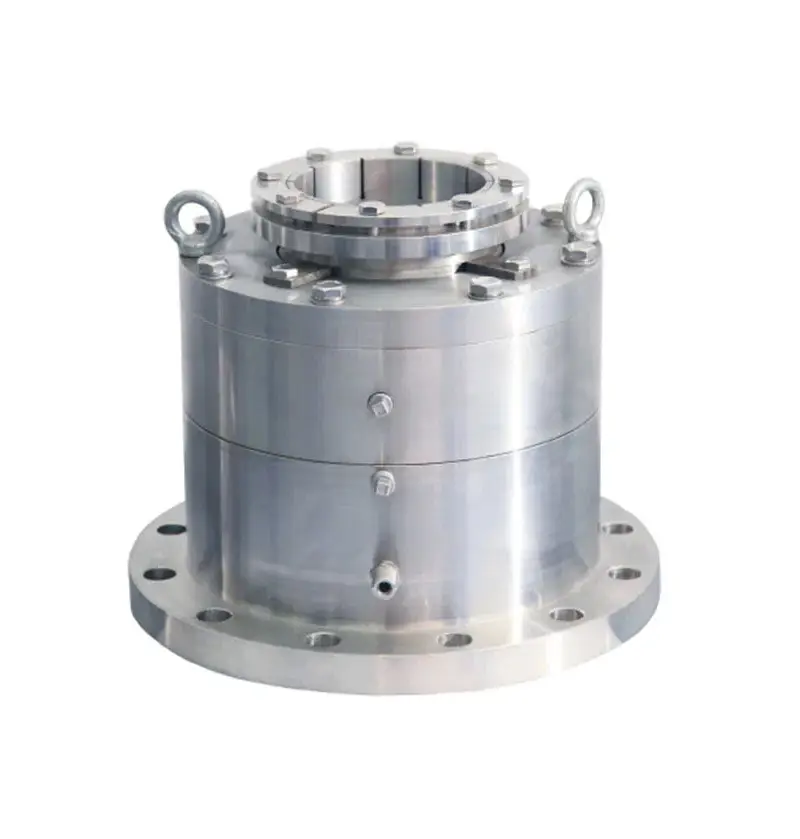
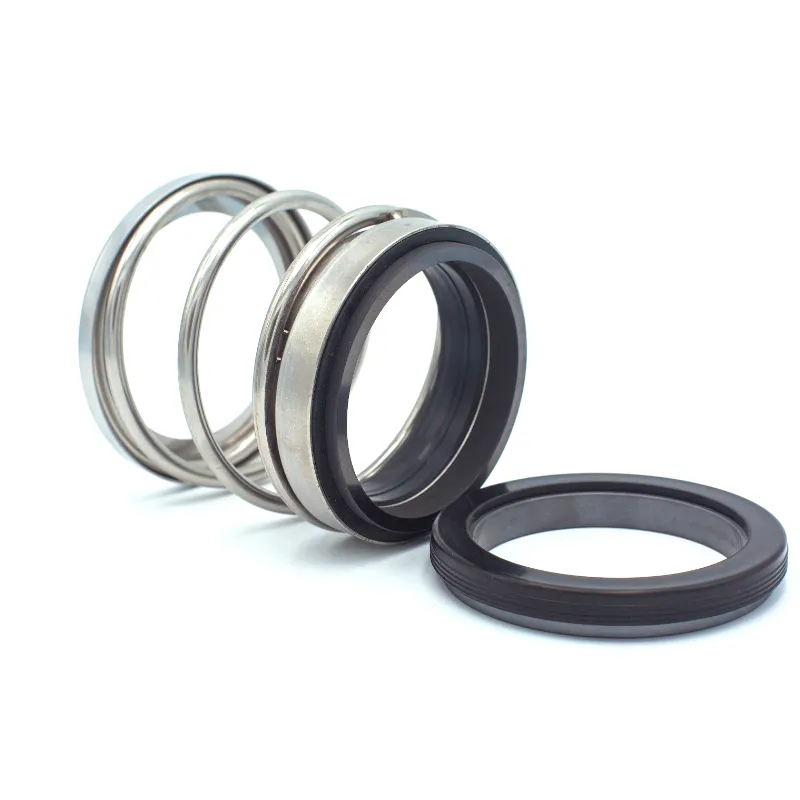
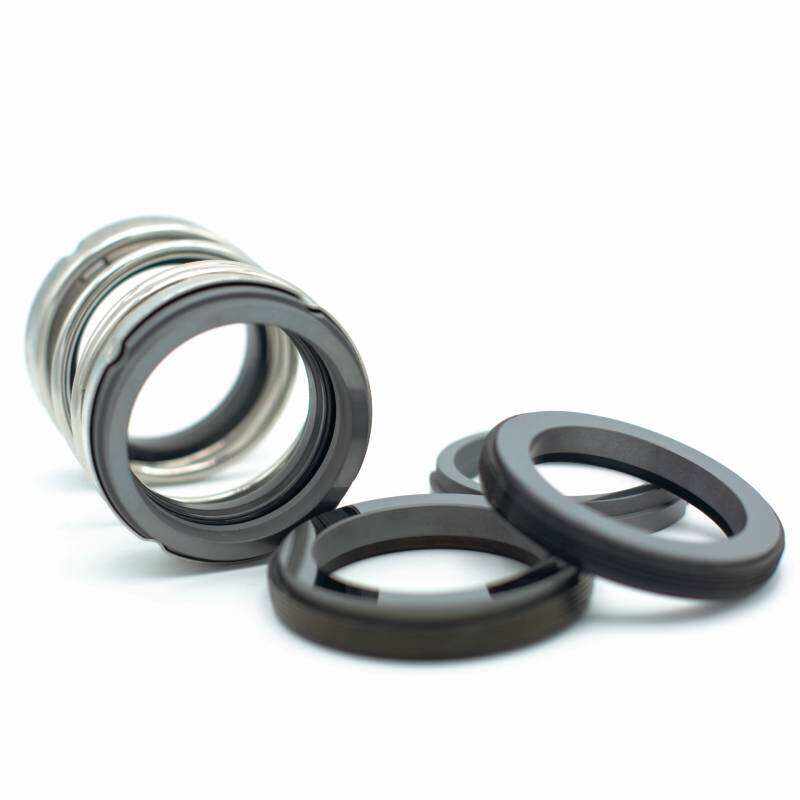
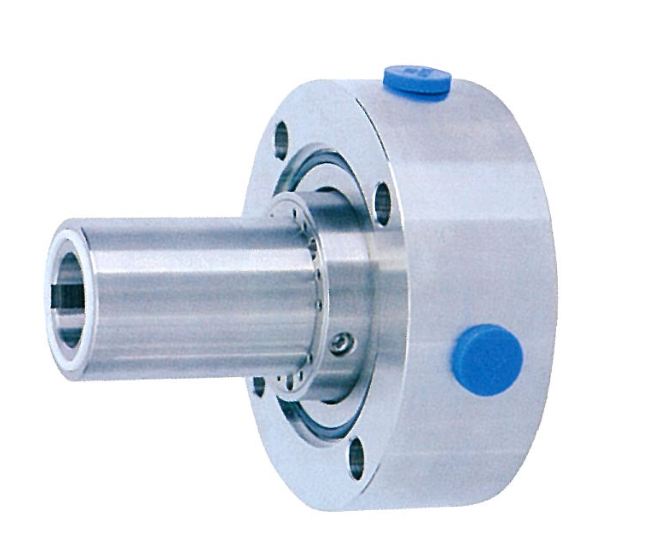
The dry seal price represents a significant investment in advanced sealing technology that delivers exceptional performance across various industrial applications. Understanding the dry seal price involves examining the comprehensive value proposition of these sophisticated mechanical components that operate without traditional liquid lubrication systems. Dry seals utilize gas or vapor as the primary sealing medium, eliminating the need for oil or other liquid lubricants that can contaminate processes or require extensive maintenance protocols. The dry seal price reflects the engineering complexity and precision manufacturing required to produce these high-performance sealing solutions. These seals incorporate advanced materials such as carbon graphite, silicon carbide, and specialized coatings that withstand extreme temperatures, pressures, and corrosive environments. The technological features embedded in dry seal systems include self-aligning capabilities, automatic pressure compensation, and enhanced wear resistance that extends operational lifespan significantly. Industrial applications for dry seals span across petrochemical processing, pharmaceutical manufacturing, food production, semiconductor fabrication, and aerospace systems where contamination prevention is critical. The dry seal price structure accounts for research and development investments, specialized manufacturing processes, and rigorous quality testing procedures that ensure reliable performance. These sealing systems feature modular designs that facilitate installation, maintenance, and replacement procedures, reducing overall lifecycle costs despite higher initial investment. Advanced monitoring capabilities integrated into modern dry seal designs provide real-time performance data, enabling predictive maintenance strategies that minimize unplanned downtime. The dry seal price also encompasses technical support services, including installation guidance, performance optimization, and troubleshooting assistance that maximizes return on investment. Environmental benefits associated with dry seals include reduced emissions, elimination of lubricant disposal requirements, and improved energy efficiency that supports sustainability initiatives. When evaluating dry seal price considerations, customers must assess total cost of ownership including reduced maintenance expenses, extended operational intervals, and improved process reliability that delivers long-term value.

New Product Releases

The dry seal price delivers substantial advantages that make these systems an intelligent investment for demanding industrial applications. First, the elimination of liquid lubricants provides immediate cost savings through reduced consumable expenses and simplified maintenance procedures. Traditional wet seals require regular oil changes, filtration system maintenance, and lubricant disposal costs that accumulate over operational periods. The dry seal price structure reflects these long-term savings by offering lower total ownership costs despite higher initial investment requirements. Second, enhanced process purity represents a critical advantage where the dry seal price delivers exceptional value. Industries such as pharmaceutical manufacturing, food processing, and semiconductor production cannot tolerate lubricant contamination that compromises product quality or regulatory compliance. Dry seals eliminate contamination risks entirely, ensuring process integrity and reducing costly product rejections or regulatory violations. Third, improved reliability significantly impacts operational efficiency where the dry seal price investment pays dividends through reduced downtime. These systems operate continuously for extended periods without requiring maintenance interventions that disrupt production schedules. The robust design handles temperature fluctuations, pressure variations, and corrosive media exposure without performance degradation. Fourth, environmental compliance benefits justify the dry seal price through elimination of lubricant emissions and disposal requirements. Regulatory agencies increasingly scrutinize industrial emissions, making dry seal technology an proactive compliance strategy. Fifth, energy efficiency improvements reduce operational costs where the dry seal price investment generates ongoing savings through reduced friction losses and optimized system performance. Dry seals require less auxiliary equipment compared to wet seal systems, reducing overall power consumption and installation complexity. Sixth, extended service intervals minimize labor costs and production interruptions where the dry seal price reflects reduced maintenance frequency requirements. Technicians spend less time on routine maintenance tasks, allowing focus on value-added activities that improve overall facility productivity. Seventh, enhanced safety features protect personnel and equipment where the dry seal price includes advanced monitoring and protection systems that prevent catastrophic failures and associated risks.

Tips And Tricks

What Are the Different Types of Agitator Seals?

21

Jul

What Are the Different Types of Agitator Seals?

Exploring Sealing Solutions for Industrial Mixing Systems In industrial mixing applications, maintaining a controlled, leak-free environment is essential to ensure product quality, process efficiency, and safety. Agitator seals play a pivotal role in...
View More
Can High-Performance Mechanical Seals Reduce Maintenance Costs?

22

Dec

Can High-Performance Mechanical Seals Reduce Maintenance Costs?

Industrial facilities worldwide face mounting pressure to reduce operational costs while maintaining peak equipment performance. One critical component that significantly impacts maintenance expenses is the mechanical seal system used in pumps, compr...
View More
Cartex Mechanical Seal Solutions for Heavy-Duty Pumping Systems

22

Dec

Cartex Mechanical Seal Solutions for Heavy-Duty Pumping Systems

Industrial pumping systems demand exceptional reliability and performance, especially when handling aggressive fluids and operating under extreme conditions. Modern mechanical seal technology has evolved to meet these challenges, with advanced soluti...
View More
How Do Mech Seals Improve Pump Efficiency and Uptime?

13

Jan

How Do Mech Seals Improve Pump Efficiency and Uptime?

Mechanical seals play a crucial role in maintaining optimal pump performance across industrial applications. Understanding how mech seals function and their impact on operational efficiency can help facility managers and engineers make informed decis...
View More

Get a Free Quote

Our representative will contact you soon.
Email
Name
Company Name
Country/Region
Message
0/1000

dry seal price

Superior Contamination Prevention Technology

Superior Contamination Prevention Technology

The dry seal price encompasses revolutionary contamination prevention technology that transforms industrial sealing applications by completely eliminating liquid lubricant requirements. This breakthrough innovation addresses the fundamental challenge faced by industries where even trace amounts of oil or lubricant contamination can compromise product quality, regulatory compliance, or process effectiveness. Traditional sealing systems rely on liquid lubricants that inevitably migrate into process streams, creating contamination risks that require expensive mitigation strategies including additional filtration, frequent cleaning procedures, and rigorous quality control testing. The dry seal price reflects sophisticated engineering solutions that utilize gas or vapor as the primary sealing medium, creating an impermeable barrier that maintains process purity while delivering exceptional sealing performance. Advanced materials incorporated into these systems include precision-machined carbon graphite faces, silicon carbide components, and specialized surface coatings that provide superior wear resistance and chemical compatibility. The manufacturing precision required to achieve effective dry sealing creates tight tolerances measured in micrometers, ensuring optimal face contact and gas film stability under varying operational conditions. Process industries such as pharmaceutical manufacturing benefit tremendously from this contamination prevention capability, as regulatory agencies mandate strict purity standards that traditional wet seals cannot reliably maintain. Food processing applications similarly require absolute contamination prevention to meet safety regulations and consumer expectations for product quality. Semiconductor fabrication represents another critical application where the dry seal price delivers exceptional value through elimination of hydrocarbon contamination that can destroy sensitive electronic components during manufacturing processes. The long-term economic benefits of contamination prevention often exceed the initial dry seal price investment through reduced product rejections, eliminated rework costs, and improved process yields that enhance overall profitability and operational efficiency.
Extended Operational Reliability and Reduced Maintenance

Extended Operational Reliability and Reduced Maintenance

The dry seal price investment delivers exceptional operational reliability that transforms maintenance strategies and reduces lifecycle costs through innovative design features and advanced materials technology. Unlike conventional sealing systems that require frequent maintenance interventions, lubrication changes, and component replacements, dry seals operate continuously for extended periods without degradation or performance compromise. This remarkable reliability stems from elimination of liquid lubricant breakdown, contamination, and viscosity changes that plague traditional sealing systems and create unpredictable failure modes. The dry seal price reflects sophisticated engineering that incorporates self-compensating mechanisms, automatic pressure balancing, and wear-resistant surface treatments that adapt to changing operational conditions without manual intervention. Advanced monitoring capabilities integrated into modern dry seal systems provide real-time performance data including face temperature, pressure differential, and vibration levels that enable predictive maintenance strategies and prevent unexpected failures. The robust construction handles extreme temperature variations from cryogenic applications to high-temperature processes exceeding 500 degrees Celsius without requiring operational modifications or special precautions. Pressure handling capabilities span from high vacuum conditions to elevated pressures exceeding 100 bar, demonstrating the versatility and reliability that justifies the dry seal price across diverse applications. Chemical compatibility extends to aggressive media including acids, bases, solvents, and reactive gases that would quickly degrade conventional sealing materials and lubricants. The extended service intervals achieved through dry seal technology reduce maintenance labor costs, eliminate planned downtime for routine servicing, and minimize spare parts inventory requirements that contribute to total ownership cost reduction. Maintenance teams appreciate the simplified service procedures that do not require lubricant handling, disposal protocols, or environmental protection measures associated with traditional wet seal maintenance. The dry seal price encompasses comprehensive support services including installation training, performance optimization guidance, and technical assistance that maximizes system reliability and operational efficiency throughout the equipment lifecycle.
Environmental Sustainability and Regulatory Compliance

Environmental Sustainability and Regulatory Compliance

The dry seal price represents a strategic investment in environmental sustainability and regulatory compliance that delivers both immediate and long-term benefits for organizations committed to responsible industrial operations. Modern environmental regulations increasingly restrict lubricant emissions, disposal practices, and contamination risks associated with traditional sealing systems, making dry seal technology an essential compliance strategy. The elimination of liquid lubricants removes environmental hazards including groundwater contamination, soil pollution, and atmospheric emissions that create liability exposure and regulatory violations. The dry seal price encompasses advanced technology that operates without generating hazardous waste streams, eliminating costly disposal procedures and associated documentation requirements mandated by environmental agencies. Energy efficiency improvements achieved through dry seal implementation reduce carbon footprint and support corporate sustainability initiatives while generating operational cost savings. The reduced friction losses in dry seal systems translate to lower power consumption requirements, decreased auxiliary equipment needs, and optimized overall system efficiency that contributes to environmental stewardship goals. Regulatory compliance benefits extend beyond environmental considerations to include safety regulations, product purity standards, and operational requirements specific to various industries. Pharmaceutical manufacturing facilities must demonstrate contamination prevention capabilities that dry seals provide without compromise, ensuring regulatory approval and market access for critical products. Food processing operations benefit from simplified HACCP compliance procedures when dry seals eliminate lubricant contamination risks that could trigger product recalls or regulatory sanctions. The dry seal price investment often qualifies for environmental incentives, tax credits, or regulatory relief programs that recognize the technology's environmental benefits and compliance advantages. Corporate sustainability reporting increasingly emphasizes environmental impact reduction, making dry seal adoption a measurable improvement that enhances company reputation and stakeholder confidence. The long-term regulatory trend toward stricter environmental standards makes the dry seal price a proactive investment that protects against future compliance costs and operational restrictions. Insurance carriers recognize the risk reduction benefits of dry seal technology, often providing premium reductions or coverage enhancements that partially offset the initial investment costs and improve overall project economics.

Get a Free Quote

Our representative will contact you soon.
Email
Name
Company Name
Country/Region
Message
0/1000