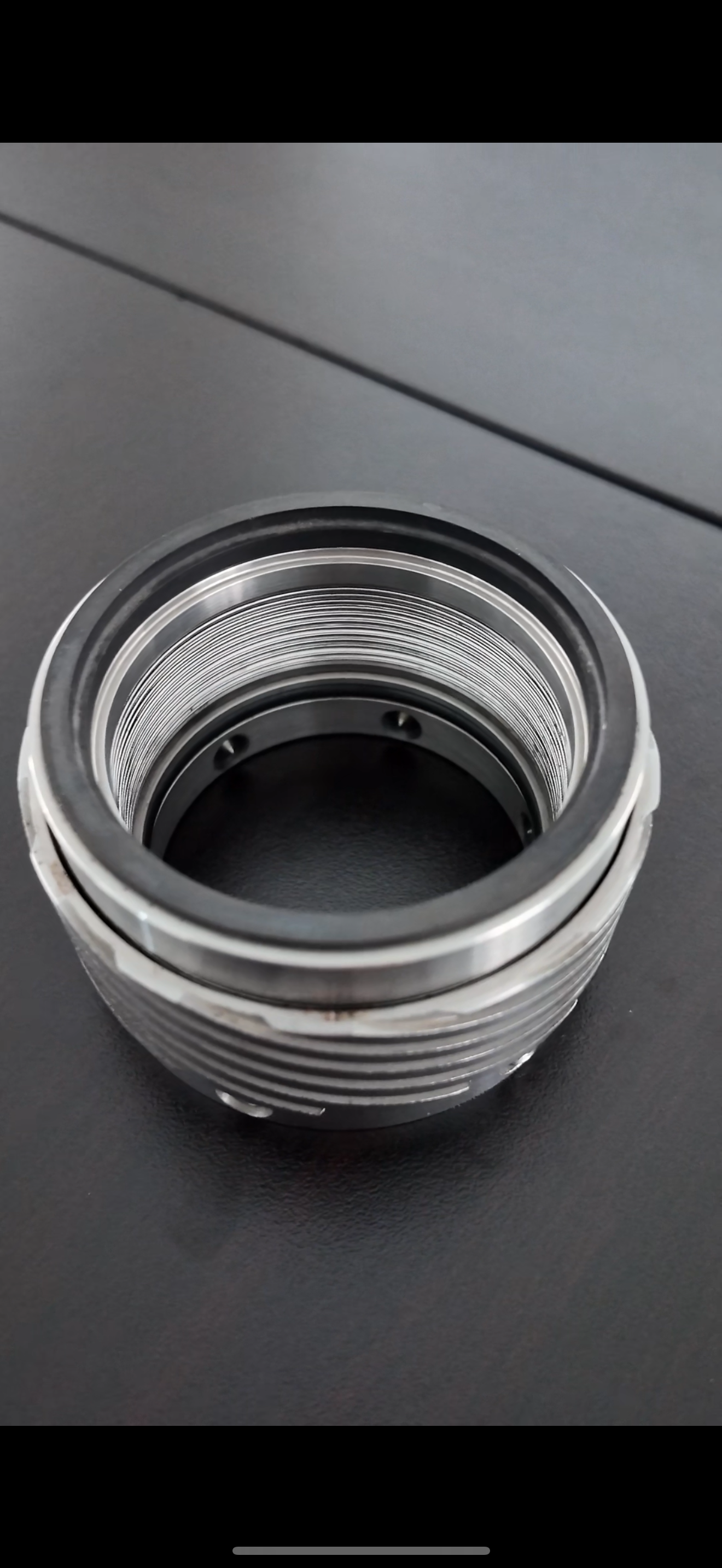
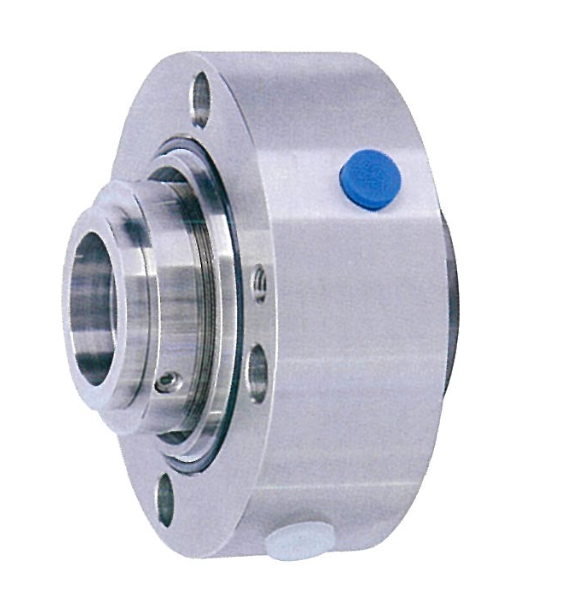
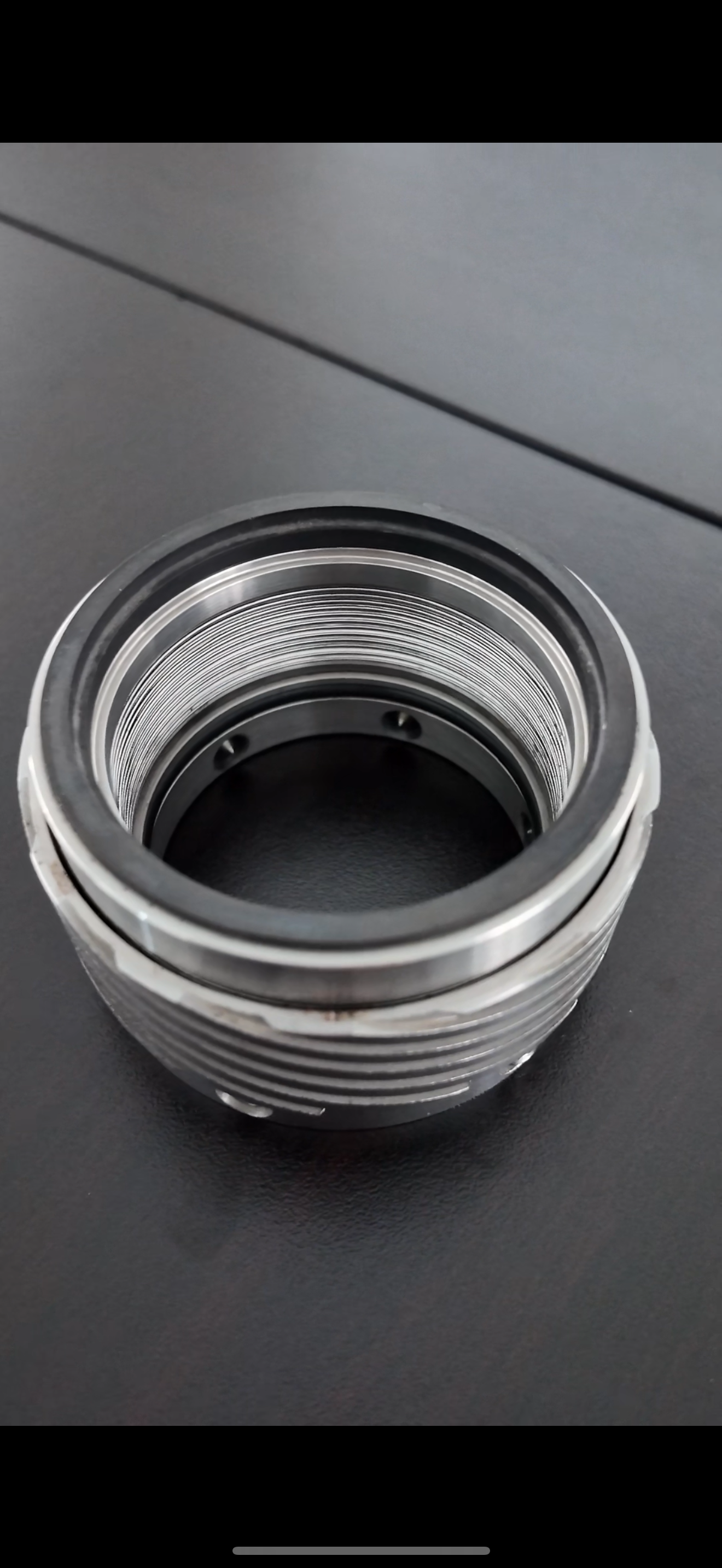
high quality dry gas seal
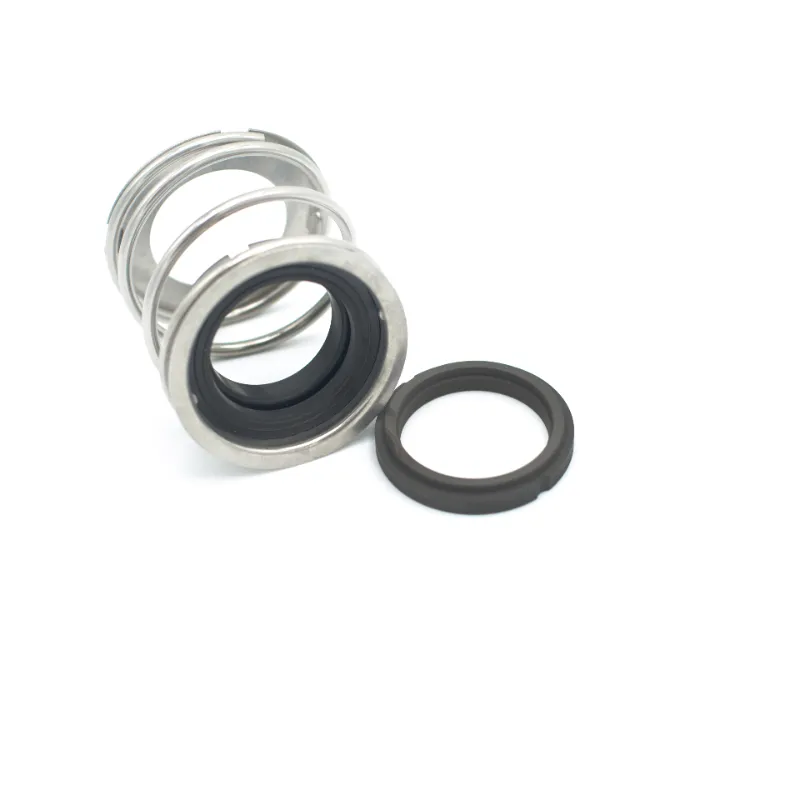
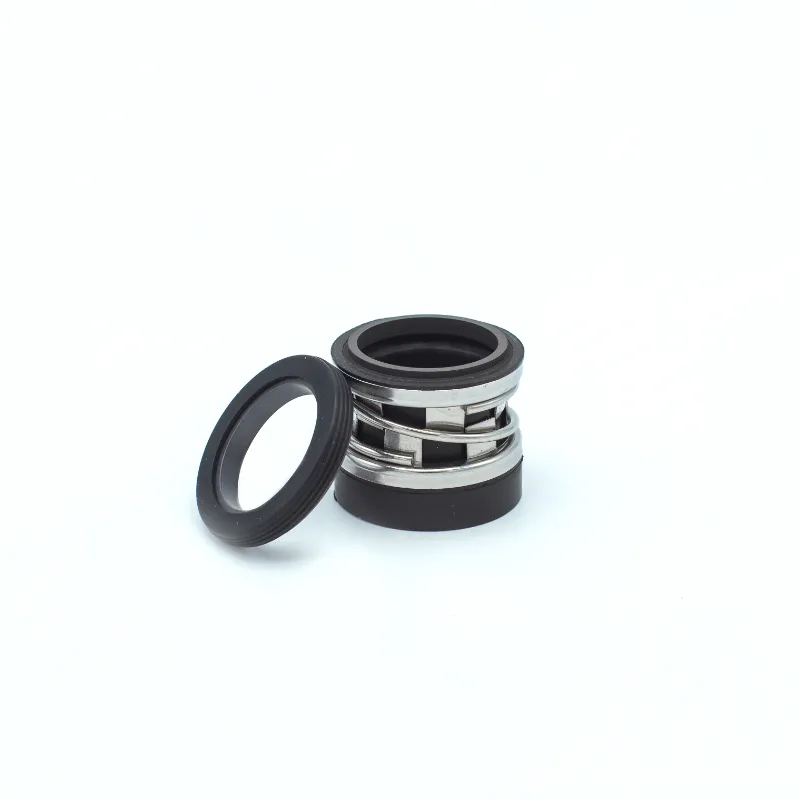
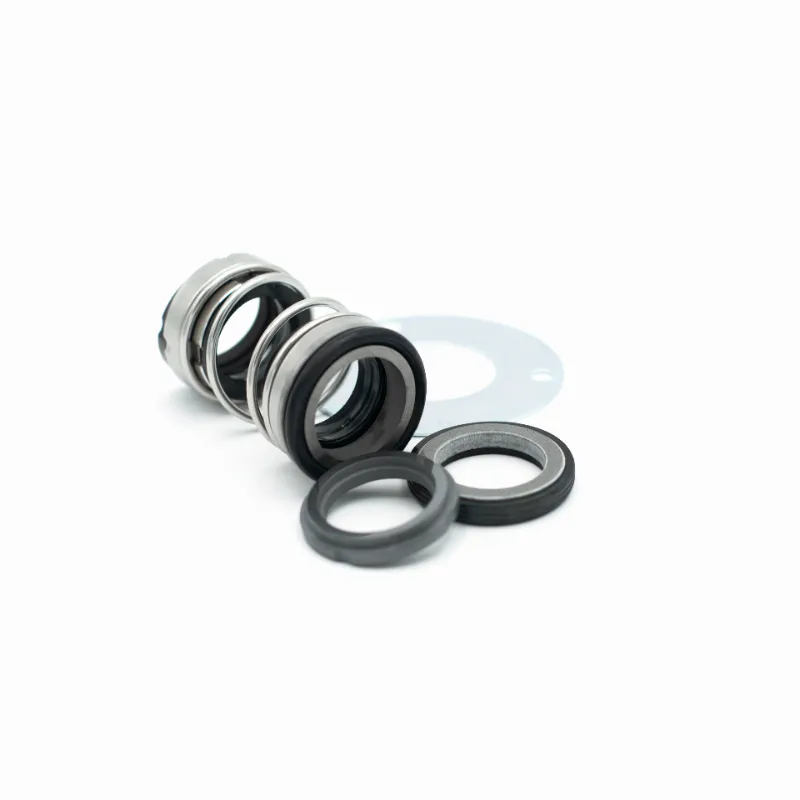
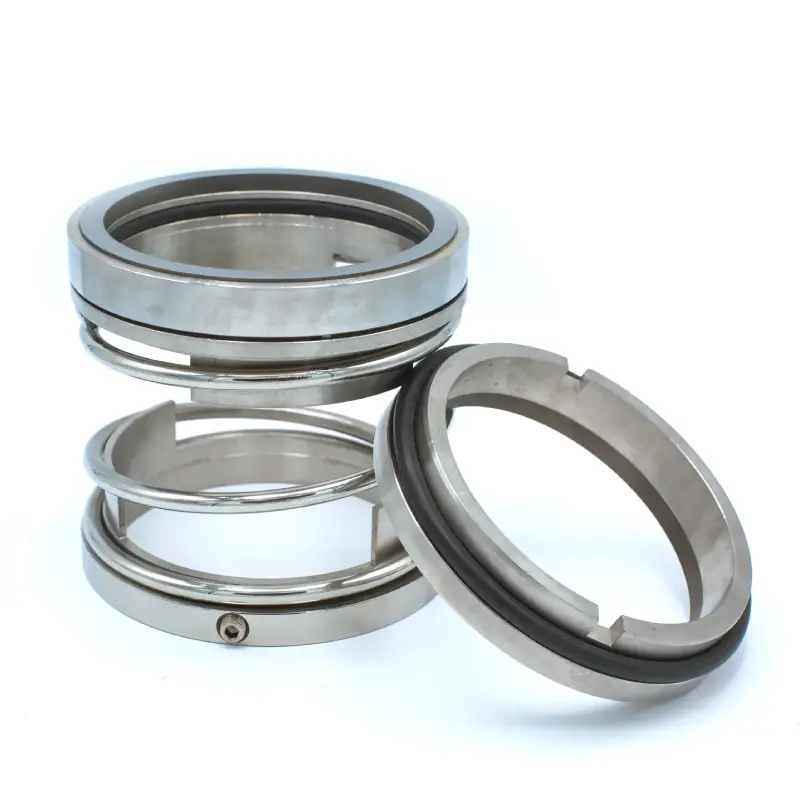
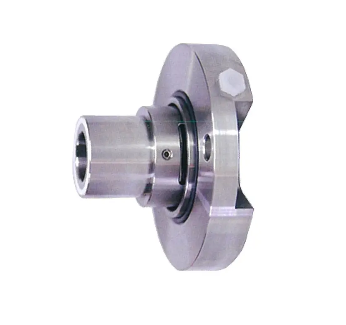
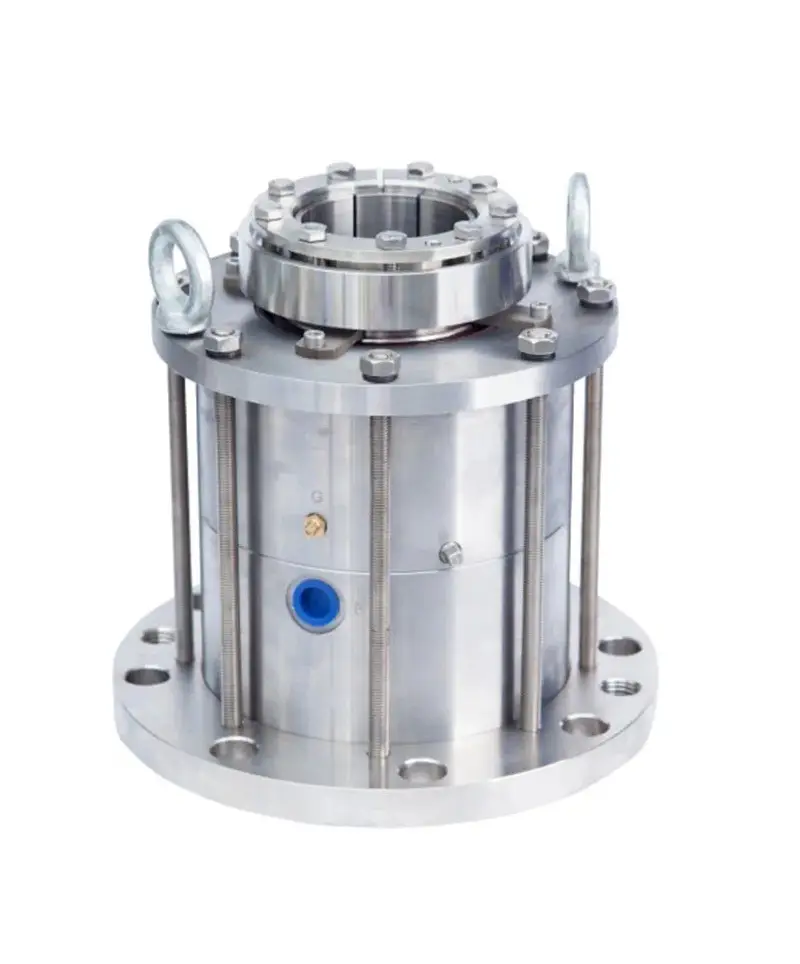
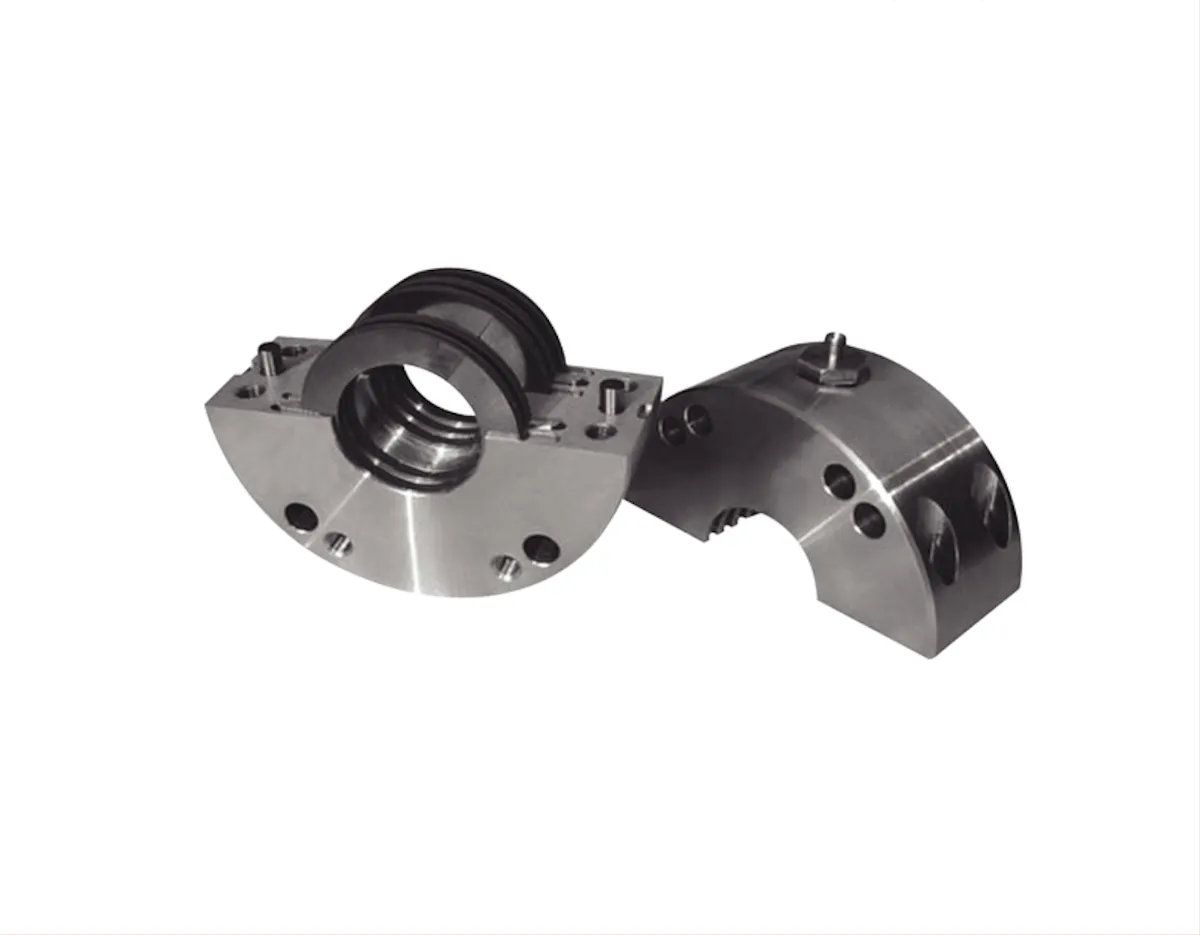
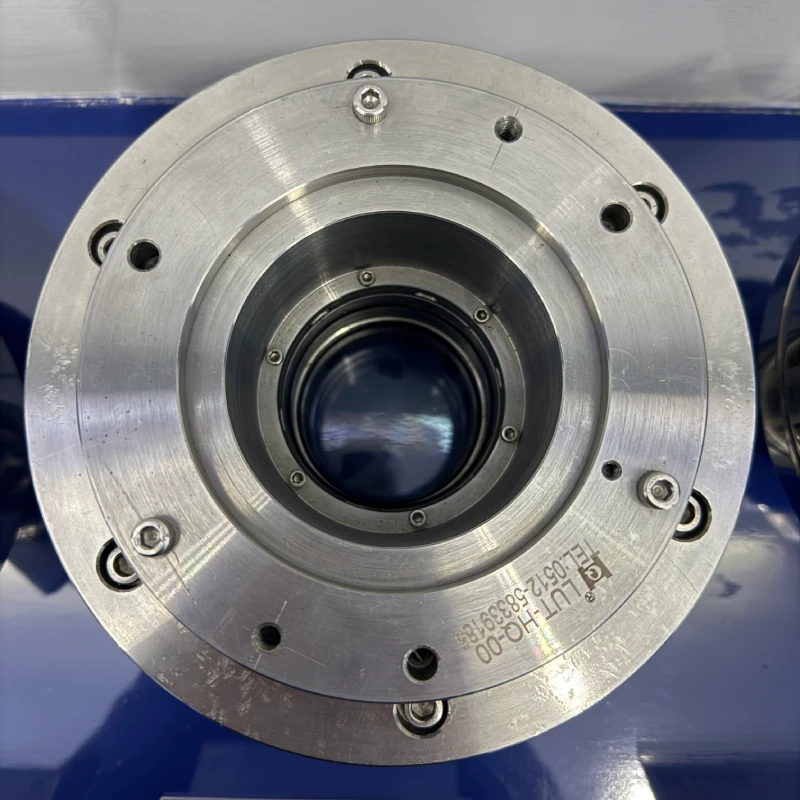
A high quality dry gas seal represents a cutting-edge sealing technology that revolutionizes how industrial equipment manages gas containment and leakage prevention. This sophisticated mechanical seal system operates without liquid lubricants, utilizing precisely engineered gas films to create an effective barrier between rotating and stationary components. The high quality dry gas seal functions through micro-groove patterns etched into seal faces, which generate dynamic pressure that maintains optimal separation during operation. These seals incorporate advanced materials such as silicon carbide, tungsten carbide, and specialized carbon composites that withstand extreme temperatures and pressures while maintaining dimensional stability. The primary functions include preventing process gas leakage, eliminating contamination risks, and ensuring reliable operation in critical applications. Technological features encompass sophisticated groove geometries, precision manufacturing tolerances, and integrated monitoring systems that provide real-time performance feedback. The high quality dry gas seal design incorporates multiple backup systems and fail-safe mechanisms to ensure continuous operation even under adverse conditions. Applications span across petrochemical processing, natural gas compression, steam turbines, and industrial machinery where emission control and operational reliability are paramount. These seals excel in environments where traditional wet seals would compromise process integrity or create safety hazards. The technology eliminates the need for seal oil systems, buffer gas arrangements, and associated support equipment, simplifying installation and maintenance procedures. Modern high quality dry gas seal systems integrate seamlessly with existing equipment while providing superior performance metrics compared to conventional sealing methods. The advanced engineering ensures consistent operation across varying pressure differentials, temperature fluctuations, and rotational speeds, making them indispensable for modern industrial applications requiring zero-emission standards and enhanced operational efficiency.
 EN
EN