Complete Guide to Mechanical Seal Flushing Plans: Advanced Solutions for Industrial Equipment Protection

Get a Free Quote

Our representative will contact you soon.
Email
Name
Company Name
Message
0/1000

Mechanical seal flushing plans

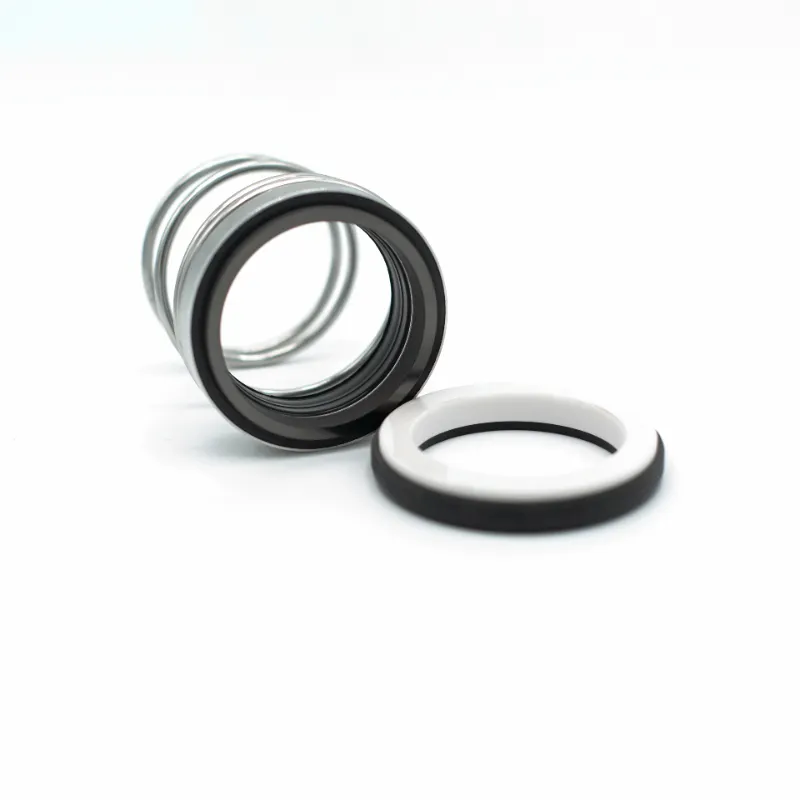
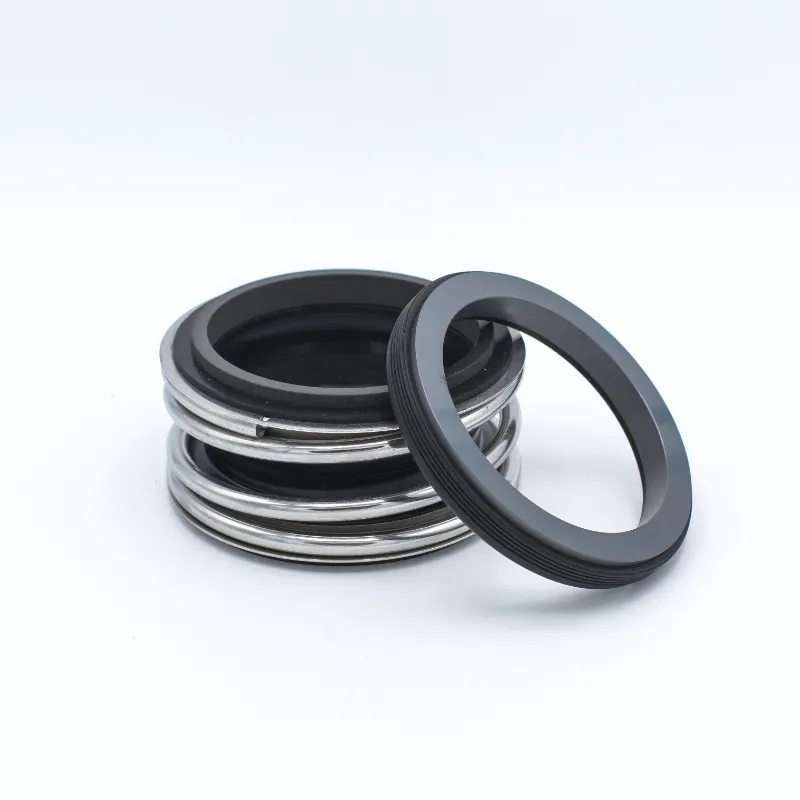
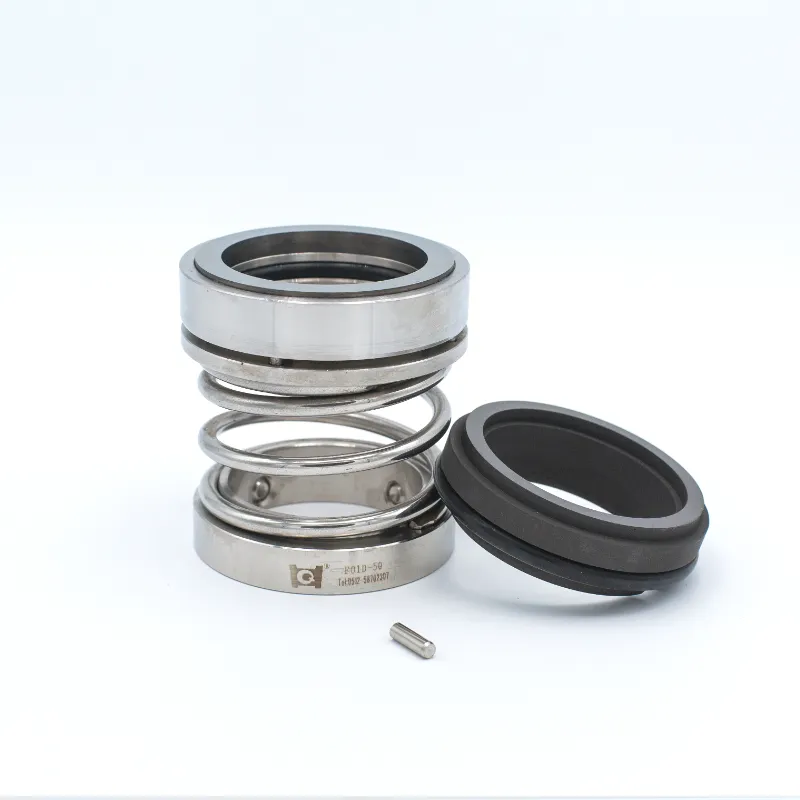
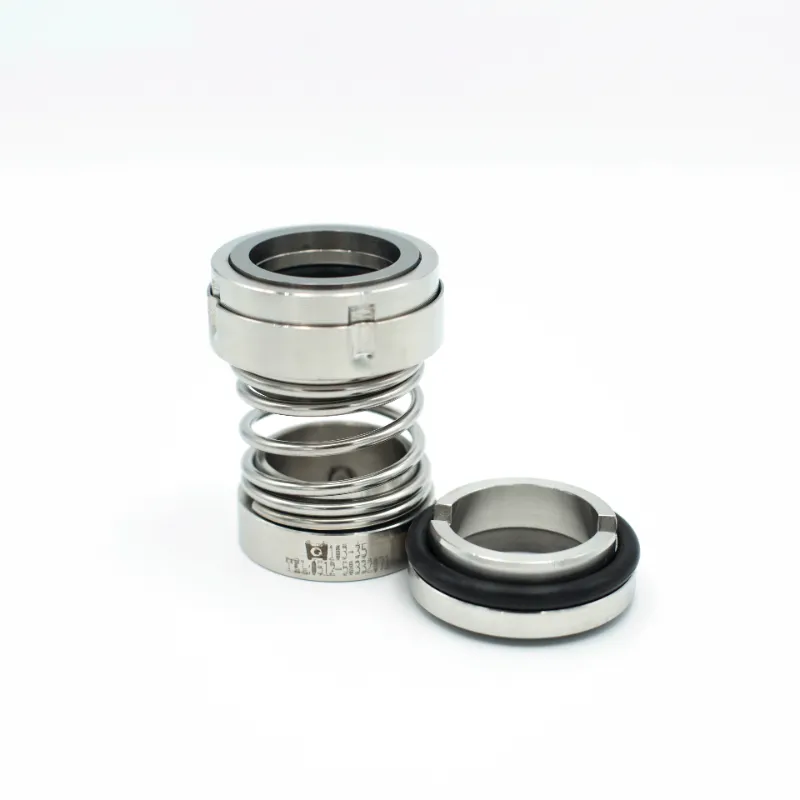
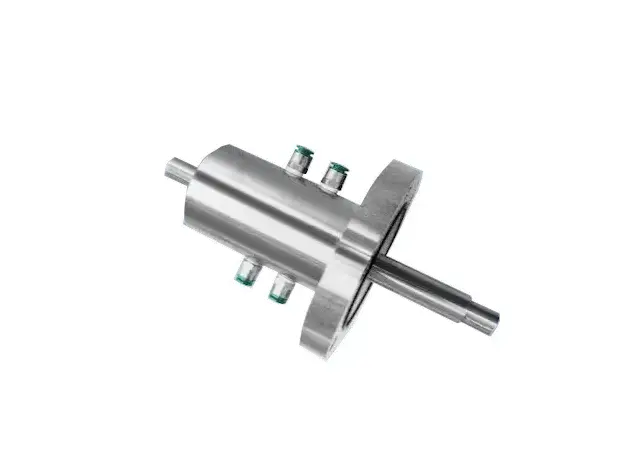
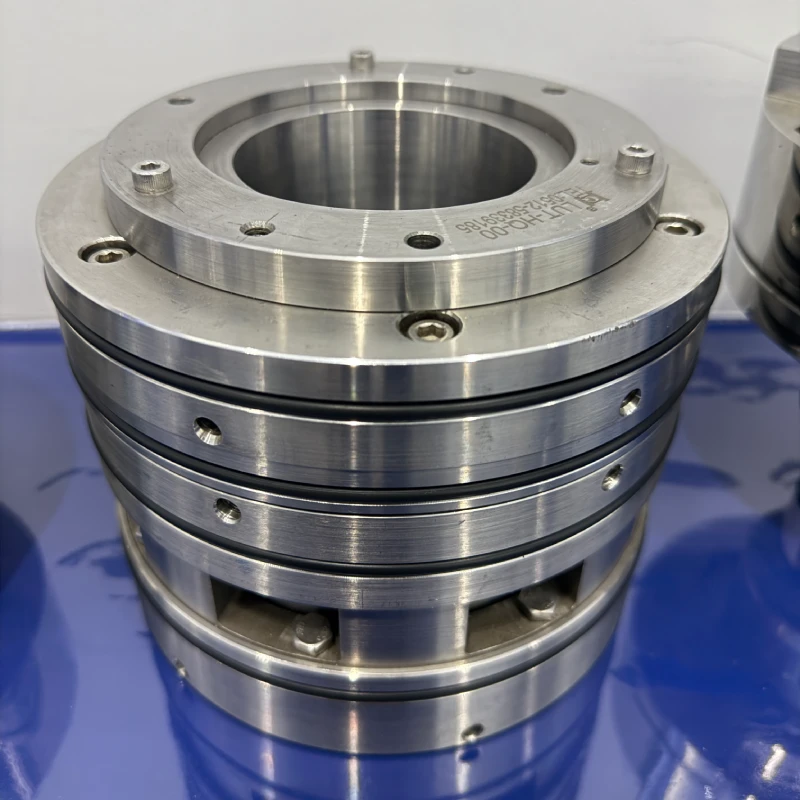
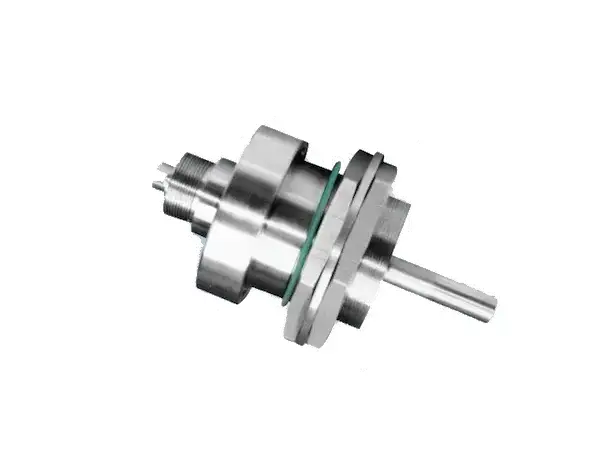
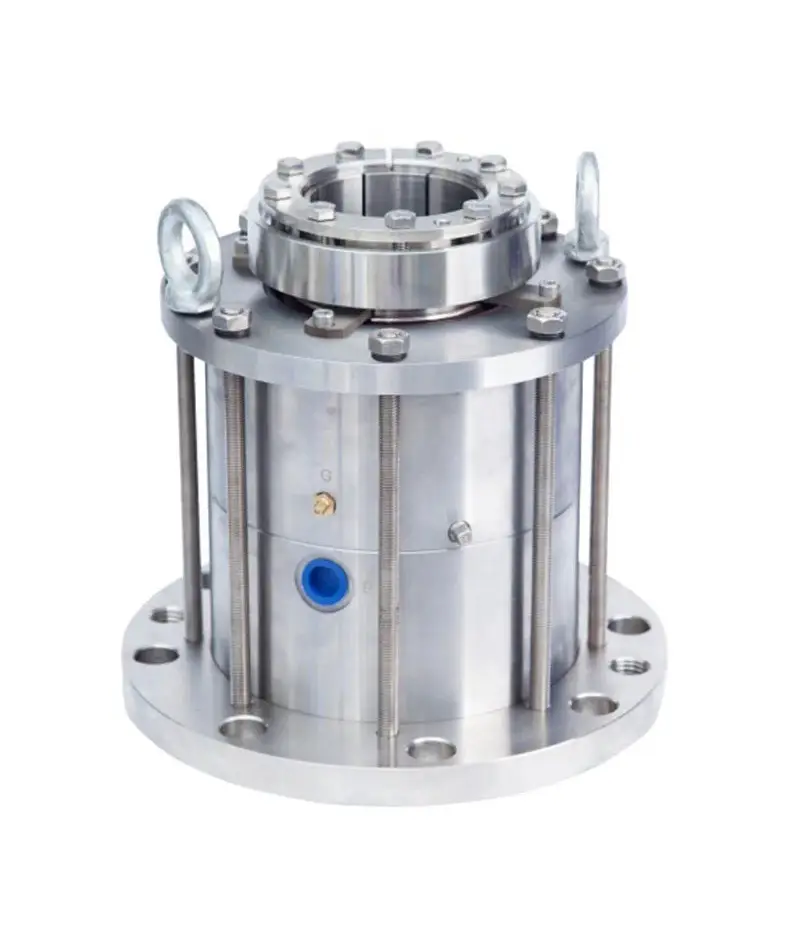
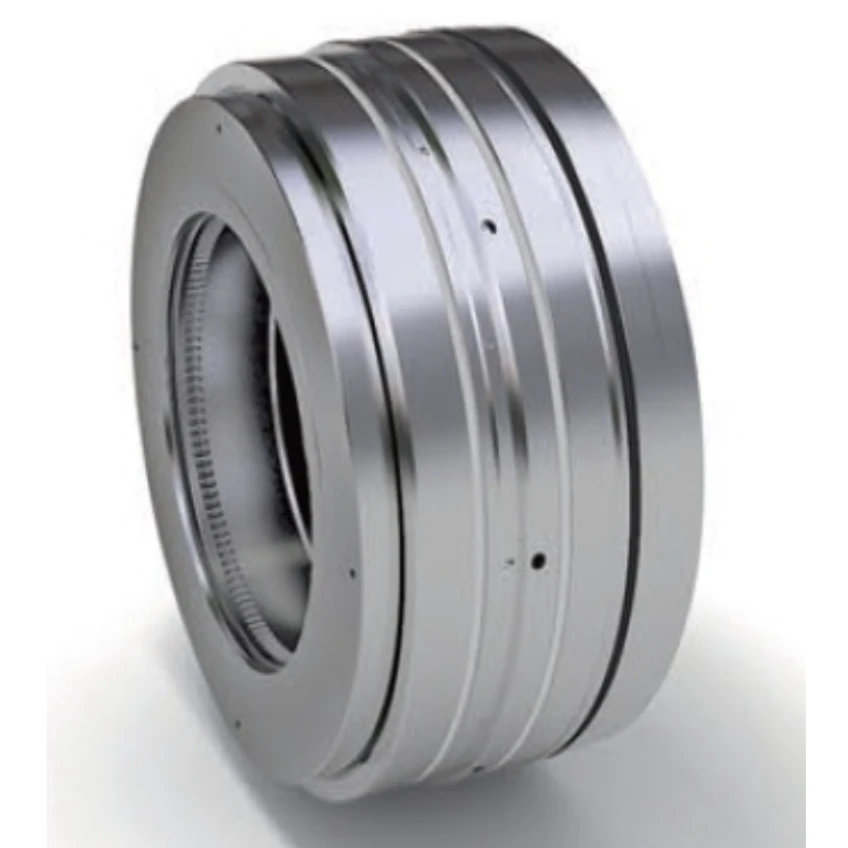
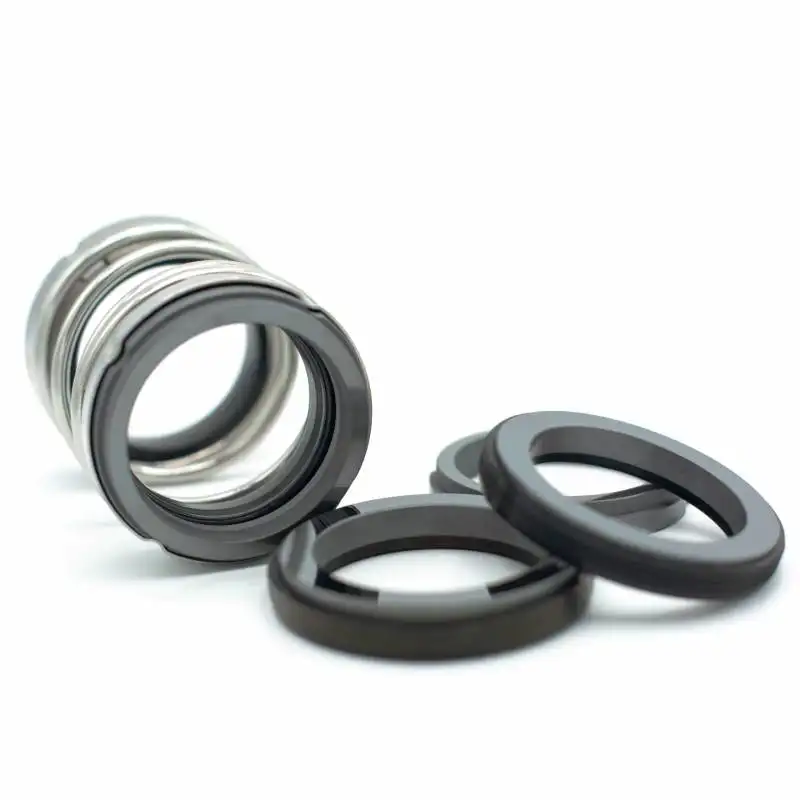
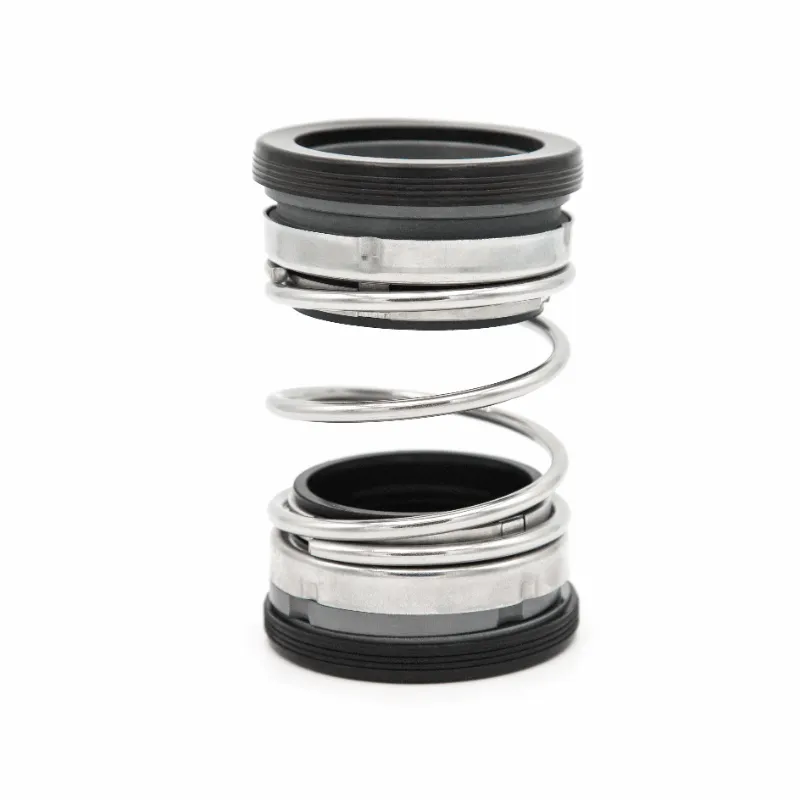
Mechanical seal flushing plans represent critical engineering solutions designed to enhance the performance, reliability, and longevity of mechanical seals in industrial applications. These comprehensive systems provide controlled fluid circulation around seal faces, creating optimal operating conditions that prevent premature failure and extend equipment service life. The primary function of mechanical seal flushing plans involves introducing clean, compatible fluids to the seal chamber, effectively removing heat, contaminants, and vapors that could compromise seal integrity. Modern mechanical seal flushing plans incorporate sophisticated monitoring capabilities, temperature control mechanisms, and pressure regulation features that ensure consistent performance across diverse operating conditions. The technological architecture of these systems includes precision flow control valves, filtration components, heat exchangers, and instrumentation panels that provide real-time operational feedback. Applications span numerous industries including petrochemical processing, pharmaceutical manufacturing, water treatment facilities, power generation plants, and chemical production operations. The versatility of mechanical seal flushing plans allows customization for specific process requirements, accommodating various fluid types, temperature ranges, and pressure specifications. Advanced systems feature automated control algorithms that adjust flushing parameters based on operational demands, reducing manual intervention and optimizing resource consumption. Integration capabilities enable seamless connectivity with existing plant control systems, providing centralized monitoring and diagnostic functions. The design philosophy emphasizes modularity, allowing operators to configure systems according to specific application needs while maintaining standardized components for simplified maintenance procedures. Environmental considerations drive the development of closed-loop configurations that minimize waste generation and reduce environmental impact. Quality assurance protocols ensure that mechanical seal flushing plans meet stringent industry standards and regulatory requirements, providing operators with confidence in system reliability and safety performance.

New Product Recommendations

Mechanical seal flushing plans deliver substantial operational benefits that directly impact equipment performance and maintenance costs. The most significant advantage lies in dramatically extended seal life, with properly implemented systems often doubling or tripling the operational lifespan compared to non-flushed applications. This enhancement translates directly into reduced downtime, lower replacement costs, and improved production continuity. Temperature management capabilities represent another crucial benefit, as mechanical seal flushing plans effectively dissipate heat generated during operation, preventing thermal damage that frequently causes catastrophic seal failure. The cooling effect maintains optimal operating temperatures, preserving seal face materials and lubricating properties essential for smooth operation. Contamination control features protect sensitive seal components from process fluids containing abrasive particles, corrosive chemicals, or polymerizing substances that could cause premature wear or chemical degradation. Clean flushing media creates a protective barrier around seal faces, preventing direct contact with harmful process materials while maintaining necessary sealing functions. Pressure regulation benefits ensure stable operating conditions by controlling the differential pressure across seal faces, reducing mechanical stress and preventing face separation or excessive contact pressure. This controlled environment minimizes vibration-induced wear and maintains consistent sealing performance throughout the operational cycle. Monitoring capabilities provide early warning indicators of potential issues, enabling proactive maintenance scheduling that prevents unexpected failures and costly emergency repairs. Real-time data collection facilitates predictive maintenance strategies, optimizing replacement intervals and reducing inventory costs. Energy efficiency improvements result from reduced friction losses and optimized operating conditions, contributing to lower power consumption and operational expenses. Environmental compliance benefits include reduced emissions through improved sealing effectiveness and minimized product loss during normal operations. Safety enhancements protect personnel from exposure to hazardous process fluids by maintaining reliable containment throughout the equipment lifecycle. Cost-effectiveness becomes apparent through reduced maintenance frequency, extended equipment life, improved process efficiency, and decreased environmental remediation expenses. The cumulative financial impact of these advantages often justifies the initial investment within the first operational year.

Practical Tips

Why Choose Welded Metal Bellow Seals for Your Plant?

27

Jun

Why Choose Welded Metal Bellow Seals for Your Plant?

Technical Advantages of Welded Metal Bellow Seals Superior Reliability in Extreme Conditions Welded metal bellow seals are renowned for their reliability under extreme conditions. They are engineered to operate efficiently in high-pressure and tempe...
View More
Why Are Dry Gas Seals Critical in Oil & Gas Industry?

27

Jun

Why Are Dry Gas Seals Critical in Oil & Gas Industry?

Essential Functions of Dry Gas Seals in Industrial Operations Preventing Process Gas Leaks in Turbomachinery Dry gas seals play a crucial role in preventing leaks of process gas, which is essential for maintaining operational safety and efficiency i...
View More
Choosing the Right Agitator Seal for High-Viscosity Mixing

21

Jul

Choosing the Right Agitator Seal for High-Viscosity Mixing

Ensuring Performance in High-Viscosity Mixing Applications In industrial mixing processes involving high-viscosity fluids, reliable sealing is a fundamental requirement. The dynamic conditions in such systems—marked by increased torque, intense...
View More
Agitator Seal Solutions for Chemical, Pharma & Food Processing

22

Dec

Agitator Seal Solutions for Chemical, Pharma & Food Processing

Industrial mixing operations in chemical, pharmaceutical, and food processing facilities rely heavily on dependable sealing solutions to maintain process integrity and operational efficiency. Agitator seals serve as critical components that prevent f...
View More

Get a Free Quote

Our representative will contact you soon.
Email
Name
Company Name
Country/Region
Message
0/1000

Mechanical seal flushing plans

Advanced Heat Management Technology

Advanced Heat Management Technology

The sophisticated heat management capabilities of mechanical seal flushing plans represent a revolutionary approach to maintaining optimal operating temperatures in demanding industrial applications. This technology addresses one of the most common causes of mechanical seal failure by implementing precision-engineered cooling systems that effectively dissipate thermal energy generated during operation. The heat management system incorporates multiple cooling mechanisms, including circulation-based heat transfer, external cooling loops, and temperature-controlled flushing media that work synergistically to maintain stable operating conditions. Advanced heat exchangers within the system utilize high-efficiency designs that maximize heat transfer rates while minimizing pressure drops, ensuring optimal cooling performance without compromising system efficiency. Temperature sensors strategically positioned throughout the system provide continuous monitoring, enabling automatic adjustments to cooling parameters based on real-time thermal conditions. This intelligent temperature control prevents the formation of hot spots that can cause localized seal face damage, material degradation, or complete seal failure. The cooling system design accommodates various operating environments, from high-temperature chemical processes to cryogenic applications, demonstrating exceptional versatility across diverse industrial sectors. Thermal shock protection features gradually adjust temperatures during startup and shutdown procedures, preventing rapid temperature changes that could cause seal face cracking or dimensional instability. The heat management technology also addresses secondary cooling requirements, including bearing lubrication systems and auxiliary equipment that benefit from controlled thermal conditions. Energy-efficient operation minimizes cooling system power consumption while maximizing heat removal effectiveness, contributing to overall plant energy optimization goals. Predictive thermal management algorithms analyze historical temperature data to anticipate cooling requirements, proactively adjusting system parameters to maintain optimal conditions before thermal stress occurs. This proactive approach significantly extends seal life while reducing maintenance requirements and operational costs. The integration of advanced materials in heat transfer components ensures long-term reliability and corrosion resistance, even in aggressive chemical environments where traditional cooling systems might fail.
Intelligent Contamination Control System

Intelligent Contamination Control System

The intelligent contamination control capabilities of mechanical seal flushing plans provide comprehensive protection against the diverse range of contaminants that threaten seal integrity and operational reliability. This sophisticated system employs multi-stage filtration, selective barrier protection, and active contamination monitoring to create an ultra-clean operating environment around critical seal components. The contamination control architecture begins with advanced filtration systems featuring progressively finer filtration stages that remove particles, debris, and chemical contaminants from flushing media before it reaches sensitive seal areas. High-efficiency filters utilize specialized media designed to capture specific contaminant types, including sub-micron particles, crystalline deposits, and polymerizing compounds that could cause seal face scoring or binding. The system incorporates bypass protection mechanisms that maintain continuous clean fluid flow even during filter maintenance operations, ensuring uninterrupted contamination control throughout operational cycles. Automated filter condition monitoring provides real-time assessment of filtration effectiveness, triggering maintenance alerts before filter capacity is exceeded and contamination breakthrough occurs. Chemical compatibility analysis ensures that flushing media remains chemically inert with process fluids, preventing unwanted reactions that could generate additional contaminants or compromise seal materials. Barrier fluid systems create positive pressure differentials that prevent process fluid migration into clean seal chambers, maintaining contamination-free environments even under varying operational conditions. Advanced sensor technology continuously monitors contamination levels, particle counts, and chemical composition of flushing media, providing early warning of potential contamination sources before they impact seal performance. The intelligent control system automatically adjusts flushing flow rates, pressure levels, and circulation patterns in response to detected contamination events, optimizing protective measures based on real-time conditions. Purging capabilities enable rapid contamination removal during startup procedures or after maintenance activities, ensuring clean operating conditions from the beginning of each operational cycle. Self-cleaning features minimize maintenance requirements while maintaining peak contamination control effectiveness throughout extended operational periods. The system design accommodates various contamination challenges, from abrasive slurries to sticky polymers, demonstrating exceptional versatility across diverse industrial applications where contamination control remains critical for operational success.
Comprehensive Performance Monitoring and Optimization

Comprehensive Performance Monitoring and Optimization

The comprehensive performance monitoring and optimization capabilities of mechanical seal flushing plans deliver unprecedented visibility into system operations while enabling continuous performance enhancement through data-driven decision making. This advanced monitoring infrastructure combines real-time data acquisition, predictive analytics, and automated optimization algorithms to maximize system effectiveness while minimizing operational costs and maintenance requirements. The monitoring system incorporates strategically positioned sensors throughout the flushing circuit that continuously measure critical parameters including flow rates, pressures, temperatures, vibration levels, and fluid quality indicators. High-resolution data acquisition systems capture subtle changes in operating conditions that might indicate developing issues before they become critical problems requiring emergency intervention. Advanced data processing algorithms analyze sensor information to identify performance trends, operational anomalies, and optimization opportunities that enhance overall system effectiveness. The predictive analytics capabilities utilize machine learning algorithms trained on historical operational data to forecast maintenance needs, optimize operational parameters, and prevent unexpected failures through proactive intervention strategies. Real-time dashboard displays provide operators with intuitive visualization of system status, performance metrics, and operational trends that facilitate informed decision-making and rapid response to changing conditions. Automated alert systems notify maintenance personnel of approaching service intervals, abnormal operating conditions, or performance degradation that requires attention, enabling proactive maintenance scheduling that minimizes disruption to production operations. Integration capabilities enable seamless connectivity with plant-wide control systems, providing centralized monitoring and control functions that enhance operational efficiency while reducing personnel requirements. Historical data logging creates comprehensive operational records that support maintenance planning, performance optimization, and regulatory compliance documentation requirements. The optimization algorithms continuously analyze operational data to identify efficiency improvement opportunities, automatically adjusting system parameters to maximize performance while minimizing energy consumption and resource utilization. Customizable reporting functions generate detailed performance summaries, maintenance schedules, and cost analysis reports that support management decision-making and budget planning activities. Remote monitoring capabilities enable off-site system supervision and expert technical support, reducing the need for on-site specialized personnel while ensuring optimal system performance through continuous expert oversight and guidance.

Get a Free Quote

Our representative will contact you soon.
Email
Name
Company Name
Country/Region
Message
0/1000