LOX Seals for Rocket Engines
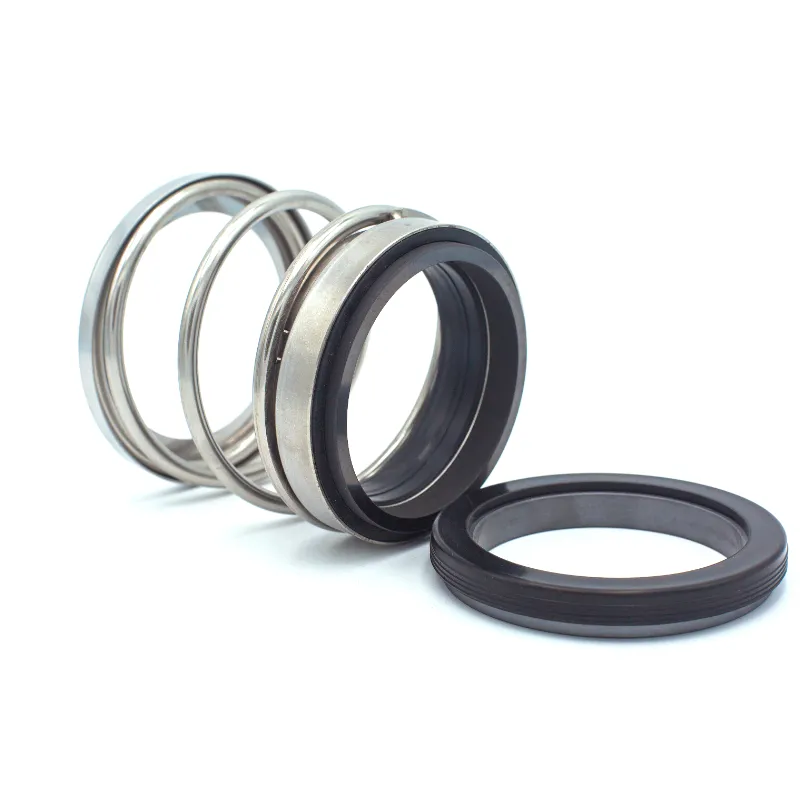
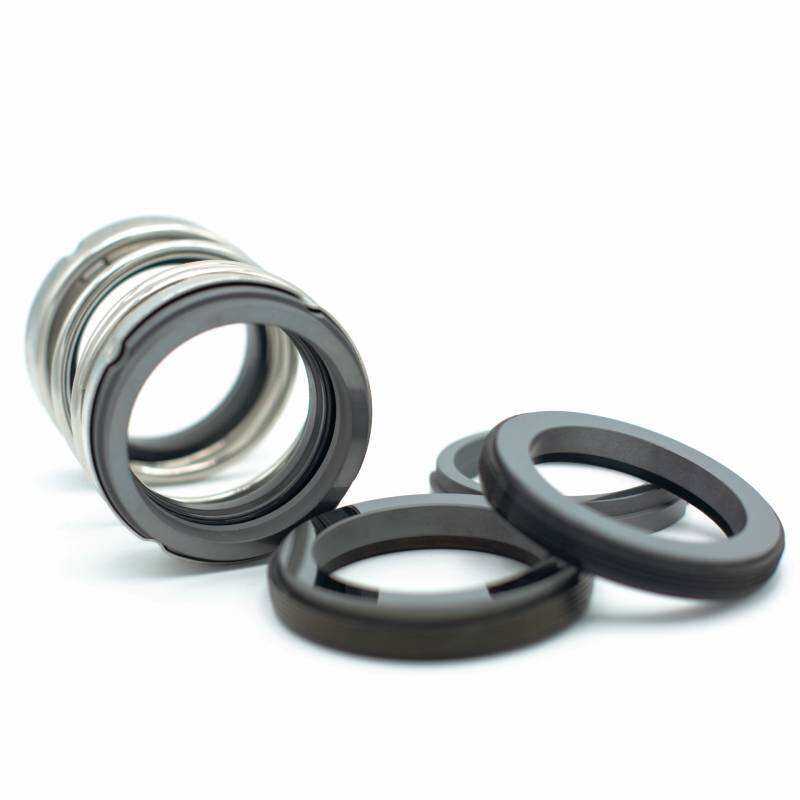
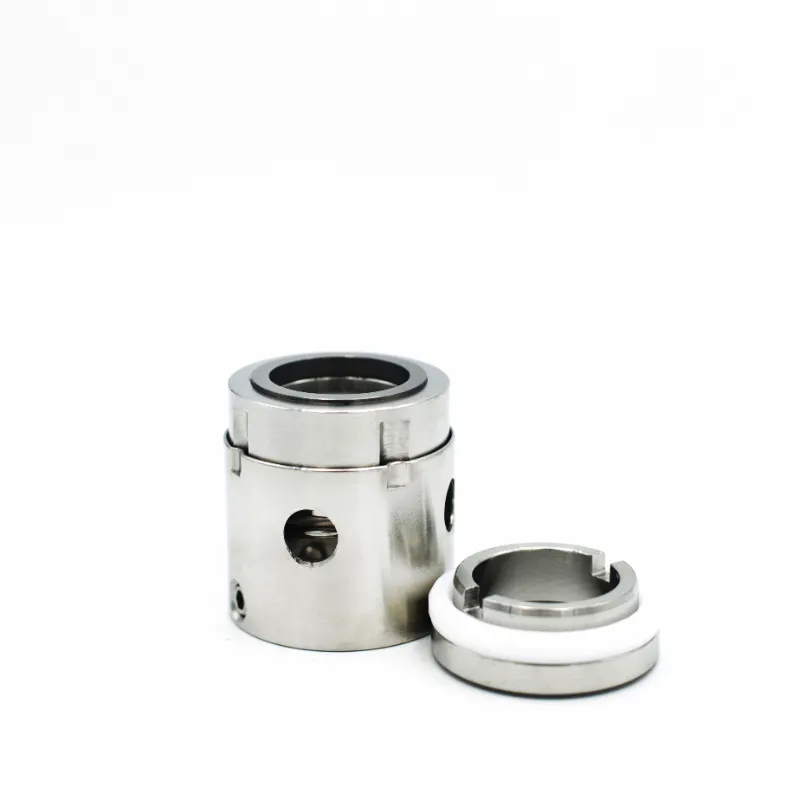
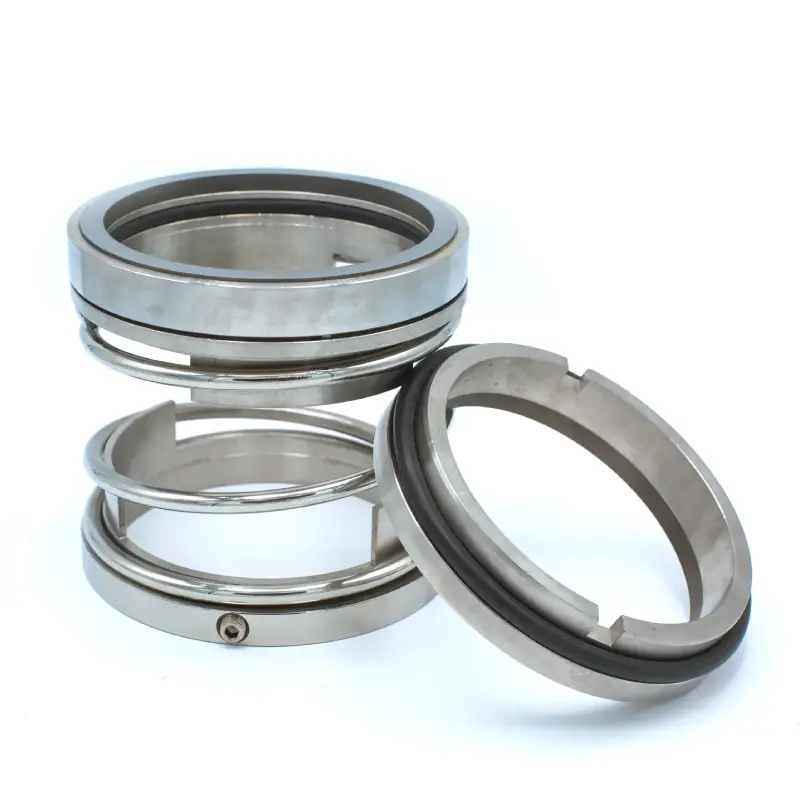
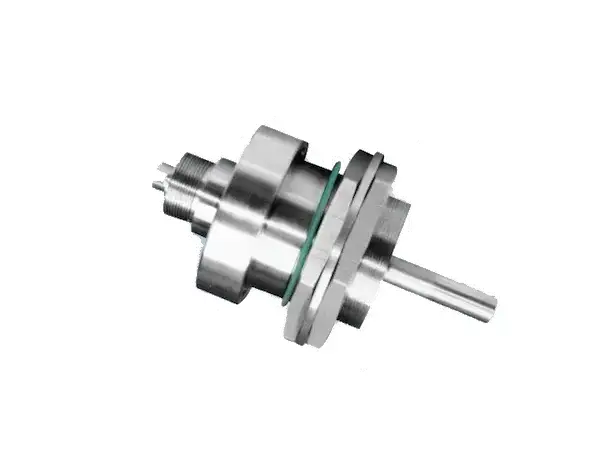
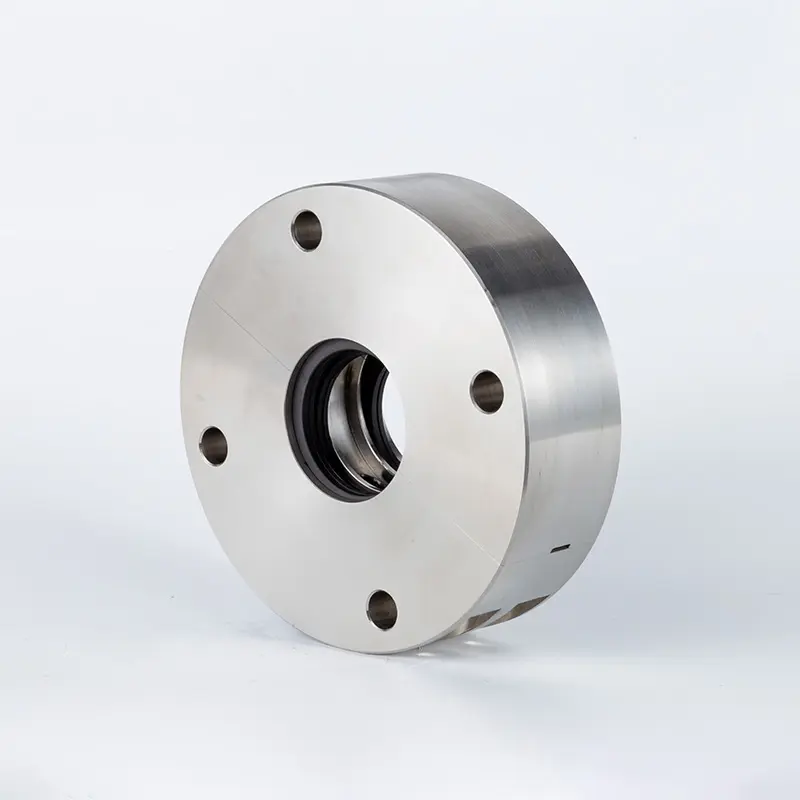
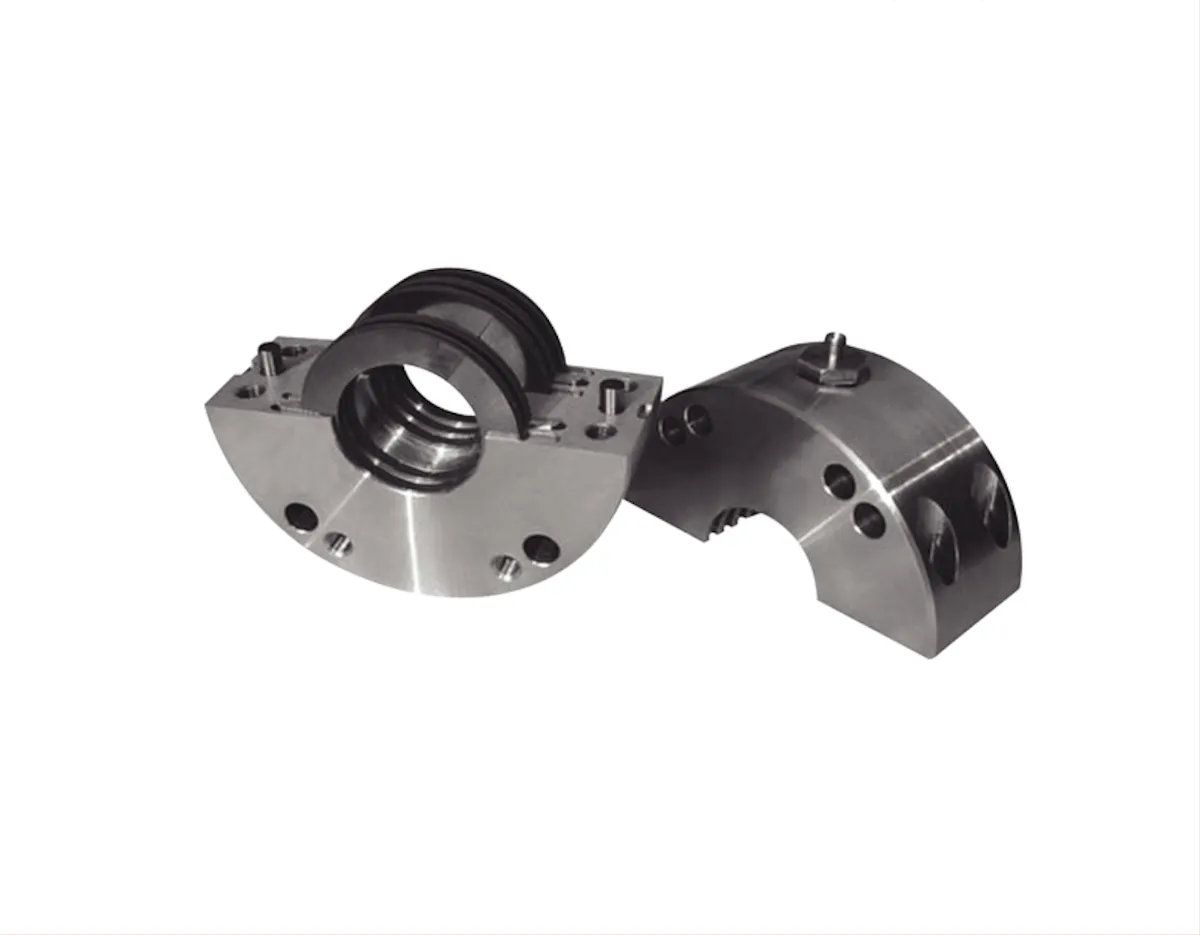
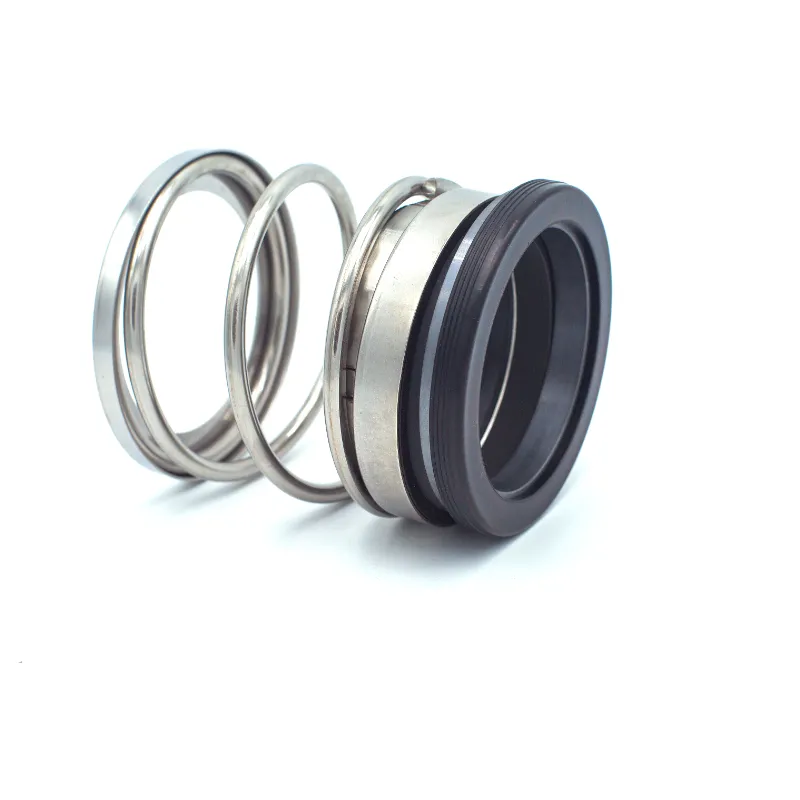
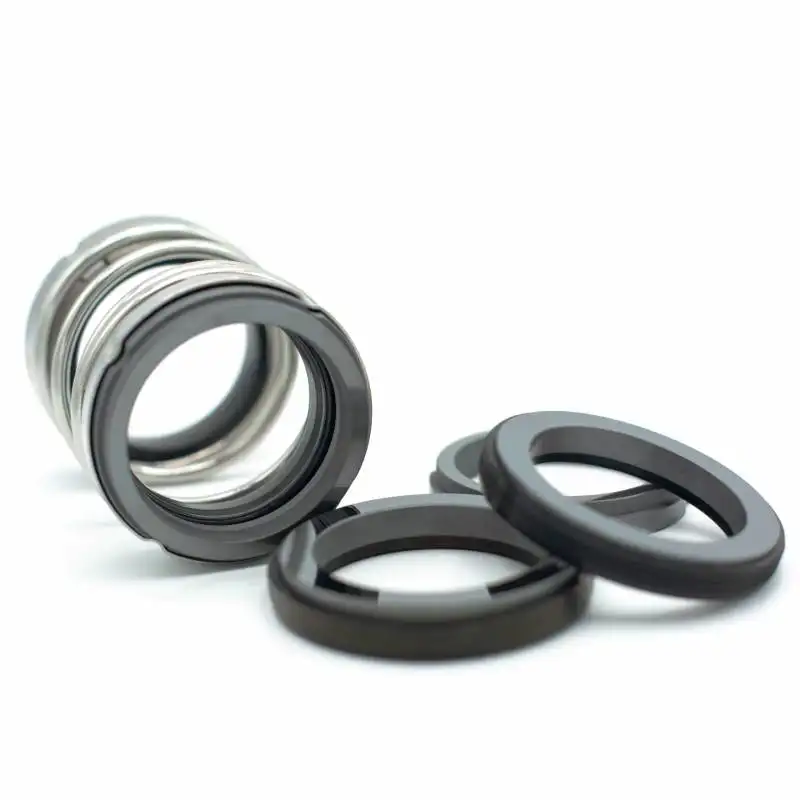
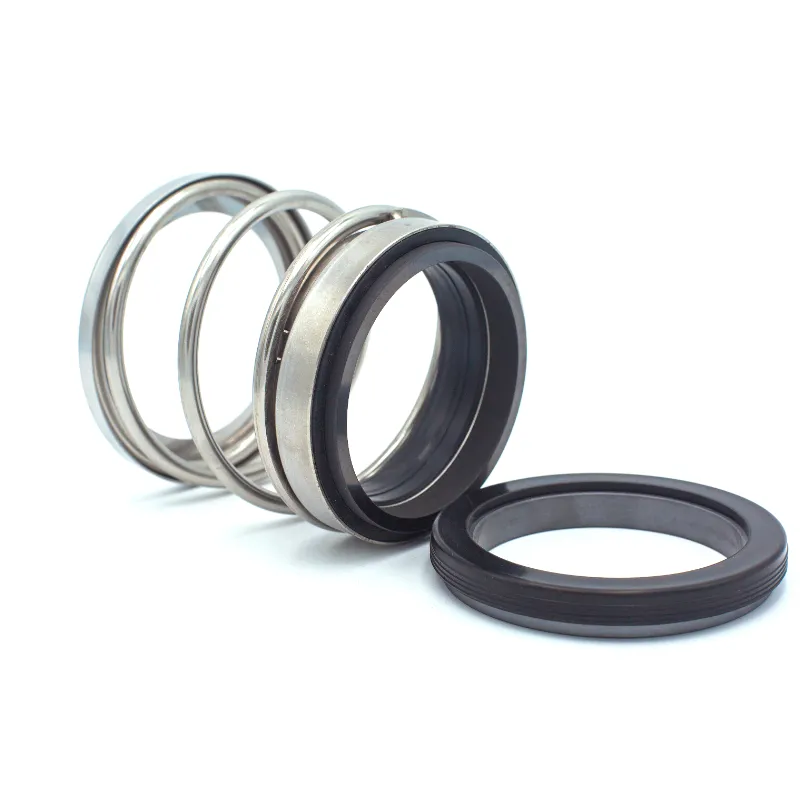
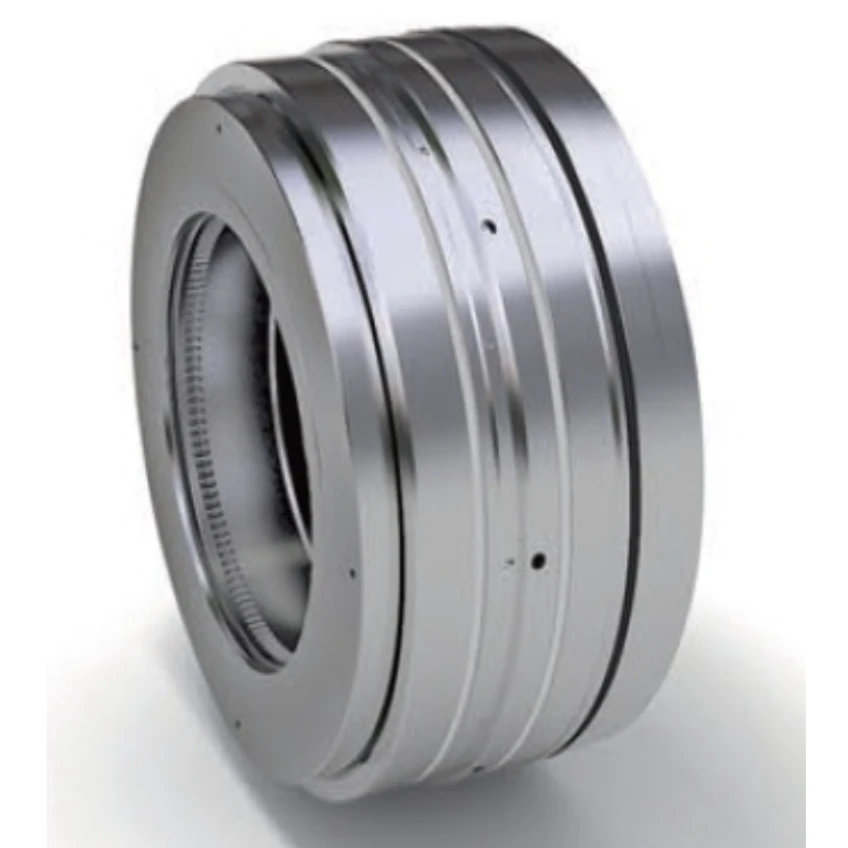
LOX Seals for Rocket Engines represent critical components that ensure the reliable containment and management of liquid oxygen within propulsion systems. These specialized sealing solutions are engineered to withstand the extreme operating conditions encountered in aerospace applications, where temperatures can range from cryogenic levels below -297°F to combustion chamber temperatures exceeding 5,000°F. The primary function of LOX Seals for Rocket Engines involves preventing leakage of liquid oxygen from fuel systems, oxidizer lines, and combustion chambers while maintaining structural integrity under intense pressure differentials. These seals incorporate advanced materials science, utilizing specialized elastomers, metal composites, and ceramic compounds that demonstrate exceptional compatibility with liquid oxygen environments. The technological features of LOX Seals for Rocket Engines include oxygen-clean manufacturing processes, precision-engineered geometries, and multi-layered construction designs that accommodate thermal expansion and contraction cycles. These seals must maintain their sealing properties across multiple mission profiles, from pre-launch fueling operations through orbital insertion and beyond. Applications span various rocket engine configurations, including main propulsion systems, reaction control systems, and auxiliary power units found in launch vehicles, spacecraft, and satellite platforms. The seals are integral to turbopump assemblies, valve systems, injector mechanisms, and combustion chamber interfaces where liquid oxygen contact occurs. Manufacturing standards for LOX Seals for Rocket Engines adhere to stringent aerospace quality requirements, incorporating rigorous testing protocols that verify performance under simulated flight conditions. These components undergo extensive qualification testing including thermal cycling, pressure testing, and compatibility verification with various propellant formulations to ensure mission success and crew safety in human spaceflight applications.
 EN
EN