 EN
EN


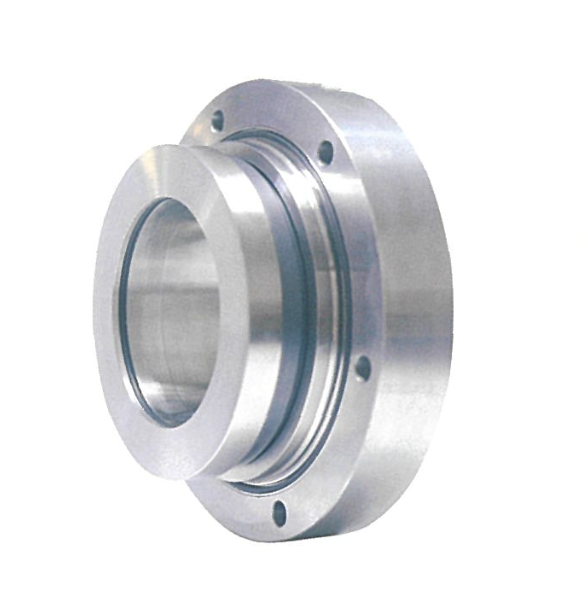
Industrial equipment faces constant challenges from fluid leakage, contamination, and mechanical wear. A shaft seal serves as the critical barrier between rotating shafts and stationary housings, preventing fluid escape while maintaining optimal equipment performance. These engineered components protect valuable machinery investments by creating reliable sealing interfaces that withstand demanding operational conditions. Understanding how shaft seal technology works enables facility managers and maintenance professionals to make informed decisions about equipment protection strategies.
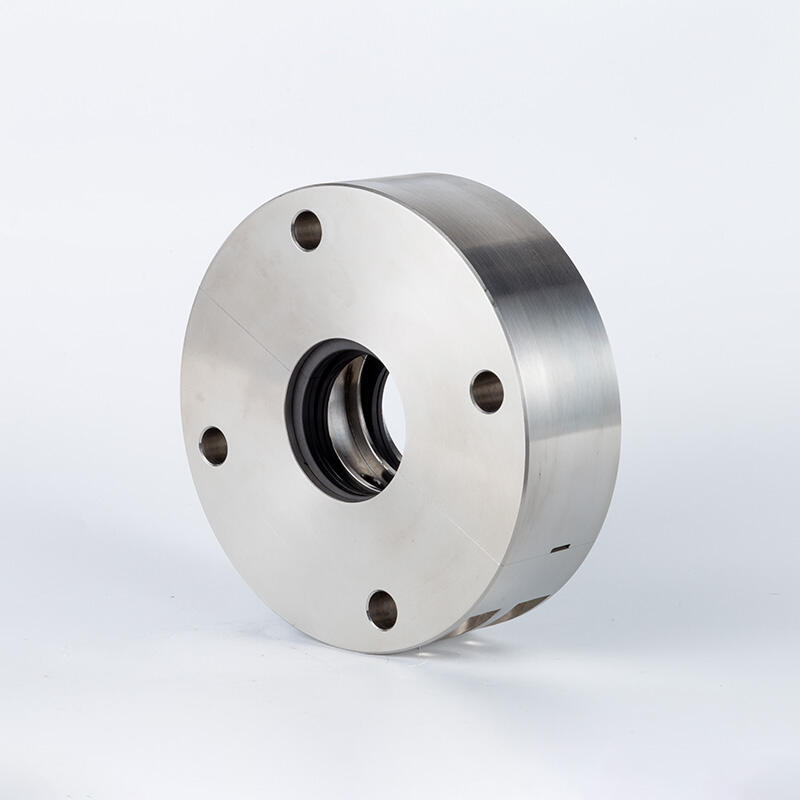
Fundamental Principles of Shaft Seal Protection
Sealing Interface Mechanics
The primary function of a shaft seal involves creating a controlled interface between moving and stationary components. This interface must accommodate shaft rotation while preventing fluid migration across the seal boundary. Advanced shaft seal designs utilize multiple sealing elements including primary lips, secondary barriers, and exclusion features that work together to maintain containment integrity. The sealing lip maintains contact with the shaft surface through controlled radial force, creating the essential barrier against leakage.
Material selection plays a crucial role in shaft seal effectiveness, with elastomers chosen based on chemical compatibility, temperature resistance, and wear characteristics. Modern seal compounds incorporate specialized additives that enhance performance under specific operating conditions. These formulations provide extended service life while maintaining consistent sealing contact throughout the operational envelope.
Dynamic Sealing Technology
Dynamic sealing applications require shaft seal designs that accommodate continuous rotation while maintaining leak-tight performance. The seal lip geometry creates a hydrodynamic wedge effect that generates slight fluid pressure to assist in sealing function. This phenomenon helps prevent dry running conditions while maintaining optimal contact pressure between the seal and shaft surface.
Temperature management becomes critical in dynamic applications, as friction generates heat that can degrade seal materials over time. Quality shaft seal designs incorporate heat dissipation features and utilize materials with superior thermal stability. Proper installation techniques ensure optimal contact patterns that minimize friction while maximizing sealing effectiveness.
Equipment Protection Through Contamination Exclusion
External Contaminant Barriers
A shaft seal provides dual protection by preventing both fluid leakage and external contamination ingress. The exclusion function protects internal components from dirt, moisture, and other environmental contaminants that could cause premature wear or equipment failure. Secondary sealing lips often incorporate specialized geometries designed specifically for contamination exclusion rather than fluid retention.
Industrial environments expose equipment to various contaminants including abrasive particles, corrosive chemicals, and moisture. Effective shaft seal designs create multiple barriers against these threats while maintaining compatibility with equipment lubrication systems. The seal housing design also contributes to protection by creating enclosed spaces that limit contaminant access to critical sealing interfaces.
Internal System Preservation
Beyond preventing external contamination, shaft seal technology preserves internal system integrity by maintaining proper fluid levels and preventing cross-contamination between different system fluids. This protection extends equipment service life by ensuring lubricants maintain their specified properties and concentrations. Proper sealing prevents dilution effects that could compromise lubrication effectiveness.
System preservation also involves maintaining proper pressure relationships within equipment housings. A shaft seal helps maintain these pressure differentials while accommodating normal operating variations. This pressure control prevents internal component damage and maintains optimal equipment performance characteristics throughout the service interval.
Application-Specific Sealing Solutions
High-Pressure Environment Protection
High-pressure applications demand shaft seal designs with enhanced structural integrity and specialized sealing geometries. These environments require materials with superior extrusion resistance and backup systems that prevent seal damage under extreme pressure conditions. Multi-lip configurations often provide redundant sealing capabilities that ensure continued protection even if primary sealing elements experience wear.
Pressure-activated sealing mechanisms automatically adjust contact force based on system pressure levels, providing optimal sealing performance across varying operating conditions. These adaptive designs prevent both under-sealing at low pressures and over-compression at high pressures. Advanced shaft seal technology incorporates these features while maintaining compatibility with standard equipment installations.
Chemical Resistance Applications
Chemical processing environments require shaft seal materials with exceptional chemical resistance and dimensional stability. Fluoroelastomer and perfluoroelastomer compounds provide superior resistance to aggressive chemicals while maintaining sealing effectiveness over extended periods. Material selection must consider both the primary process fluid and any cleaning or maintenance chemicals that contact the seal during service.
Compatibility testing ensures shaft seal materials maintain their properties when exposed to specific chemical environments. This testing includes swell resistance, hardness retention, and tensile strength evaluation under actual service conditions. Proper material selection prevents premature failure and maintains equipment protection throughout the intended service life.
Installation and Performance Optimization
Proper Installation Techniques
Correct installation procedures directly impact shaft seal performance and equipment protection effectiveness. Installation tooling ensures proper seal positioning without damage to sealing lips or interference with shaft surfaces. Proper bore preparation removes burrs and sharp edges that could damage seal components during installation or operation.
Shaft surface preparation involves achieving proper finish specifications and removing any contamination that could interfere with sealing contact. Surface roughness must fall within specified ranges to ensure optimal seal lip conformability while preventing excessive wear. Installation torque specifications prevent over-compression that could reduce seal flexibility or create stress concentrations.
Performance Monitoring Strategies
Regular monitoring of shaft seal performance enables early detection of potential issues before they result in equipment damage or catastrophic failure. Visual inspection procedures identify signs of leakage, wear, or contamination that indicate seal degradation. Temperature monitoring helps identify friction-related problems that could lead to premature seal failure.
Predictive maintenance programs incorporate shaft seal condition assessment into regular equipment monitoring routines. These programs help optimize replacement intervals based on actual performance rather than arbitrary time schedules. Proper documentation of seal performance trends enables continuous improvement in equipment protection strategies and maintenance procedures.
Advanced Sealing Technologies
Multi-Component Seal Systems
Advanced shaft seal systems incorporate multiple sealing elements that provide enhanced protection capabilities beyond traditional single-lip designs. These systems often include primary sealing lips, secondary barriers, and exclusion elements that work together to create comprehensive equipment protection. Buffer zones between sealing elements help manage contamination and provide early warning of primary seal degradation.
Modular seal designs allow customization of sealing configurations based on specific application requirements. These systems enable selection of appropriate materials and geometries for each sealing element, optimizing performance for particular operating conditions. Standardized housing dimensions facilitate retrofitting existing equipment with enhanced sealing capabilities.
Smart Sealing Solutions
Emerging technologies incorporate sensors and monitoring capabilities directly into shaft seal designs, providing real-time performance feedback. These smart sealing solutions can detect leakage, monitor temperature, and track wear patterns to optimize maintenance scheduling. Integration with equipment monitoring systems enables automated alerts when seal performance degrades beyond acceptable limits.
Condition-based maintenance programs benefit significantly from smart sealing technology by providing objective performance data rather than relying solely on visual inspection. This data enables more accurate prediction of remaining service life and helps prevent unexpected equipment failures. Advanced analytics can identify performance trends that indicate optimal replacement timing.
FAQ
What factors determine shaft seal service life in industrial applications
Service life depends on multiple factors including operating temperature, shaft speed, fluid compatibility, and contamination levels. Proper material selection based on these conditions significantly impacts longevity. Regular maintenance and monitoring help identify wear patterns that indicate replacement needs before failure occurs. Environmental conditions and installation quality also play crucial roles in determining actual service life.
How do you select the correct shaft seal material for chemical applications
Material selection requires comprehensive chemical compatibility testing with the specific process fluid and any maintenance chemicals. Temperature resistance, pressure capabilities, and mechanical properties must meet application requirements. Consulting chemical resistance charts provides initial guidance, but actual compatibility testing under service conditions ensures proper selection. Working with seal manufacturers helps identify optimal materials for challenging chemical environments.
What are the signs that indicate shaft seal replacement is needed
Visible leakage is the most obvious indicator, but other signs include unusual equipment vibration, temperature increases, or contamination in system fluids. Regular inspection should check for lip wear, cracking, or hardening of seal materials. Changes in equipment performance or increased maintenance requirements often indicate seal degradation. Monitoring these indicators enables proactive replacement before catastrophic failure.
Can shaft seal designs be customized for specific equipment requirements
Many manufacturers offer custom shaft seal solutions designed for specific applications and operating conditions. Customization options include material selection, lip geometry, housing configurations, and multi-component designs. Working with experienced seal engineers ensures optimal design for unique requirements. Custom solutions often provide superior performance compared to standard seals in demanding applications.