 EN
EN


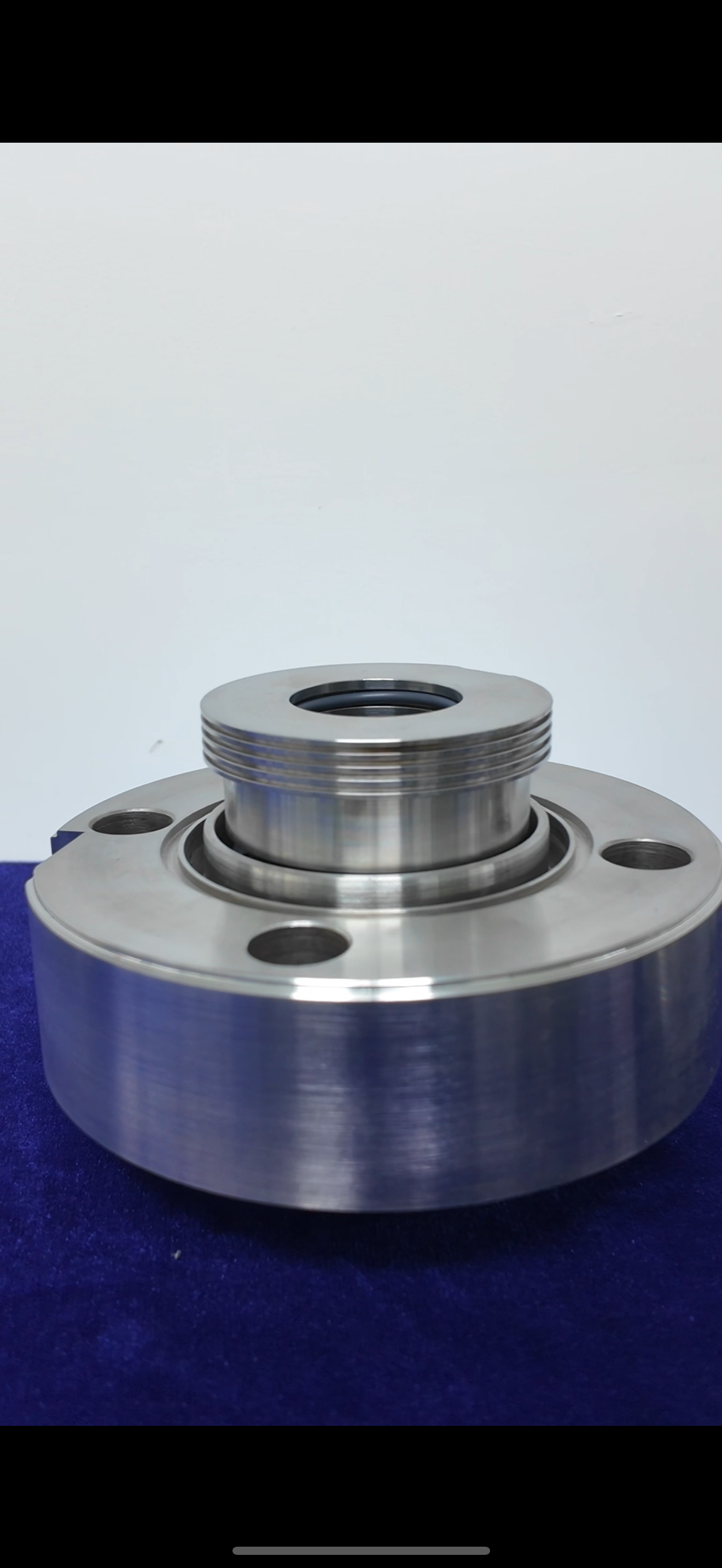
Selecting the appropriate mechanical seal for your pump system is a critical decision that directly impacts operational efficiency, maintenance costs, and equipment longevity. A mechanical seal serves as the primary barrier between the rotating shaft and the stationary pump housing, preventing fluid leakage while allowing smooth rotation. Understanding the fundamental principles behind mechanical seal selection ensures optimal performance across various industrial applications, from chemical processing to water treatment facilities.
Understanding Mechanical Seal Fundamentals
Basic Components and Function
Every mechanical seal consists of several essential components that work together to create an effective sealing solution. The primary ring, typically made from carbon or ceramic materials, rotates with the pump shaft and maintains contact with a stationary mating ring. This contact creates a seal interface that prevents fluid from escaping along the shaft. The secondary sealing elements, including O-rings and gaskets, provide additional sealing around the mechanical seal components to ensure complete containment.
The spring system within a mechanical seal applies consistent pressure to maintain proper contact between the sealing faces. This spring-loading mechanism compensates for wear and thermal expansion, ensuring reliable sealing performance throughout the operational life cycle. Understanding these fundamental components helps engineers and maintenance professionals make informed decisions when specifying a mechanical seal for specific applications.
Types of Mechanical Seal Configurations
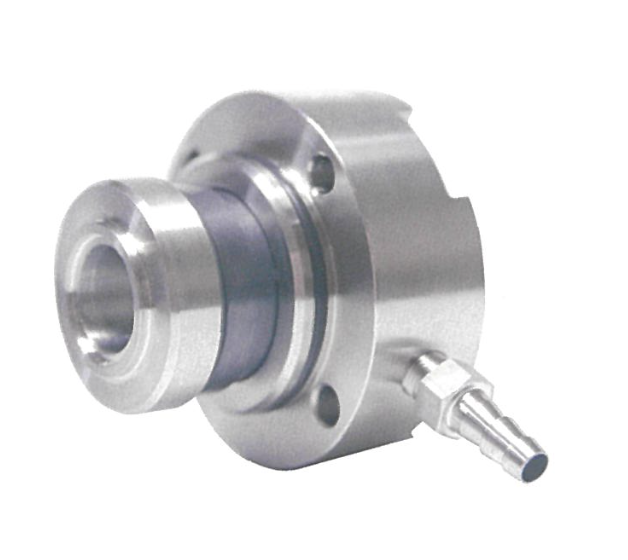
Single mechanical seal configurations represent the most common sealing arrangement, featuring one set of sealing faces that contain the process fluid directly. These seals are cost-effective and suitable for non-hazardous, non-toxic applications where occasional minor leakage is acceptable. The simplicity of single mechanical seal designs makes them ideal for standard water pumps, HVAC systems, and general industrial processes.
Double mechanical seal arrangements provide enhanced containment by incorporating two sets of sealing faces with a barrier fluid between them. This configuration offers superior protection for hazardous or valuable process fluids, as any leakage from the inner seal is contained by the outer seal. The barrier fluid system also provides improved lubrication and cooling for the mechanical seal faces, extending operational life in demanding applications.
Critical Selection Parameters
Fluid Properties and Compatibility
The chemical composition and physical properties of the pumped fluid significantly influence mechanical seal material selection and design parameters. Corrosive chemicals require specialized face materials such as silicon carbide or tungsten carbide, which offer superior chemical resistance compared to standard carbon materials. Temperature extremes also affect material choices, as some elastomers and face materials may degrade under high-temperature conditions or become brittle at low temperatures.
Fluid viscosity impacts the lubrication characteristics at the mechanical seal interface, with high-viscosity fluids providing better lubrication but potentially creating higher drag forces. Abrasive particles suspended in the process fluid can cause accelerated wear on mechanical seal faces, requiring harder face materials or specialized flushing arrangements to remove contaminants from the sealing zone.
Operating Conditions Assessment
Pressure and temperature operating ranges directly determine the appropriate mechanical seal design and material specifications. High-pressure applications require robust seal designs with adequate spring loading and pressure balancing features to maintain proper face contact under varying conditions. Temperature fluctuations can cause thermal stress and dimensional changes that affect sealing performance.
Shaft speed influences the selection of face materials and lubrication requirements for optimal mechanical seal performance. Higher speeds generate more heat at the sealing interface, potentially requiring enhanced cooling systems or specialized face material combinations. The duty cycle and expected service life also factor into the selection process, with continuous-duty applications requiring more robust designs than intermittent service pumps.
Material Selection Considerations
Face Material Combinations
Carbon-ceramic face combinations represent the most widely used mechanical seal configuration due to their excellent compatibility with water and mild chemical applications. Carbon provides good conformability and thermal shock resistance, while ceramic offers superior wear resistance and chemical inertness. This pairing works effectively in temperatures up to 400°F and provides reliable service in most general industrial applications.
Silicon carbide face materials offer enhanced performance in aggressive chemical environments and high-temperature applications. Silicon carbide provides exceptional hardness, thermal conductivity, and chemical resistance, making it ideal for mechanical seal applications involving acids, caustics, and high-temperature fluids. The superior thermal properties of silicon carbide help dissipate heat generated at the sealing interface, extending operational life.
Elastomer and Secondary Seal Selection
Nitrile rubber elastomers provide cost-effective sealing for petroleum-based fluids and moderate temperature applications up to 250°F. These materials offer good flexibility and chemical resistance for hydrocarbon services but may swell excessively in certain solvents. Proper elastomer selection ensures reliable secondary sealing around the mechanical seal components while maintaining flexibility under operating conditions.
Fluorocarbon elastomers deliver superior chemical resistance and high-temperature performance for demanding mechanical seal applications. These advanced materials maintain sealing integrity in aggressive chemicals and temperatures up to 400°F, making them essential for chemical processing and pharmaceutical applications. The higher cost of fluorocarbon materials is offset by extended service life and reduced maintenance requirements.
Installation and Maintenance Best Practices
Proper Installation Procedures
Correct mechanical seal installation begins with thorough inspection of the pump housing, shaft, and seal chamber dimensions to ensure proper fit and alignment. Any scoring, corrosion, or dimensional deviations must be addressed before installing the new mechanical seal. Clean assembly practices prevent contamination that could cause premature seal failure or reduced performance.
Shaft alignment and runout measurements are critical for mechanical seal longevity, as excessive vibration or misalignment creates uneven wear patterns and premature failure. The seal chamber must be properly flushed and vented to remove air pockets that could interfere with lubrication or cause dry running conditions. Following manufacturer torque specifications and assembly sequences ensures proper compression and sealing of all components.
Monitoring and Maintenance Strategies
Regular monitoring of mechanical seal performance through leakage observation, temperature measurement, and vibration analysis helps identify potential issues before catastrophic failure occurs. Establishing baseline measurements during initial startup provides reference points for ongoing condition assessment. Many modern facilities implement predictive maintenance programs that track mechanical seal performance trends over time.
Preventive maintenance schedules should include periodic inspection of auxiliary systems such as flush lines, cooling water circuits, and barrier fluid reservoirs. These support systems are essential for mechanical seal reliability, and their failure can quickly lead to seal damage. Maintaining spare parts inventory for critical mechanical seal applications ensures minimal downtime when replacement becomes necessary.
Troubleshooting Common Issues
Identifying Failure Modes
Excessive leakage often indicates mechanical seal face wear, spring failure, or loss of face contact due to contamination or thermal distortion. Visual inspection of the failed mechanical seal components can reveal the root cause and guide corrective actions for future installations. Proper failure analysis prevents recurring problems and optimizes seal selection for specific operating conditions.
Heat generation and face damage typically result from inadequate lubrication, misalignment, or operation outside design parameters. Dry running conditions cause rapid mechanical seal failure due to excessive friction and temperature buildup at the sealing interface. Understanding these failure mechanisms helps maintenance personnel implement appropriate corrective measures and operational adjustments.
Performance Optimization Techniques
Implementing proper flush plans and auxiliary systems can significantly extend mechanical seal life while improving overall pump reliability. API Plan 11 flush systems provide clean fluid circulation across the seal faces, removing heat and contaminants that could cause premature wear. More complex flush plans may be required for challenging applications involving high temperatures, abrasive fluids, or toxic chemicals.
Environmental controls around the mechanical seal chamber, including temperature regulation and vibration dampening, create optimal operating conditions for extended service life. Regular training of maintenance personnel on proper handling, installation, and troubleshooting techniques ensures consistent application of best practices across the facility.
FAQ
What factors determine mechanical seal service life
Service life depends on operating conditions, material compatibility, installation quality, and maintenance practices. Proper selection of face materials and elastomers for specific applications, combined with correct installation and adequate lubrication, typically results in service life ranging from six months to several years. Regular monitoring and preventive maintenance help maximize mechanical seal performance and reliability.
How do I know when a mechanical seal needs replacement
Visible leakage, unusual noise, excessive heat generation, or vibration changes indicate potential mechanical seal problems requiring investigation. Scheduled inspections should monitor these parameters along with flush system performance and auxiliary equipment condition. Early detection of deteriorating performance allows for planned replacement rather than emergency repairs.
Can mechanical seal designs be upgraded for better performance
Many pump applications can benefit from upgrading to more advanced mechanical seal designs that offer improved reliability, extended service life, or enhanced safety features. Cartridge-type mechanical seal assemblies simplify installation and reduce the risk of assembly errors. Double seals with barrier fluid systems provide enhanced containment for hazardous applications.
What are the most common installation mistakes to avoid
Common installation errors include incorrect spring compression, contamination during assembly, improper shaft preparation, and failure to follow specified torque values. Inadequate flushing of the seal chamber before startup can introduce contaminants that cause rapid wear. Proper training and adherence to manufacturer instructions prevent most installation-related mechanical seal failures.