 EN
EN


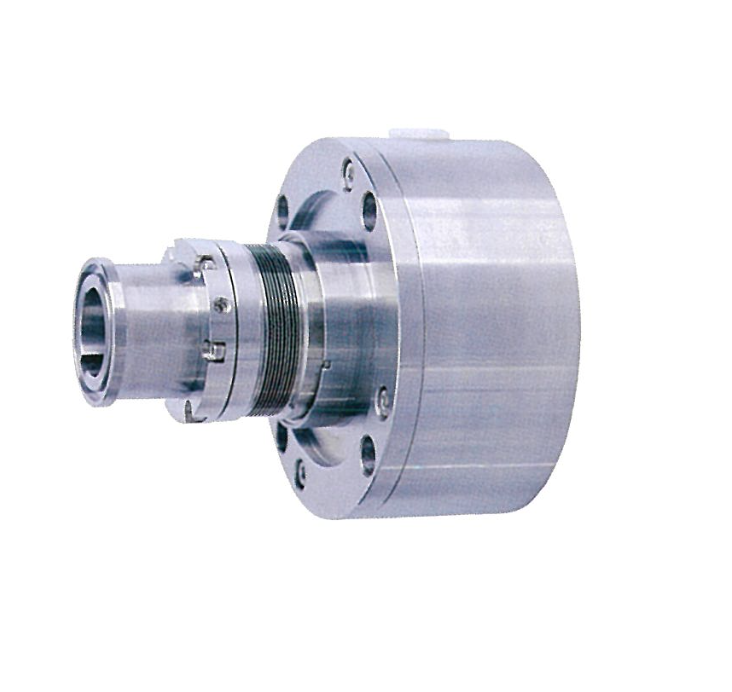
Selecting the appropriate mechanical sealing solution represents one of the most critical decisions in pump and rotating equipment design. Engineers must carefully evaluate the specific operating conditions, fluid characteristics, and performance requirements when choosing between single and double mech seals. This decision directly impacts equipment reliability, maintenance costs, and overall system performance across industrial applications. Understanding the fundamental differences between these sealing configurations enables professionals to make informed choices that optimize both operational efficiency and long-term equipment integrity.
Understanding Single Face Mechanical Seals
Basic Design Principles
Single face mech seals operate with one primary sealing interface between the rotating and stationary components. The seal face arrangement consists of a rotating ring attached to the shaft and a stationary ring mounted in the seal housing. This configuration creates a single barrier between the process fluid and the atmosphere, relying on precise face contact and fluid film lubrication to prevent leakage. The simplicity of this design makes single mech seals the most common choice for standard industrial applications where process conditions fall within moderate ranges.
The sealing mechanism depends on maintaining optimal face contact pressure through spring loading and hydraulic balance. Primary ring materials typically include carbon, silicon carbide, or tungsten carbide, while mating rings often feature ceramic, silicon carbide, or hardened steel surfaces. The selection of face materials directly influences seal performance, wear resistance, and compatibility with specific process fluids. Proper material pairing ensures adequate lubrication, minimal friction, and extended operational life under normal operating conditions.
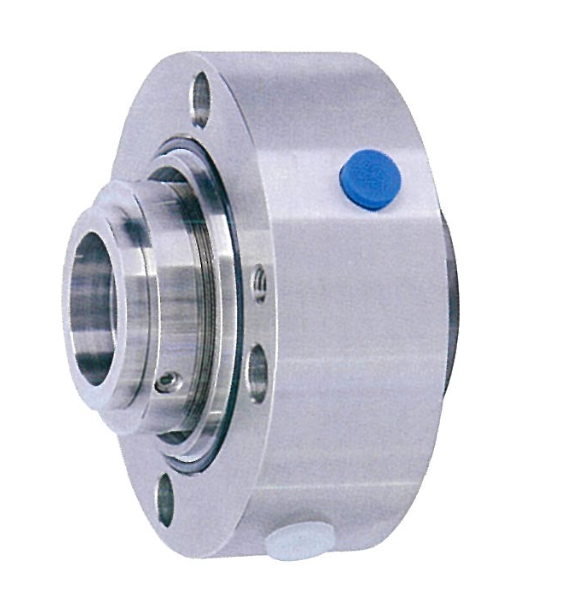
Operational Advantages
Cost effectiveness represents the primary advantage of single mech seals in most applications. The simpler design requires fewer components, reduces manufacturing complexity, and minimizes initial investment costs. Installation procedures are straightforward, requiring less specialized knowledge and reducing labor expenses during maintenance activities. Single seals also consume less axial space within pump housings, providing greater flexibility in equipment design and retrofit applications.
Maintenance simplicity further enhances the appeal of single mech seals for routine industrial service. Technicians can quickly inspect, replace, and troubleshoot single seal configurations without extensive disassembly procedures. The reduced component count minimizes inventory requirements and spare parts management complexity. These operational benefits make single mech seals ideal for applications with readily available maintenance resources and moderate reliability requirements.
Double Mechanical Seal Configurations
Dual Barrier Protection
Double mech seals incorporate two complete sealing interfaces arranged in series to provide enhanced containment capabilities. The primary seal faces the process fluid directly, while the secondary seal creates an additional barrier between the process and atmosphere. This dual barrier arrangement significantly reduces the probability of process fluid leakage to the environment, making double seals essential for hazardous, toxic, or environmentally sensitive applications.
The space between the primary and secondary seals, known as the seal chamber or buffer zone, contains a barrier fluid that serves multiple functions. This barrier fluid provides lubrication for both seal faces, removes heat generated by friction, and creates a clean environment for optimal seal performance. The barrier fluid system can operate under various pressure arrangements, including tandem, back-to-back, or face-to-face configurations, depending on specific application requirements and safety considerations.
Enhanced Reliability Features
Redundancy represents the fundamental reliability advantage of double mech seals over single configurations. If the primary seal experiences wear or damage, the secondary seal continues to provide containment until scheduled maintenance can be performed. This backup protection significantly reduces the risk of unexpected failures and environmental incidents, particularly important in continuous process operations where unplanned shutdowns create substantial economic losses.
Advanced monitoring capabilities integrate seamlessly with double seal systems through barrier fluid instrumentation. Operators can monitor barrier fluid pressure, temperature, and flow rates to assess seal condition and predict maintenance requirements. Early detection of primary seal degradation enables proactive maintenance scheduling, minimizing disruption to production operations while ensuring environmental compliance and worker safety.
Application-Specific Selection Criteria
Process Fluid Characteristics
Fluid properties significantly influence the choice between single and double mech seals across various industrial applications. Corrosive chemicals, abrasive slurries, and high-temperature fluids may require the additional protection offered by double seal configurations. Process fluids containing suspended solids or crystallizing compounds benefit from the clean barrier fluid environment provided by double seals, preventing seal face damage and extending operational life.
Hazardous material handling mandates careful consideration of seal selection based on fluid toxicity, flammability, and environmental impact. Volatile organic compounds, carcinogenic substances, and materials regulated under environmental protection standards typically require double mech seals with appropriate barrier fluid systems. The secondary containment provided by double seals ensures compliance with safety regulations and minimizes exposure risks for maintenance personnel.
Operating Conditions Assessment
Temperature and pressure conditions play crucial roles in determining optimal seal configuration for specific applications. High-pressure systems may benefit from the pressure balancing capabilities of double mech seals, while extreme temperature applications require careful consideration of thermal expansion effects and material selection. The barrier fluid system in double seals provides additional temperature control and thermal management capabilities not available with single seal designs.
Duty cycle requirements and operational flexibility needs influence seal selection decisions in many industrial environments. Continuous operation applications often justify the higher initial investment in double mech seals through reduced maintenance frequency and improved reliability. Intermittent service applications may find single seals adequate for their operational requirements while minimizing capital expenditure and complexity.
Performance Comparison Analysis
Reliability Metrics
Mean time between failures typically shows significant improvement with double mech seals compared to single configurations in demanding applications. Industry data indicates that double seals can achieve two to three times longer operational life in corrosive or abrasive service conditions. However, this reliability advantage comes with increased system complexity and higher maintenance skill requirements, factors that must be considered in overall reliability analysis.
Failure mode analysis reveals different risk profiles between single and double seal configurations. Single mech seals experience direct exposure to process conditions, making them more susceptible to sudden failures from contamination or process upsets. Double seals distribute wear between two sealing interfaces while providing early warning through barrier fluid monitoring systems, enabling more predictable maintenance scheduling and failure prevention.
Economic Considerations
Total cost of ownership calculations must include initial purchase price, installation costs, maintenance expenses, and downtime impact when comparing seal options. While double mech seals require higher upfront investment, their extended operational life and reduced failure frequency can provide favorable economics in critical applications. The cost analysis should also consider environmental compliance costs and potential liability exposure from seal failures.
Energy consumption differences between single and double seal configurations typically favor single seals due to reduced friction losses. However, the energy penalty associated with double mech seals is often negligible compared to the total pump power consumption. Barrier fluid circulation systems in double seals consume additional energy, but modern designs minimize this impact through efficient circulation and cooling arrangements.
Installation and Maintenance Requirements
Installation Complexity
Single mech seals offer straightforward installation procedures that most maintenance technicians can complete with standard tools and basic training. The alignment requirements are less critical, and the absence of auxiliary systems reduces the potential for installation errors. This simplicity translates to shorter installation times and lower labor costs, particularly important during emergency repairs or planned maintenance outages.
Double seal installations require more careful attention to barrier fluid systems, piping connections, and instrumentation integration. Proper commissioning procedures ensure optimal barrier fluid pressure, flow rates, and monitoring system functionality. The increased complexity demands higher skill levels from installation personnel and more comprehensive documentation to ensure proper system operation and compliance with design specifications.
Maintenance Strategies
Predictive maintenance programs can be more effectively implemented with double mech seals due to the availability of condition monitoring data from barrier fluid systems. Regular analysis of barrier fluid properties, pressure trends, and flow patterns provides early indication of seal degradation before failure occurs. This capability enables condition-based maintenance scheduling rather than reactive repair approaches.
Spare parts inventory requirements differ significantly between single and double seal configurations. Single mech seals require fewer unique components, simplifying inventory management and reducing carrying costs. Double seals necessitate stocking barrier fluid system components, instrumentation parts, and dual seal assemblies, increasing inventory complexity but providing greater operational flexibility during emergency situations.
Industry-Specific Applications
Chemical Processing
Chemical manufacturing facilities typically implement double mech seals for handling hazardous or valuable process chemicals. The secondary containment provided by double seals prevents product loss and environmental contamination while ensuring worker safety. Barrier fluid systems can be designed to neutralize or contain leaked process chemicals, providing additional safety margins in critical applications.
Specialty chemical production often involves high-value materials where product loss prevention justifies the additional investment in double seal technology. The improved reliability and reduced maintenance frequency of double mech seals minimize production disruptions and maintain consistent product quality. Clean barrier fluid environments also prevent cross-contamination between different chemical products during seal maintenance activities.
Petroleum Refining
Refinery applications commonly utilize both single and double mech seals depending on specific service requirements and environmental regulations. Light hydrocarbon services typically employ double seals to prevent vapor emissions and ensure compliance with air quality standards. Heavy oil and asphalt services may use single seals where containment requirements are less stringent and operating conditions favor simpler designs.
Crude oil handling systems often select seal configurations based on sulfur content, temperature levels, and downstream processing requirements. High-sulfur crude oils require careful material selection and may benefit from the clean environment provided by double seal barrier fluid systems. The corrosive nature of these fluids makes the redundant protection of double mech seals attractive for critical pumping applications.
Future Technology Trends
Smart Seal Technologies
Digital monitoring integration represents a significant advancement in mech seals technology, particularly for double seal configurations. Wireless sensors embedded within seal assemblies provide real-time data on temperature, vibration, and leakage rates. These smart systems enable remote monitoring and predictive analytics that optimize maintenance scheduling and prevent unexpected failures across industrial facilities.
Artificial intelligence applications in seal condition monitoring analyze patterns in operational data to predict remaining useful life with greater accuracy. Machine learning algorithms identify subtle changes in seal performance that human operators might overlook, enabling more precise maintenance interventions. These technological advances are making double mech seals increasingly attractive for critical applications where downtime prevention justifies advanced monitoring investments.
Material Innovations
Advanced ceramic and carbide materials continue improving the performance capabilities of both single and double mech seals. Nano-engineered surface treatments enhance wear resistance and reduce friction coefficients, extending seal life in demanding applications. These material advances benefit both seal configurations but may have greater impact on single seals where direct process exposure creates more challenging operating conditions.
Composite materials and specialized coatings offer improved chemical compatibility and thermal stability for extreme service conditions. The development of self-lubricating materials reduces dependence on process fluid lubrication, potentially expanding the application range for single mech seals while maintaining the inherent advantages of double seal configurations in hazardous service.
FAQ
When should I choose double mech seals over single seals?
Double mech seals are recommended for hazardous chemicals, toxic fluids, high-value products, or applications where environmental compliance requires secondary containment. They also provide advantages in high-pressure systems, abrasive services, or continuous operation applications where reliability is critical. Consider double seals when the cost of seal failure exceeds the additional investment in dual barrier protection.
What maintenance differences exist between single and double seal configurations?
Single mech seals require simpler maintenance procedures with fewer components and less specialized training. Double seals need additional attention to barrier fluid systems, instrumentation, and more complex troubleshooting procedures. However, double seals often provide better predictive maintenance capabilities through monitoring systems, potentially reducing overall maintenance frequency and enabling planned repair scheduling.
How do operating costs compare between single and double mech seals?
Single mech seals have lower initial costs, simpler installation, and reduced energy consumption due to lower friction losses. Double seals require higher upfront investment, barrier fluid system maintenance, and specialized training but can provide lower total cost of ownership in critical applications through improved reliability and extended operational life. The economic comparison depends heavily on specific application requirements and failure consequences.
Can single mech seals be upgraded to double seal configurations?
Upgrading from single to double seals typically requires significant modifications to pump design, including enlarged seal chambers, barrier fluid piping systems, and instrumentation integration. The mechanical changes often make retrofitting impractical or uneconomical. Most upgrades involve complete pump replacement or major overhaul work. Planning for future seal requirements during initial equipment specification prevents costly retrofit limitations.