 EN
EN


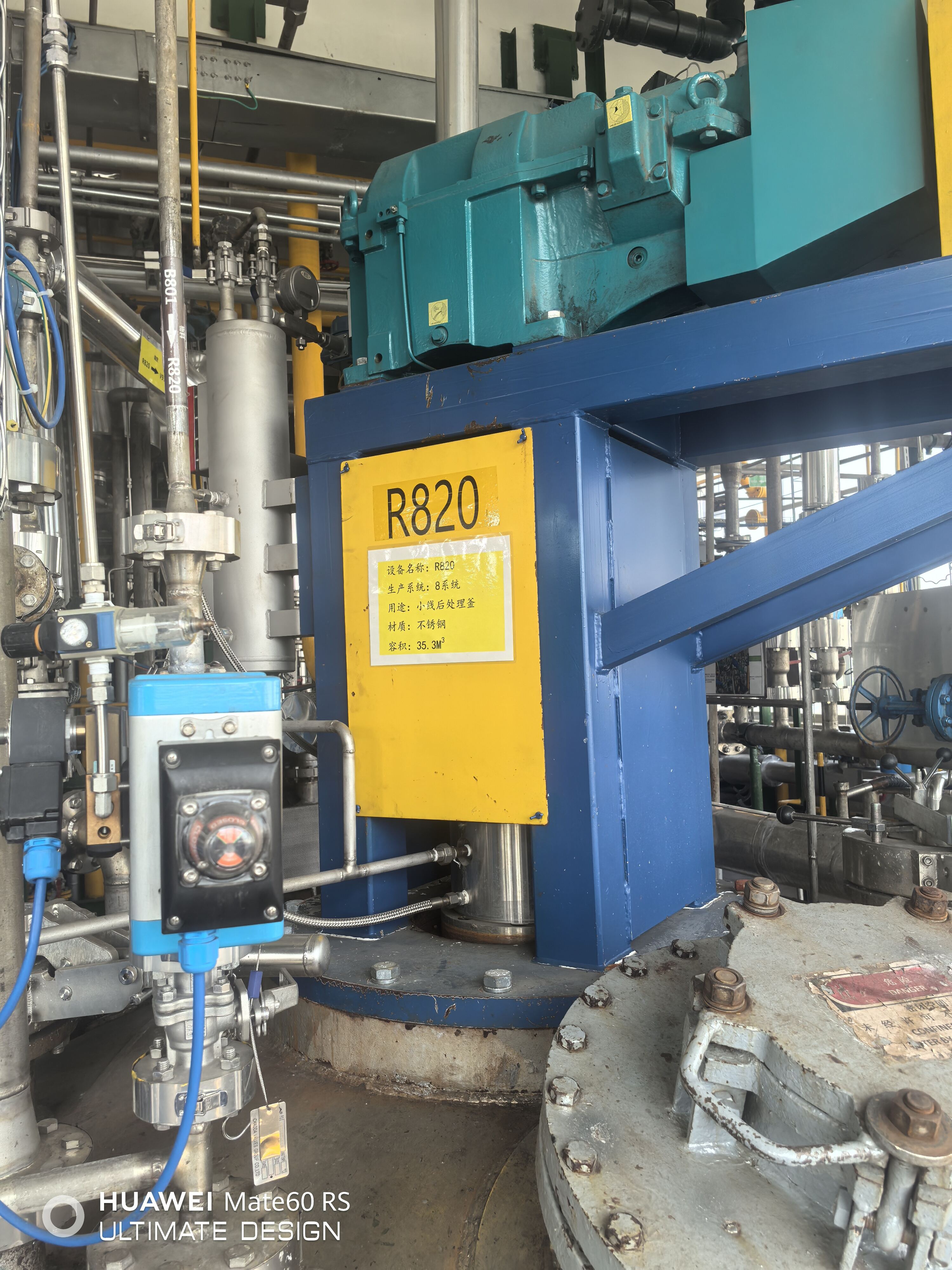
Temperature plays a critical role in determining the performance and longevity of agitator seals in industrial applications. These essential components face constant thermal challenges that can significantly impact their sealing effectiveness, material integrity, and operational reliability. Understanding the relationship between temperature variations and seal performance is crucial for engineers and maintenance professionals who depend on reliable agitator systems across diverse industrial environments.
The thermal environment surrounding agitator seals directly affects multiple performance parameters including seal face lubrication, material expansion rates, and chemical compatibility. When temperatures exceed design specifications, these seals may experience accelerated wear, increased leakage rates, and premature failure. Conversely, extremely low temperatures can cause material brittleness and reduced flexibility, compromising the seal's ability to maintain proper contact pressure and containment effectiveness.
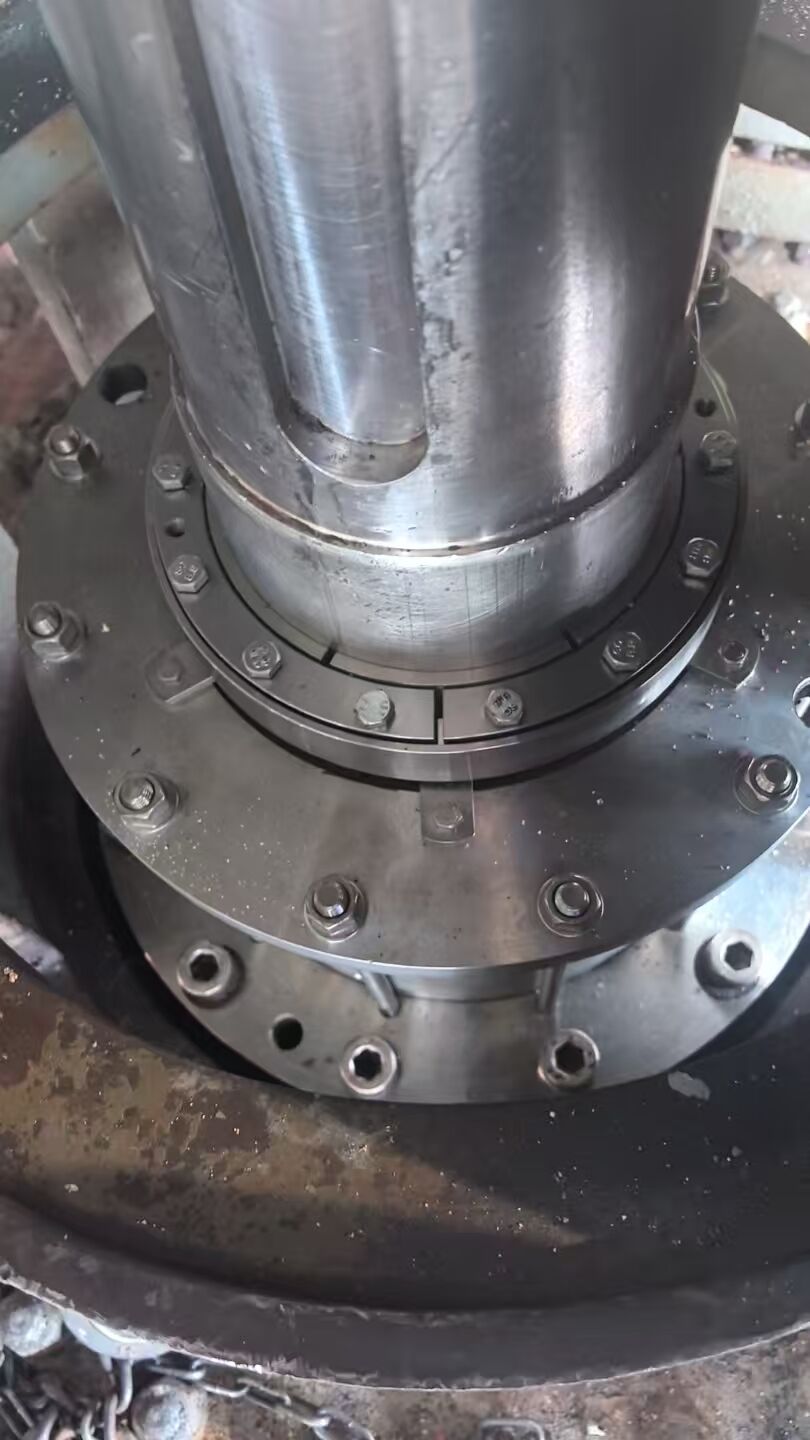
Thermal Effects on Seal Material Properties
Elastomer Behavior Under Temperature Stress
Elastomeric components within agitator seals exhibit significant behavioral changes when exposed to temperature fluctuations. At elevated temperatures, rubber and polymer materials typically experience thermal expansion, which can alter the dimensional stability and contact pressures essential for effective sealing. The coefficient of thermal expansion varies significantly between different elastomer compounds, making material selection critical for applications with wide temperature ranges.
High-temperature exposure accelerates the aging process in elastomeric seals through oxidation and thermal degradation mechanisms. These chemical processes break down polymer chains, resulting in hardening, cracking, and loss of elasticity. Common elastomers like nitrile rubber begin showing performance degradation above 120°C, while specialized materials such as fluoroelastomers maintain stability at temperatures exceeding 200°C.
Low-temperature applications present different challenges for agitator seals, as elastomers become increasingly rigid and lose their ability to conform to surface irregularities. This glass transition phenomenon occurs at different temperatures depending on the polymer type, potentially causing seal failure when operating temperatures drop below the material's lower service limit.
Metal Component Thermal Response
The metallic components of agitator seals, including springs, retainers, and face materials, also respond to temperature changes through thermal expansion and contraction. These dimensional changes can significantly affect the seal's mechanical balance and face loading characteristics. Stainless steel components typically expand at rates of approximately 10-15 micrometers per meter per degree Celsius, which becomes significant in large-diameter agitator applications.
Temperature differentials across seal components can create thermal stress concentrations that lead to distortion and premature wear. When the rotating shaft operates at a different temperature than the stationary housing, differential expansion rates can alter the seal chamber geometry and compromise sealing performance. Understanding these thermal dynamics is essential for proper agitator seals selection and installation.
Lubrication and Thermal Management
Viscosity Changes in Seal Environment
Temperature significantly influences the viscosity of process fluids surrounding agitator seals, directly affecting lubrication effectiveness and heat dissipation capabilities. As temperatures increase, most liquids experience reduced viscosity, which can lead to thinner lubricating films between seal faces and increased metal-to-metal contact. This phenomenon accelerates wear rates and reduces seal life in high-temperature applications.
Conversely, low temperatures increase fluid viscosity, potentially improving lubrication but creating challenges for seal face opening and closing dynamics. Thick, viscous fluids may prevent proper seal face separation during startup, causing excessive wear and heat generation. The optimal operating temperature range for agitator seals often corresponds to fluid viscosities that provide adequate lubrication without impeding seal mechanics.
Process fluids with poor thermal stability may undergo chemical changes at elevated temperatures, forming deposits or corrosive compounds that compromise seal performance. These thermally induced chemical reactions can create abrasive particles, acidic conditions, or polymerization products that accelerate seal degradation and reduce operational reliability.
Heat Generation and Dissipation Mechanisms
Friction between seal faces generates heat that must be effectively dissipated to prevent thermal damage to agitator seals. The heat generation rate depends on several factors including face pressure, sliding velocity, and lubrication effectiveness. Poor heat dissipation can create localized hot spots that cause thermal distortion, face warping, and catastrophic seal failure.
Effective thermal management requires careful consideration of heat transfer paths from the seal faces to the surrounding environment. Process fluid circulation, external cooling systems, and material thermal conductivity all influence the seal's ability to maintain acceptable operating temperatures. Inadequate cooling can cause thermal runaway conditions where increasing temperatures reduce lubrication effectiveness, leading to higher friction and further temperature increases.
Temperature-Induced Failure Mechanisms
Thermal Shock and Cycling Effects
Rapid temperature changes create thermal shock conditions that can cause immediate failure in agitator seals. Sudden heating or cooling creates differential expansion rates between seal components, potentially causing cracking, distortion, or loss of contact pressure. These thermal shock events are particularly damaging when temperature changes exceed 50°C within short time periods.
Repeated temperature cycling creates fatigue stress in seal materials through continuous expansion and contraction cycles. This thermal fatigue mechanism gradually weakens elastomeric components and can cause crack initiation in metal parts. The number of cycles to failure depends on the temperature range, cycling frequency, and material properties of the specific agitator seals design.
Process applications involving frequent startup and shutdown operations subject seals to regular thermal cycling that must be considered during seal selection and maintenance planning. Understanding the cumulative effects of thermal cycling helps predict seal life and optimize replacement schedules for critical agitator systems.
Chemical Degradation Acceleration
Elevated temperatures accelerate chemical attack mechanisms that degrade seal materials over time. Oxidation rates typically double for every 10°C temperature increase, following the Arrhenius relationship for chemical reaction kinetics. This exponential relationship means that relatively small temperature increases can dramatically reduce seal life in chemically aggressive environments.
Hydrolysis reactions in certain polymer materials are also temperature-dependent, with polyurethane and some fluoroelastomer compounds showing increased degradation rates in hot, humid conditions. The combination of temperature and chemical exposure creates synergistic effects that can cause rapid seal deterioration in demanding applications.
Design Considerations for Temperature Management
Material Selection Strategies
Selecting appropriate materials for agitator seals requires careful analysis of the expected temperature range and thermal cycling conditions. Different elastomer compounds offer varying temperature capabilities, with natural rubber suitable for moderate temperatures, nitrile rubber for intermediate ranges, and specialized fluorocarbons for extreme high-temperature applications. The selection process must balance temperature resistance with other performance requirements such as chemical compatibility and mechanical properties.
Advanced seal designs incorporate multiple materials optimized for specific functions within the temperature environment. Face materials may utilize ceramics or carbides for high-temperature applications, while secondary sealing elements employ elastomers specifically formulated for thermal stability. This multi-material approach allows agitator seals to perform effectively across wider temperature ranges than single-material designs.
Thermal Barrier and Cooling Integration
Modern agitator seal designs incorporate thermal management features to isolate sensitive components from extreme temperatures. Thermal barriers, heat sinks, and cooling jackets help maintain acceptable operating temperatures even when process conditions exceed material limits. These engineering solutions extend seal life and improve reliability in challenging thermal environments.
External cooling systems can be integrated with agitator seals to provide active temperature control. Circulating cooling fluids, heat exchangers, and thermoelectric cooling devices offer precise temperature management for critical applications. The investment in thermal management systems is often justified by improved seal reliability and reduced maintenance costs in high-temperature processes.
Proper installation practices also contribute to thermal management effectiveness. Adequate clearances, thermal expansion allowances, and heat dissipation pathways must be incorporated during agitator assembly to ensure optimal seal performance across the expected temperature range.
Monitoring and Maintenance Implications
Temperature Monitoring Systems
Continuous temperature monitoring provides valuable insights into agitator seals performance and helps predict maintenance requirements. Temperature sensors positioned near seal chambers can detect abnormal heat generation that indicates developing problems such as lubrication failure, face damage, or improper installation. Early detection of temperature anomalies allows proactive maintenance before catastrophic failure occurs.
Advanced monitoring systems correlate temperature data with other parameters such as vibration, pressure, and flow rate to provide comprehensive seal health assessment. Machine learning algorithms can analyze temperature trends to predict remaining seal life and optimize maintenance schedules based on actual operating conditions rather than fixed time intervals.
Preventive Maintenance Protocols
Temperature history significantly influences maintenance planning for agitator seals. Systems operating in high-temperature environments require more frequent inspection and replacement cycles due to accelerated wear mechanisms. Maintenance protocols should account for cumulative thermal exposure and adjust service intervals accordingly to prevent unexpected failures.
Thermal cycling applications benefit from condition-based maintenance approaches that monitor seal performance parameters rather than relying solely on time-based schedules. Regular thermal imaging surveys can identify developing hot spots or cooling system inefficiencies before they impact seal performance, enabling targeted maintenance actions.
FAQ
What temperature range can standard agitator seals handle?
Standard agitator seals typically operate effectively within temperature ranges of -20°C to 150°C, depending on the specific material composition and design. Nitrile rubber seals generally handle temperatures up to 120°C, while fluoroelastomer seals can withstand temperatures exceeding 200°C. For extreme temperature applications, specialized seal designs with ceramic faces and high-temperature elastomers can operate at temperatures up to 350°C or higher with appropriate cooling systems.
How does rapid temperature change affect seal performance?
Rapid temperature changes create thermal shock conditions that can cause immediate seal failure through differential expansion rates between components. Temperature changes exceeding 50°C within minutes can cause cracking, distortion, or loss of sealing contact. To minimize thermal shock effects, gradual temperature changes should be implemented during startup and shutdown procedures, and seal designs should incorporate materials with similar thermal expansion coefficients.
Can cooling systems extend agitator seal life in high-temperature applications?
Yes, properly designed cooling systems can significantly extend seal life in high-temperature applications by maintaining optimal operating temperatures and preventing thermal degradation. External cooling jackets, circulation systems, and heat exchangers can reduce seal chamber temperatures by 50-100°C below process temperatures. The investment in cooling systems is often justified by improved reliability, reduced maintenance costs, and extended equipment life in demanding thermal environments.
What maintenance indicators suggest temperature-related seal problems?
Key indicators of temperature-related problems in agitator seals include abnormal heat generation detected by thermal monitoring, changes in leakage rates with temperature fluctuations, visible thermal damage such as cracking or hardening of elastomeric components, and correlation between seal failures and high-temperature operating periods. Regular thermal imaging and temperature logging help identify these issues before they result in catastrophic failure.