Advanced Dry Gas Seals Power Plants: Superior Sealing Technology for Enhanced Power Generation Efficiency

Get a Free Quote

Our representative will contact you soon.
Email
Name
Company Name
Message
0/1000

dry gas seals power plants

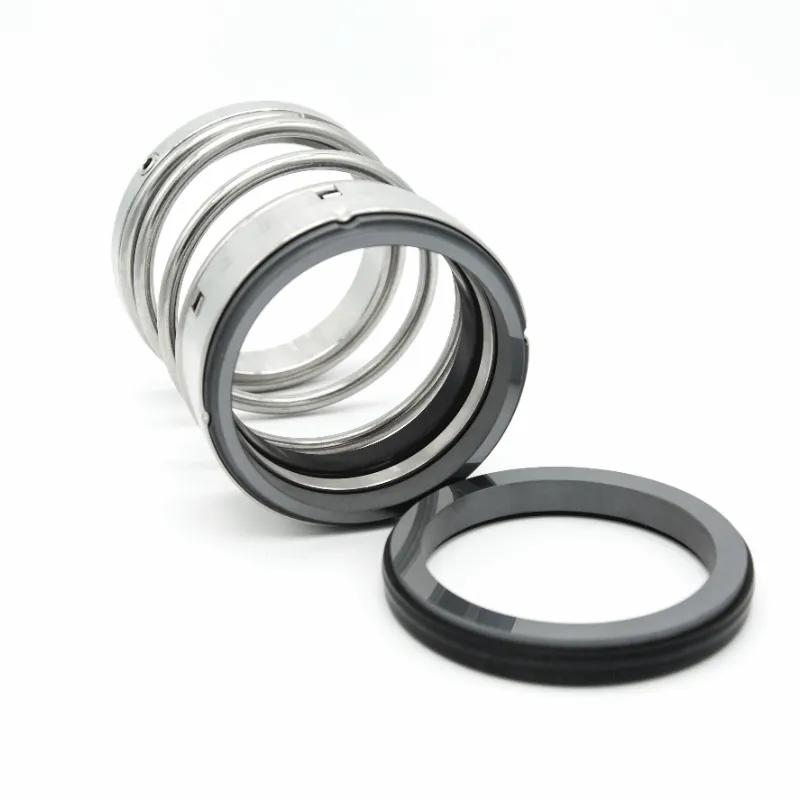
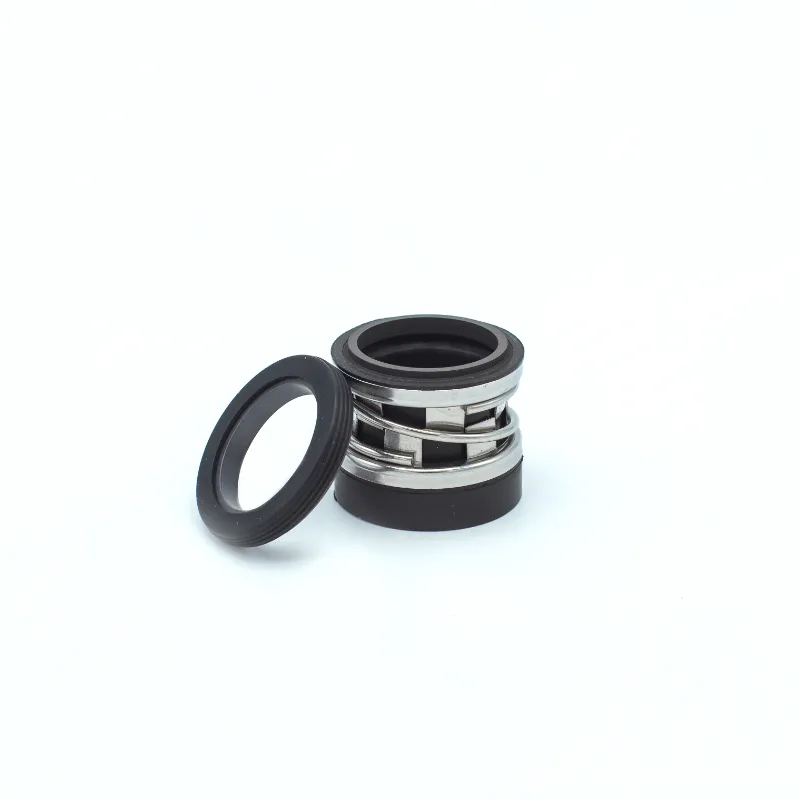
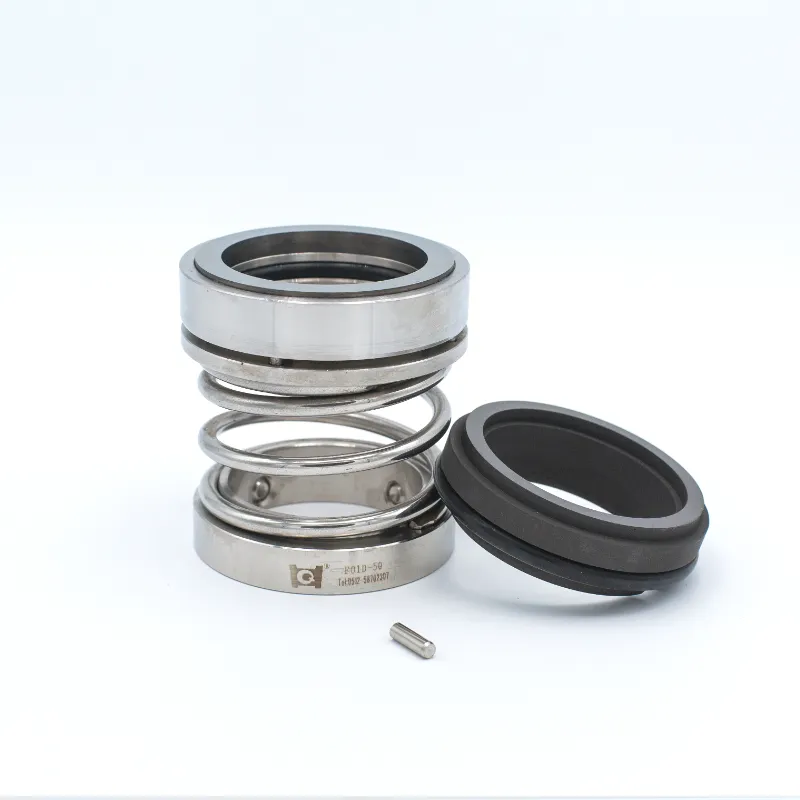
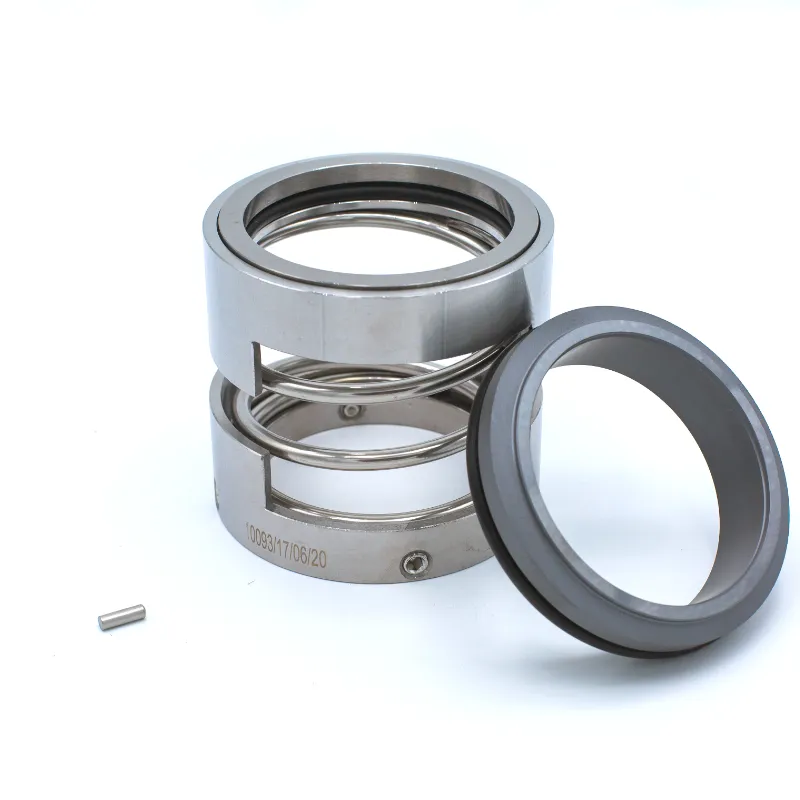
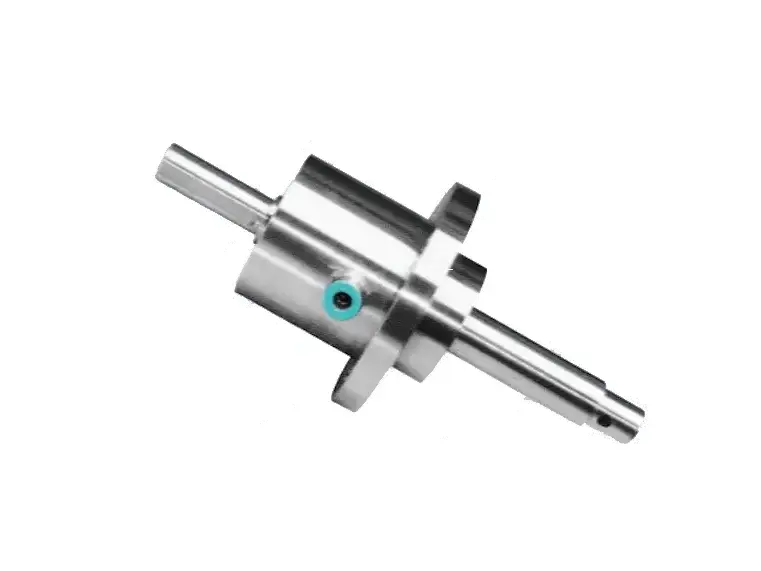
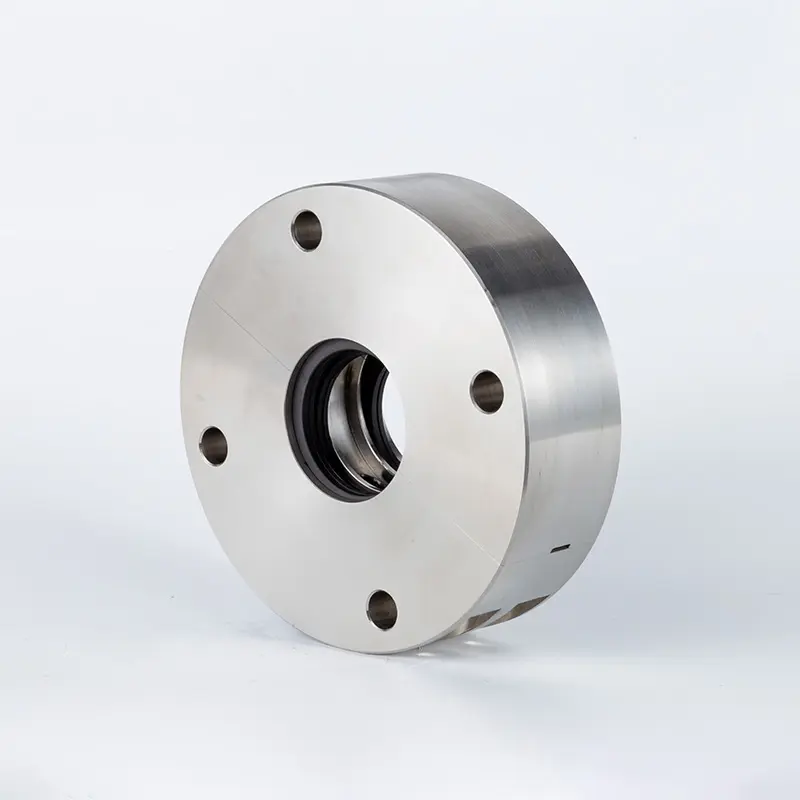
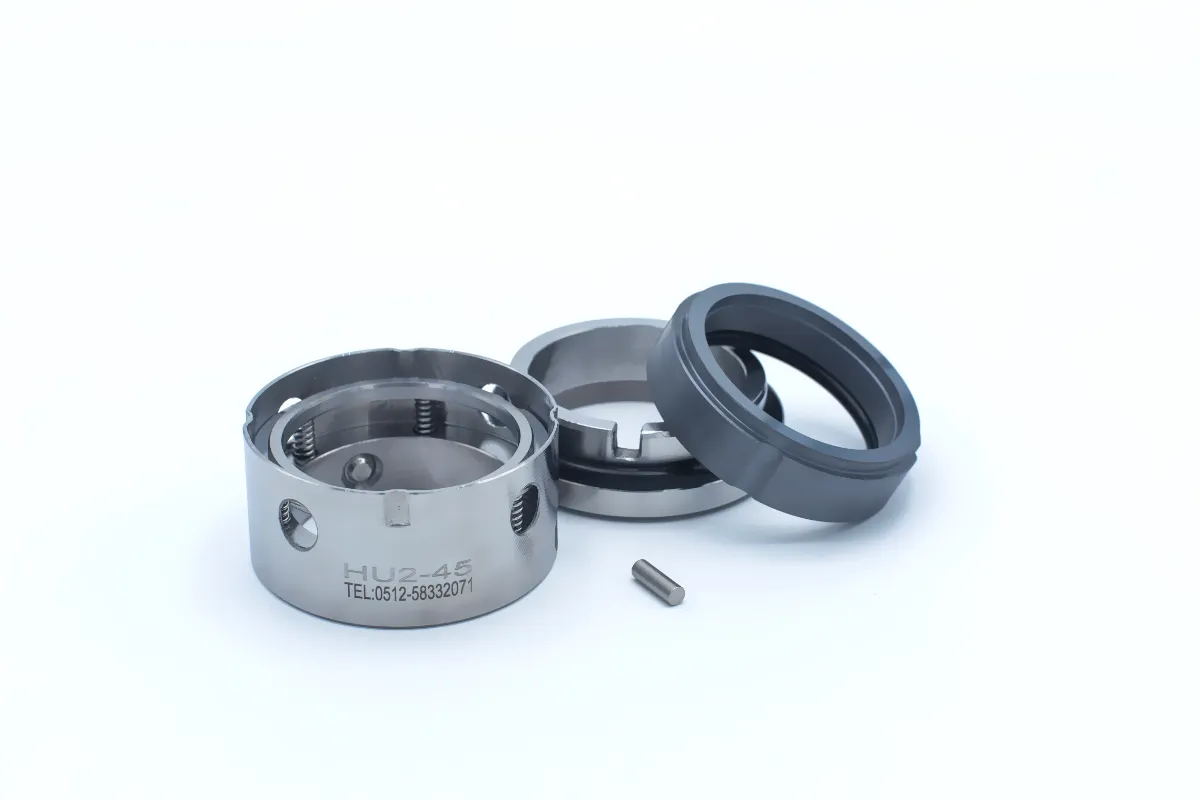
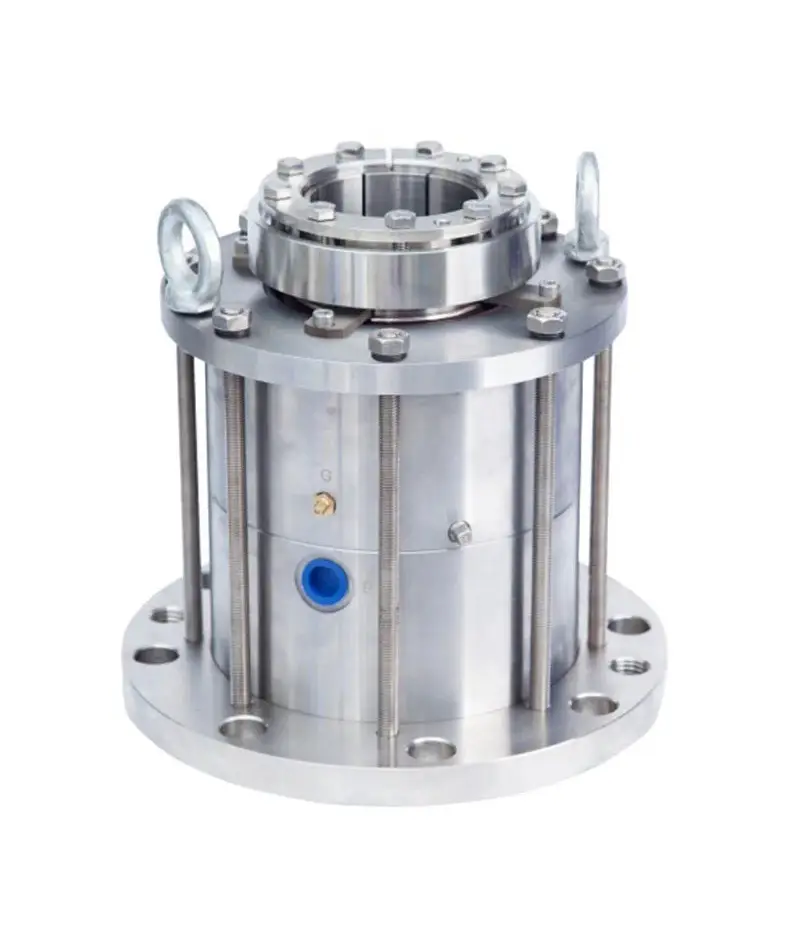
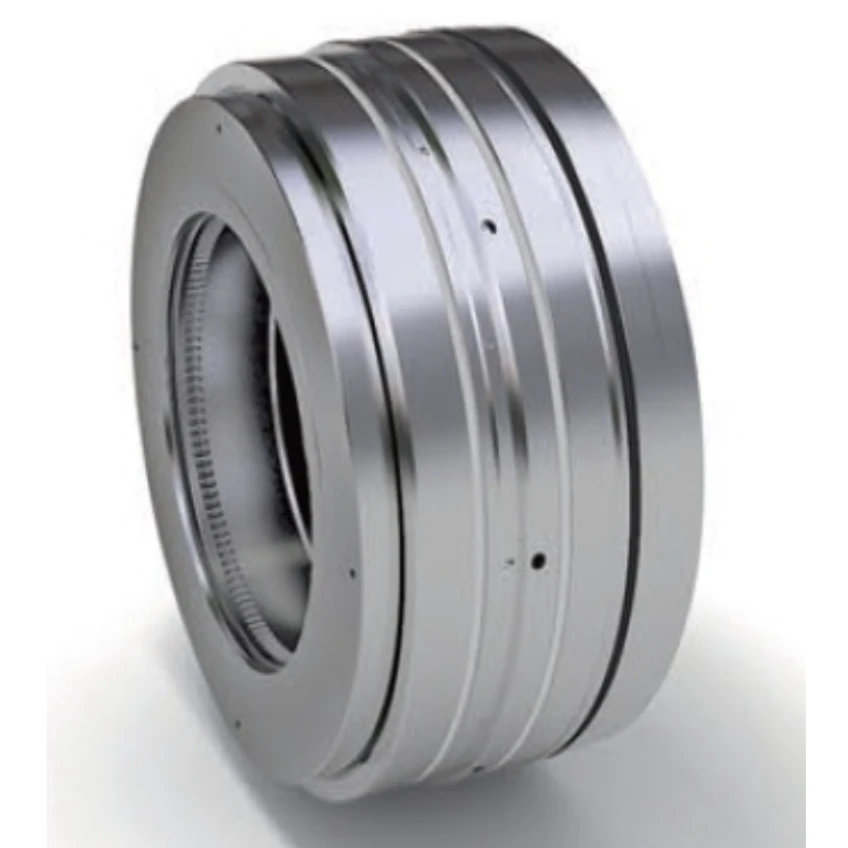
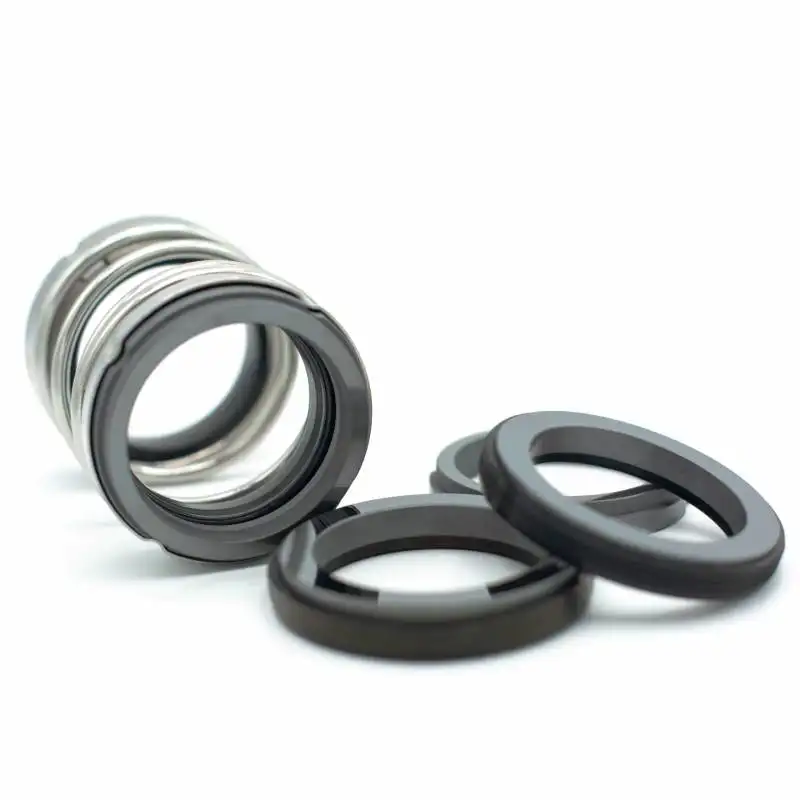
Dry gas seals power plants represent a revolutionary advancement in industrial sealing technology, specifically designed to enhance the operational efficiency and reliability of power generation facilities. These sophisticated sealing systems utilize non-contacting face seal technology to prevent gas leakage in critical rotating equipment such as compressors, turbines, and pumps. Unlike traditional wet seals that rely on liquid barrier fluids, dry gas seals power plants employ a thin film of gas to create an effective barrier between rotating and stationary components. The primary function of these systems involves maintaining optimal pressure differentials while preventing contamination and product loss. The technology features precision-engineered face geometries that generate hydrodynamic lift, creating a microscopic gap between seal faces during operation. This innovative design eliminates physical contact between sealing surfaces, dramatically reducing wear and extending equipment lifespan. Modern dry gas seals power plants incorporate advanced materials including silicon carbide, tungsten carbide, and specialized coatings that withstand extreme temperatures and pressures. The sealing mechanism operates through carefully controlled gas circulation patterns that provide both sealing effectiveness and cooling capabilities. These systems typically include primary and secondary sealing stages, with the primary seal handling the main process gas while the secondary seal manages barrier gas systems. Applications span across various power generation sectors including natural gas processing plants, steam turbine facilities, gas turbine power stations, and renewable energy installations. The technology proves particularly valuable in combined cycle power plants where efficiency optimization remains paramount. Installation flexibility allows integration into both new construction projects and retrofit applications for existing power generation facilities. Monitoring capabilities include real-time performance tracking, vibration analysis, and predictive maintenance scheduling to maximize operational uptime and prevent unexpected failures.

Popular Products

Dry gas seals power plants deliver exceptional operational benefits that translate directly into improved profitability and reduced maintenance costs for power generation facilities. The elimination of liquid seal oil systems removes the need for complex oil circulation equipment, filtration systems, and associated monitoring instrumentation, resulting in significant capital expenditure reductions during initial plant construction. Operational expenses decrease substantially as these systems eliminate oil consumption, reduce auxiliary power requirements for oil pumps and coolers, and minimize waste disposal costs associated with contaminated seal oil. The non-contacting design prevents seal face wear, extending service intervals from months to years and reducing planned maintenance downtime. Power plant operators experience enhanced reliability through consistent sealing performance across varying operating conditions, with typical seal life exceeding 25,000 operating hours before requiring attention. Environmental compliance becomes easier as dry gas seals power plants eliminate potential oil leaks and reduce fugitive emissions, helping facilities meet stringent environmental regulations. The technology supports higher rotational speeds and pressures compared to traditional sealing methods, enabling power plants to operate at peak efficiency levels. Energy consumption decreases as parasitic losses from oil circulation pumps and coolers are eliminated, contributing to improved overall plant heat rate. Maintenance personnel benefit from simplified service procedures that require less specialized training and fewer specialized tools compared to oil seal systems. Process gas contamination risks disappear as there is no liquid seal oil to potentially leak into the main gas stream, ensuring product quality and preventing downstream equipment damage. The robust design handles process upsets and transient conditions effectively, reducing the likelihood of emergency shutdowns that can cost power plants significant revenue. Installation versatility allows these systems to retrofit existing equipment with minimal modifications, providing upgrade paths for aging power generation facilities. Temperature tolerance capabilities enable operation in extreme conditions where traditional seals would fail, expanding operational envelopes for power plant equipment. Response time for pressure and temperature changes is superior, allowing power plants to follow grid demand fluctuations more effectively while maintaining sealing integrity throughout load cycling operations.

Latest News

Can Metal Bellow Seals Reduce Maintenance Costs?

27

Jun

Can Metal Bellow Seals Reduce Maintenance Costs?

Understanding Metal Bellow Seals and Their Core Mechanics Key Components and Design Features of Metal Bellow Seals Metal bellow seals are meticulously designed to meet specific industry standards and operational requirements. Their basic structure i...
View More
Common Challenges with Agitator Seals in Bioreactors

21

Jul

Common Challenges with Agitator Seals in Bioreactors

Sealing Systems in Sterile and Pressure-Sensitive Environments Bioreactors operate under highly controlled conditions, where sterility, pressure balance, and agitation efficiency must all coexist seamlessly. Among the critical components enabling thi...
View More
Key Features of High-Performance Agitator Seal Pressure Systems

06

Aug

Key Features of High-Performance Agitator Seal Pressure Systems

Ensuring Long-Term Efficiency in Industrial Sealing In the world of industrial processing, maintaining system integrity under various operational stresses is a continuous challenge. One of the most vital components for achieving this reliability is t...
View More
Agitator Seal Solutions for Chemical, Pharma & Food Processing

22

Dec

Agitator Seal Solutions for Chemical, Pharma & Food Processing

Industrial mixing operations in chemical, pharmaceutical, and food processing facilities rely heavily on dependable sealing solutions to maintain process integrity and operational efficiency. Agitator seals serve as critical components that prevent f...
View More

Get a Free Quote

Our representative will contact you soon.
Email
Name
Company Name
Country/Region
Message
0/1000

dry gas seals power plants

Zero-Contact Sealing Technology Maximizes Equipment Reliability

Zero-Contact Sealing Technology Maximizes Equipment Reliability

The cornerstone advantage of dry gas seals power plants lies in their revolutionary zero-contact sealing technology, which fundamentally transforms how power generation facilities approach equipment reliability and maintenance scheduling. Traditional contact-type seals create friction between rotating and stationary surfaces, leading to progressive wear, heat generation, and eventual seal failure that can compromise entire power plant operations. In contrast, dry gas seals power plants utilize precisely engineered face geometries that create a microscopic gas film between sealing surfaces, typically measuring just 2-5 microns in thickness. This ultra-thin gas barrier eliminates physical contact while maintaining effective sealing performance under extreme operating conditions. The hydrodynamic lift generated by rotating seal faces creates a stable separation that automatically adjusts to varying pressure and temperature conditions, ensuring consistent performance throughout different operational scenarios. This self-adjusting capability proves particularly valuable in power plant applications where equipment must respond to rapid load changes and grid demand fluctuations. The absence of friction eliminates heat buildup that traditionally degrades seal materials and causes thermal distortion in sealing surfaces. Component longevity increases dramatically as wear mechanisms are virtually eliminated, with typical service life extending beyond 25,000 operating hours compared to 2,000-8,000 hours for conventional seals. The technology incorporates advanced materials such as silicon carbide and tungsten carbide that maintain dimensional stability under extreme conditions while providing superior corrosion resistance against process gases. Monitoring capabilities integrated into dry gas seals power plants provide real-time feedback on sealing performance, enabling predictive maintenance strategies that prevent unexpected failures. The elimination of wear debris prevents contamination of process gases and protects downstream equipment from particle damage that can cascade into major system failures. This reliability advantage translates directly into increased power plant availability, reduced maintenance costs, and improved return on investment for facility operators seeking to maximize their competitive position in energy markets.
Environmental Compliance and Sustainability Enhancement

Environmental Compliance and Sustainability Enhancement

Dry gas seals power plants deliver unprecedented environmental benefits that align perfectly with increasingly stringent environmental regulations and corporate sustainability initiatives in the power generation industry. The elimination of traditional oil-based sealing systems removes potential sources of hydrocarbon emissions, groundwater contamination, and hazardous waste generation that can expose power plant operators to regulatory penalties and remediation costs. Unlike conventional wet seals that require continuous circulation of barrier oil fluids, dry gas seals power plants operate using clean process gas or inert barrier gases, eliminating the risk of oil leaks that can contaminate soil and groundwater resources. This design advantage proves particularly crucial for power plants located near sensitive environmental areas or water supplies where even minor contamination incidents can trigger expensive cleanup operations and regulatory enforcement actions. Fugitive emissions reduction becomes achievable through the superior sealing performance of dry gas seals power plants, which maintain consistent barrier effectiveness even during equipment cycling and transient operating conditions. The technology supports compliance with EPA regulations including NSPS (New Source Performance Standards) and NESHAP (National Emission Standards for Hazardous Air Pollutants) by minimizing methane and volatile organic compound releases. Carbon footprint reduction occurs through multiple mechanisms including elimination of auxiliary equipment power consumption, reduced transportation requirements for seal oil supplies, and decreased waste disposal activities. The absence of oil circulation systems eliminates the need for periodic oil changes, filtration, and conditioning that generate contaminated waste streams requiring specialized disposal procedures. Power plant operators benefit from simplified environmental reporting as dry gas seals power plants reduce the number of potential emission points and eliminate oil inventory tracking requirements. The technology enables power plants to pursue green certification programs and demonstrate environmental stewardship to stakeholders, regulatory agencies, and local communities. Life cycle environmental impact analysis shows significantly reduced resource consumption compared to traditional sealing systems, supporting corporate sustainability goals and environmental management system objectives. Integration with renewable energy systems becomes more feasible as dry gas seals power plants eliminate potential contamination sources that could compromise biomass or biogas processing operations in hybrid power generation facilities.
Operational Efficiency and Cost Optimization

Operational Efficiency and Cost Optimization

Dry gas seals power plants revolutionize power plant economics through comprehensive operational efficiency improvements that deliver measurable cost savings and enhanced competitive positioning in energy markets. The elimination of auxiliary oil systems removes parasitic power consumption associated with seal oil pumps, coolers, filters, and monitoring equipment, typically reducing plant auxiliary load by 50-200 kW depending on equipment size and configuration. This power saving translates directly into improved plant heat rate and increased net electrical output available for sale to grid operators. Maintenance cost reduction occurs through extended service intervals that can exceed 25,000 operating hours compared to 2,000-8,000 hours typical of conventional sealing systems, dramatically reducing planned outage frequency and associated revenue losses. The simplified maintenance procedures eliminate the need for specialized seal oil handling equipment, reducing maintenance workforce requirements and training costs while improving maintenance safety by removing hot oil handling risks. Inventory management becomes streamlined as dry gas seals power plants eliminate seal oil storage, conditioning chemicals, and associated consumables, freeing up valuable storage space and reducing working capital requirements. Operating flexibility increases as these systems respond rapidly to load changes without the thermal inertia associated with oil circulation systems, enabling power plants to participate more effectively in ancillary service markets and demand response programs. The robust design handles process upsets and equipment trips more effectively than traditional seals, reducing forced outage rates that can significantly impact power plant revenue and grid reliability commitments. Energy density improvements allow existing equipment to operate at higher pressures and speeds, potentially increasing power output from existing assets without major capital investments. Installation versatility enables retrofit applications that can upgrade aging power plant equipment to modern performance standards, extending asset life and deferring major capital expenditures. The technology supports condition-based maintenance strategies through integrated monitoring capabilities that provide early warning of potential issues, enabling maintenance scheduling during planned outages rather than forcing unplanned downtime. Process optimization becomes possible as dry gas seals power plants eliminate constraints associated with oil system temperature limitations and contamination concerns, allowing power plants to pursue operational strategies that maximize efficiency and minimize emissions while maintaining equipment reliability.

Get a Free Quote

Our representative will contact you soon.
Email
Name
Company Name
Country/Region
Message
0/1000