api 614 dry gas seals
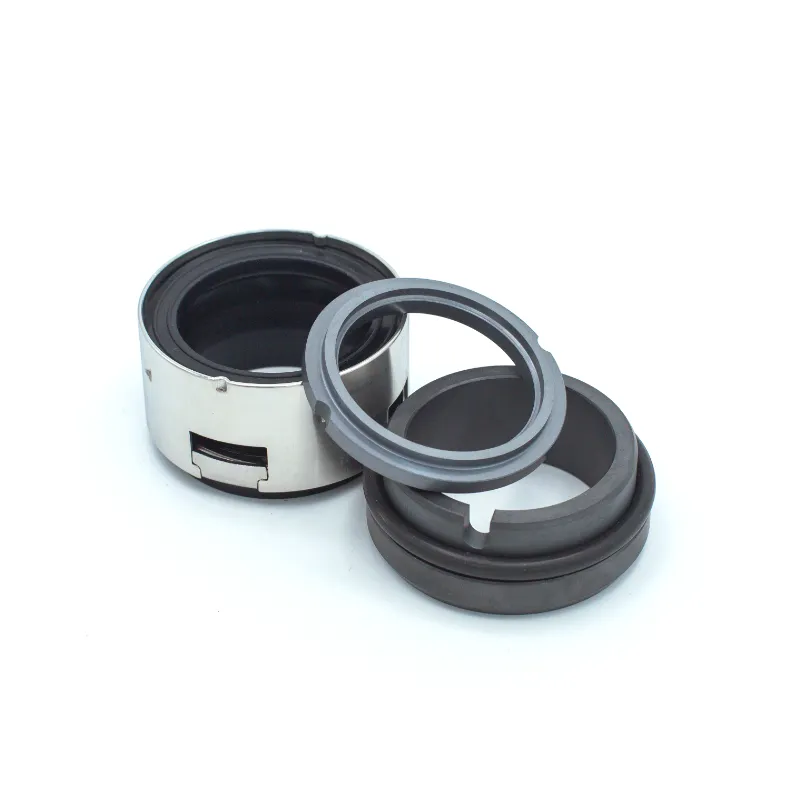
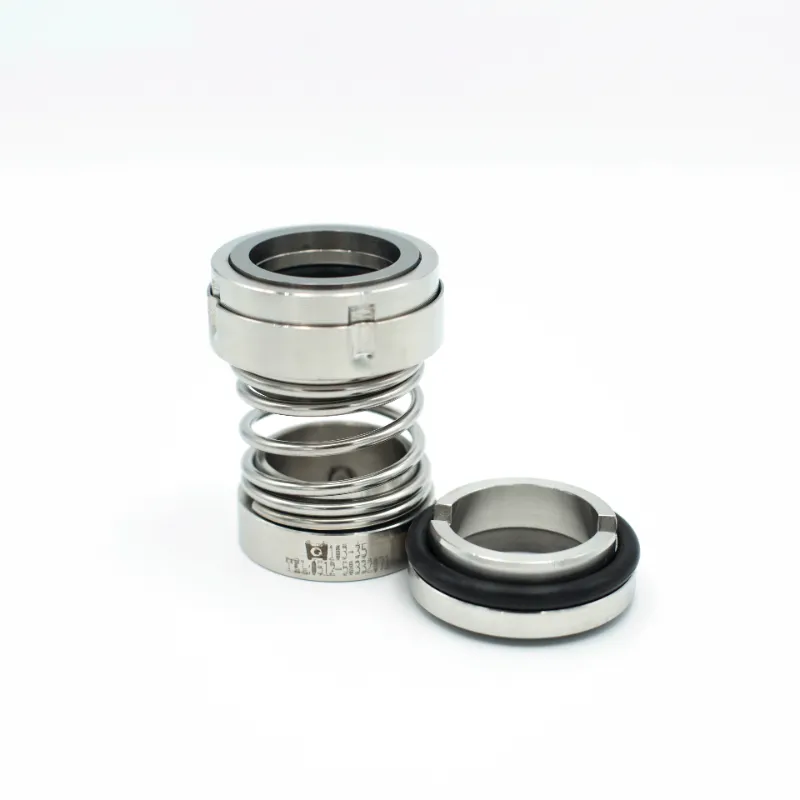
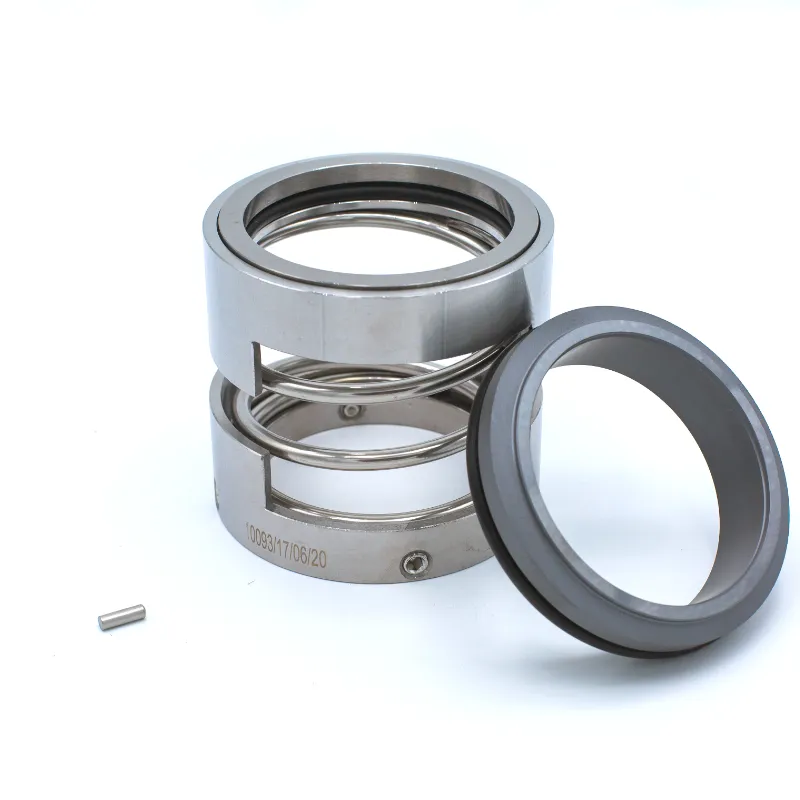
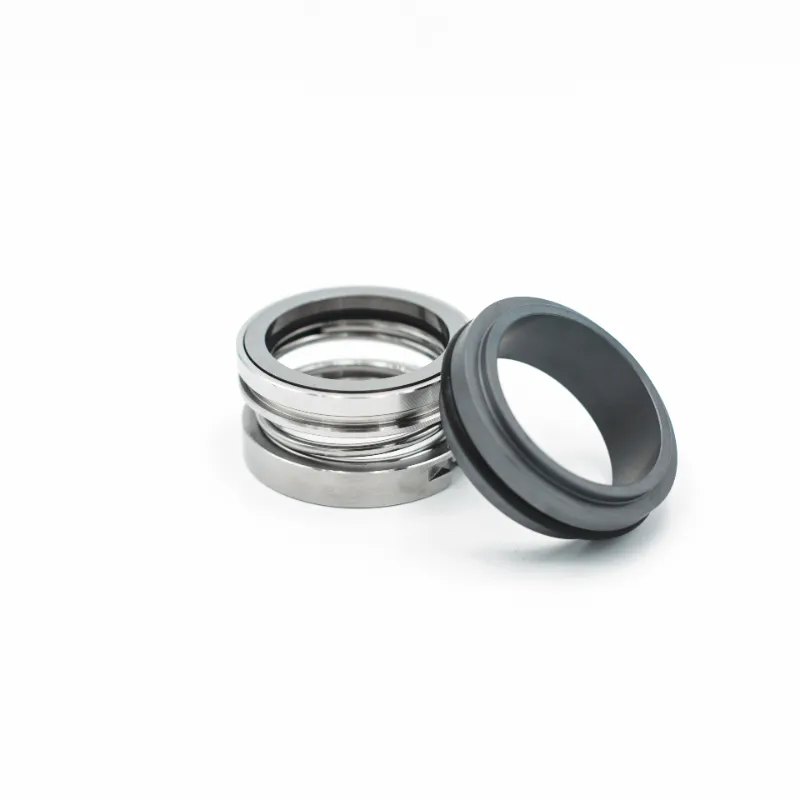
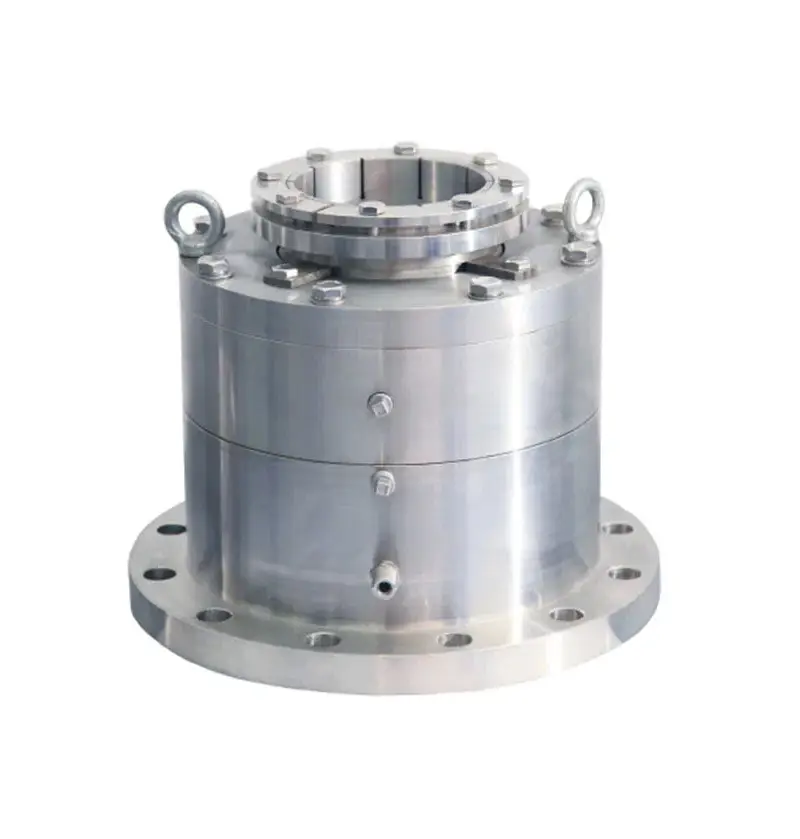
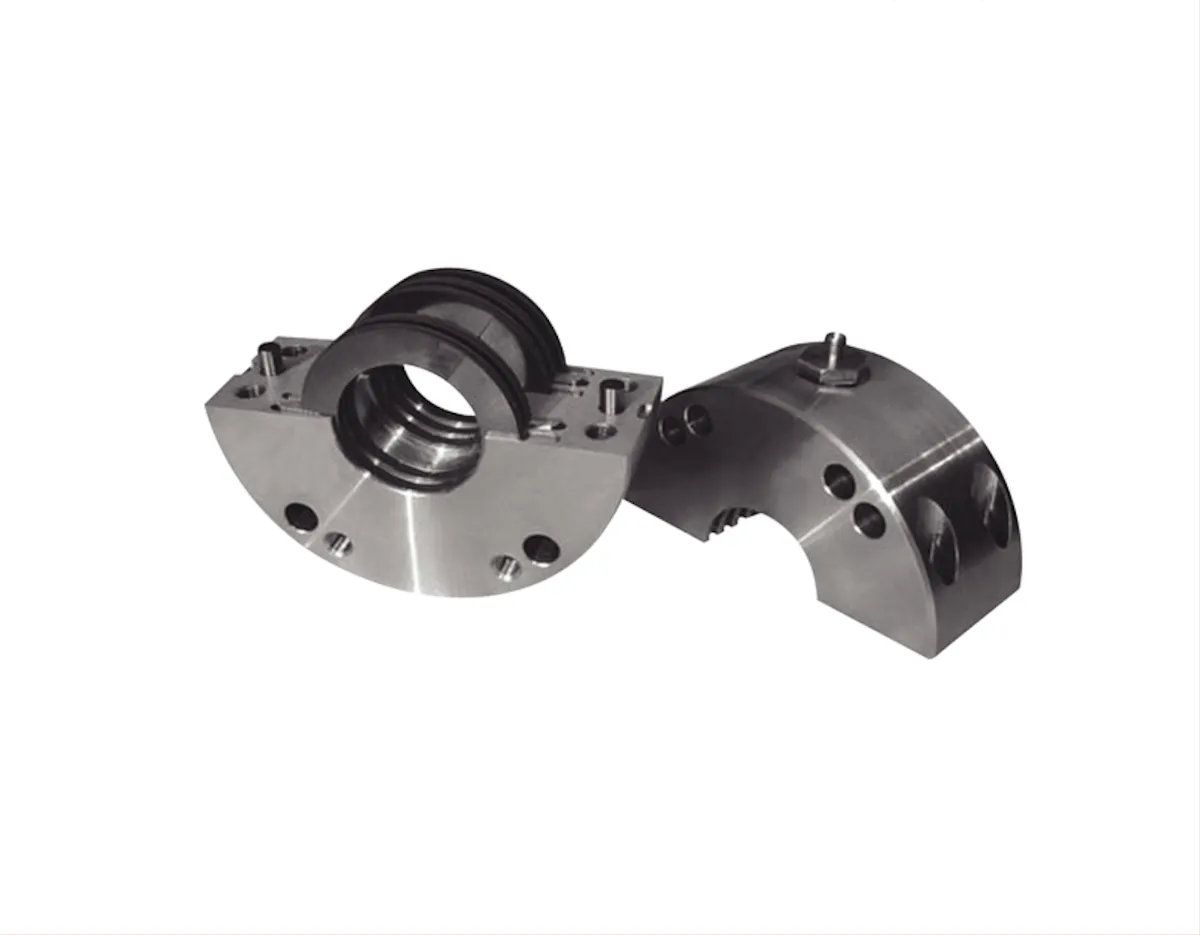
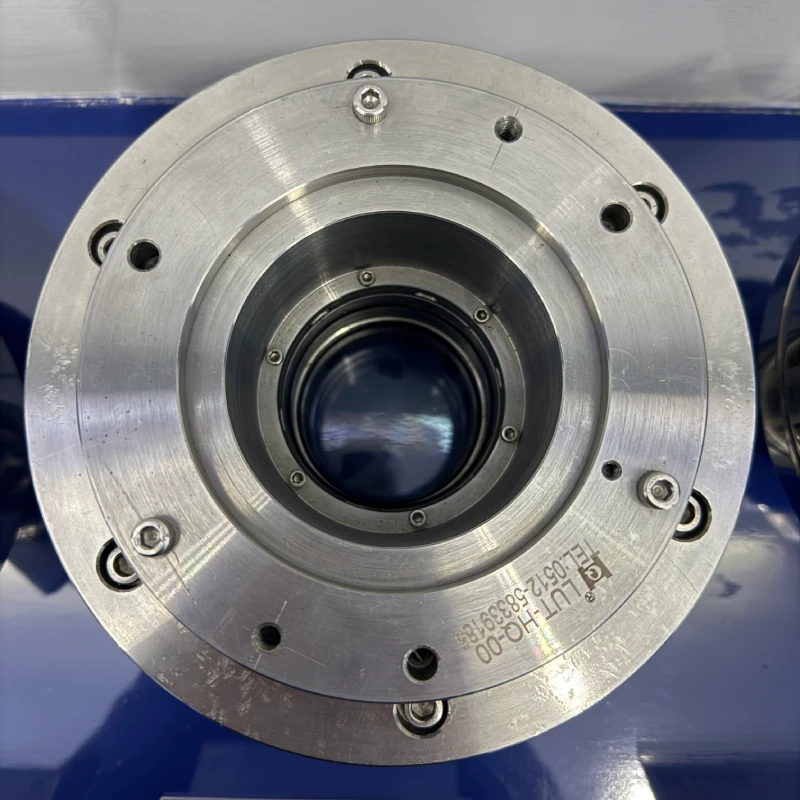
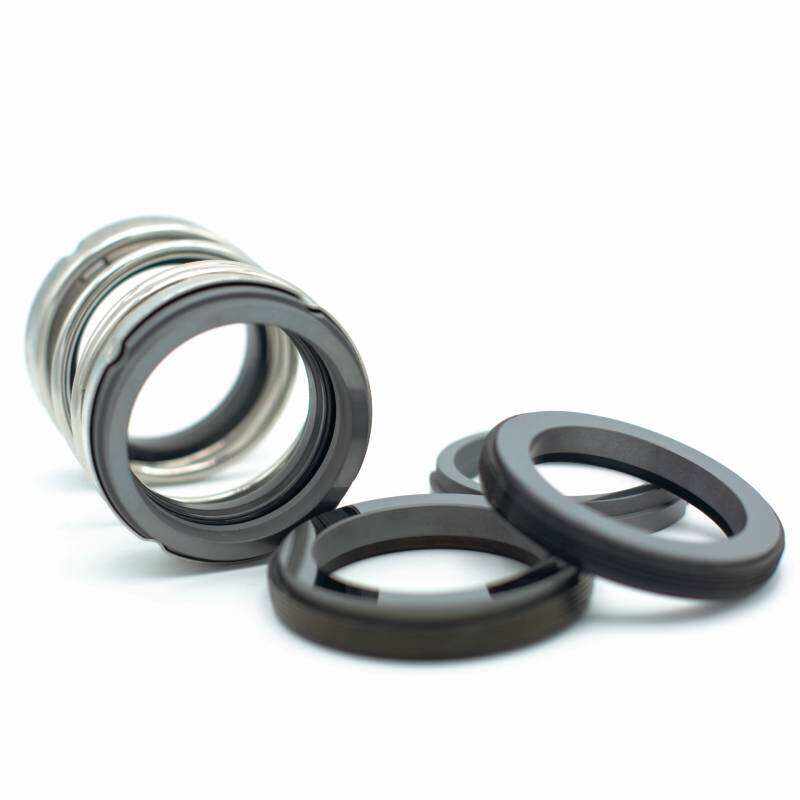
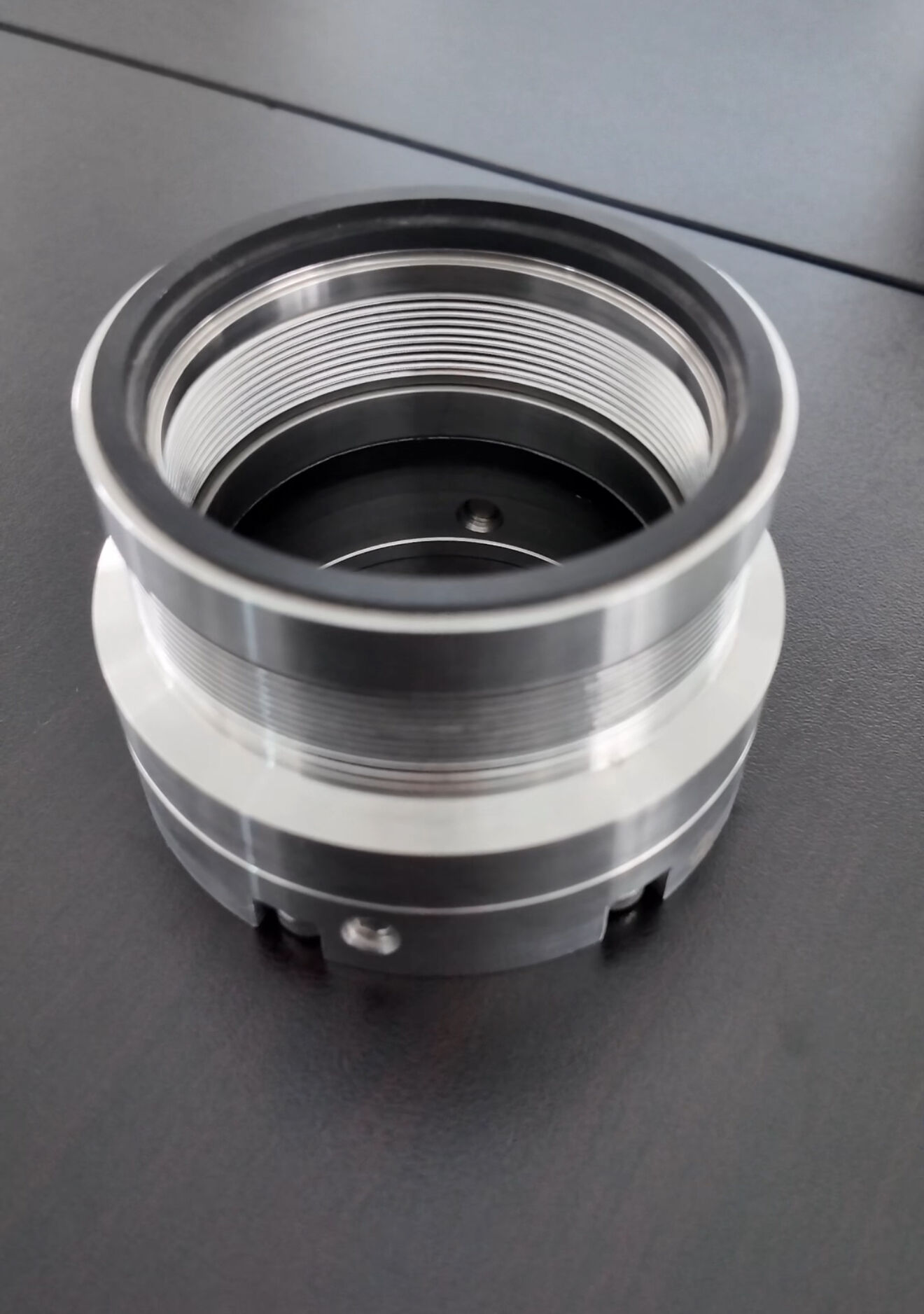
API 614 dry gas seals represent a critical advancement in sealing technology for rotating equipment, specifically designed to meet the stringent requirements outlined by the American Petroleum Institute. These sophisticated sealing systems utilize gas instead of liquid as the barrier medium, creating a non-contacting seal that prevents process gas leakage while maintaining optimal equipment performance. The primary function of API 614 dry gas seals involves containing pressurized gases within centrifugal compressors, pumps, and other rotating machinery commonly found in petrochemical, oil and gas, and industrial processing facilities. The technology operates on the principle of creating a thin gas film between two precisely machined seal faces, eliminating direct contact and reducing wear significantly. This innovative approach ensures reliable containment of process fluids while minimizing maintenance requirements and extending operational life. Key technological features include dual seal configurations, barrier gas supply systems, and sophisticated monitoring capabilities that provide real-time performance data. The seal design incorporates advanced materials such as silicon carbide and tungsten carbide, chosen for their exceptional hardness, chemical resistance, and thermal stability. Temperature compensation mechanisms automatically adjust for thermal expansion, maintaining optimal seal gap dimensions across varying operating conditions. The API 614 dry gas seals also feature integrated filtration systems that ensure clean barrier gas supply, preventing contamination that could compromise seal performance. Applications span numerous industries, from upstream oil and gas production to downstream refining operations. These seals excel in high-pressure, high-temperature environments where traditional wet seals would fail or require frequent maintenance. Natural gas processing plants rely heavily on API 614 dry gas seals for compressor applications, while chemical processing facilities utilize them in critical pumping systems. The technology proves particularly valuable in handling toxic, corrosive, or environmentally sensitive fluids where leakage prevention is paramount for safety and environmental compliance.
 EN
EN