Reciprocating Pump Seal
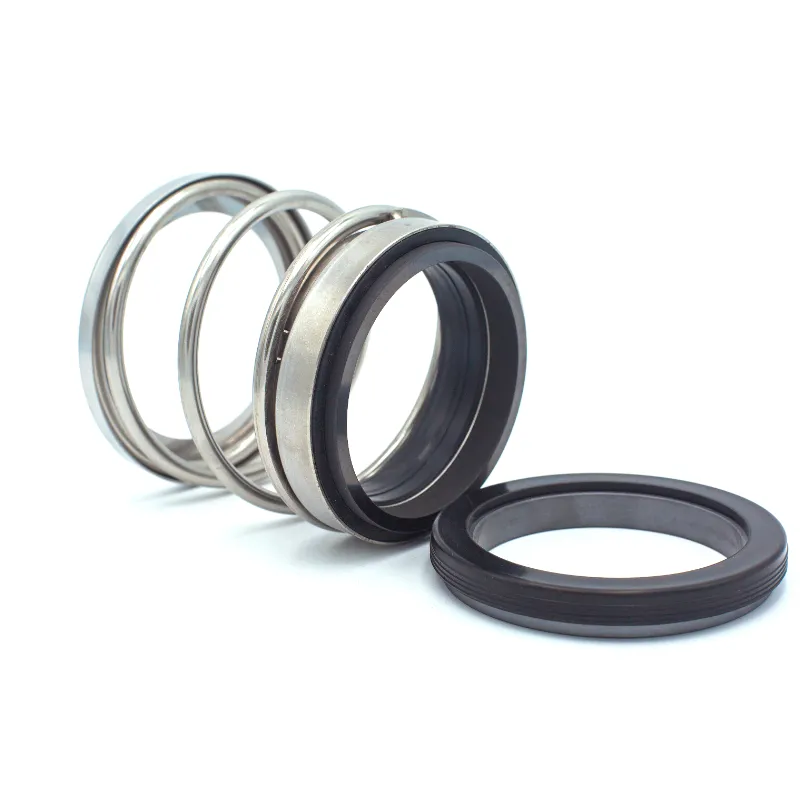
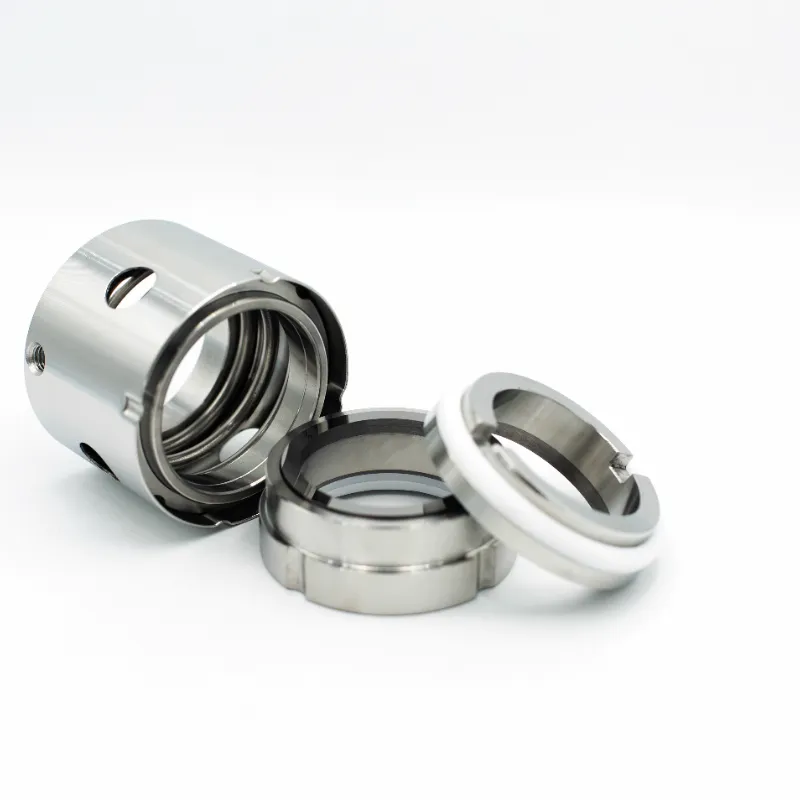
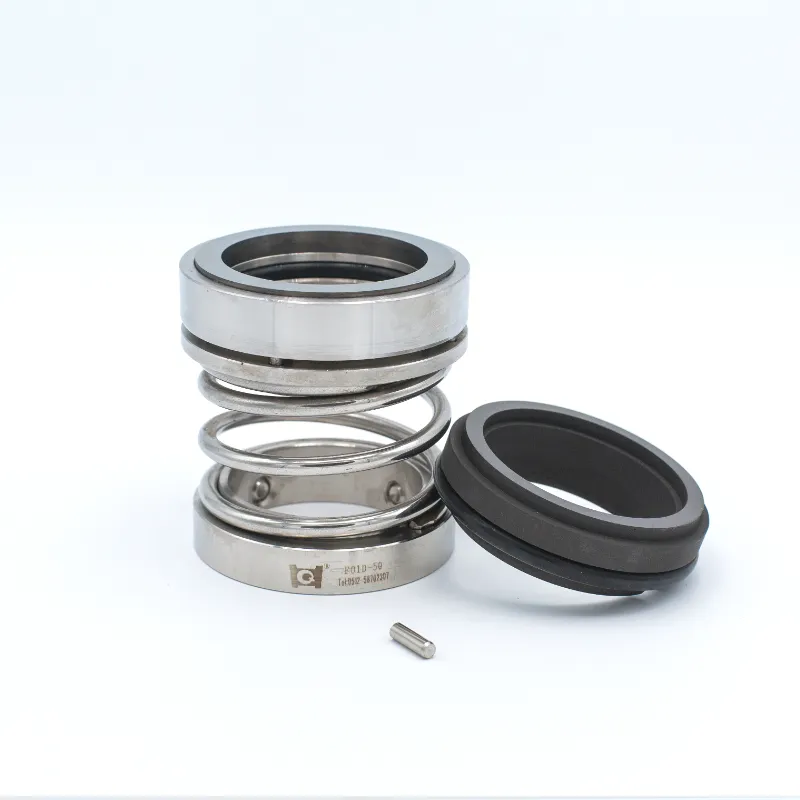
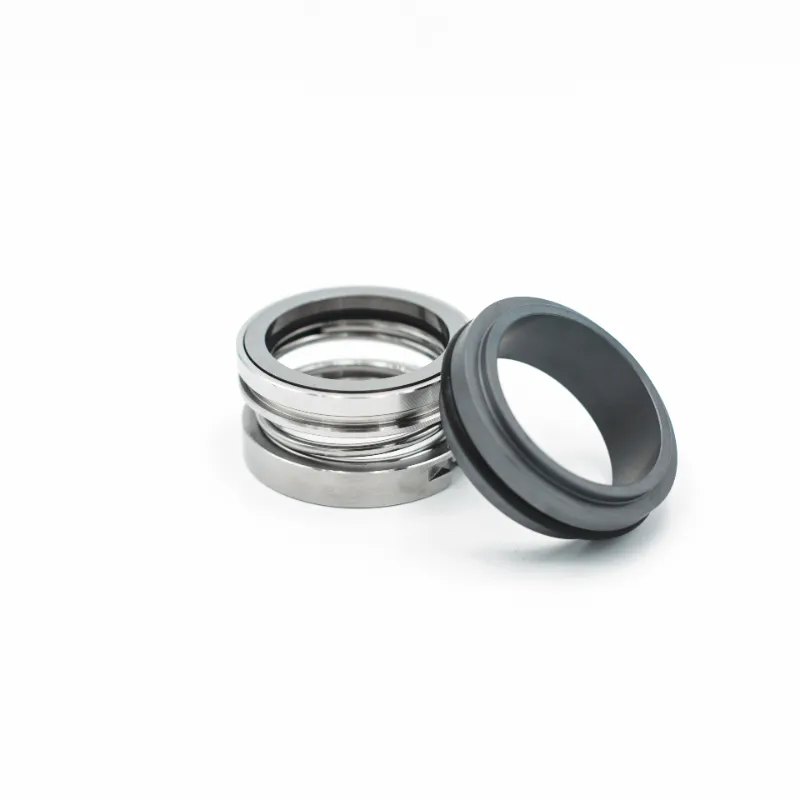
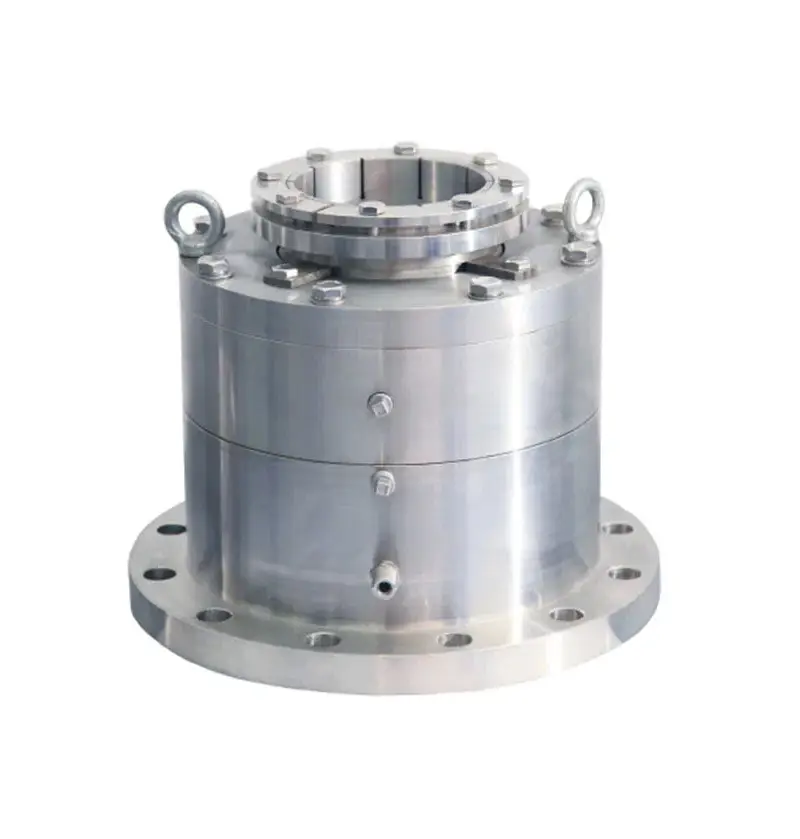
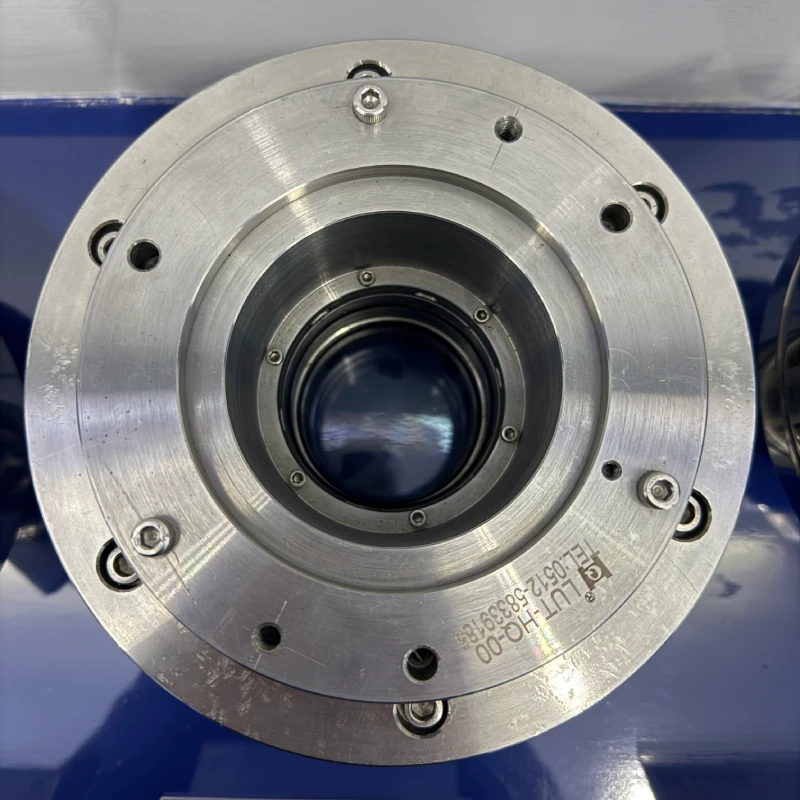
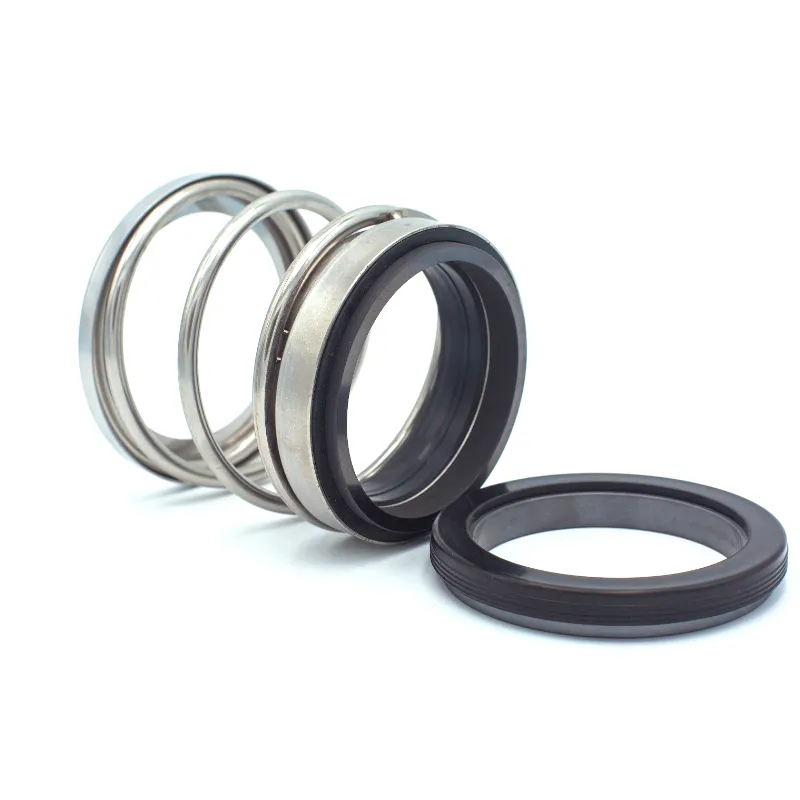
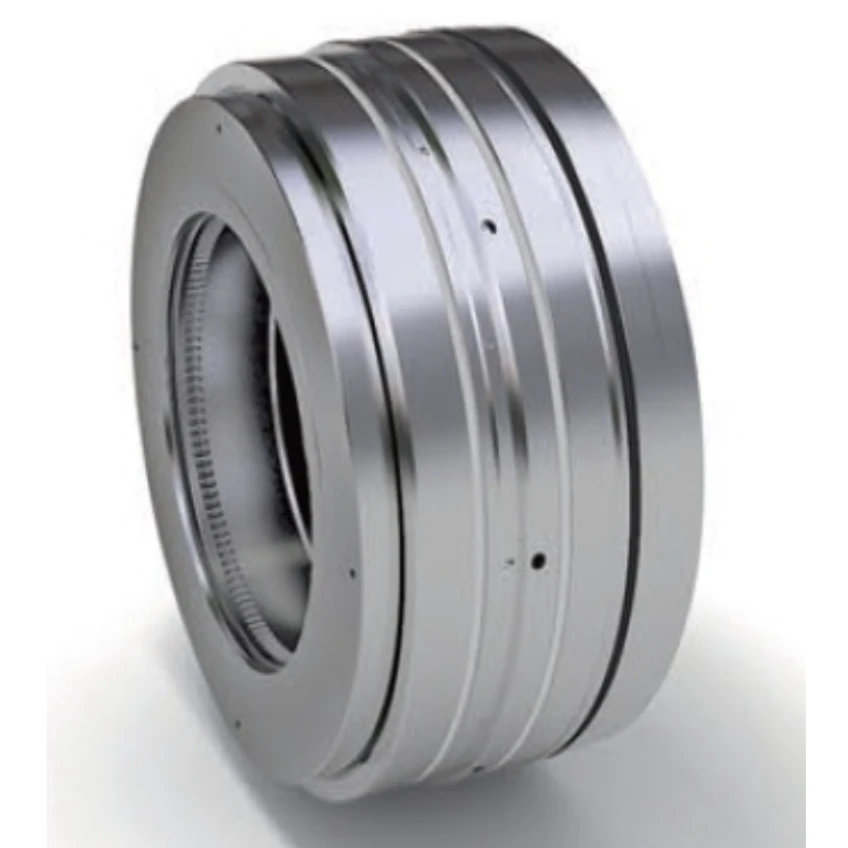
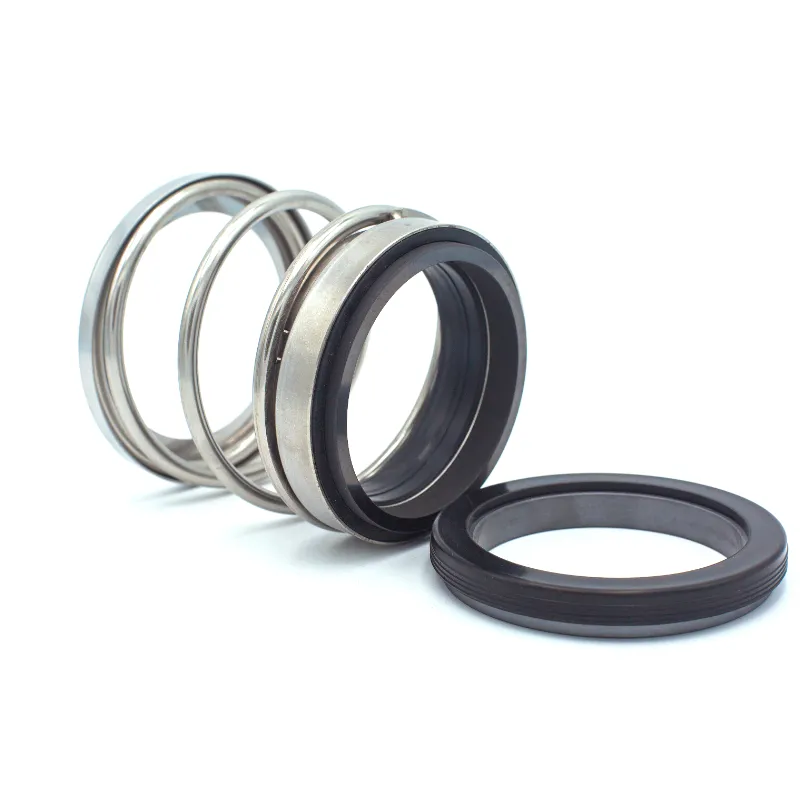
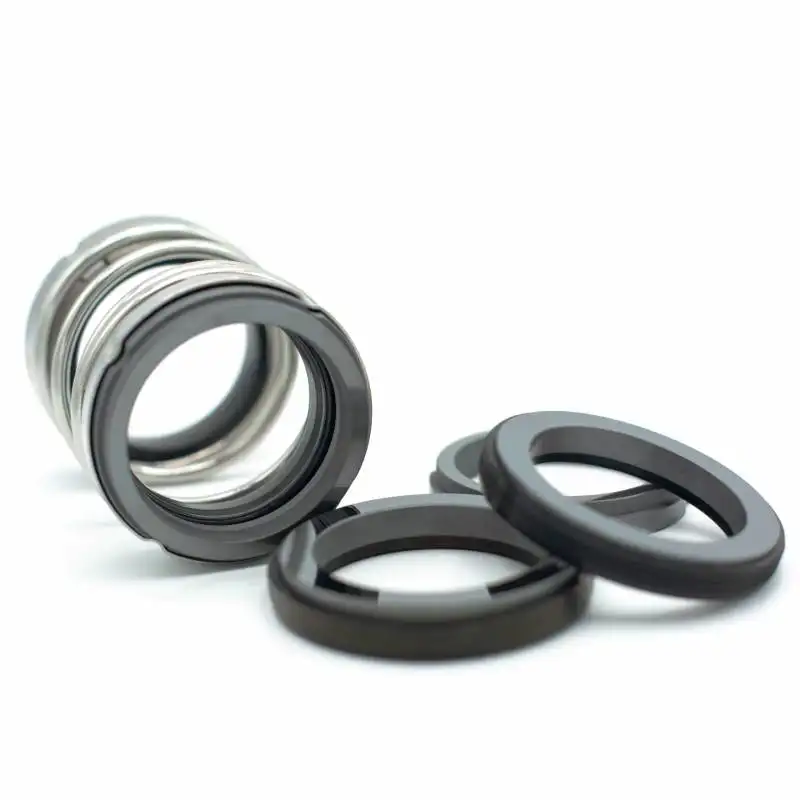
A Reciprocating Pump Seal serves as a critical component in positive displacement pumping systems, designed to prevent fluid leakage between moving and stationary parts. These specialized seals maintain operational integrity by creating a barrier that contains pressurized fluids while allowing smooth reciprocating motion of pump components. The primary function of a Reciprocating Pump Seal involves managing dynamic sealing challenges in applications where pistons, plungers, or diaphragms move back and forth within cylinders or chambers. The seal must accommodate continuous motion while maintaining consistent contact pressure against sealing surfaces. This creates an effective barrier that prevents both internal leakage between chambers and external leakage to the environment. Technological features of Reciprocating Pump Seal designs include advanced materials engineered for durability and chemical compatibility. Modern seals incorporate elastomeric compounds, thermoplastics, and composite materials that resist wear, temperature extremes, and chemical degradation. The geometric design often features lip seals, O-rings, or custom profiles that optimize contact pressure distribution. Some designs integrate spring energizers or backup rings that maintain sealing effectiveness as components wear over time. Surface treatments and coatings enhance performance characteristics, reducing friction and extending operational life. Applications for Reciprocating Pump Seal technology span numerous industries including oil and gas processing, chemical manufacturing, water treatment facilities, and hydraulic systems. These seals prove essential in high-pressure applications where traditional sealing methods fail. Common installations include mud pumps for drilling operations, chemical injection systems, hydraulic actuators, and water injection pumps. The versatility of Reciprocating Pump Seal designs allows customization for specific operating conditions, including extreme temperatures, corrosive environments, and high-pressure applications. Manufacturing processes ensure precision tolerances that optimize sealing performance while minimizing energy losses through friction. Quality control measures verify dimensional accuracy and material properties that directly impact seal longevity and reliability in demanding operational environments.
 EN
EN