Mechanical Seal Industry Trends
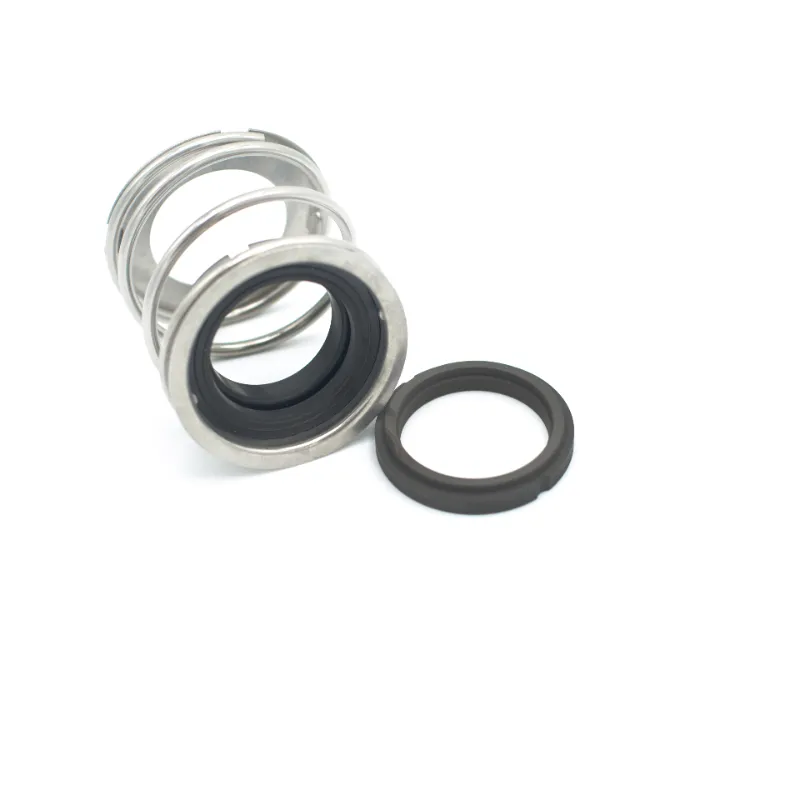
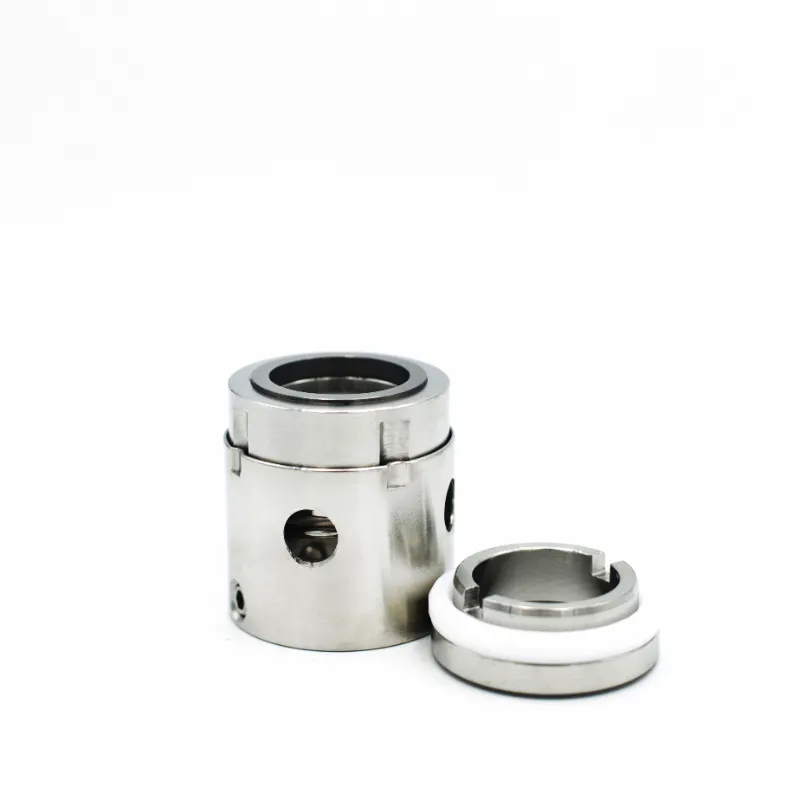
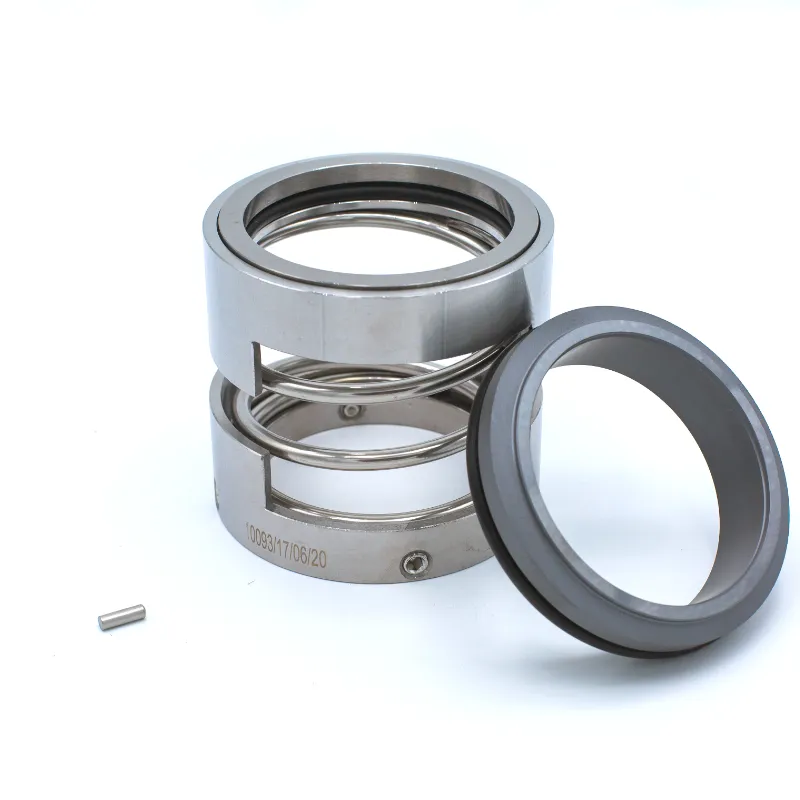
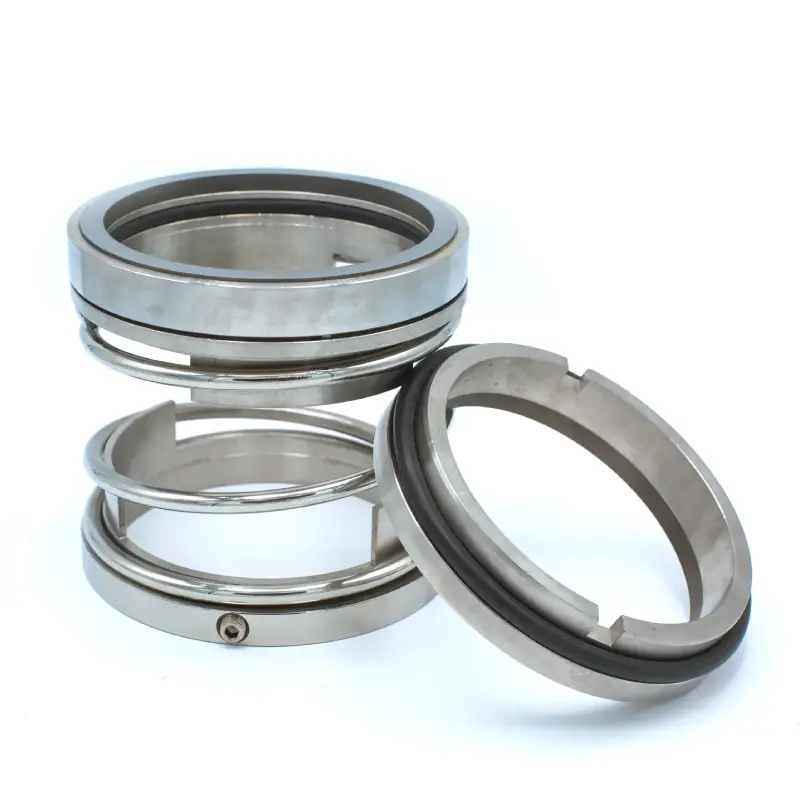
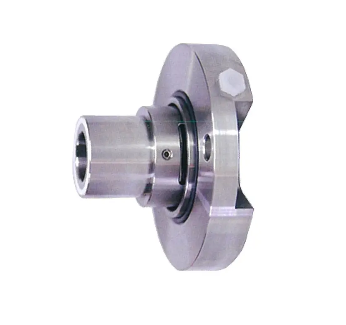
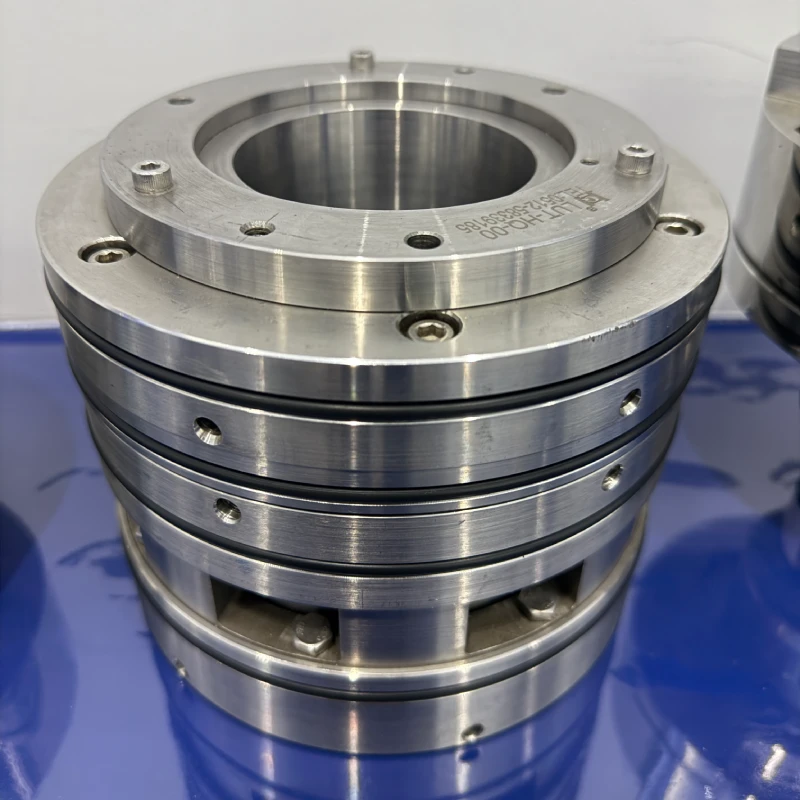
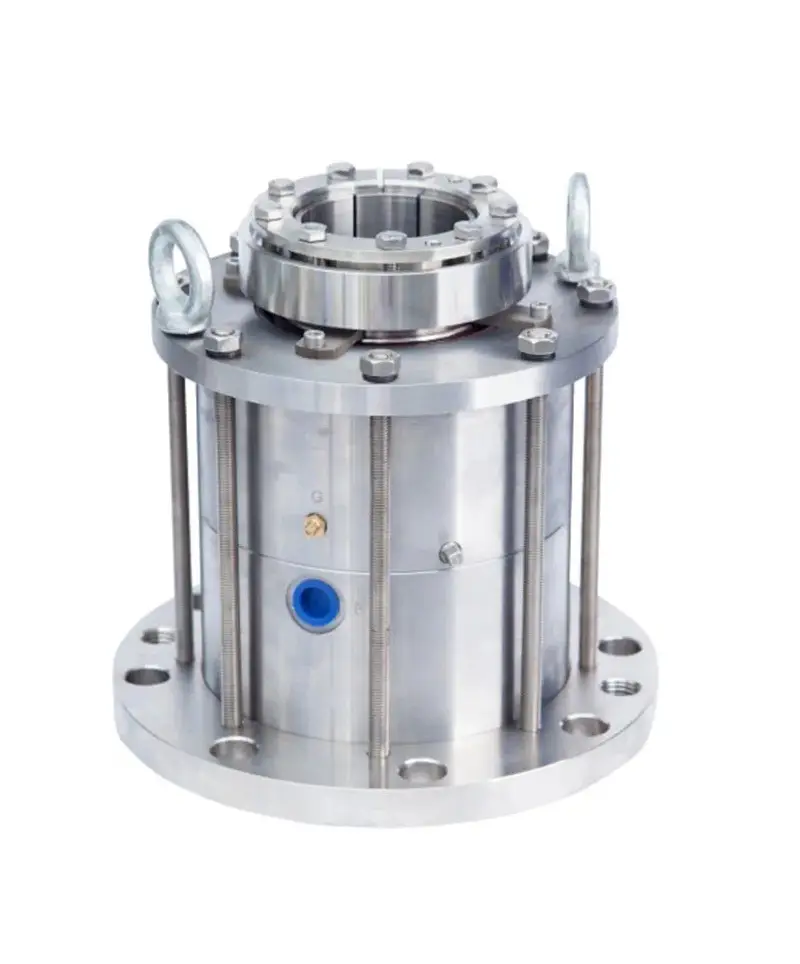
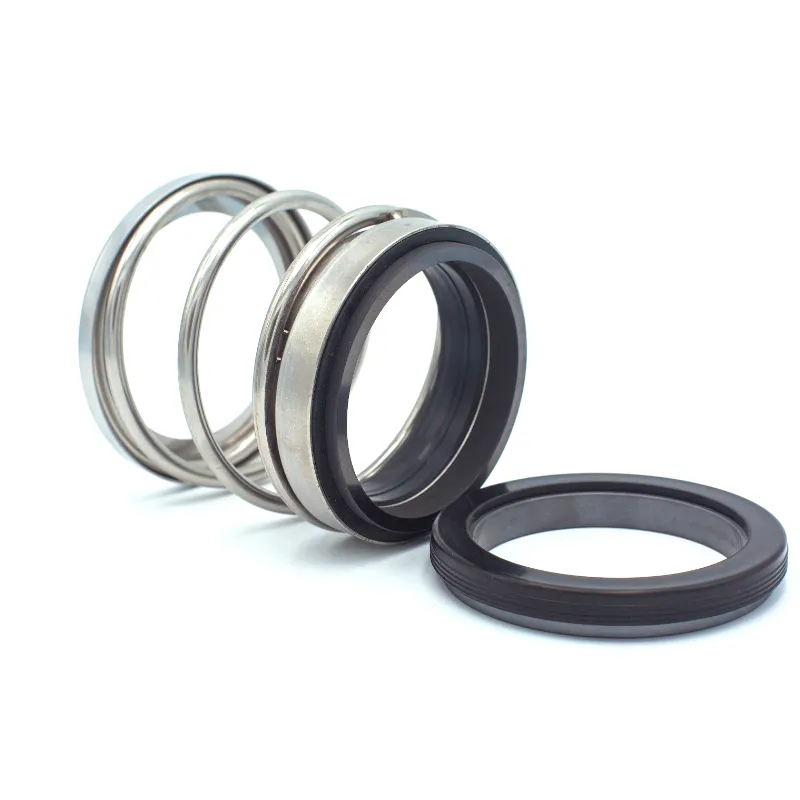
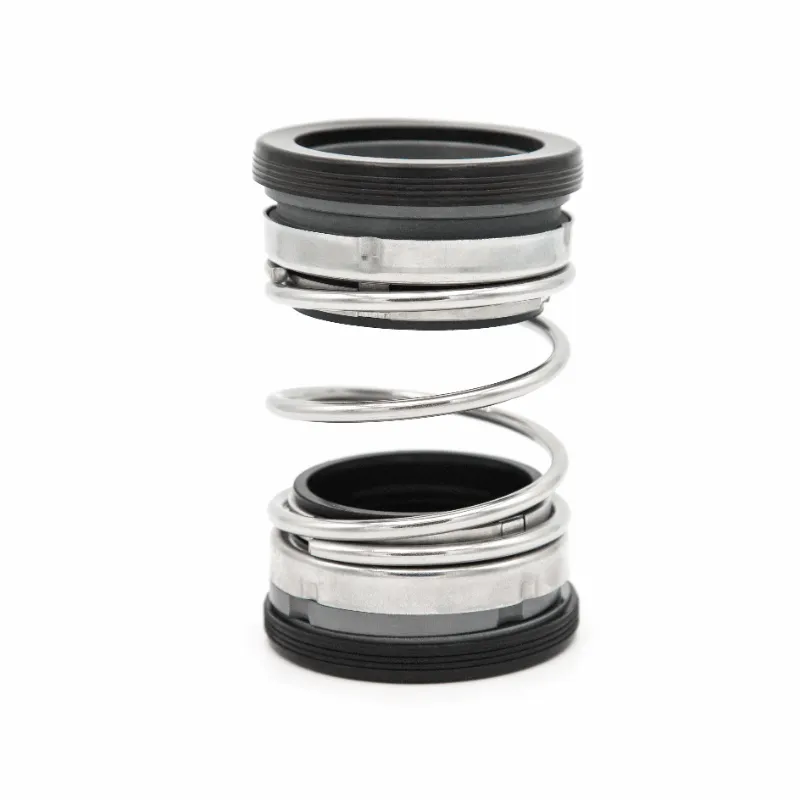
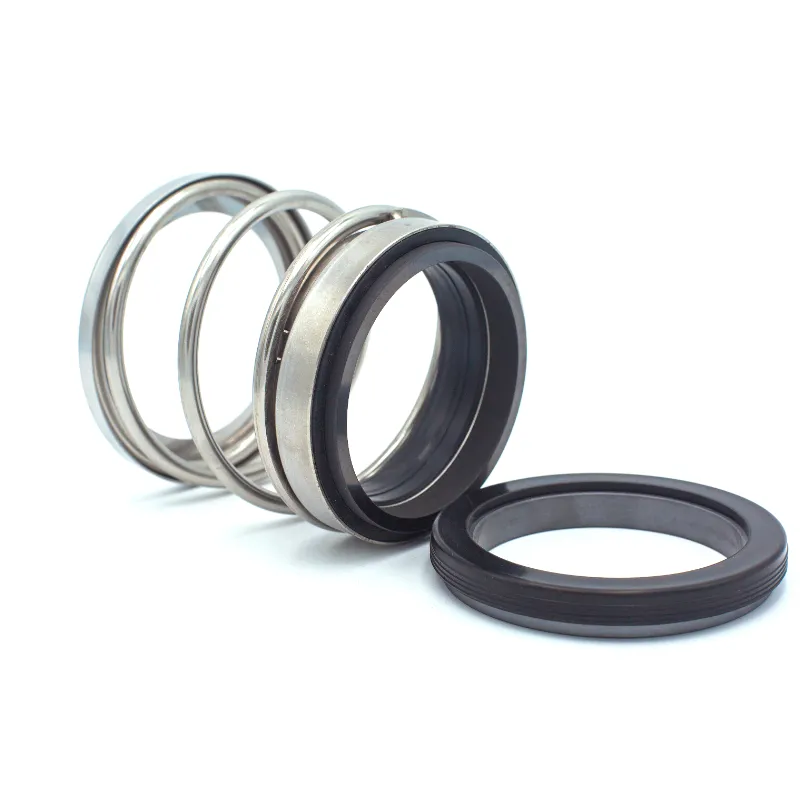
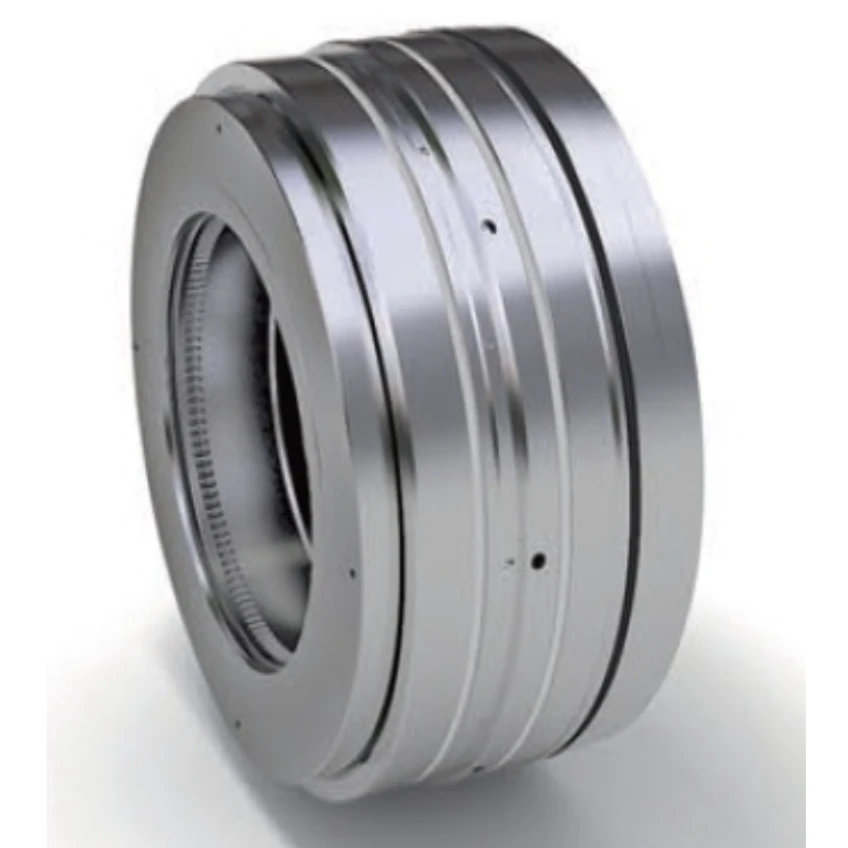
The Mechanical Seal Industry Trends represent a pivotal shift in sealing technology that addresses critical challenges across manufacturing, chemical processing, oil and gas, and water treatment sectors. These innovative sealing solutions serve as essential barriers that prevent fluid leakage between rotating and stationary components in pumps, compressors, mixers, and other rotating equipment. The primary function of modern mechanical seals involves creating a reliable interface that maintains system integrity while minimizing friction and wear. Current Mechanical Seal Industry Trends showcase remarkable technological advancements including smart monitoring capabilities, enhanced material compositions, and improved design methodologies that extend operational lifespan significantly. These sealing systems utilize precision-engineered faces that create a thin fluid film, effectively preventing process fluid from escaping while allowing smooth rotation of mechanical components. The technological features driving Mechanical Seal Industry Trends include advanced carbon-silicon carbide face combinations, integrated temperature and vibration sensors, and modular cartridge designs that simplify installation and maintenance procedures. Applications span diverse industries where fluid containment proves critical, including pharmaceutical manufacturing, food processing, petrochemical refining, power generation, and municipal water systems. Modern mechanical seals demonstrate superior performance in extreme temperature ranges, corrosive environments, and high-pressure applications where traditional packing methods fail consistently. The evolution of Mechanical Seal Industry Trends reflects increasing demands for environmental compliance, operational efficiency, and reduced maintenance costs. These sealing solutions effectively eliminate fugitive emissions, reduce energy consumption through decreased friction losses, and minimize unplanned downtime through predictive maintenance capabilities. Contemporary designs incorporate advanced computational fluid dynamics modeling and finite element analysis to optimize face geometry and material selection for specific operating conditions.
 EN
EN