Durable mechanical seals for high-speed equipment
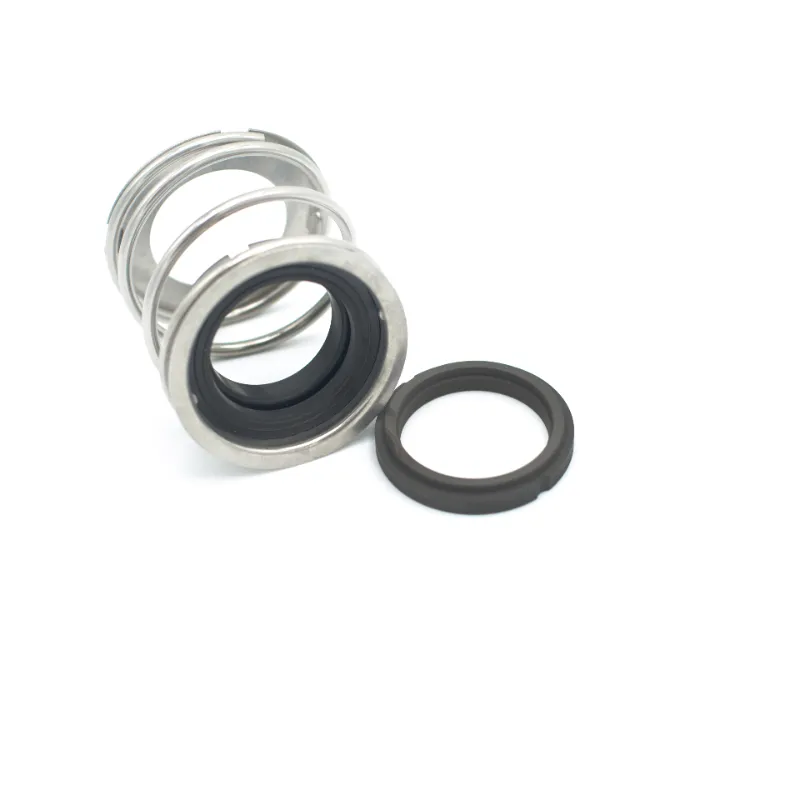
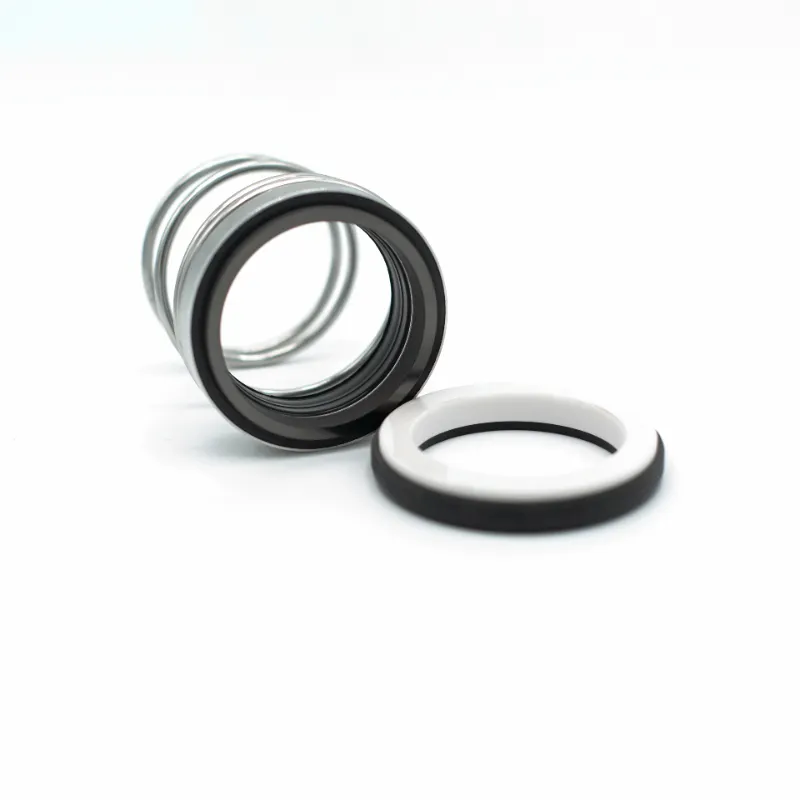
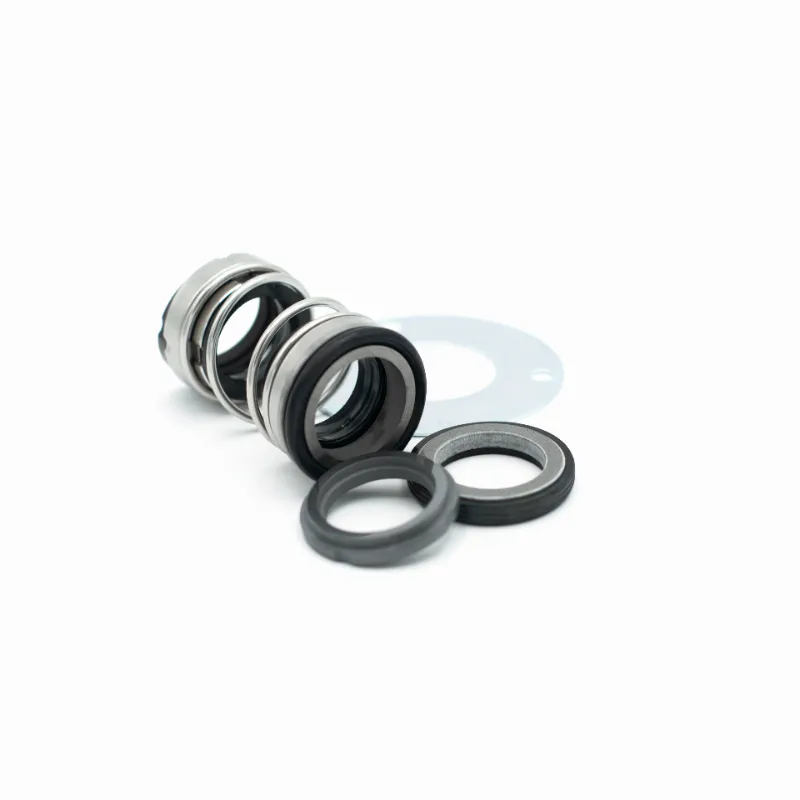
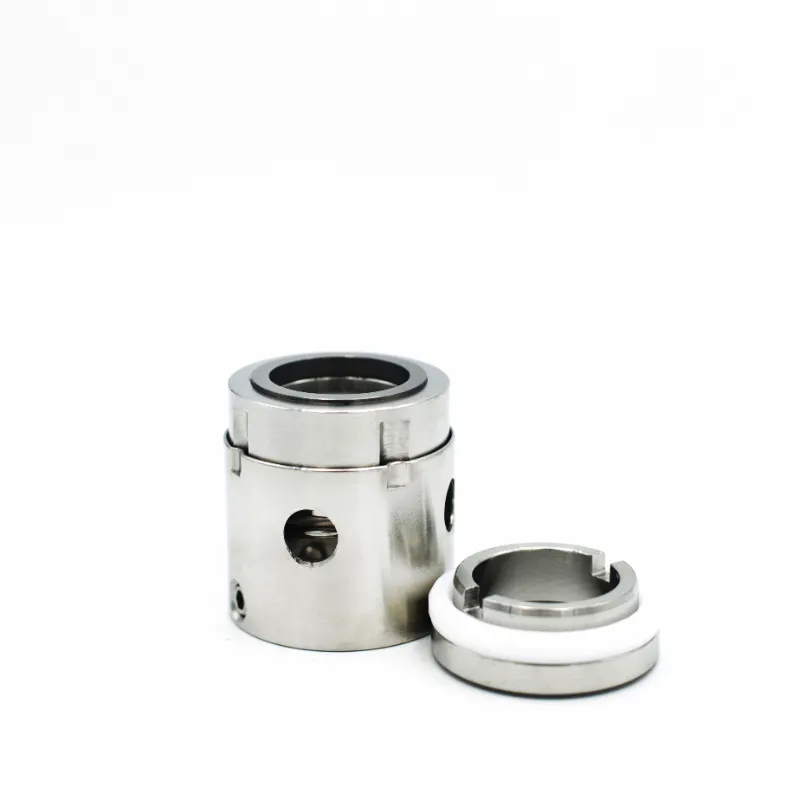
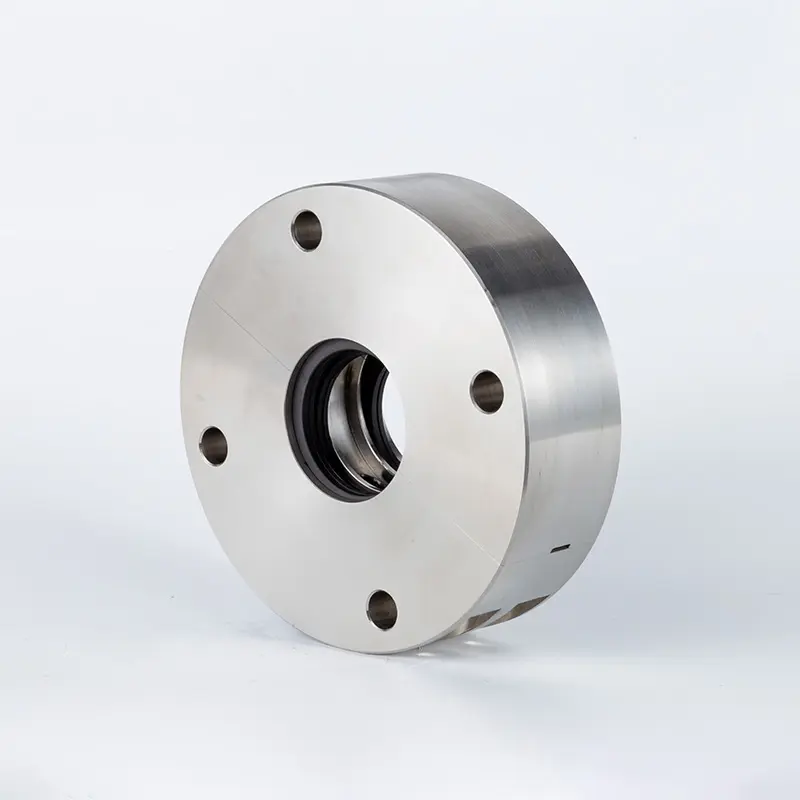
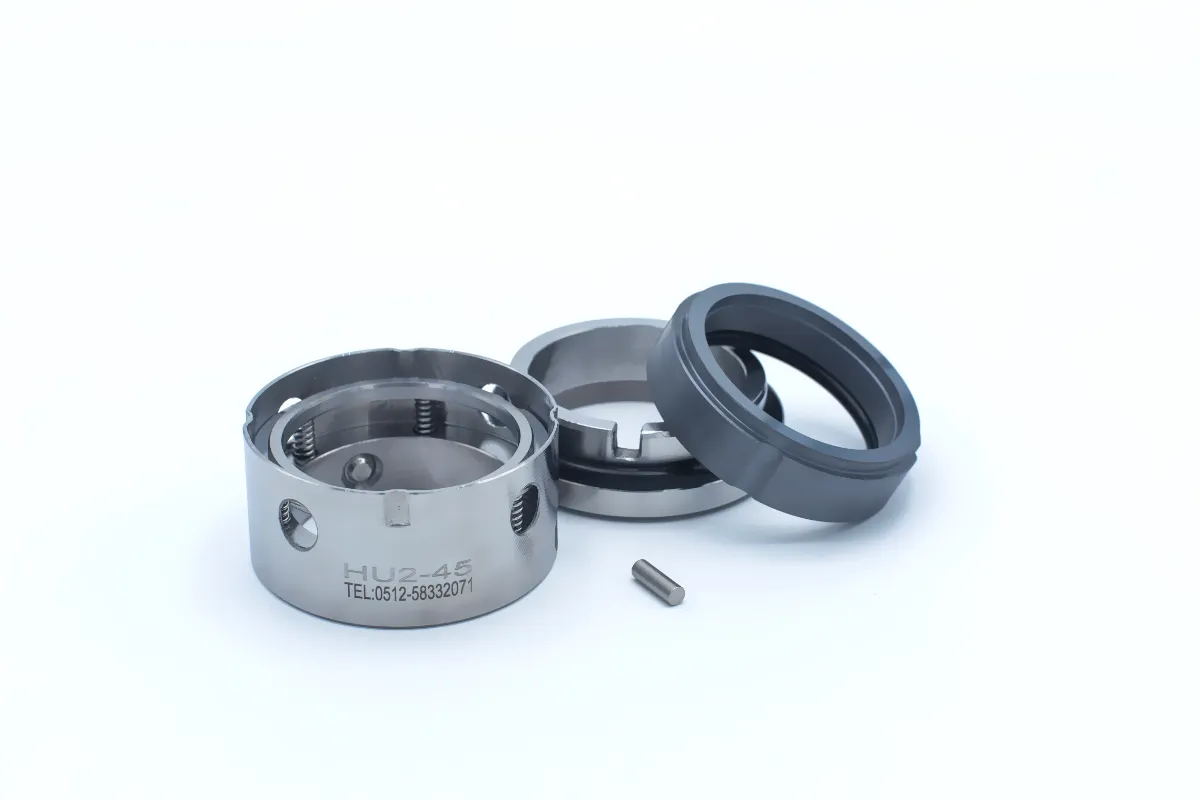
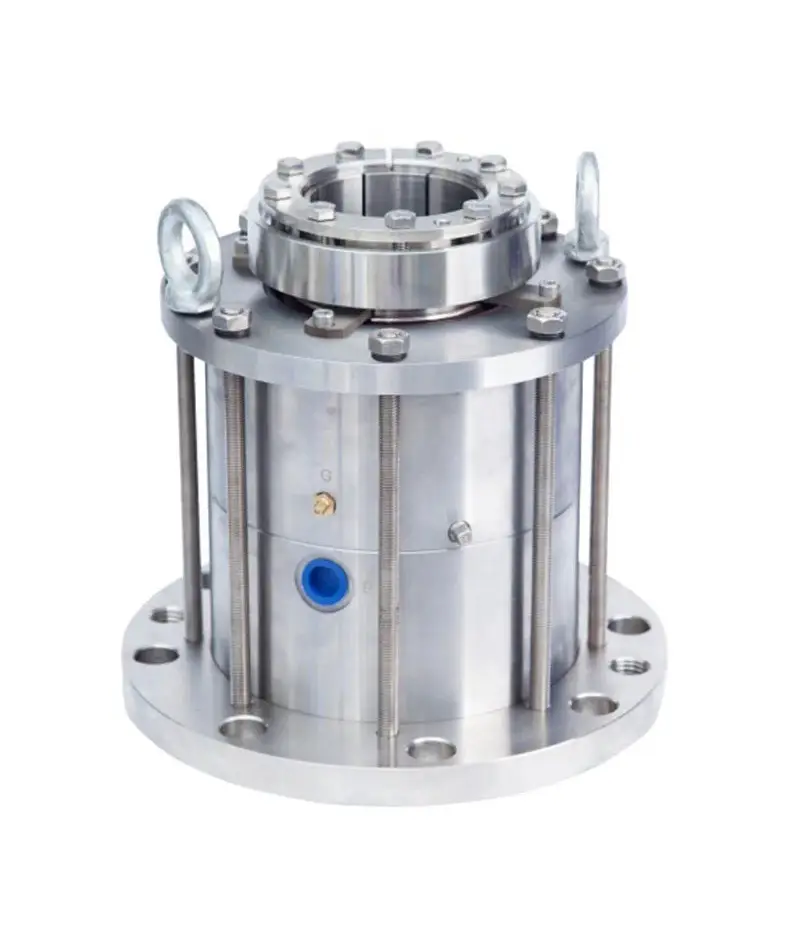
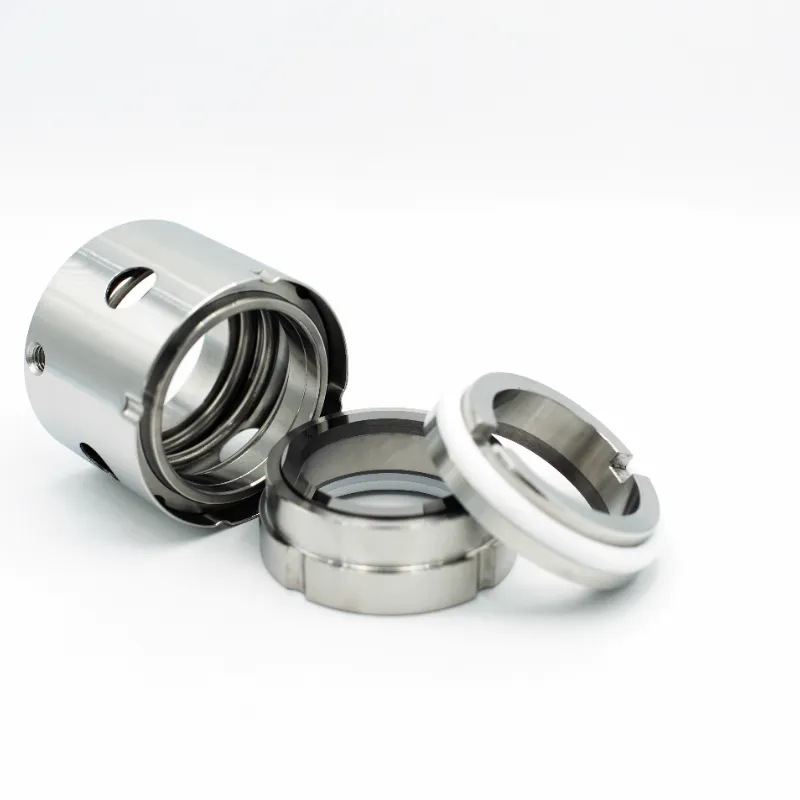
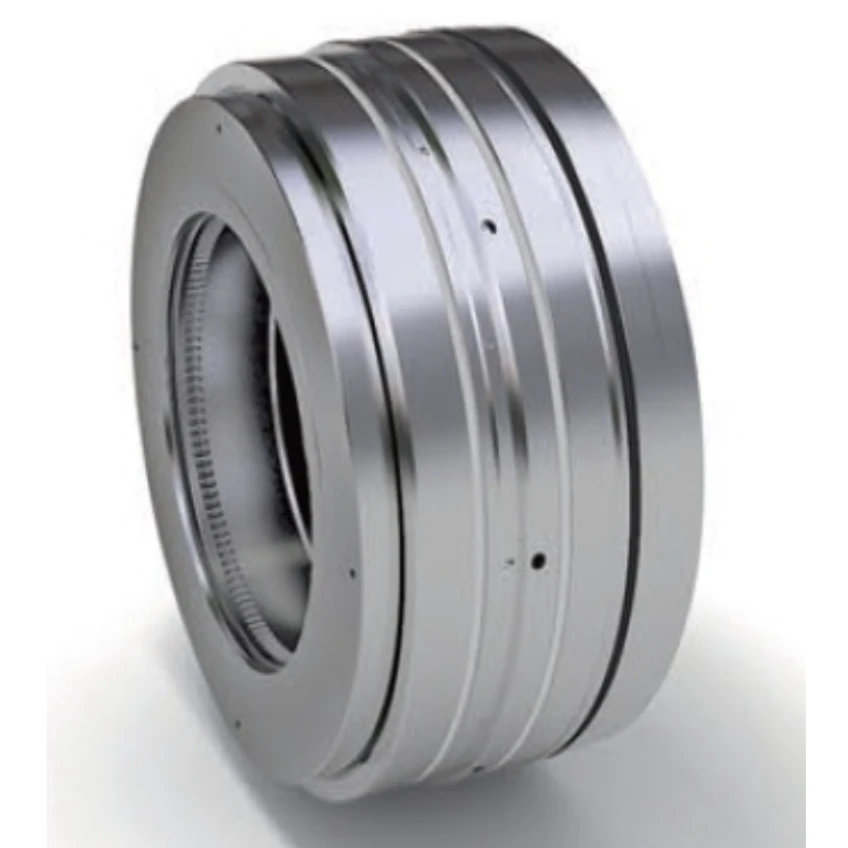
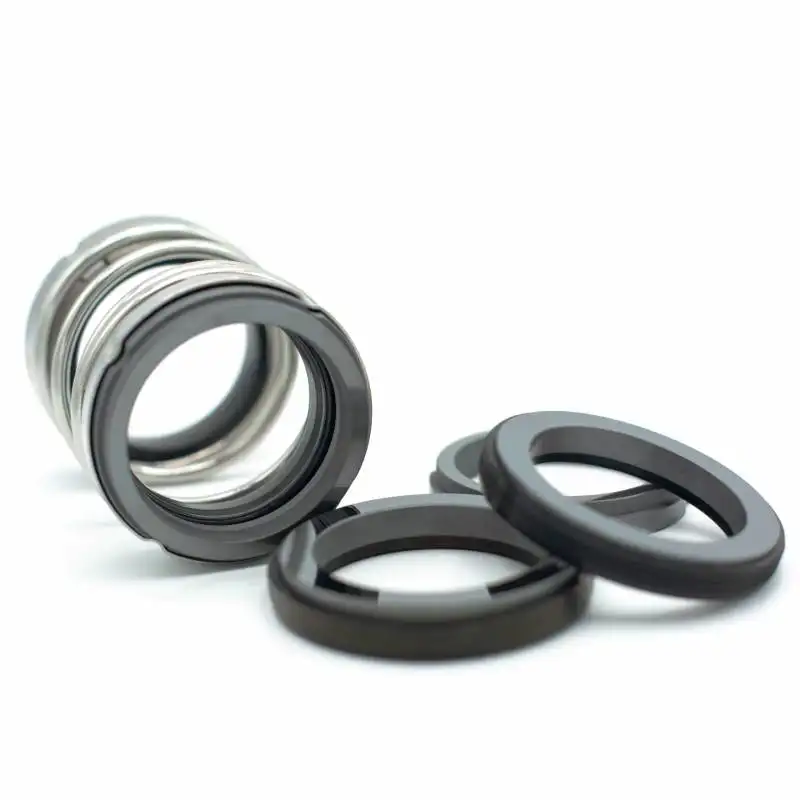
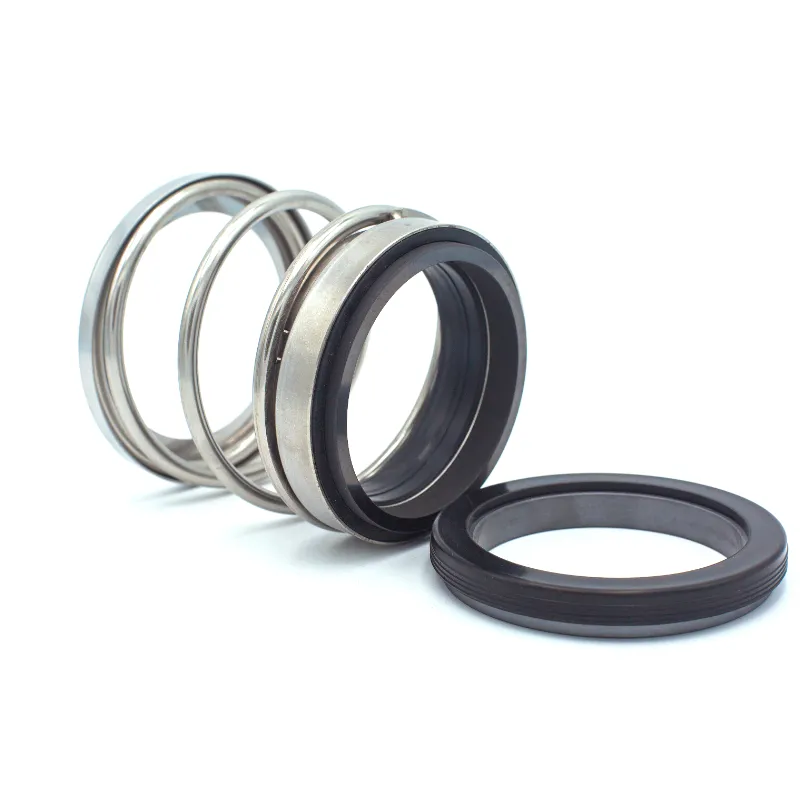
Durable mechanical seals for high-speed equipment represent a critical advancement in industrial sealing technology, specifically engineered to withstand the extreme operating conditions found in rotating machinery. These sophisticated sealing systems serve as the primary barrier between process fluids and the atmosphere, preventing leakage while maintaining optimal performance in applications where shaft speeds exceed standard operational parameters. The main functions of durable mechanical seals for high-speed equipment include containing pressurized fluids, preventing contamination ingress, minimizing friction losses, and ensuring long-term operational reliability. These seals operate through a carefully balanced interface between rotating and stationary components, creating a dynamic sealing barrier that adapts to changing operational conditions. Technologically, durable mechanical seals for high-speed equipment incorporate advanced materials such as silicon carbide, tungsten carbide, and specialized polymers that resist wear, corrosion, and thermal degradation. The design features precision-engineered face geometries, optimized cooling channels, and balanced pressure distribution systems that manage the intense forces generated at high rotational speeds. Spring-loaded mechanisms ensure consistent face contact while accommodating thermal expansion and shaft deflection. Advanced lubrication systems, including barrier fluid circulation and self-lubricating face materials, reduce friction and heat generation. Applications for durable mechanical seals for high-speed equipment span numerous industries including petrochemicals, pharmaceuticals, power generation, aerospace, and manufacturing. They are essential in centrifugal pumps, compressors, mixers, turbines, and high-speed spindles where conventional sealing methods prove inadequate. These seals excel in environments with aggressive chemicals, extreme temperatures, high pressures, and demanding cleanliness requirements, making them indispensable for maintaining equipment efficiency and preventing costly downtime in critical industrial processes.
 EN
EN