Double Mechanical Seals
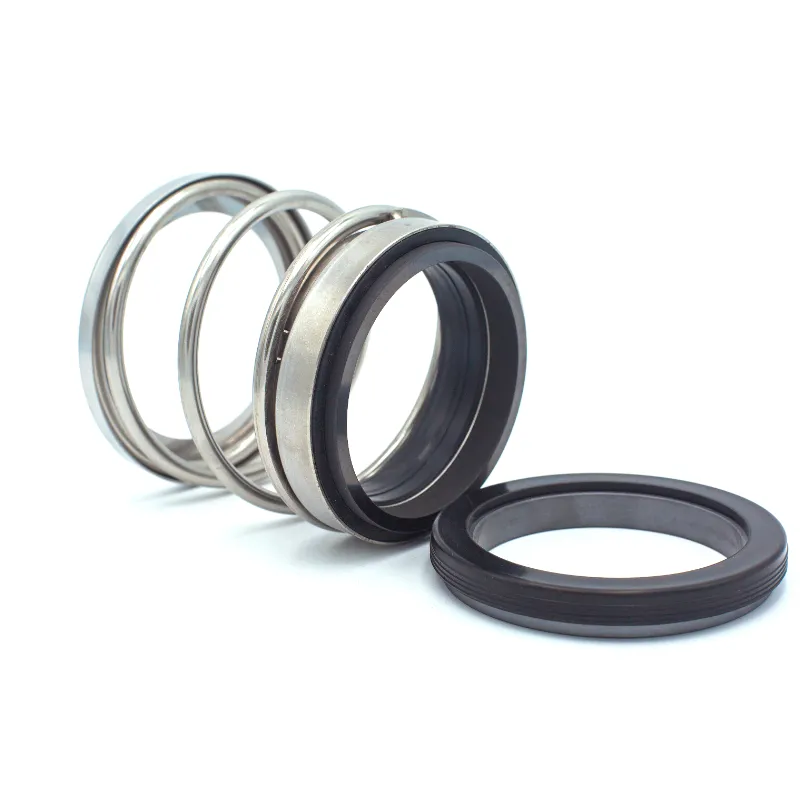
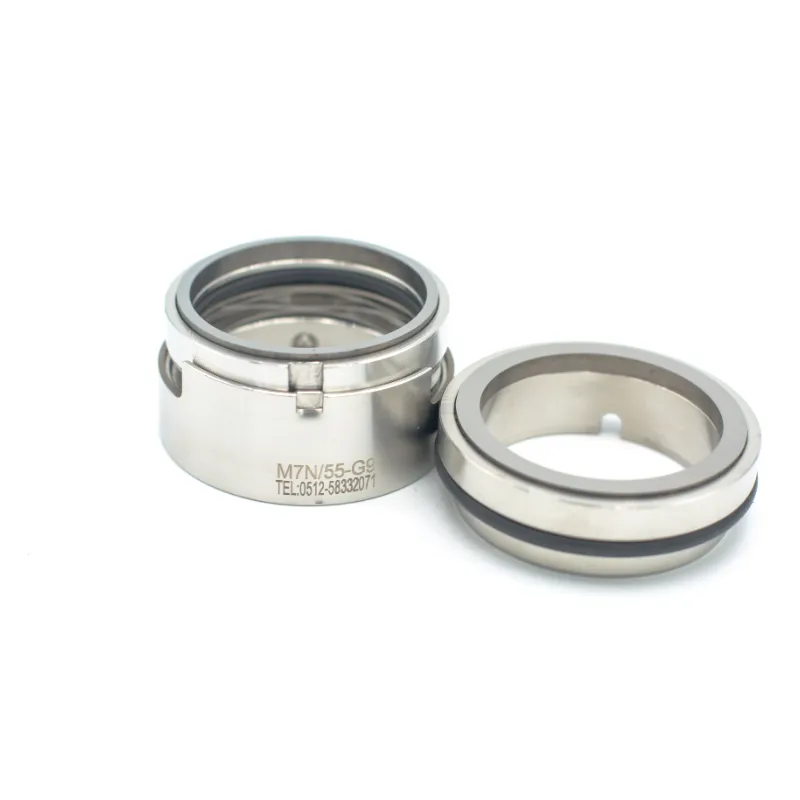
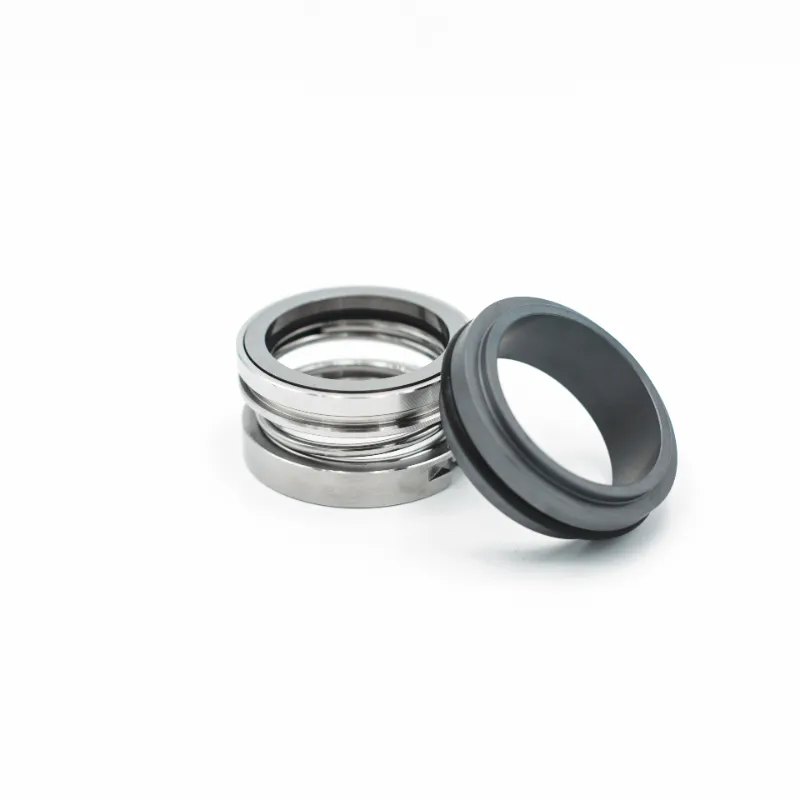
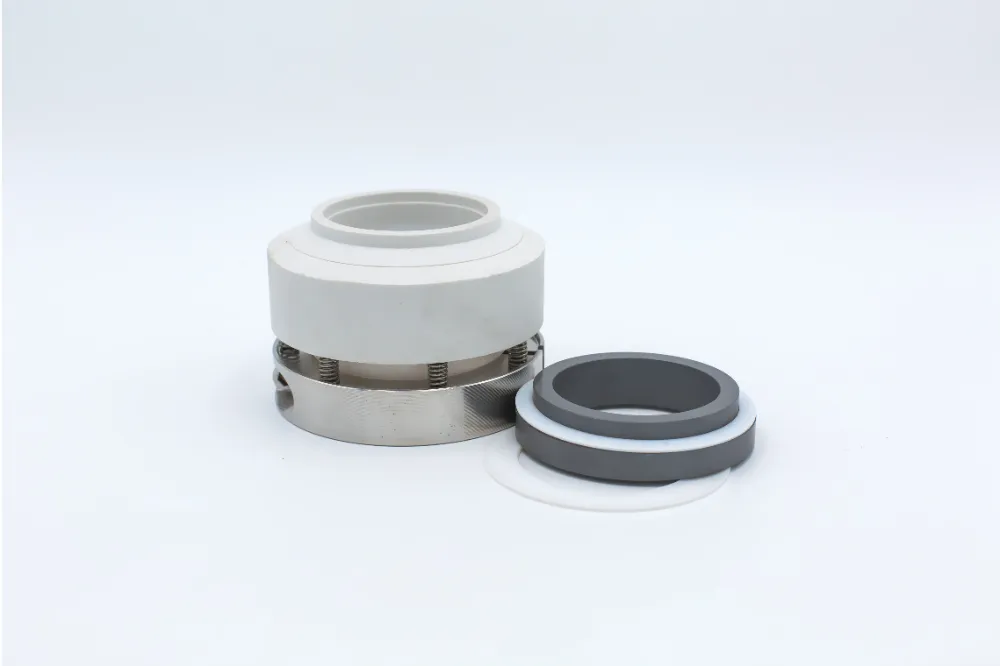
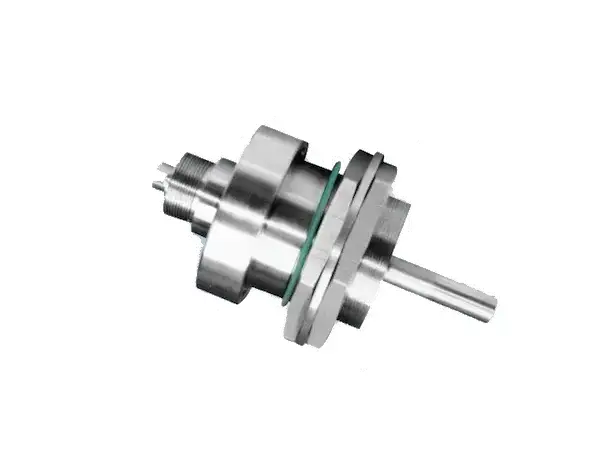
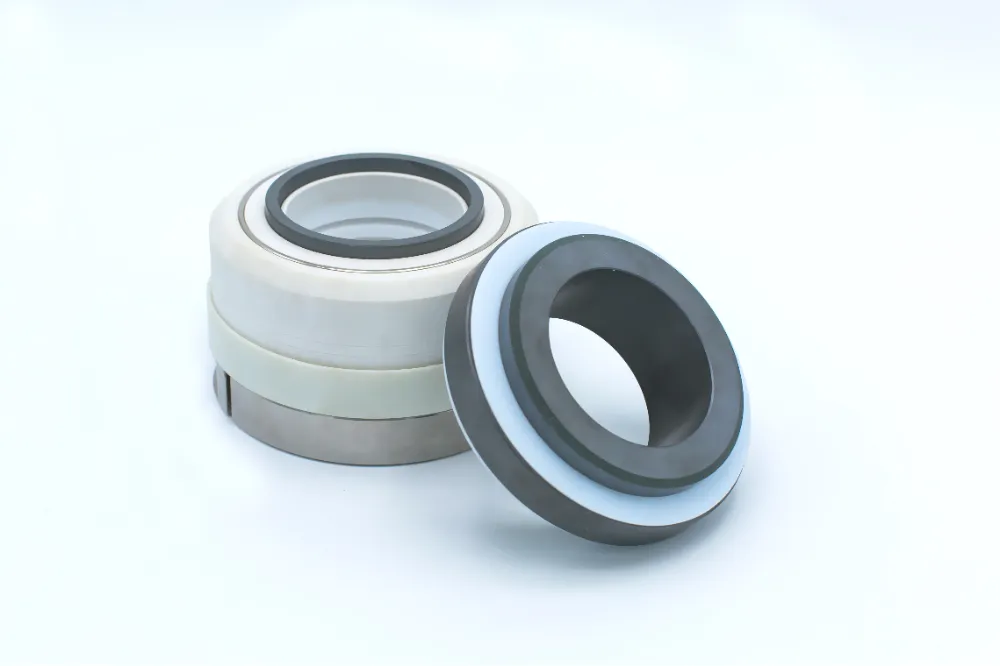
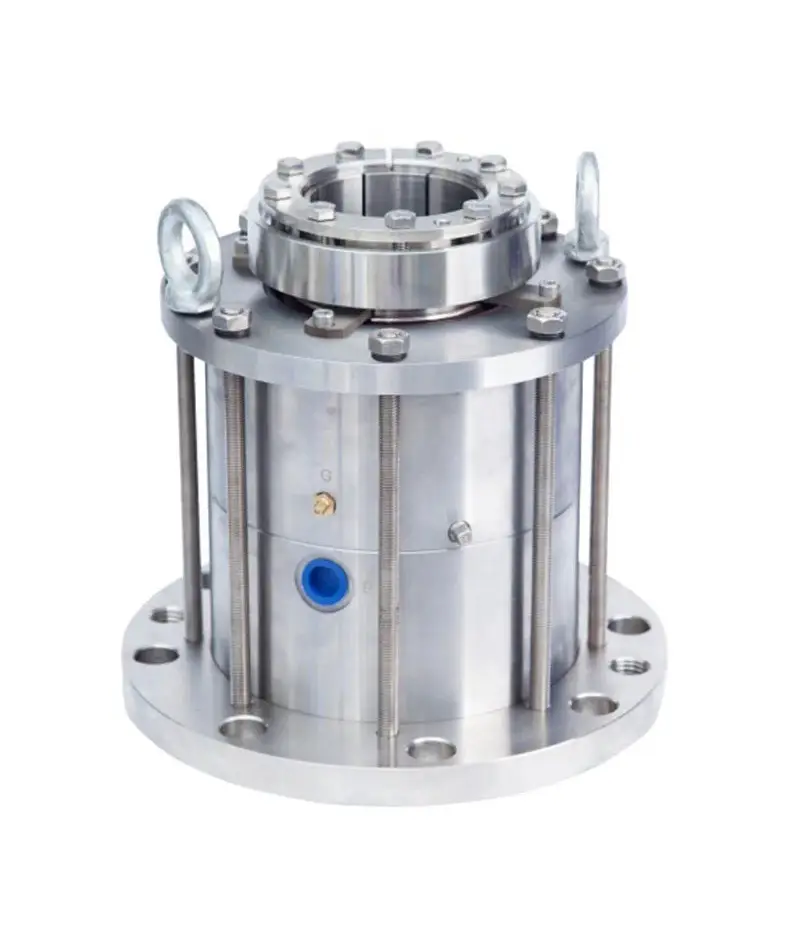
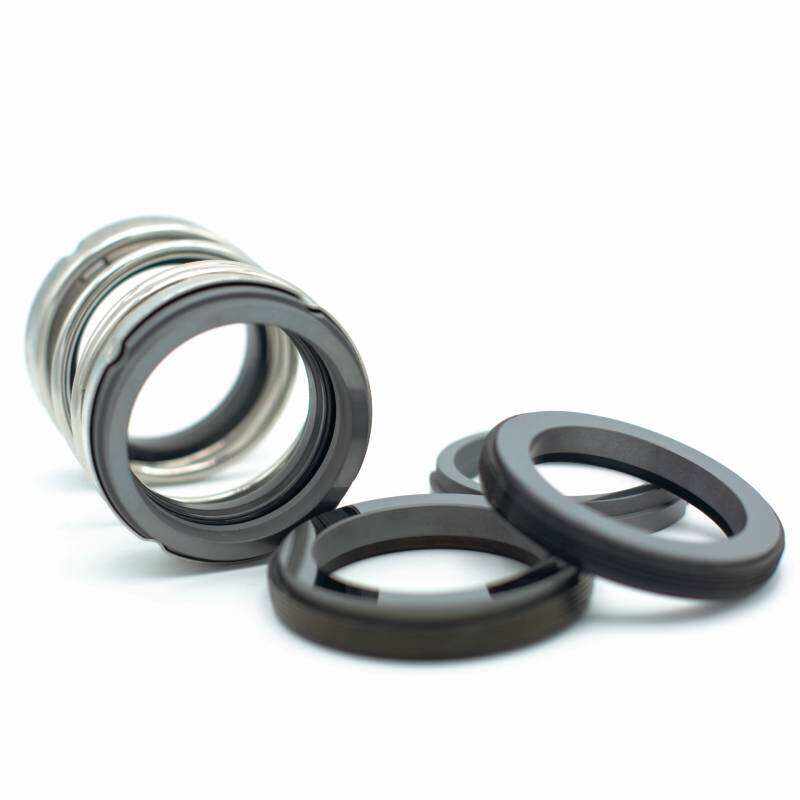
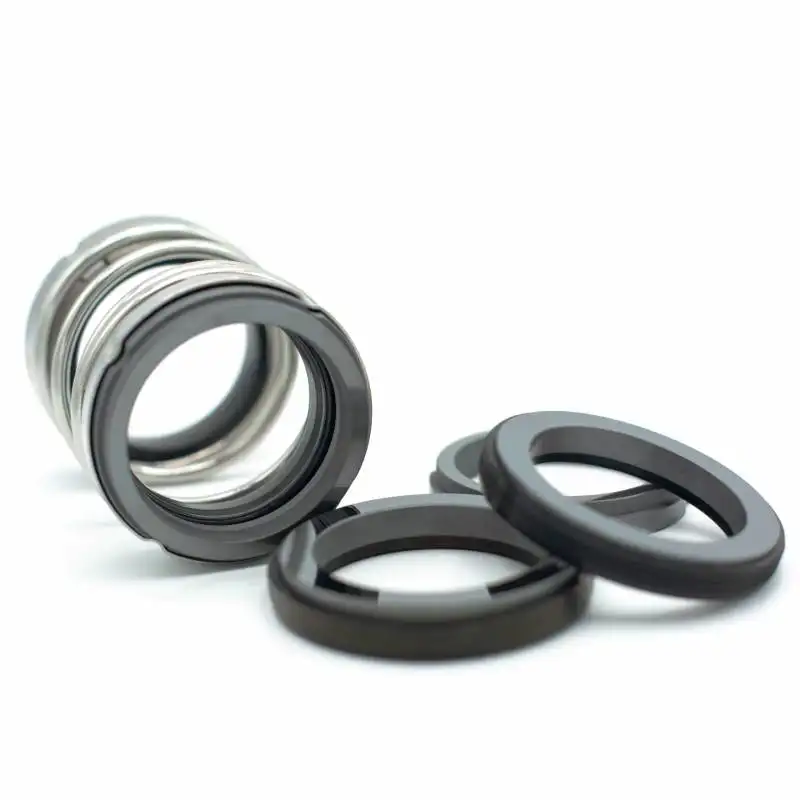
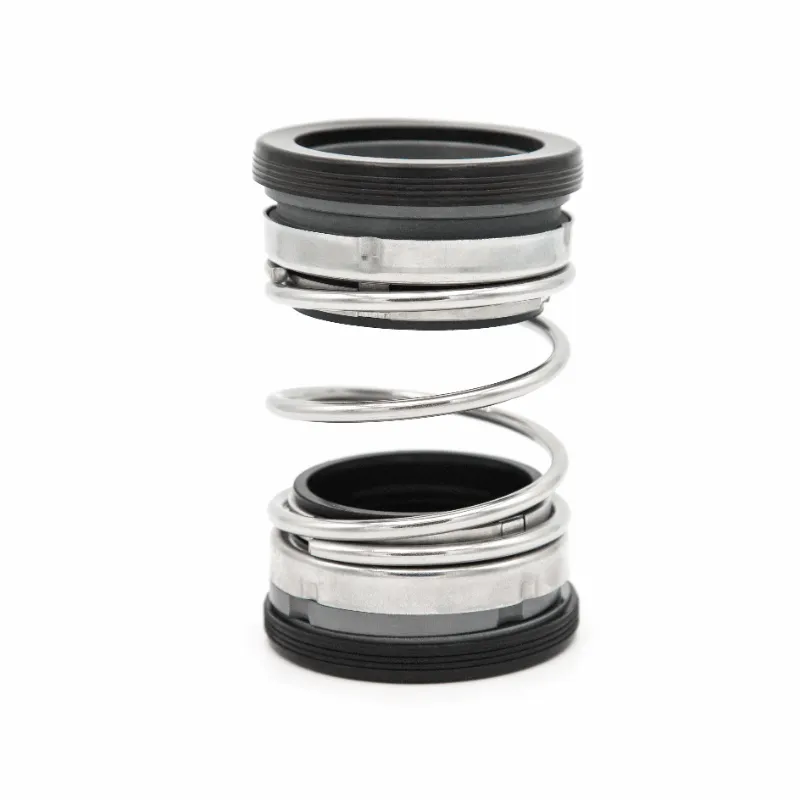
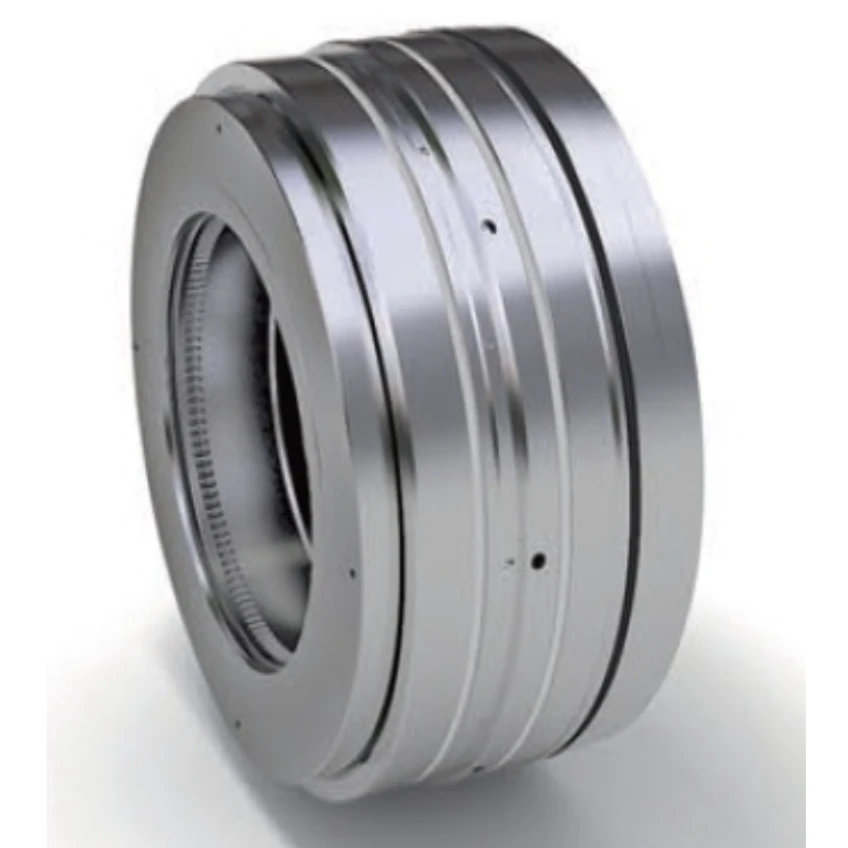
Double Mechanical Seals represent a critical advancement in industrial sealing technology, providing enhanced protection and reliability for rotating equipment across diverse applications. These sophisticated sealing systems feature two distinct sealing interfaces that work in tandem to create multiple barriers against fluid leakage. The primary seal operates closest to the process fluid, while the secondary seal provides additional protection, creating a buffer zone between the process and atmosphere. This dual-barrier design significantly reduces the risk of hazardous material exposure and environmental contamination. Double Mechanical Seals utilize advanced materials including silicon carbide, tungsten carbide, and specialized elastomers to withstand extreme temperatures, pressures, and corrosive environments. The technological architecture incorporates precision-engineered components including rotating rings, stationary seats, springs, and secondary containment elements. Process monitoring capabilities are integrated through pressure and temperature sensors, allowing real-time performance assessment. These seals excel in applications involving toxic, flammable, or valuable fluids where single seal failure could result in safety hazards or economic losses. The barrier fluid system maintains pressure balance and provides lubrication between sealing faces, extending operational life and maintaining optimal performance. Industries such as chemical processing, petroleum refining, pharmaceutical manufacturing, and food production rely heavily on Double Mechanical Seals for critical pumping applications. The modular design facilitates maintenance procedures and reduces downtime through streamlined replacement processes. Temperature resistance ranges from cryogenic conditions to high-heat applications exceeding 500 degrees Fahrenheit. Pressure capabilities extend beyond 1000 PSI in many configurations, accommodating demanding industrial requirements. The innovative design philosophy emphasizes fail-safe operation, ensuring that primary seal failure activates visual or electronic warning systems before secondary containment is compromised.
 EN
EN