API 682 Compliant Seals: Advanced Industrial Sealing Solutions for Critical Applications

Get a Free Quote

Our representative will contact you soon.
Email
Name
Company Name
Message
0/1000

API 682 Compliant Seals

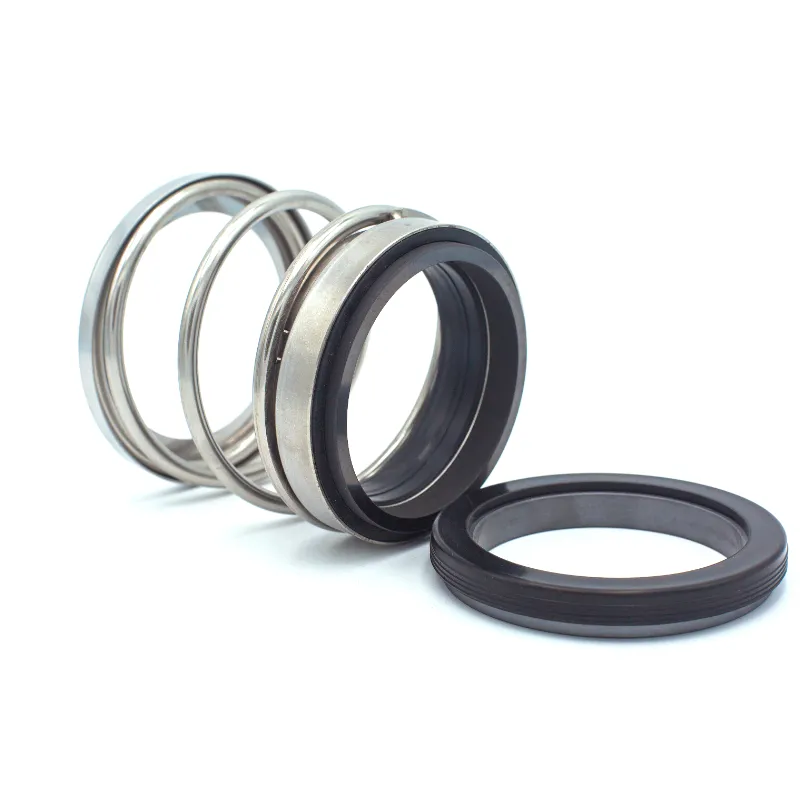
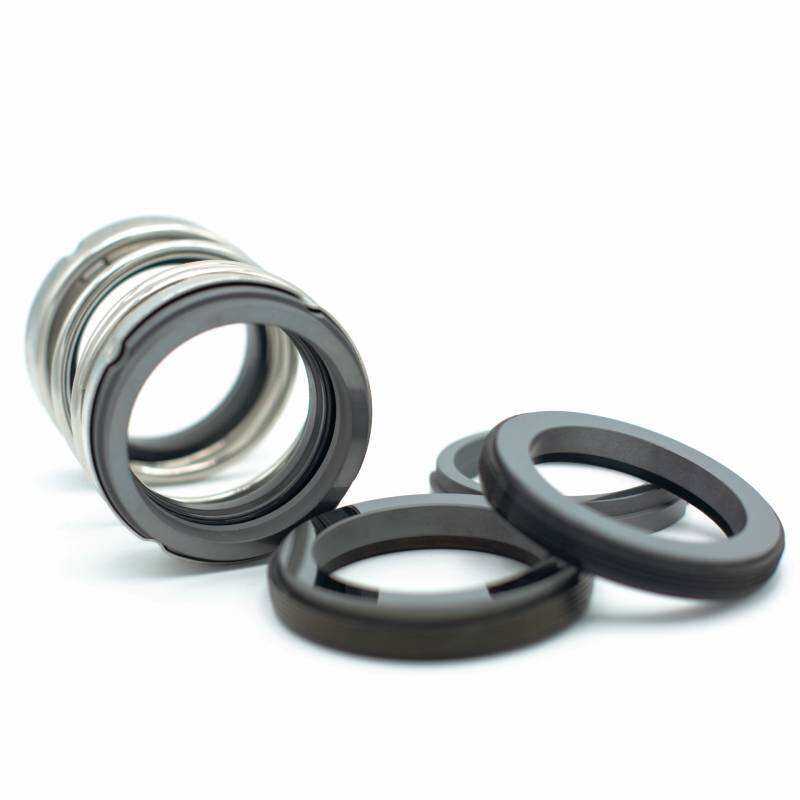
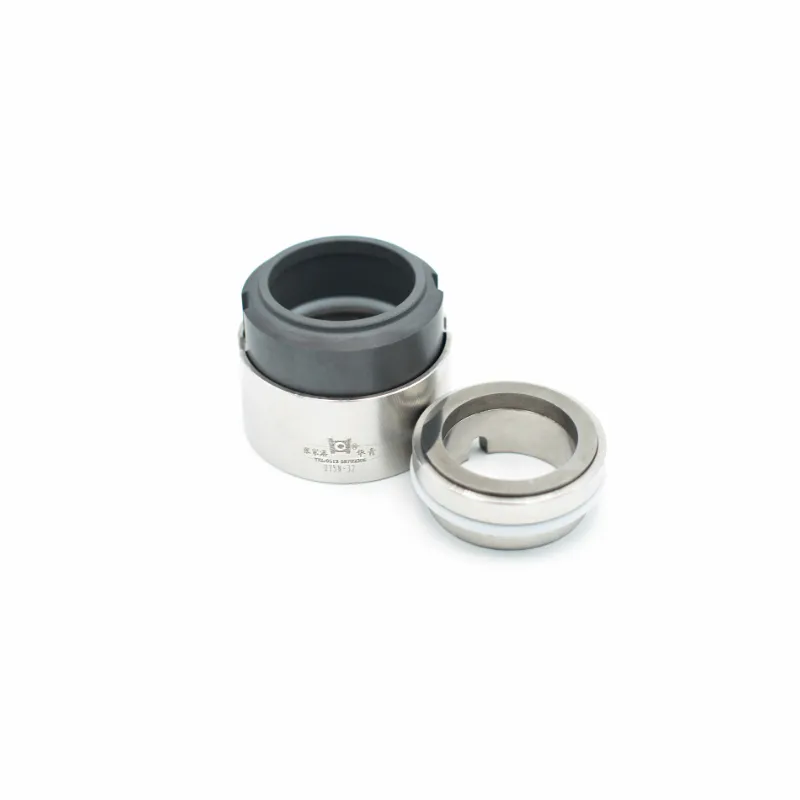
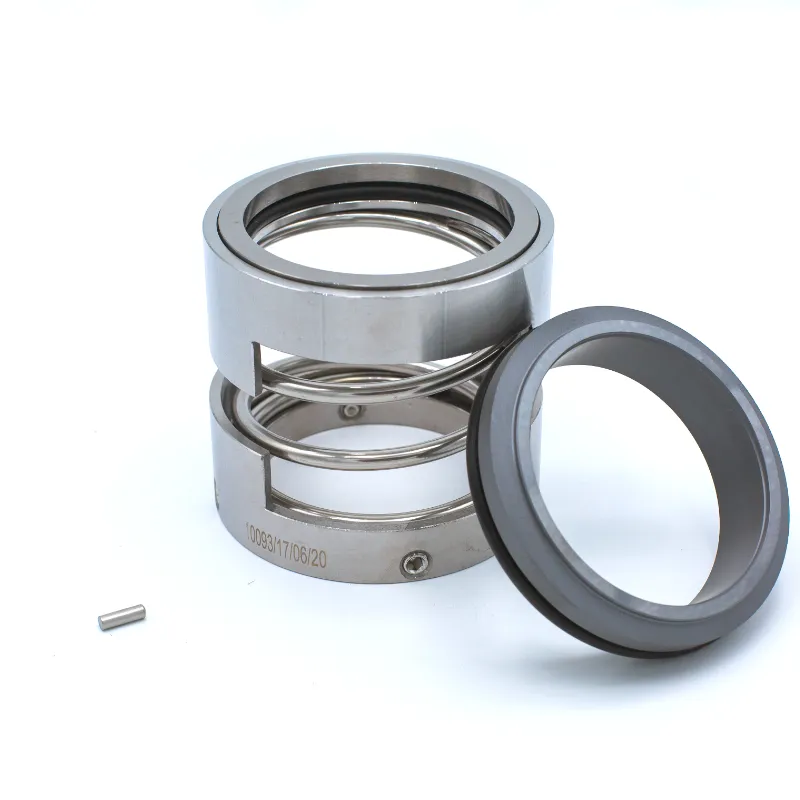
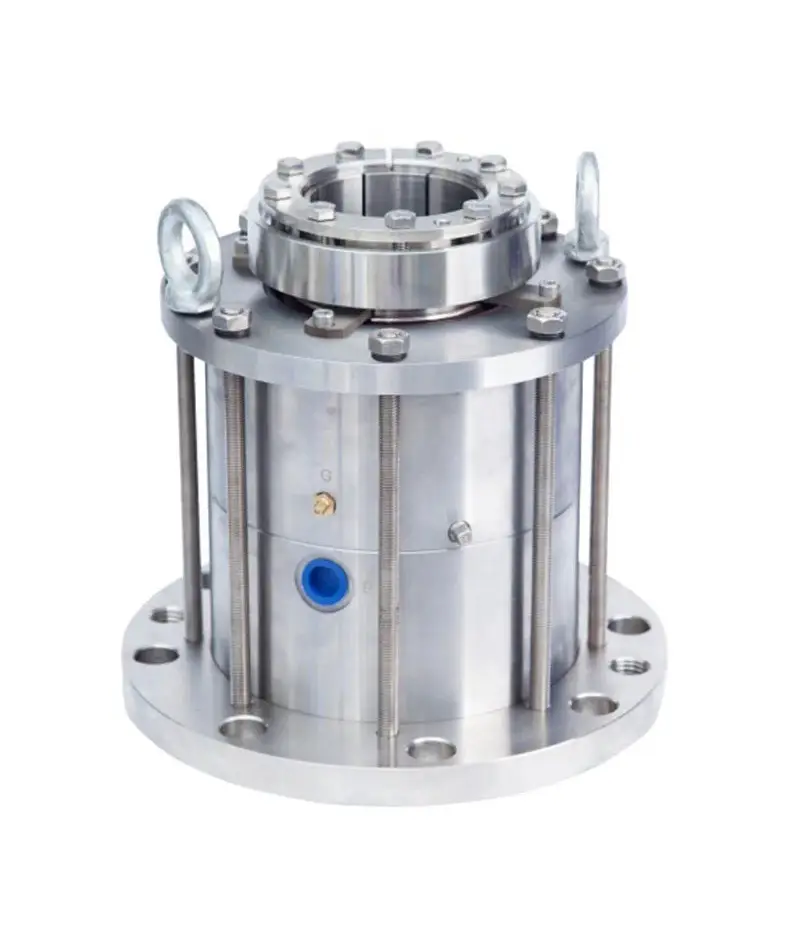
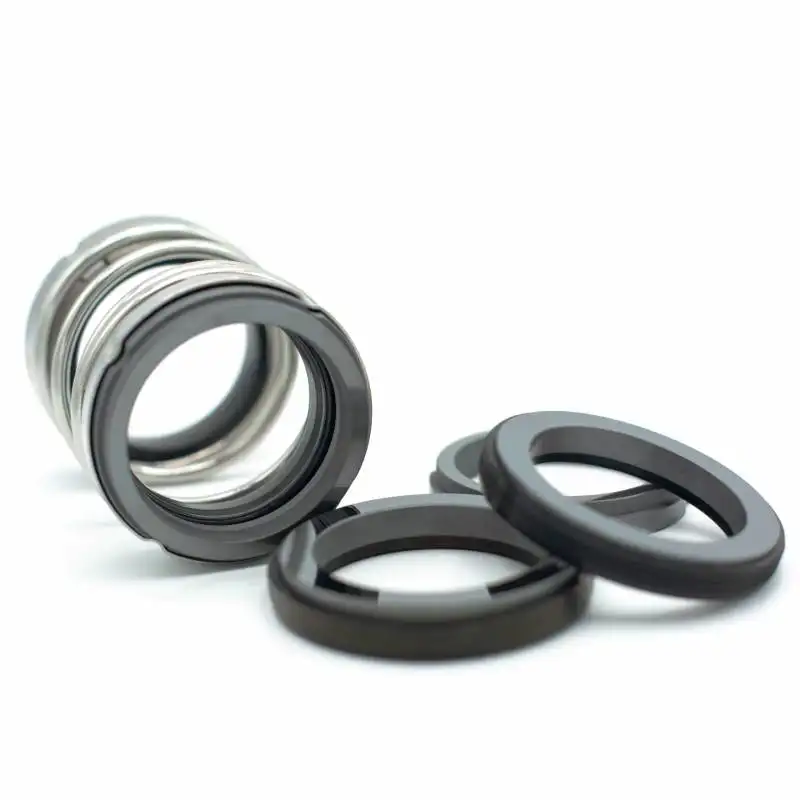
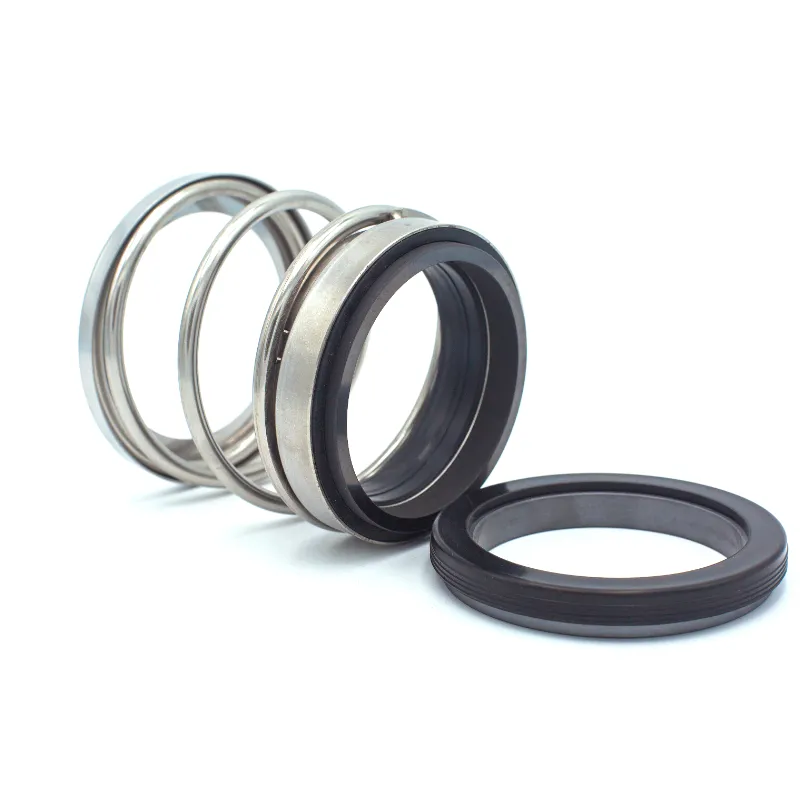
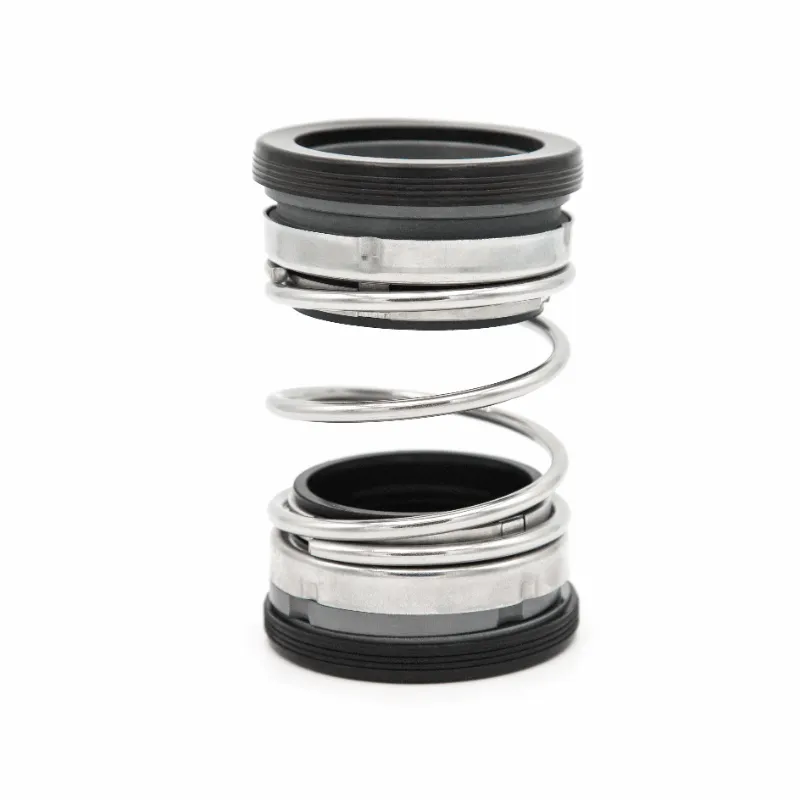
API 682 Compliant Seals represent a critical advancement in mechanical sealing technology, designed specifically to meet the rigorous standards established by the American Petroleum Institute. These specialized sealing solutions serve as essential components in centrifugal pumps handling hazardous and volatile fluids across various industrial sectors. The primary function of API 682 Compliant Seals centers on preventing leakage of dangerous chemicals, petroleum products, and other potentially harmful substances that could pose environmental and safety risks. These seals incorporate sophisticated engineering principles to maintain barrier containment between rotating and stationary pump components while ensuring optimal operational performance. The technological framework of API 682 Compliant Seals encompasses dual mechanical seal configurations that provide redundant protection layers. The primary seal functions as the initial barrier, while the secondary seal serves as backup protection should the primary system experience failure. This dual-barrier approach significantly reduces the probability of hazardous material release into the surrounding environment. Advanced materials utilized in API 682 Compliant Seals include silicon carbide faces, tungsten carbide components, and specialized elastomers that demonstrate exceptional resistance to chemical attack and thermal degradation. The sealing systems integrate comprehensive monitoring capabilities through instrumentation that tracks seal chamber pressure, temperature fluctuations, and barrier fluid conditions. Applications for API 682 Compliant Seals span across petroleum refining operations, chemical processing facilities, pharmaceutical manufacturing plants, and power generation stations. These seals prove particularly valuable in handling corrosive acids, caustic solutions, hydrocarbon mixtures, and high-temperature process fluids. The implementation of API 682 Compliant Seals ensures regulatory compliance with environmental protection standards while maintaining operational efficiency and reducing maintenance costs associated with seal failures and unplanned downtime.

Popular Products

The implementation of API 682 Compliant Seals delivers substantial operational benefits that directly impact facility performance, safety protocols, and cost management strategies. These advanced sealing systems provide superior leak prevention capabilities compared to traditional single seal configurations, resulting in enhanced environmental protection and regulatory compliance. The dual-barrier design inherent in API 682 Compliant Seals creates multiple containment layers that significantly reduce the risk of hazardous material release, protecting both personnel and surrounding communities from exposure to dangerous chemicals. This enhanced safety profile translates into reduced liability concerns and improved corporate environmental stewardship. Operational reliability represents another key advantage of API 682 Compliant Seals, as these systems maintain consistent performance under demanding process conditions. The robust construction and high-quality materials ensure extended service life, reducing the frequency of seal replacements and associated maintenance downtime. Plant operators benefit from decreased maintenance costs through reduced seal failure incidents and extended intervals between scheduled maintenance activities. The advanced monitoring capabilities integrated into API 682 Compliant Seals enable proactive maintenance strategies by providing real-time data on seal condition and performance parameters. This predictive maintenance approach helps prevent unexpected failures and allows for planned maintenance scheduling during convenient operational windows. Cost savings extend beyond direct maintenance expenses to include reduced product loss through improved containment efficiency. The superior sealing performance minimizes valuable process fluid losses, contributing to improved production economics and reduced waste disposal costs. Energy efficiency improvements result from the optimized seal designs that reduce friction losses and power consumption compared to older sealing technologies. The standardized specifications of API 682 Compliant Seals simplify procurement processes and ensure compatibility across different pump manufacturers, reducing inventory requirements and streamlining spare parts management. Installation procedures become more straightforward due to standardized dimensions and mounting configurations, reducing labor costs and installation time. Long-term operational benefits include improved plant availability through reduced unplanned shutdowns and enhanced process stability resulting from consistent sealing performance under varying operating conditions.

Practical Tips

What Is Agitator Seal Pressure and Why It Matters in Industrial Equipment?

06

Aug

What Is Agitator Seal Pressure and Why It Matters in Industrial Equipment?

Importance of Pressure Control in Industrial Sealing Systems Industrial processes often involve extreme conditions—high temperatures, intense pressures, and reactive chemicals. To maintain system safety and ensure reliable performance, manufac...
View More
Key Features of High-Performance Agitator Seal Pressure Systems

06

Aug

Key Features of High-Performance Agitator Seal Pressure Systems

Ensuring Long-Term Efficiency in Industrial Sealing In the world of industrial processing, maintaining system integrity under various operational stresses is a continuous challenge. One of the most vital components for achieving this reliability is t...
View More
Agitator Seal Solutions for Chemical, Pharma & Food Processing

22

Dec

Agitator Seal Solutions for Chemical, Pharma & Food Processing

Industrial mixing operations in chemical, pharmaceutical, and food processing facilities rely heavily on dependable sealing solutions to maintain process integrity and operational efficiency. Agitator seals serve as critical components that prevent f...
View More
Cartex Mechanical Seal Solutions for Heavy-Duty Pumping Systems

22

Dec

Cartex Mechanical Seal Solutions for Heavy-Duty Pumping Systems

Industrial pumping systems demand exceptional reliability and performance, especially when handling aggressive fluids and operating under extreme conditions. Modern mechanical seal technology has evolved to meet these challenges, with advanced soluti...
View More

Get a Free Quote

Our representative will contact you soon.
Email
Name
Company Name
Country/Region
Message
0/1000

API 682 Compliant Seals

Advanced Dual-Barrier Protection System

Advanced Dual-Barrier Protection System

The cornerstone feature of API 682 Compliant Seals lies in their sophisticated dual-barrier protection system that revolutionizes industrial sealing applications. This innovative design incorporates two independent sealing mechanisms working in tandem to create an unprecedented level of containment security for hazardous and volatile process fluids. The primary seal operates as the first line of defense, utilizing precision-engineered sealing faces manufactured from premium materials such as silicon carbide or tungsten carbide that demonstrate exceptional wear resistance and chemical compatibility. These primary sealing components maintain direct contact with the process fluid while preventing leakage through precise face-to-face contact maintained by spring-loaded mechanisms and hydraulic balance systems. The secondary seal functions as a critical backup barrier, positioned to contain any potential leakage that might occur should the primary seal experience wear or damage. This redundant protection approach ensures continuous containment even during primary seal maintenance or unexpected failure scenarios. The barrier fluid system between the two seals creates an additional protective environment, utilizing clean, compatible fluids that provide lubrication and cooling while maintaining pressure differentials that enhance sealing effectiveness. Advanced pressure monitoring systems continuously track the barrier fluid conditions, providing early warning indicators of seal performance changes that enable proactive maintenance interventions. The dual-barrier configuration significantly reduces the statistical probability of environmental release, often achieving leak rates below detectable limits for extended operational periods. This enhanced containment capability proves particularly valuable in applications involving carcinogenic chemicals, volatile organic compounds, and environmentally sensitive materials where even minimal leakage could result in regulatory violations or safety incidents. The system design incorporates fail-safe mechanisms that automatically activate backup protection protocols should primary seal parameters exceed predetermined thresholds, ensuring continuous environmental protection throughout all operational scenarios.
Comprehensive Real-Time Monitoring and Diagnostics

Comprehensive Real-Time Monitoring and Diagnostics

API 682 Compliant Seals integrate state-of-the-art monitoring and diagnostic capabilities that transform traditional sealing systems into intelligent, data-driven components of modern industrial operations. These advanced monitoring systems continuously track critical performance parameters including seal chamber pressure, barrier fluid temperature, flow rates, and conductivity levels that provide comprehensive insight into seal condition and operational health. Sophisticated pressure transducers monitor differential pressures across sealing barriers, detecting minute changes that could indicate wear progression or system irregularities before they develop into serious problems. Temperature sensors strategically positioned throughout the seal assembly track thermal conditions that affect seal performance, enabling operators to optimize cooling systems and prevent temperature-related degradation. Flow measurement devices monitor barrier fluid circulation rates, ensuring adequate lubrication and cooling while detecting potential blockages or system malfunctions that could compromise sealing effectiveness. Conductivity monitoring capabilities detect contamination levels in barrier fluids, providing early warning of seal face wear or process fluid ingress that requires maintenance attention. These monitoring systems integrate seamlessly with plant distributed control systems, enabling centralized monitoring and automated alarm generation when parameters exceed acceptable ranges. Historical data logging capabilities allow trend analysis that supports predictive maintenance strategies and helps optimize seal performance over extended operational periods. Advanced diagnostic algorithms analyze multiple parameter inputs simultaneously, providing intelligent assessment of seal condition and remaining service life estimates. Remote monitoring capabilities enable expert technical support teams to assess seal performance and provide guidance without requiring on-site visits, reducing response times and improving troubleshooting efficiency. The comprehensive monitoring approach enables condition-based maintenance strategies that optimize maintenance timing while minimizing operational disruptions and extending seal service life through proactive interventions.
Superior Chemical Compatibility and Material Engineering

Superior Chemical Compatibility and Material Engineering

The exceptional chemical compatibility and advanced material engineering of API 682 Compliant Seals represent crucial differentiating factors that enable reliable operation in the most challenging industrial environments. These sealing systems incorporate carefully selected materials that demonstrate proven resistance to aggressive chemicals, extreme temperatures, and demanding operational conditions encountered in petroleum refining, chemical processing, and other critical applications. Primary sealing faces utilize premium materials including reaction-bonded silicon carbide, tungsten carbide, and specialized ceramic compositions that maintain dimensional stability and surface finish integrity when exposed to corrosive process fluids. These advanced materials resist chemical attack from acids, bases, solvents, and hydrocarbon mixtures while maintaining the precise surface characteristics essential for effective sealing performance. Secondary containment components feature specially formulated elastomers and polymer seals engineered to withstand specific chemical environments while maintaining flexibility and sealing capability throughout extended service periods. The material selection process involves comprehensive compatibility testing against target process fluids to ensure long-term performance and prevent premature degradation that could compromise sealing effectiveness. Metallic components utilize corrosion-resistant alloys including Hastelloy, Inconel, and specialized stainless steel grades that maintain structural integrity and dimensional accuracy under aggressive chemical exposure. Surface treatments and coatings provide additional protection layers that enhance chemical resistance while reducing friction and wear rates during operation. The engineering approach considers thermal expansion characteristics, ensuring that different materials within the seal assembly maintain proper clearances and contact pressures throughout temperature cycling conditions. Quality control procedures verify material properties and chemical compatibility through rigorous testing protocols that simulate actual operating conditions. This comprehensive material engineering approach enables API 682 Compliant Seals to handle process fluids that would quickly degrade conventional sealing materials, extending service life and reducing maintenance requirements while maintaining environmental containment integrity throughout demanding operational scenarios.

Get a Free Quote

Our representative will contact you soon.
Email
Name
Company Name
Country/Region
Message
0/1000