 EN
EN


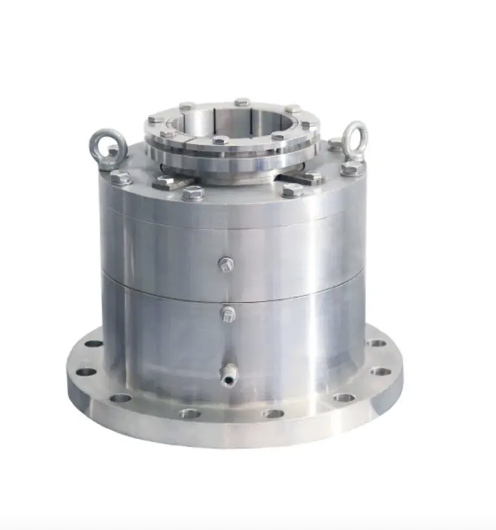
Эксплуатационные условия: влияние давления, температуры и скорости на целостность механического уплотнения
Деформация рабочих поверхностей под действием давления и образование путей утечки
Избыточные перепады давления вызывают упругую деформацию уплотняющих поверхностей, создавая микроскопические пути утечки — даже на точно обработанных поверхностях. Когда гидравлические силы приближаются к пределу текучести материала или превышают его, формируются неравномерные участки контакта, что ускоряет износ до 300 % в насосных установках, особенно при частых циклах изменения давления. Поддержание стабильного рабочего давления в пределах технических характеристик, установленных производителем, является обязательным условием для предотвращения отказов, вызванных деформацией.
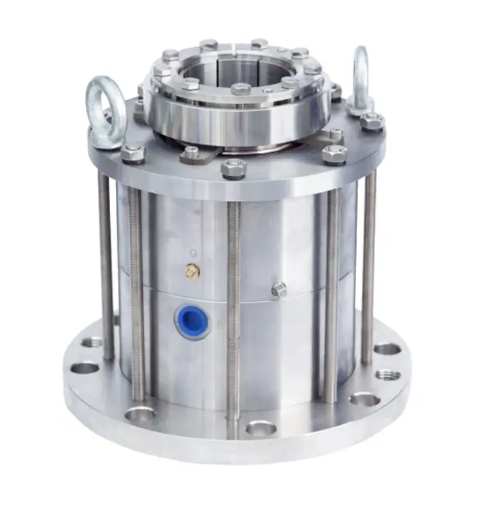
Несоответствие коэффициентов теплового расширения и динамическая деформация рабочих поверхностей при повышенных температурах
Различие в коэффициентах теплового расширения между компонентами уплотнения создаёт значительные риски деформации. Углеродно-графитовые торцевые поверхности расширяются со скоростью ~4,5 мкм/м·°C, тогда как детали из нержавеющей стали — со скоростью ~16 мкм/м·°C; это приводит к выпуклой деформации торцевых поверхностей при температурах выше 200 °C, что может снизить эффективную площадь контакта до 40 %. Одновременно эластомерные вторичные уплотнения быстро деградируют под действием тепла: твёрдость уплотнительных колец типа O-образного сечения снижается на 10–15 единиц по шкале Шора A на каждое повышение температуры на 25 °C. Эффективное тепловое управление — с использованием рубашек охлаждения, оптимизированных путей теплопередачи или термостойких материалов — критически важно для сохранения геометрии торцевых поверхностей и надёжности уплотнения.
Скоростная зависимость гидродинамического подъёма и центробежная неустойчивость в системах вращающихся механических уплотнений
| Фактор | Эффекты при низких скоростях | Эффекты при высоких скоростях |
|---|---|---|
| Гидродинамический подъём | Недостаточное формирование смазочного слоя | Чрезмерное разделение торцевых поверхностей |
| Центробежные силы | Минимальное влияние | Вибрация торцевых поверхностей уплотнения (амплитуда 0,8 мм) |
| Оптимальный диапазон | <500 об/мин | 2000–5000 об/мин |
Угловая скорость определяет поведение жидкостной пленки. При скоростях ниже критических гидродинамическое давление оказывается недостаточным, что приводит к граничной смазке и ускоренному износу. При чрезмерно высоких скоростях — особенно в уплотнениях большого диаметра — центробежный дисбаланс свыше 0,5 мм вызывает разрушительные вибрации. Современные конструкции снижают этот эффект за счёт сбалансированных гидравлических профилей, контролируемых углов конусности и функций динамической устойчивости, обеспечивающих стабильность жидкостной пленки при работе на переменных скоростях.
Смазка жидкостной пленкой: основной механизм, определяющий ресурс и надёжность механического уплотнения
Жидкостная пленка между рабочими поверхностями уплотнения — это не просто смазочный материал, а ключевой фактор, определяющий эксплуатационные характеристики уплотнения, величину трения и утечки. Этот микроскопический слой (обычно толщиной от 0,5 до 5 мкм) предотвращает прямой контакт шероховатостей поверхностей, обеспечивая при этом минимальные, строго регламентированные утечки — ровно столько, сколько необходимо для охлаждения и стабилизации контакта. Устойчивость этой пленки определяет, будет ли механическое уплотнение уплотнение обеспечивать годы безотказной работы или выйдет из строя преждевременно.
Взаимосвязь вязкости, давления и температуры при формировании жидкостной плёнки
Толщина плёнки и несущая способность зависят в решающей степени от динамического взаимодействия между вязкостью жидкости, давлением в системе и температурой. Повышение давления увеличивает вязкость и способствует образованию более толстой плёнки и росту гидродинамической подъёмной силы; повышение температуры снижает вязкость и создаёт риск истончения плёнки. Конструкция уплотнения должна обеспечивать поддержание толщины плёнки на уровне, достаточном для предотвращения контакта микронеровностей, но при этом достаточно малом для выполнения требований по выбросам или герметичности — во всём диапазоне ожидаемых рабочих условий. Достижение этого баланса осуществляется за счёт точной геометрии торцевых поверхностей, правильного подбора пары материалов и оценки совместимости материалов с технологической средой.
Критические пороговые значения толщины плёнки: режимы граничной и смешанной смазки в механических уплотнениях
При размерах менее ~0,5 мкм уплотнения переходят в режим граничной смазки: прерывистый контакт микронеровностей вызывает высокое трение, локальный нагрев и интенсивный износ. В диапазоне 0,5–1,5 мкм реализуется смешанная смазка — оптимальный режим для большинства применений, при котором частичный гидродинамический подъём сосуществует с контролируемым контактом рабочих поверхностей. Такое состояние обеспечивает низкое трение, увеличенный срок службы рабочих поверхностей и достаточную утечку для теплового управления. Чистая гидродинамическая смазка (толщина плёнки 2 мкм) приводит к заметному увеличению утечки сверх допустимых пределов, тогда как глубокий режим граничной смазки резко сокращает срок службы уплотнения. Поэтому надёжный дизайн уплотнения ориентирован на стабильную работу в режиме смешанной смазки в полном диапазоне изменений давления, температуры и скорости.
Механическая нагрузка и геометрия рабочей поверхности: обеспечение равномерного контакта в механических уплотнениях
Механическое уплотнение обеспечивает герметичность за счёт постоянного контактного давления между вращающейся и неподвижной поверхностями. Нагрузочные механизмы — пружины или сильфоны — создают усилие, которое автоматически компенсирует износ рабочих поверхностей и перемещения вала. Рабочие поверхности уплотнений шлифуются до исключительной плоскостности (часто в пределах 2–3 интерференционных полос гелия, то есть примерно 0,00003 дюйма), что минимизирует микроскопические зазоры. Гидравлическое давление технологической жидкости дополняет усилие пружин, обеспечивая образование и поддержание стабильной тонкой смазывающей плёнки. При отсутствии точной геометрии и достаточной равномерной нагрузки контакт становится неравномерным, что приводит к повышению температуры, ускоренному износу и преждевременному выходу уплотнения из строя. Сбалансированность этих параметров является основой долговечной надёжности механического уплотнения.
Выбор материалов и совместимость с окружающей средой для обеспечения долговечности механических уплотнений
Выбор материалов напрямую определяет срок службы механического уплотнения в агрессивных условиях эксплуатации. Совместимость с технологическими жидкостями предотвращает деградационные процессы, постепенно разрушающие герметичность уплотнения.
Химическая стойкость, абразивный износ и коррозионная усталость в агрессивных технологических жидкостях
Три основных механизма разрушения доминируют в сложных условиях эксплуатации:
- Устойчивость к химическим веществам : Эластомеры должны обладать устойчивостью к набуханию, упрочнению или вымыванию при контакте с растворителями, кислотами или щелочами. EPDM хорошо зарекомендовал себя при работе с водными химическими средами; фторкаучуки (FKM) или перфторэластомеры (FFKM) применяются для работы с агрессивными углеводородами и высокоокисляющими средами при повышенных температурах.
- Износ абразивного типа : Жидкости, содержащие твёрдые частицы, требуют упрочнённых, износостойких уплотнительных поверхностей. Карбид вольфрама обеспечивает превосходную стойкость к абразивному износу в пульпах и сохраняет размерную стабильность.
- Коррозионная усталость : Электрохимические взаимодействия между разнородными металлами ускоряют разрушение в проводящих средах. Пары карбида кремния (SiC) исключают риск гальванической коррозии и обеспечивают высокую твёрдость и теплопроводность.
Оптимальные конфигурации — например, карбид кремния в паре с неподвижными уплотнительными поверхностями из углеродного графита — обеспечивают баланс износостойкости, термостойкости и химической инертности. Ведущие производители рекомендуют карбид кремния для применения в условиях крайне агрессивных сред, акцентируя внимание на синергии между основными уплотнительными поверхностями, вторичными уплотнениями и компонентами крепления для обеспечения всесторонней защиты от внешней среды.
Устойчивость конструкции: компенсация несоосности, вибрации и теплового расширения в механических уплотнениях
Соответствие вторичного уплотнительного элемента и его динамическое сопровождение при реальном движении вала
На практике при эксплуатации механические уплотнения подвергаются воздействию несоосности вала, вибрации и теплового расширения — факторов, ответственных примерно за 42 % преждевременных отказов уплотнений, согласно данным Совета по надёжности вращающегося оборудования (2023 г.). Гибкие сильфонные элементы и другие податливые вторичные уплотнительные детали обеспечивают критически важную компенсацию: угловая несоосность до 3° и параллельные смещения более 0,5 мм компенсируются без потери герметичности уплотнения. Эти компоненты также выполняют функцию механических изоляторов, гася вибрации от неуравновешенных роторов или внешних источников, которые в противном случае могли бы сместить неподвижные торцевые поверхности. При тепловых переходных процессах дифференциальное расширение между валами и корпусами — до 0,2 мм/м на каждые 100 °C в стальных системах — компенсируется за счёт инженерно спроектированной гибкости. Современные конструкции объединяют двухпружинные конфигурации и адаптивные геометрии для поддержания равномерного давления контакта торцевых поверхностей при динамическом отслеживании перемещения вала, обеспечивая герметичность в условиях переменной частоты вращения, высокой вибрации и циклических тепловых нагрузок.
Часто задаваемые вопросы
Что вызывает отказы механических уплотнений при высоком давлении?
Высокое давление может вызывать упругую деформацию рабочих поверхностей уплотнения, формируя микроскопические пути утечки и неравномерные зоны контакта, что ускоряет износ. Поддержание стабильного рабочего давления в пределах технических спецификаций позволяет предотвратить такие отказы.
Как высокие температуры влияют на механические уплотнения?
Высокие температуры приводят к несоответствию коэффициентов теплового расширения, короблению рабочих поверхностей уплотнения и деградации эластомеров. Эффективное тепловое управление и правильный выбор материалов позволяют смягчить эти эффекты.
Почему гидродинамическая смазка жидкостной пленкой является обязательным условием для работы механических уплотнений?
Гидродинамическая смазка жидкостной пленкой определяет эксплуатационные характеристики за счёт снижения трения, предотвращения прямого контакта поверхностей и стабилизации температуры на границе раздела, обеспечивая долгосрочную надёжность.
Какие материалы идеально подходят для агрессивных технологических сред?
Карбид кремния (SiC) и карбид вольфрама обладают превосходной стойкостью к абразивному износу, коррозии и термическим нагрузкам в агрессивных условиях, обеспечивая длительный срок службы уплотнений.
Как механические уплотнения компенсируют реальное перемещение вала?
Механические уплотнения используют гибкие элементы, такие как сильфонные узлы, для компенсации перемещения вала, вибрации и теплового расширения, обеспечивая целостность уплотнения и предотвращая утечки.
Оглавление
-
Эксплуатационные условия: влияние давления, температуры и скорости на целостность механического уплотнения
- Деформация рабочих поверхностей под действием давления и образование путей утечки
- Несоответствие коэффициентов теплового расширения и динамическая деформация рабочих поверхностей при повышенных температурах
- Скоростная зависимость гидродинамического подъёма и центробежная неустойчивость в системах вращающихся механических уплотнений
- Смазка жидкостной пленкой: основной механизм, определяющий ресурс и надёжность механического уплотнения
- Механическая нагрузка и геометрия рабочей поверхности: обеспечение равномерного контакта в механических уплотнениях
- Выбор материалов и совместимость с окружающей средой для обеспечения долговечности механических уплотнений
- Устойчивость конструкции: компенсация несоосности, вибрации и теплового расширения в механических уплотнениях
-
Часто задаваемые вопросы
- Что вызывает отказы механических уплотнений при высоком давлении?
- Как высокие температуры влияют на механические уплотнения?
- Почему гидродинамическая смазка жидкостной пленкой является обязательным условием для работы механических уплотнений?
- Какие материалы идеально подходят для агрессивных технологических сред?
- Как механические уплотнения компенсируют реальное перемещение вала?