 EN
EN


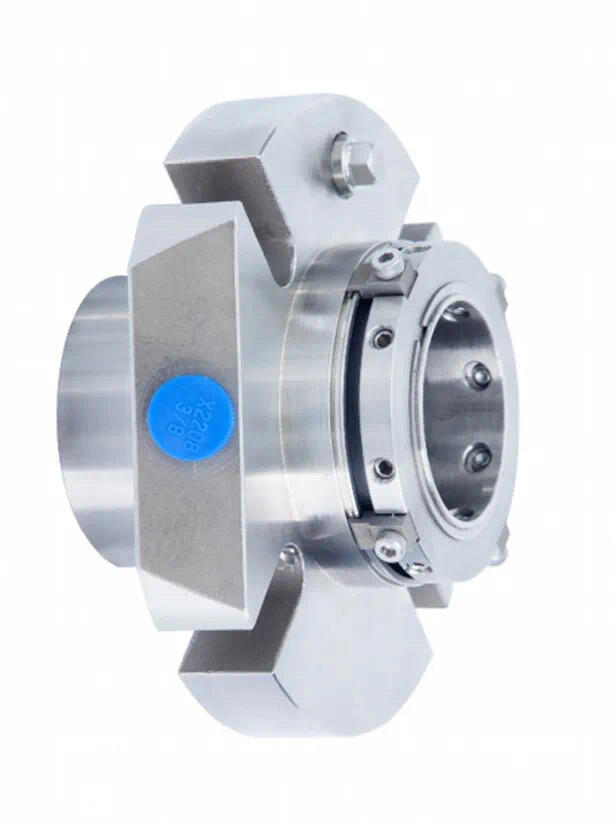
Understanding what is mechanical seal technology represents a critical knowledge gap for many new pump system owners entering industrial operations. These precision-engineered components serve as the primary barrier preventing fluid leakage from rotating equipment, making them indispensable for maintaining system efficiency and environmental compliance. When pump systems operate without proper sealing mechanisms, the consequences range from costly product loss to catastrophic equipment failure, environmental contamination, and regulatory violations that can shut down entire operations.
The complexity of modern industrial applications demands sealing solutions that can withstand extreme pressures, temperatures, and chemical environments while maintaining zero-leakage performance over extended operational periods. New pump system owners must grasp these fundamental concepts to make informed decisions about equipment selection, maintenance protocols, and operational safety standards that directly impact their bottom line and regulatory standing.
Fundamental Principles of Mechanical Seal Technology
Primary Sealing Interface Design
The core principle behind what is mechanical seal functionality revolves around creating a controlled interface between two precisely machined surfaces that rotate relative to each other. This primary sealing interface typically consists of a harder stationary face, usually made from carbon or ceramic materials, paired with a softer rotating face manufactured from materials like silicon carbide or tungsten carbide. The controlled contact between these faces creates a microscopic fluid film that provides both sealing capability and lubrication for smooth operation.
Surface flatness requirements for mechanical seal faces demand tolerances measured in light bands, meaning the deviation across the entire sealing surface must not exceed a few wavelengths of visible light. This extraordinary precision ensures uniform contact pressure distribution and prevents the formation of leak paths that could compromise sealing performance. Manufacturing these surfaces requires specialized grinding and lapping equipment capable of achieving surface finishes smoother than most mirrors.
The sealing interface operates under a delicate balance of forces including spring pressure, hydraulic pressure, and centrifugal effects that must be carefully calculated during the design phase. Understanding what is mechanical seal force balance helps explain why these components can maintain effective sealing across wide ranges of operating conditions while minimizing face wear and heat generation that could lead to premature failure.
Secondary Sealing Elements
Beyond the primary sealing faces, mechanical seals incorporate secondary sealing elements designed to prevent leakage around static interfaces where components connect to the pump housing or shaft. These secondary seals, typically O-rings or gaskets manufactured from elastomeric materials, must be chemically compatible with the process fluid while maintaining flexibility across the expected temperature range of the application.
Material selection for secondary sealing elements requires careful consideration of factors including fluid compatibility, temperature limits, pressure ratings, and dynamic movement requirements. Standard elastomers like Nitrile or Viton may suffice for many applications, but extreme service conditions often demand specialized compounds like Kalrez or PTFE-based materials that can withstand aggressive chemicals and extreme temperatures without degradation.
The installation and maintenance of secondary sealing elements significantly impacts overall seal reliability, as improper installation techniques can cause twist, pinch, or stretch damage that creates immediate leak paths. New pump system owners must understand these installation requirements to prevent costly seal failures that could have been avoided through proper handling procedures.
Classification Systems and Design Variations
Single Versus Multiple Seal Arrangements
Single mechanical seals represent the most common configuration for standard industrial applications where the process fluid provides adequate lubrication for the sealing faces and environmental regulations permit minimal leakage to atmosphere. These designs offer simplicity, cost-effectiveness, and ease of maintenance while providing reliable sealing performance for the majority of pumping applications encountered in industrial facilities.
Double mechanical seal systems incorporate two sealing interfaces in series, creating a barrier fluid chamber between the seals that prevents process fluid from reaching the atmosphere. This configuration becomes essential when handling hazardous, toxic, or environmentally sensitive fluids where zero emissions requirements exist. The what is mechanical seal complexity increases significantly with double seal systems due to the additional barrier fluid circulation requirements and monitoring systems needed to ensure proper operation.
Tandem seal arrangements position two seals in series with the inner seal handling full system pressure while the outer seal operates at atmospheric pressure, providing backup protection in case of primary seal failure. These systems offer enhanced reliability for critical applications where unplanned shutdowns carry severe economic or safety consequences, though they require more complex installation and maintenance procedures.
Cartridge Versus Component Seal Construction
Component mechanical seals arrive as individual parts that must be assembled directly onto the pump shaft and into the seal chamber during installation. This traditional approach offers flexibility in seal selection and typically lower initial costs, but requires skilled technicians who understand proper assembly procedures and dimensional requirements to avoid installation errors that could cause immediate failure.
Cartridge seal designs pre-assemble all seal components into a single unit that slides onto the pump shaft as a complete assembly, eliminating most installation variables that could cause problems. Understanding what is mechanical seal cartridge technology reveals significant advantages in installation time, reliability, and maintenance efficiency, particularly for facilities with limited mechanical expertise or high-volume seal replacement requirements.
The selection between component and cartridge designs often depends on factors including maintenance capabilities, inventory management preferences, and total cost of ownership calculations that consider both initial purchase price and long-term operational expenses including installation labor and potential failure costs.
Material Selection and Compatibility Requirements
Face Material Combinations
Carbon graphite materials dominate mechanical seal face applications due to their excellent self-lubricating properties, chemical inertness, and ability to conform to minor surface irregularities without excessive wear. These materials work particularly well in applications involving hydrocarbons, water-based fluids, and many chemical processes where their natural lubricity prevents face damage during startup or upset conditions.
Silicon carbide offers superior hardness and thermal conductivity compared to carbon materials, making it ideal for abrasive service conditions or high-temperature applications where carbon materials might degrade. The excellent corrosion resistance of silicon carbide extends seal life in aggressive chemical environments, though proper face combinations must be selected to ensure adequate lubrication and prevent excessive heat generation.
Tungsten carbide provides the ultimate in hardness and wear resistance for extreme service conditions involving highly abrasive fluids or applications requiring extended maintenance intervals. Understanding what is mechanical seal material science helps explain why tungsten carbide faces often justify their higher initial cost through dramatically extended service life in demanding applications.
Elastomer Selection Criteria
Nitrile rubber represents the workhorse elastomer for general industrial applications involving petroleum products, hydraulic fluids, and mild chemical environments. Its combination of chemical resistance, temperature capability, and cost-effectiveness makes it suitable for the majority of mechanical seal secondary sealing applications encountered in typical industrial facilities.
Fluoroelastomer compounds like Viton provide enhanced chemical resistance and higher temperature capability required for aggressive chemical processes, steam applications, and high-temperature services where standard elastomers would quickly degrade. The selection of appropriate fluoroelastomer grades requires careful matching of polymer chemistry to specific application requirements.
Specialty elastomers including perfluoroelastomers and PTFE-based compounds address the most demanding applications involving strong acids, bases, or extreme temperatures where conventional materials cannot survive. These premium materials command significantly higher prices but may represent the only viable solution for certain process conditions.
Installation and Maintenance Best Practices
Pre-Installation Preparation
Proper mechanical seal installation begins with thorough inspection and preparation of the pump components that interface with the seal assembly. Shaft condition assessment must verify proper surface finish, dimensional accuracy, and absence of damage that could compromise seal performance. Understanding what is mechanical seal installation requirements prevents many common failure modes that result from inadequate preparation procedures.
Seal chamber preparation involves cleaning, inspection, and dimensional verification to ensure proper seal fit and alignment. Surface finish requirements for seal chambers often exceed pump manufacturer specifications, particularly in applications involving aggressive fluids or high-pressure service where minor imperfections can create stress concentration points leading to premature failure.
Component cleanliness during installation cannot be overstated, as contamination represents one of the leading causes of mechanical seal failure in industrial applications. Proper cleaning procedures, contamination control measures, and clean assembly techniques significantly impact seal reliability and service life expectations.
Operational Monitoring and Troubleshooting
Temperature monitoring provides the most reliable early indication of mechanical seal distress, as increasing face temperatures typically precede visible leakage by days or weeks in most applications. Establishing baseline temperature measurements during initial startup enables trending analysis that can predict impending seal failure and allow planned maintenance scheduling rather than emergency repairs.
Vibration analysis techniques can detect mechanical seal problems including face wear, spring fatigue, and drive mechanism issues before they progress to catastrophic failure. Understanding what is mechanical seal condition monitoring helps maintenance teams implement predictive maintenance strategies that maximize equipment reliability while minimizing maintenance costs.
Leakage rate trending provides quantitative assessment of seal condition over time, allowing maintenance teams to establish replacement criteria based on actual performance data rather than arbitrary time-based schedules. Modern monitoring systems can provide continuous leakage measurement and alarming capabilities for critical applications where seal failure could have serious consequences.
Common Failure Modes and Prevention Strategies
Face Wear and Damage Mechanisms
Dry running represents the most destructive failure mode for mechanical seals, causing rapid face damage through excessive heat generation and loss of lubrication. This condition typically results from improper startup procedures, pump cavitation, or loss of process fluid that removes the essential lubrication film between sealing faces. Prevention requires proper system design, operational procedures, and monitoring systems that detect low-flow conditions before damage occurs.
Abrasive wear occurs when process fluids contain solid particles that embed in the softer seal face material and create grinding action against the harder mating face. Understanding what is mechanical seal abrasion resistance helps in material selection for applications involving slurries, crystallizing fluids, or processes where solid contamination cannot be eliminated through filtration or settling.
Thermal shock damage results from rapid temperature changes that exceed the thermal expansion capabilities of seal face materials, creating cracks or dimensional instability that destroys sealing capability. Prevention requires proper system design including controlled startup procedures, thermal barriers, or material selection that accommodates expected thermal cycling conditions.
Secondary Seal Degradation
Chemical attack on elastomeric secondary seals represents a common failure mode in chemical process applications where fluid compatibility was not properly evaluated during the design phase. Elastomer swelling, hardening, or dissolution can occur gradually over time, making this failure mode difficult to detect until catastrophic leakage develops.
Extrusion damage affects secondary seals operating at high pressures where the elastomer material flows into clearance gaps under pressure loading. This progressive damage mode can be prevented through proper groove design, backup ring selection, and pressure limitation strategies appropriate for the elastomer hardness and clearance conditions.
Installation damage including cuts, nicks, twist, or compression set accounts for a significant percentage of secondary seal failures that could be prevented through proper handling procedures and installation techniques. Training maintenance personnel in proper seal handling methods represents one of the most cost-effective reliability improvement strategies available to pump system owners.
Economic Considerations and Total Cost Analysis
Initial Cost Versus Lifecycle Economics
Purchase price represents only a small fraction of total mechanical seal costs over the equipment lifecycle, with maintenance labor, replacement parts, and production losses from unplanned shutdowns typically exceeding initial seal costs by factors of ten or more. Understanding what is mechanical seal economic impact requires comprehensive analysis of all cost elements including energy consumption, environmental compliance, and opportunity costs associated with reduced reliability.
Premium seal designs featuring advanced materials, enhanced monitoring capabilities, or superior reliability characteristics often justify their higher initial costs through extended service life, reduced maintenance requirements, and improved operational reliability. Total cost of ownership calculations should include quantifiable benefits from reduced downtime, energy savings, and environmental compliance advantages.
Standardization strategies can significantly reduce total seal costs through volume purchasing advantages, reduced inventory requirements, and simplified maintenance procedures that reduce training needs and installation time. However, standardization must be balanced against application-specific requirements that may demand specialized seal designs for optimal performance.
Risk Assessment and Mitigation
Criticality analysis helps prioritize seal selection and maintenance strategies based on the consequences of failure for each application. Critical applications involving hazardous materials, essential production processes, or high-value products may justify premium seal designs and enhanced monitoring systems despite higher initial costs.
Failure consequence evaluation should consider direct costs including repair expenses, replacement parts, and maintenance labor, as well as indirect costs such as production losses, environmental cleanup, regulatory fines, and reputation damage that could far exceed the direct repair costs.
Spare parts strategy development requires balancing inventory carrying costs against the risk of extended downtime waiting for replacement components. Understanding what is mechanical seal inventory optimization involves analyzing failure patterns, lead times, and criticality factors to establish appropriate stocking levels for each seal type and application.
FAQ
How long do mechanical seals typically last in industrial applications
Mechanical seal service life varies dramatically based on application conditions, with typical industrial installations achieving 12 to 36 months of operation under normal conditions. Harsh environments involving high temperatures, aggressive chemicals, or abrasive fluids may reduce service life to 6-12 months, while ideal conditions with proper maintenance can extend seal life to 3-5 years or more. The key factors influencing seal longevity include fluid compatibility, operating temperature, pressure conditions, installation quality, and adherence to proper startup and shutdown procedures.
Can mechanical seals be repaired or must they be replaced entirely
Most mechanical seals require complete replacement rather than repair when failure occurs, as the precision-machined sealing faces cannot be restored to original specifications through field repair procedures. However, some cartridge seal designs allow replacement of individual wear components like springs, secondary seals, or drive mechanisms while retaining the housing assembly. Face resurfacing is sometimes possible for premium seals with expensive face materials, but this requires specialized equipment and expertise typically available only through seal manufacturers or authorized service centers.
What are the main differences between API and standard mechanical seals
API mechanical seals conform to American Petroleum Institute standards that specify enhanced design requirements for critical applications in petrochemical and refining operations. These seals feature heavier construction, premium materials, enhanced face loading mechanisms, and more robust secondary sealing systems compared to standard industrial seals. API seals also incorporate specific dimensional standards, testing requirements, and documentation protocols that ensure consistent performance and interchangeability across different manufacturers, though they typically cost 2-3 times more than equivalent standard seals.
How do you determine if a mechanical seal needs replacement
Mechanical seal replacement indicators include visible leakage exceeding acceptable limits, elevated operating temperatures, unusual vibration or noise from the seal area, and evidence of face wear or damage during inspection. Modern monitoring systems can track leakage rates, temperature trends, and vibration signatures to provide early warning of impending seal failure. Planned replacement based on condition monitoring data prevents emergency failures while maximizing seal utilization, whereas waiting for catastrophic failure often results in secondary damage to pump components and extended downtime for repairs.