 EN
EN


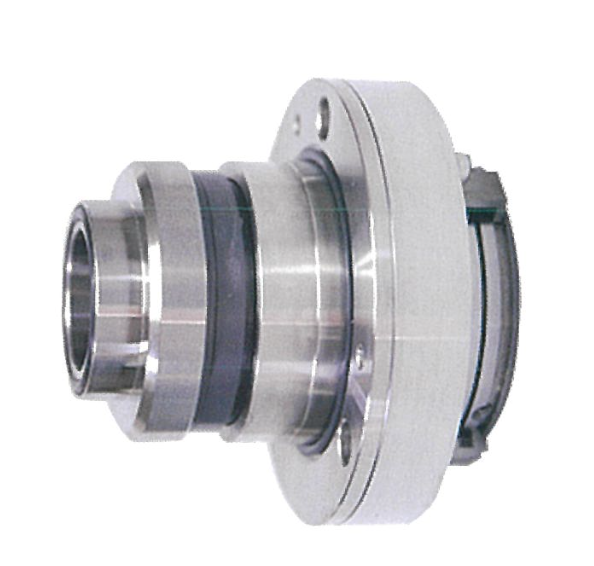
Double mechanical seals represent a critical sealing technology that provides enhanced safety, environmental protection, and operational reliability across multiple industrial sectors. Unlike single mechanical seals, double mechanical seals incorporate two sealing interfaces with a barrier or buffer fluid between them, creating a redundant containment system that prevents hazardous or valuable process fluids from escaping into the environment. This dual-barrier design makes them particularly valuable in applications where process fluid leakage could result in environmental contamination, personnel exposure, product loss, or equipment damage. Understanding which industries derive the greatest benefit from double mechanical seals requires examining the specific operational challenges, regulatory requirements, and fluid characteristics that define each sector's sealing needs.
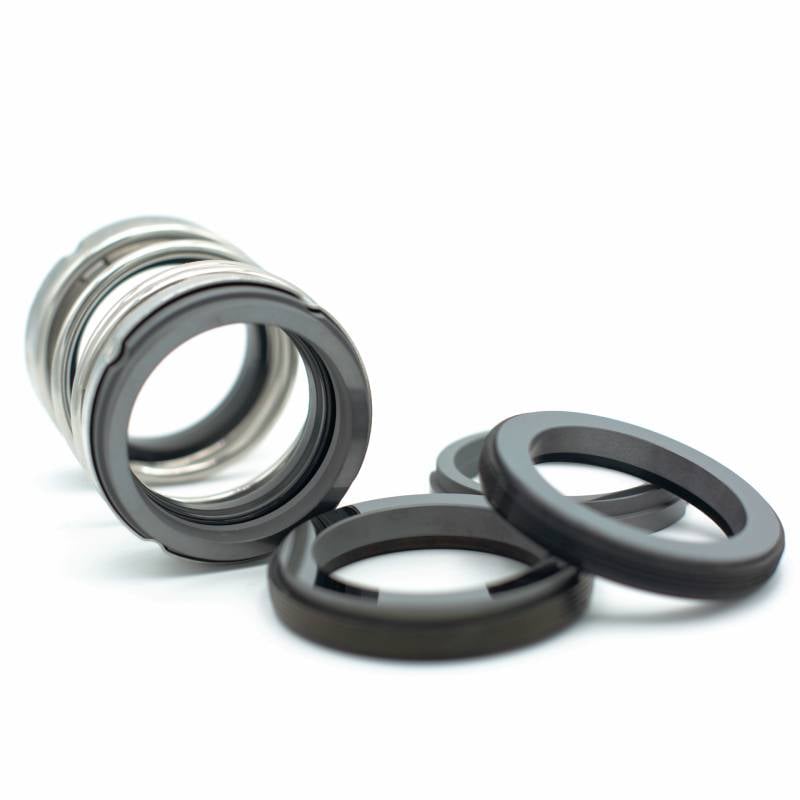
The question of which industries benefit most from double mechanical seals is answered by examining where safety-critical applications, hazardous fluid handling, high-value product containment, and stringent environmental regulations converge. Industries processing toxic chemicals, volatile hydrocarbons, pharmaceuticals requiring contamination-free environments, and operations handling extreme temperatures or pressures consistently demonstrate the highest return on investment from implementing double mechanical seal technology. This article explores the specific industrial sectors where double mechanical seals deliver measurable advantages in safety performance, regulatory compliance, operational uptime, and total cost of ownership, providing decision-makers with clear criteria for evaluating seal technology investments within their operational context.
Chemical Processing and Petrochemical Industries
Hazardous Chemical Containment Requirements
The chemical processing industry stands as one of the primary beneficiaries of double mechanical seals due to the inherent dangers associated with handling corrosive, toxic, and reactive substances. Chemical plants regularly process materials such as chlorine, sulfuric acid, sodium hydroxide, and various organic solvents that pose significant health risks and environmental hazards if released. Double mechanical seals provide a critical safety barrier that contains these dangerous fluids even when the primary seal face experiences wear or failure. The barrier fluid system between the two seal faces creates a buffer zone that prevents process fluid migration while providing early warning of seal degradation through monitoring systems that detect barrier fluid consumption or contamination.
Regulatory frameworks such as the Environmental Protection Agency's Clean Air Act and OSHA's Process Safety Management standards impose strict requirements on chemical facilities to minimize fugitive emissions and prevent worker exposure to hazardous substances. Double mechanical seals directly address these regulatory mandates by reducing leak rates to near-zero levels under normal operating conditions and providing containment redundancy during abnormal situations. Chemical processors implementing double mechanical seals typically achieve fugitive emission levels below 100 parts per million, compared to several thousand ppm common with conventional packing or single seals, thereby ensuring compliance while avoiding costly fines and operational shutdowns.
Petrochemical Refining Operations
Petrochemical refineries benefit extensively from double mechanical seals in applications involving volatile hydrocarbons, high-temperature process streams, and services where seal failure could trigger fire or explosion hazards. Refinery pumps handling naphtha, benzene, crude oil fractions, and other flammable liquids require sealing solutions that eliminate vapor releases while maintaining reliability under thermal cycling and process upsets. The dual-barrier design of double mechanical seals ensures that even if the inboard seal face experiences thermal shock or abrasive wear from catalyst particles, the outboard seal continues to provide containment until maintenance can be scheduled.
Economic considerations further drive double mechanical seal adoption in petrochemical facilities, where unplanned downtime costs can exceed $500,000 per day for critical process units. The enhanced reliability of Double Mechanical Seals translates directly into improved mean time between failures, reduced maintenance frequency, and fewer emergency repairs. Refineries report maintenance interval extensions from 18-24 months with single seals to 36-48 months or longer with properly specified double mechanical seals, particularly in services involving high temperatures, abrasive slurries, or fluids prone to coking and polymerization.
Pharmaceutical and Biotechnology Manufacturing
Product Purity and Contamination Prevention
Pharmaceutical manufacturing represents another industry where double mechanical seals deliver exceptional value, though for reasons fundamentally different from chemical processing. In pharmaceutical applications, the primary concern is not environmental release of process fluids but rather prevention of external contamination entering sterile process streams. Double mechanical seals configured with clean barrier fluids create a positive pressure barrier that prevents atmospheric contaminants, lubricants, or microorganisms from migrating into product-contact zones. This contamination control capability is essential for maintaining the purity standards required by Good Manufacturing Practice regulations and FDA validation protocols.
Biopharmaceutical processes involving fermentation, cell culture, and protein purification demand sealing systems that maintain absolute sterility while accommodating frequent cleaning-in-place and sterilization-in-place cycles. Double mechanical seals manufactured from corrosion-resistant materials such as silicon carbide and designed for steam sterilization enable pharmaceutical manufacturers to achieve the dual objectives of product protection and equipment durability. The barrier fluid in pharmaceutical applications typically consists of purified water, sterile glycol solutions, or FDA-compliant heat transfer fluids that pose no risk to product quality if seal face wear permits minor barrier fluid ingress.
Active Pharmaceutical Ingredient Production
Active pharmaceutical ingredient synthesis operations frequently involve highly potent compounds where even trace exposures can pose health risks to production personnel. Double mechanical seals provide essential containment for reactors, crystallizers, and transfer pumps handling cytotoxic drugs, hormones, and other high-potency active ingredients. The dual-barrier design ensures that worker protection is maintained even during seal maintenance activities, as the outboard seal remains pressurized and functional while technicians service external components. This safety advantage has made double mechanical seals the standard specification for many pharmaceutical companies' engineering standards governing equipment used in potent compound handling.
The economic justification for double mechanical seals in pharmaceutical manufacturing extends beyond regulatory compliance to encompass product loss prevention and batch protection. Pharmaceutical products often represent extraordinarily high value per unit volume, with some biological drugs valued at thousands of dollars per liter. Seal failures leading to product contamination or loss can result in scrapped batches worth millions of dollars, making the incremental cost of double mechanical seals trivial compared to the financial protection they provide against contamination events that would require batch rejection.
Oil and Gas Production and Transportation
Upstream Production Facility Applications
Oil and gas production facilities, including offshore platforms, floating production storage and offloading vessels, and onshore processing plants, routinely specify double mechanical seals for pumps handling crude oil, condensate, and associated gas liquids. These applications present multiple sealing challenges including abrasive sand production, corrosive hydrogen sulfide and carbon dioxide content, wide temperature fluctuations, and remote locations where maintenance accessibility is limited. Double mechanical seals address these challenges by providing redundant containment that maintains seal integrity despite harsh fluid conditions and extended run times between maintenance intervals.
Offshore applications demonstrate particularly strong benefits from double mechanical seal technology due to the combination of stringent environmental regulations prohibiting hydrocarbon releases into marine environments and the extremely high costs associated with production shutdowns and helicopter-based maintenance interventions. Offshore operators report that double mechanical seals reduce seal-related unplanned downtime by 60-80% compared to single seal configurations, translating into millions of dollars in avoided production losses over the lifecycle of a typical offshore installation. The ability to monitor barrier fluid condition through pressure and level instrumentation also enables predictive maintenance strategies that optimize intervention timing and reduce emergency response requirements.
Pipeline and Terminal Operations
Midstream pipeline operators and storage terminal facilities benefit from double mechanical seals in applications involving custody transfer metering, product injection, and tank farm circulation systems. These operations require demonstrated leak integrity to satisfy environmental permits, prevent product loss, and maintain operational efficiency. Double mechanical seals installed on pipeline booster pumps and terminal loading pumps provide documentable fugitive emission control that meets increasingly stringent air quality regulations while eliminating the maintenance intensity and poor reliability associated with packing systems previously common in these services.
The transportation of particularly hazardous petroleum products such as hydrogen sulfide-containing sour crude, heated heavy fuel oils, and liquified petroleum gases creates operating conditions where double mechanical seals transition from preferred to mandatory specifications. The redundant containment and enhanced safety margins provided by double mechanical seals become essential when handling fluids that present immediate dangers to human health or pose significant fire and explosion risks. Terminal operators handling these products consistently specify double mechanical seals as part of comprehensive risk management strategies that prioritize preventing loss-of-containment incidents.
Power Generation and Energy Production
Nuclear Power Plant Secondary Systems
Nuclear power generation facilities represent an industry where double mechanical seals serve critical safety functions in both radiological containment and conventional power plant systems. While reactor coolant pumps in pressurized water reactors utilize specialized seal designs specific to nuclear applications, numerous secondary systems including feedwater pumps, condensate pumps, and auxiliary cooling systems employ double mechanical seals to ensure operational reliability and prevent contamination. The extreme reliability requirements of nuclear facilities, where unplanned outages cost millions of dollars per day and regulatory oversight demands demonstrated equipment performance, make double mechanical seals the preferred technology for critical pumping applications.
Secondary system applications in nuclear plants benefit from double mechanical seals through improved mean time between failures, reduced maintenance radiation exposure for technicians servicing equipment, and enhanced capability to detect seal degradation before failure occurs. The barrier fluid monitoring systems integral to double mechanical seal packages provide early warning of seal face wear or barrier fluid loss, enabling condition-based maintenance that prevents unexpected failures during power operation. This predictive capability aligns perfectly with nuclear industry practices that emphasize proactive equipment management and minimize forced outages.
Fossil Fuel and Renewable Energy Applications
Fossil fuel power plants handling boiler feedwater, circulating cooling water, and flue gas desulfurization systems increasingly specify double mechanical seals to improve reliability and reduce maintenance costs in high-cycling duty conditions. Combined cycle gas turbine plants and coal-fired facilities experience frequent startup and shutdown cycles that impose thermal stress on sealing systems, making the redundant design of double mechanical seals particularly valuable for maintaining seal integrity through repeated thermal transients. Power plants report that double mechanical seals extend service intervals by factors of two to three compared to single seals in these demanding cyclic services.
Concentrated solar thermal power facilities and geothermal energy plants present unique sealing challenges involving extremely high temperatures, thermal fluids with poor lubricity, and often remote locations with limited maintenance infrastructure. Double mechanical seals configured with appropriate high-temperature materials and barrier fluid systems enable these renewable energy technologies to achieve reliability levels comparable to conventional power generation while meeting the environmental performance expectations associated with clean energy production. The enhanced durability of double mechanical seals proves particularly valuable in geothermal applications where corrosive brine chemistries and abrasive mineral content create exceptionally harsh operating environments.
Specialty Applications and Emerging Industries
Pulp and Paper Manufacturing
The pulp and paper industry utilizes double mechanical seals extensively in processes handling black liquor, white liquor, bleaching chemicals, and fiber slurries that combine corrosive chemistry with abrasive solids content. Mill pumps operating in these services experience rapid seal face wear from suspended solids while simultaneously requiring containment of caustic sodium hydroxide solutions and chlorine-based bleaching agents. Double mechanical seals provide the necessary durability and containment capability to maintain reliable operation in these challenging conditions, with proper material selection and barrier fluid systems that prevent solids ingress while accommodating the corrosive nature of pulp mill process streams.
Economic analysis in pulp and paper applications demonstrates that double mechanical seals reduce total cost of ownership despite higher initial capital costs compared to single seals or packing. The reduction in maintenance frequency, elimination of packing adjustment labor, decreased water consumption for flush systems, and improved pump reliability combine to generate payback periods typically under two years. Large integrated mills operating hundreds of process pumps report annual savings exceeding one million dollars after converting critical services from packing or single seals to properly engineered double mechanical seal solutions.
Mining and Mineral Processing
Mining operations and mineral processing facilities employ double mechanical seals in applications handling abrasive slurries, acidic leaching solutions, and corrosive flotation reagents. Mineral slurry pumps benefit particularly from double mechanical seals when configured with barrier fluid systems that prevent solids ingress while providing cooling and lubrication to seal faces. The ability of double mechanical seals to maintain containment despite the presence of abrasive particles in process fluids makes them essential for environmentally sensitive mining operations where regulatory agencies mandate zero-discharge standards for process waters containing heavy metals or reagent residues.
Copper leaching operations, gold cyanidation circuits, and rare earth element processing facilities all demonstrate strong benefits from implementing double mechanical seals in pumps handling toxic or environmentally hazardous process solutions. The combination of corrosive chemistry, abrasive solids, and regulatory requirements for containment creates operating conditions where double mechanical seals deliver measurably superior performance compared to alternative sealing technologies. Mining companies report that double mechanical seals reduce environmental incidents, decrease water consumption for seal flush systems, and improve overall process availability in these critical applications.
FAQ
What makes double mechanical seals more suitable than single seals for specific industries?
Double mechanical seals provide redundant containment through two independent sealing interfaces with a monitored barrier fluid between them, making them essential for industries handling hazardous, toxic, or high-value fluids where single seal failure could result in environmental releases, personnel exposure, or significant product loss. Industries with stringent regulatory requirements, such as chemical processing and pharmaceuticals, benefit from the enhanced safety margins and documentable leak prevention that double mechanical seals provide. The dual-barrier design also enables early detection of seal degradation through barrier fluid monitoring, allowing predictive maintenance that prevents unexpected failures in critical services.
How do double mechanical seals improve reliability in high-temperature applications?
Double mechanical seals enhance reliability in high-temperature services by utilizing barrier fluids that provide cooling to both seal faces, removing frictional heat and maintaining face temperatures within acceptable operating ranges even when process fluids exceed 400°F. The barrier fluid circulation system, whether thermosiphon or forced circulation, creates a thermal buffer that protects seal face materials from thermal degradation while maintaining proper lubrication. This temperature management capability makes double mechanical seals particularly valuable in refining, power generation, and thermal fluid applications where single seals experience accelerated wear and frequent failures due to inadequate cooling.
What cost factors should industries consider when evaluating double mechanical seals?
Industries should evaluate double mechanical seals based on total cost of ownership rather than initial purchase price alone, considering factors including reduced maintenance frequency, elimination of fugitive emissions, decreased unplanned downtime, extended mean time between failures, and avoided costs from environmental incidents or product contamination. While double mechanical seals typically cost two to three times more than equivalent single seals initially, the reliability improvements and maintenance reductions often generate payback periods under 24 months in critical services. Additional cost benefits include reduced seal flush water consumption, lower spare parts inventory requirements due to extended service intervals, and decreased maintenance labor costs from less frequent seal replacements.
Can double mechanical seals accommodate abrasive or solids-containing process fluids?
Double mechanical seals can successfully operate in abrasive services when properly configured with appropriate barrier fluid systems, seal face materials, and flushing arrangements that prevent solids accumulation at seal faces. Hard face material combinations such as silicon carbide versus silicon carbide provide excellent wear resistance, while pressurized barrier fluids create outward flow that prevents process fluid solids from reaching the inboard seal faces. Industries such as mining, pulp and paper, and mineral processing successfully utilize double mechanical seals in heavily laden slurries by implementing proper flush plans that maintain clean barrier fluid and prevent abrasive particle ingress into the seal chamber. The key to success in abrasive applications lies in maintaining positive pressure differential that keeps process solids away from critical sealing interfaces.
Table of Contents
- Chemical Processing and Petrochemical Industries
- Pharmaceutical and Biotechnology Manufacturing
- Oil and Gas Production and Transportation
- Power Generation and Energy Production
- Specialty Applications and Emerging Industries
-
FAQ
- What makes double mechanical seals more suitable than single seals for specific industries?
- How do double mechanical seals improve reliability in high-temperature applications?
- What cost factors should industries consider when evaluating double mechanical seals?
- Can double mechanical seals accommodate abrasive or solids-containing process fluids?