 EN
EN


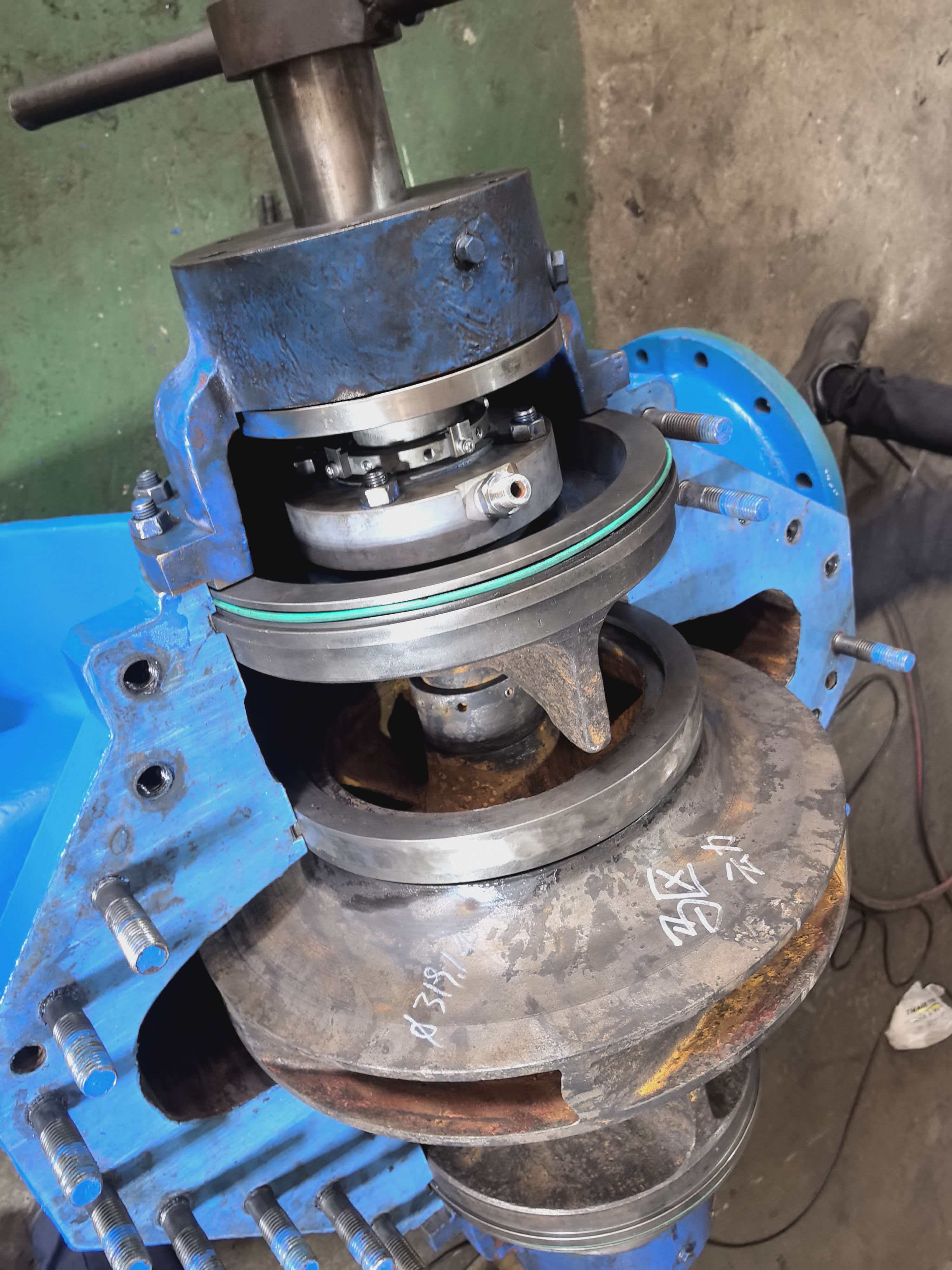
Mechanical seals are critical components in industrial rotating equipment, and understanding what causes seal damage is essential for maintaining operational efficiency and preventing costly downtime. Seal damage manifests through various symptoms including leakage, excessive heat generation, unusual noise, and premature failure. In industrial applications ranging from pumps and compressors to mixers and agitators, seal damage accounts for a significant percentage of unplanned maintenance events and production interruptions. The consequences extend beyond immediate repair costs to include lost production time, environmental compliance issues, and safety concerns. By identifying the root causes of seal damage and implementing comprehensive prevention strategies, organizations can dramatically improve equipment reliability, extend seal service life, and optimize maintenance expenditures.
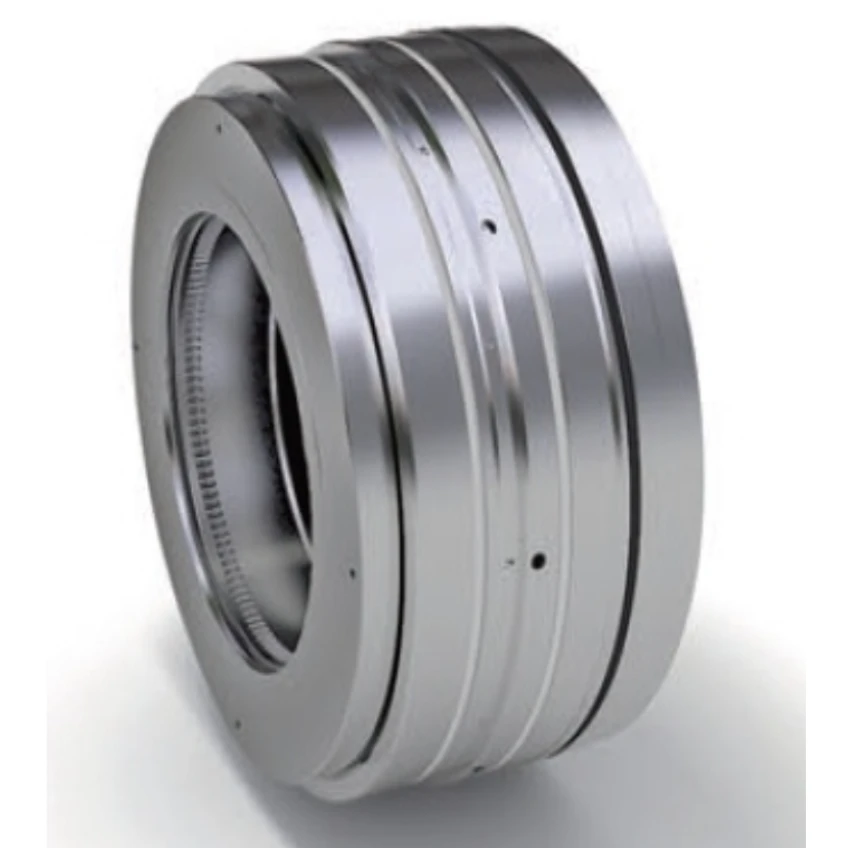
The complexity of modern sealing systems means that seal damage rarely results from a single isolated factor. Instead, multiple contributing elements often interact to accelerate wear and compromise seal integrity. These factors include operational parameters such as temperature, pressure, and speed variations, as well as environmental conditions like contamination, corrosive media, and vibration. Material selection, installation quality, lubrication adequacy, and maintenance practices all play crucial roles in determining seal longevity. This comprehensive examination explores the primary causes behind seal damage and provides actionable prevention strategies that maintenance professionals and reliability engineers can implement to protect their sealing systems and enhance overall equipment performance.
Primary Mechanical Causes of Seal Damage
Excessive Face Contact Pressure and Thermal Stress
One of the most prevalent causes of seal damage involves excessive contact pressure between seal faces, which generates destructive thermal stress. When seal faces operate under higher-than-designed contact loads, friction intensifies and heat accumulation occurs faster than the system can dissipate it. This thermal stress leads to several failure mechanisms including thermal cracking, face distortion, and accelerated wear. The seal faces may develop hot spots where localized temperature spikes cause material degradation, particularly in carbon-graphite or silicon carbide seal faces. In dynamic sealing applications, the heat generated at the interface must be continuously removed through fluid film lubrication or external cooling systems. When this heat removal becomes inadequate, the temperature rises exponentially, breaking down lubricating films and causing direct contact between seal faces.
The relationship between contact pressure and seal damage follows a predictable pattern that maintenance teams must understand. Spring-loaded mechanical seals rely on carefully calculated spring forces to maintain face contact while allowing sufficient fluid film formation. When springs lose tension due to fatigue, corrosion, or improper selection, contact pressure increases dramatically. Similarly, hydraulic pressure imbalances can force seal faces together with excessive force, particularly during startup or shutdown sequences when pressure differentials fluctuate rapidly. The resulting seal damage manifests as grooved wear patterns, coning or dishing of seal faces, and blistering caused by localized overheating. Prevention requires matching seal specifications to actual operating conditions, including pressure ratings, temperature ranges, and speed parameters that reflect real-world equipment operation rather than nominal design points.
Misalignment and Shaft Deflection Issues
Shaft misalignment represents another critical contributor to seal damage in rotating equipment. When shafts deviate from their intended centerline through angular or parallel misalignment, mechanical seals experience uneven loading that accelerates wear. Angular misalignment causes the seal faces to meet at inconsistent angles, creating gaps on one side while forcing excessive contact on the opposite side. This condition prevents proper fluid film formation and causes rapid seal damage through localized wear concentration. Parallel misalignment, where the shaft and seal housing centerlines remain parallel but offset, creates cyclical loading as the seal rotates. Each revolution subjects the seal to varying stress levels that fatigue elastomeric components and crack brittle seal face materials. The cumulative effect produces premature seal damage that often appears suddenly after months of gradually worsening conditions.
Shaft deflection during operation compounds alignment challenges and accelerates seal damage. Rotating shafts naturally deflect under load due to bearing clearances, hydraulic forces, and thermal expansion. When this deflection exceeds seal design tolerances, the seal must accommodate movement that it was never intended to handle. Excessive shaft runout forces the seal faces to track irregular paths, breaking the lubricating film and allowing solid-to-solid contact. This mechanical interference generates heat, produces wear particles that act as abrasives, and initiates progressive seal damage that worsens over time. Equipment operating near critical speeds or experiencing resonance conditions shows particularly rapid seal degradation. Prevention strategies include precision shaft alignment using laser alignment tools, installation of support bearings close to seal locations, and selection of seal designs with greater misalignment tolerance such as cartridge seals or bellows-type seals that accommodate limited shaft movement without immediate failure.
Cavitation and Flashing Phenomena
Hydraulic phenomena including cavitation and flashing cause severe seal damage through erosion and thermal shock mechanisms. Cavitation occurs when local pressure drops below the vapor pressure of the sealed fluid, causing vapor bubbles to form within the seal chamber. As these bubbles collapse near seal faces or secondary sealing elements, they release tremendous energy in microscopic but devastating shock waves. The repetitive nature of cavitation damage creates characteristic pitting and erosion patterns on seal faces and metal components. Over time, these surface irregularities prevent proper sealing, allow leakage, and accelerate mechanical wear. Cavitation-induced seal damage typically appears in pumps handling volatile liquids, systems with inadequate net positive suction head, or applications where pressure drops sharply across restrictions near the seal area.
Flashing differs from cavitation but produces equally destructive seal damage. When sealed fluid temperature exceeds its boiling point at the local pressure, the liquid flashes into vapor almost instantaneously. This phase change within the seal chamber disrupts lubrication, creates pressure spikes, and subjects seals to alternating wet and dry running conditions. The resulting seal damage includes thermal checking of seal faces, rapid wear of soft seal components, and catastrophic failure of secondary seals. Applications particularly vulnerable to flashing include hot condensate pumps, thermal fluid systems, and processes where temperature control fluctuates significantly. Preventing cavitation and flashing-related seal damage requires careful attention to system hydraulic design, maintaining adequate seal chamber pressure through flush plans, and selecting seal damage resistant seal configurations designed for high-temperature or volatile fluid service.
Environmental and Operating Condition Factors
Contamination and Abrasive Particle Ingress
Contamination ranks among the most common causes of seal damage across virtually all industrial applications. Solid particles entering the seal chamber act as abrasive media that rapidly wear seal faces and secondary sealing elements. These contaminants originate from multiple sources including process streams, atmospheric dust, wear debris from other equipment components, and corrosion products. Even particles smaller than the seal face gap can embed in softer seal materials and create three-body abrasion that accelerates wear exponentially. Hard particles like silica, metal oxides, or crystallized process materials cause particularly severe seal damage by gouging and scoring precision-finished seal faces. Once surface finish deteriorates beyond critical thresholds, proper fluid film formation becomes impossible and seal leakage begins, allowing additional contamination ingress in a self-reinforcing failure cycle.
The impact of contamination on seal damage varies based on particle size, hardness, concentration, and seal face material combinations. Systems handling slurries, abrasive chemicals, or materials that precipitate solids require specialized seal designs with effective particle exclusion features. Without proper protection, standard mechanical seals suffer rapid seal damage often failing within days or weeks rather than achieving normal service lives measured in years. Prevention strategies must address contamination at multiple levels including upstream filtration, seal chamber flushing using clean fluid, implementation of barrier fluid systems, and selection of seal face materials with superior abrasion resistance. Hard face material pairings such as silicon carbide versus silicon carbide or tungsten carbide versus silicon carbide demonstrate significantly better resistance to abrasive seal damage than softer carbon-graphite combinations, though careful attention to lubrication remains essential even with hard materials.
Chemical Attack and Corrosion Mechanisms
Chemical incompatibility between sealed fluids and seal materials causes progressive seal damage through corrosion, swelling, or material degradation. Elastomeric secondary seals including O-rings, wedges, and bellows prove particularly vulnerable to chemical attack. When exposed to incompatible chemicals, elastomers may swell excessively causing binding and increased friction, or they may harden and crack losing sealing capability entirely. Chemical seal damage to elastomers often appears gradually as increasing leakage, difficulty during seal installation due to swelling, or sudden catastrophic failure when hardened components crack under thermal cycling or pressure transients. The challenge for maintenance teams lies in identifying chemical compatibility issues before seal damage occurs, particularly in applications where process chemistry varies or cleaning operations expose seals to different chemicals than normal operation.
Metallic seal components also suffer chemical-induced seal damage through various corrosion mechanisms. Spring materials may corrode reducing spring force and allowing excessive seal face contact pressure. Metal seal faces can pit or corrode creating surface roughness that prevents effective sealing. Seal housings and gland plates may experience stress corrosion cracking particularly when exposed to chlorides, sulfides, or acidic environments. Galvanic corrosion between dissimilar metals in seal assemblies accelerates seal damage when conductive process fluids create electrochemical cells. Prevention requires comprehensive material selection based on complete chemical exposure profiles including normal operation, startup, shutdown, cleaning procedures, and upset conditions. Material compatibility charts provide initial guidance but actual performance verification through testing remains advisable for critical applications or unusual chemical combinations that may produce unexpected seal damage patterns.
Thermal Cycling and Temperature Extremes
Temperature variations impose significant stress on mechanical seals causing multiple forms of seal damage. Thermal cycling between hot and cold conditions creates differential expansion between seal components made from materials with different thermal expansion coefficients. This expansion mismatch can crush or crack brittle seal faces, distort seal housings, or cause loss of preload in compression seals. Repeated thermal cycles fatigue materials even when individual temperature excursions remain within acceptable ranges. The resulting seal damage appears as cracking in seal faces, compression set in elastomers that no longer maintain sealing force, and loosening of press-fit components. Applications with frequent startup and shutdown cycles or batch processes with varying temperatures show particularly rapid thermal cycling damage accumulation.
Extreme temperatures at either end of the spectrum create distinct seal damage mechanisms. High-temperature operation above material design limits causes accelerated oxidation of elastomers, thermal degradation of seal face materials, and stress relaxation in metal components. Seal faces may exhibit thermal cracking patterns, secondary seals become brittle and fragment, and springs lose temper affecting their load characteristics. Low-temperature operation below material glass transition points causes elastomers to lose flexibility and crack under mechanical stress. Condensation and ice formation can occur creating additional mechanical loading and introducing moisture-related corrosion. Preventing temperature-related seal damage requires accurate temperature measurement at seal locations rather than relying on process temperature readings, implementation of thermal management systems including cooling or heating as needed, and selection of seal materials specifically rated for the actual temperature range experienced during all operating modes including transients and upset conditions.
Installation and Maintenance-Related Seal Damage
Improper Installation Procedures and Handling
A substantial percentage of seal damage originates during installation rather than operation. Improper handling of seal components before and during installation introduces defects that drastically reduce service life. Seal faces require extreme cleanliness and protection from physical contact, yet installation personnel sometimes touch precision-lapped surfaces with bare hands, introducing skin oils and contaminants. Dropping seal components or allowing them to contact dirty surfaces embeds particles in soft seal materials. Forcing seals into position when resistance indicates misalignment causes immediate seal damage including cracked faces, torn elastomers, and bent springs. The subtlety of installation-induced seal damage makes it particularly problematic because defects may not produce immediate leakage but instead create stress concentrations or contamination reservoirs that accelerate failure during subsequent operation.
Installation procedure deviations represent another common source of seal damage. Failure to follow manufacturer specifications for installation dimensions, torque values, or assembly sequences introduces problems that manifest as premature seal failure. Over-tightening gland bolts distorts seal housings and prevents proper face alignment. Under-tightening allows movement during operation causing fretting and wear. Installing seals without proper lubrication damages elastomers during assembly and increases friction during initial startup. Neglecting to verify shaft and housing conditions before installation allows corrosion, burrs, or deposits to damage seal components during installation or operation. Comprehensive prevention requires documented installation procedures specific to each seal type, training programs ensuring installers understand critical requirements, and quality verification checkpoints confirming proper installation before equipment startup. Investment in installation fixtures, alignment tools, and cleanliness protocols pays substantial dividends through reduced seal damage and extended seal service life.
Lubrication Deficiency and Dry Running
Inadequate lubrication causes some of the most rapid and catastrophic seal damage observed in industrial equipment. Mechanical seal faces require a thin fluid film between them to prevent solid contact, dissipate friction heat, and carry away wear particles. When this lubricating film breaks down or never properly forms, seal faces experience direct contact generating extreme temperatures and rapid wear. Dry running conditions can destroy a mechanical seal in seconds or minutes depending on speed, contact pressure, and materials. The resulting seal damage includes severe scoring, heat checking, and material transfer between seal faces. In extreme cases, seal faces may actually melt or fracture from thermal shock. Once dry running seal damage occurs, the rough surface finish prevents subsequent film formation even when lubrication becomes available, necessitating complete seal replacement.
Various conditions lead to lubrication deficiency and associated seal damage. Process upsets that empty seal chambers during operation, cavitation that replaces lubricating liquid with vapor, and inadequate flush flow in external flush systems all create dry running conditions. Start-up procedures that energize equipment before seal chambers fill with fluid guarantee immediate seal damage. Systems handling fluids with poor lubricity including light hydrocarbons, water, and gases require supplemental lubrication through barrier fluids or dual pressurized seals. Prevention strategies include interlocking controls preventing equipment start without verified seal lubrication, continuous monitoring of flush system flow and pressure, implementation of appropriate API flush plans matched to application requirements, and selection of seal face material combinations with superior dry running tolerance when occasional lubrication loss remains possible. Self-lubricating seal face materials including carbon-graphite and certain ceramics provide additional protection against transient lubrication failures that might otherwise cause immediate seal damage.
Inadequate Preventive Maintenance and Monitoring
Neglecting preventive maintenance accelerates seal damage through multiple pathways. Seal systems include numerous auxiliary components requiring periodic attention including flush systems, cooling systems, pressure control devices, and instrumentation. When filters in flush systems become clogged, contaminated fluid circulates through seal chambers accelerating abrasive wear. When heat exchangers foul, inadequate cooling allows temperature rise that damages seals. When pressure control valves malfunction, seals operate under incorrect pressures causing excessive leakage or face loading. These auxiliary system failures often precede catastrophic seal damage by days or weeks, providing intervention opportunities that preventive maintenance programs should capture. Condition monitoring technologies including vibration analysis, temperature measurement, and acoustic emission detection can identify developing seal damage before complete failure occurs, enabling planned maintenance rather than emergency repairs.
Documentation and trending of seal performance metrics enables proactive identification of conditions causing seal damage. Tracking seal life by application, failure mode analysis of removed seals, and correlation of seal damage patterns with operating conditions builds institutional knowledge guiding improvement initiatives. Many organizations experience repetitive seal failures without systematically addressing root causes, resulting in ongoing cycles of seal damage and replacement. Breaking this cycle requires commitment to failure analysis, documentation of findings, implementation of corrective actions, and verification that modifications actually improve seal reliability. Advanced maintenance strategies including predictive maintenance based on condition indicators and prescriptive maintenance using artificial intelligence to recommend interventions show promise for further reducing seal damage and extending seal life. The foundation remains systematic attention to known seal damage mechanisms and disciplined execution of proven prevention strategies tailored to specific application requirements and operating conditions.
Comprehensive Prevention Strategies and Best Practices
System Design Optimization for Seal Protection
Preventing seal damage begins during equipment specification and system design phases rather than after failures occur. Proper seal selection requires comprehensive understanding of operating conditions including pressure, temperature, speed, and sealed fluid properties. Seal manufacturers offer numerous seal types optimized for different applications, and matching seal technology to actual requirements dramatically reduces seal damage risk. Applications with abrasive fluids benefit from dual seals with clean barrier fluid, high-temperature services require specialized high-temperature seal configurations, and corrosive environments demand careful material selection. Hydraulic system design surrounding seals proves equally important as seal selection itself. Seal chamber design affects fluid circulation, heat dissipation, and particle suspension behavior. Inadequate chamber design traps heat and contaminants causing seal damage despite using appropriate seal types.
Implementation of appropriate flush plans according to API 682 standards provides systematic methodology for seal protection. These standardized flush plans address common seal damage mechanisms through external flush circulation, quench systems, barrier fluid pressurization, and containment seal arrangements. Plan 11 provides simple recirculation from pump discharge back to seal chamber suitable for clean, lubricating fluids. Plan 32 uses external fluid injection to flush seal chambers in contaminated service. Plan 53A introduces pressurized barrier fluid between dual seals preventing process fluid contact with atmospheric seals. Selection of appropriate flush plans based on application characteristics prevents many common causes of seal damage. Additional design considerations include shaft support to minimize deflection near seals, vibration isolation to reduce dynamic loading, and instrumentation enabling continuous monitoring of seal environment conditions. This proactive design approach costs more initially than minimal seal installations but delivers substantial return through extended seal life and reduced seal damage incidents.
Operational Controls and Parameter Management
Active management of operating parameters prevents conditions that cause seal damage. Many seal failures result from operation outside design envelopes even though equipment remains within acceptable ranges. Seals often have narrower tolerance windows than primary equipment components. For example, a pump may operate successfully at 110% of rated speed while seal damage accelerates exponentially at this condition. Establishing and enforcing operating limits specific to seal requirements rather than general equipment limits provides essential protection. Automated control systems should include seal protection logic preventing operation under conditions known to cause seal damage. Interlocks stopping equipment when seal chamber pressure drops below minimum acceptable levels, when flush system flow fails, or when seal area temperature exceeds limits prevent catastrophic seal damage from transient upsets.
Start-up and shutdown procedures require particular attention as these transient conditions create many seal damage incidents. Seals designed for specific operating conditions may experience excessive stress at low speeds during start-up or high differential pressures during shutdown. Controlled start-up procedures ensuring seal chambers fill and pressurize before rotation begins prevent dry running seal damage. Gradual speed ramping allows seal faces to stabilize thermally and develop proper fluid films. During shutdown, controlled depressurization prevents pressure reversals that can unseat seal faces or damage secondary seals. Emergency shutdown procedures may compromise normal seal protection requiring post-shutdown inspection and potential seal replacement even without obvious seal damage. Process monitoring identifying conditions leading to seal problems enables intervention before seal damage progresses to failure. Trending parameters including seal leak detection, bearing temperature near seals, and vibration signatures characteristic of seal rubbing provides early warning enabling planned maintenance rather than reactive emergency repairs.
Training, Documentation, and Continuous Improvement
Human factors significantly influence seal damage rates through installation quality, maintenance practices, and operational decisions. Comprehensive training programs ensuring personnel understand seal function, failure mechanisms, and proper handling procedures reduce installation-induced seal damage. Training should cover not only mechanical aspects but also the business impact of seal failures including production losses, environmental incidents, and safety risks. When personnel understand consequences of improper seal handling, they exercise appropriate care. Hands-on training with actual seal hardware under expert supervision builds skills that written procedures alone cannot develop. Certification programs verifying competency before allowing personnel to work independently on critical seal installations provide quality assurance particularly valuable for high-consequence applications where seal damage creates substantial risk.
Documentation systems capturing seal specifications, installation procedures, maintenance histories, and failure analyses create organizational knowledge preventing repetitive seal damage. Many facilities experience the same seal failures repeatedly because knowledge resides only with individual technicians rather than in accessible documentation systems. Computerized maintenance management systems enabling tracking of seal performance by location, type, and application reveal patterns invisible without systematic data collection. Root cause failure analysis investigating why seal damage occurred rather than simply replacing failed seals enables elimination of underlying problems. Continuous improvement processes reviewing seal reliability metrics, identifying poorest performers, investigating root causes, implementing corrective actions, and verifying improvements gradually optimize seal reliability across entire facilities. Sharing lessons learned across similar equipment prevents propagating seal damage problems. Benchmarking seal performance against industry standards identifies improvement opportunities and validates that seal reliability meets reasonable expectations. This systematic approach to seal damage prevention transforms maintenance from reactive crisis management to proactive reliability optimization delivering substantial operational and financial benefits.
FAQ
What are the early warning signs that indicate developing seal damage before complete failure occurs?
Early indicators of developing seal damage include subtle increases in seal area temperature detected through infrared thermography or temperature sensors, minor leakage visible as dampness rather than dripping, changes in vibration signature particularly at seal running speed frequencies, unusual noise such as squealing or grinding from the seal area, and gradual increases in power consumption or bearing temperature near the seal location. Condition monitoring systems tracking these parameters enable intervention before catastrophic seal damage occurs. Visual inspection during routine maintenance may reveal discoloration on seal housings from heat or chemical attack, deposits accumulating around seals indicating minor leakage, or evidence of seal flush system flow reduction. Process parameters including increased seal flush return temperature or decreased flow rate signal deteriorating seal conditions warranting investigation before complete seal damage develops into emergency failure situations.
How does equipment operating speed affect seal damage rates and what speed limits should be observed?
Operating speed directly influences seal damage through its effect on friction heat generation, which increases with the square of speed, and through dynamic effects on seal face stability. Each seal design has maximum speed ratings based on face material combinations, seal configuration, and cooling capability. Exceeding these speed limits accelerates seal damage exponentially rather than linearly. For example, operating at 120% of rated speed may reduce seal life to 50% or less of normal expectancy. Variable speed equipment requires seals rated for maximum operating speed even if normal operation occurs at lower speeds. During speed increases, seal faces must maintain stable fluid films despite increasing centrifugal forces and heating. Some seal types lose stability above specific speeds causing face flutter and intermittent contact resulting in rapid seal damage. Speed reduction during problem conditions provides temporary protection while investigating root causes, though seals designed for higher speeds may not seal effectively at very low speeds due to insufficient face loading or inadequate film formation at low surface velocities.
Can seal damage be repaired or must damaged seals always be completely replaced?
Whether seal damage permits repair or requires replacement depends entirely on the specific damage type, extent, and component affected. Seal faces with minor wear remaining within flatness specifications can sometimes be re-lapped to restore surface finish, though this option applies mainly to large, expensive seal faces in custom designs. Standard seal faces typically cost less to replace than to re-lap, and re-lapped faces never match original precision. Secondary seal damage including compressed or extruded O-rings always requires replacement as these components cannot be restored. Metal components with minor corrosion may be cleaned and reused if dimensional integrity remains acceptable, but any cracking, pitting, or deformation mandates replacement. Springs that have relaxed or corroded require replacement to restore proper loading. Practical considerations usually favor complete seal replacement rather than attempting component-level repair because labor costs for disassembly, evaluation, selective replacement, and reassembly often exceed complete seal replacement costs while providing inferior reliability. Critical applications should never use seals with any components showing damage due to high failure risk. Repair consideration applies mainly to very large or specialized seal designs where component costs justify refurbishment efforts.
What role does sealed fluid temperature play in causing seal damage and how can temperature-related problems be prevented?
Sealed fluid temperature affects seal damage through multiple mechanisms including material property changes, thermal expansion mismatches, lubrication effectiveness, and chemical reaction rates. Most seal materials have defined temperature limits beyond which rapid degradation occurs. Elastomers lose flexibility and crack at low temperatures or harden and decompose at high temperatures. Seal face materials may experience thermal shock cracking during rapid temperature changes. High temperatures reduce lubricating film viscosity potentially leading to boundary lubrication and increased seal damage from direct face contact. Chemical attack rates typically double with each 10°C temperature increase accelerating corrosion-related seal damage. Prevention requires accurate temperature measurement at seal locations since process temperatures may differ significantly from seal area temperatures due to friction heating or heat transfer effects. Seal chamber cooling through external flush systems, heat exchangers in barrier fluid circuits, or water jackets maintains temperatures within acceptable ranges. Material selection must account for maximum temperature excursions including upset conditions rather than normal operating temperatures alone. Thermal barrier designs isolating seals from extreme process temperatures extend seal life in high-temperature applications while allowing use of standard seal materials rather than expensive exotic materials.
Table of Contents
- Primary Mechanical Causes of Seal Damage
- Environmental and Operating Condition Factors
- Installation and Maintenance-Related Seal Damage
- Comprehensive Prevention Strategies and Best Practices
-
FAQ
- What are the early warning signs that indicate developing seal damage before complete failure occurs?
- How does equipment operating speed affect seal damage rates and what speed limits should be observed?
- Can seal damage be repaired or must damaged seals always be completely replaced?
- What role does sealed fluid temperature play in causing seal damage and how can temperature-related problems be prevented?