 EN
EN


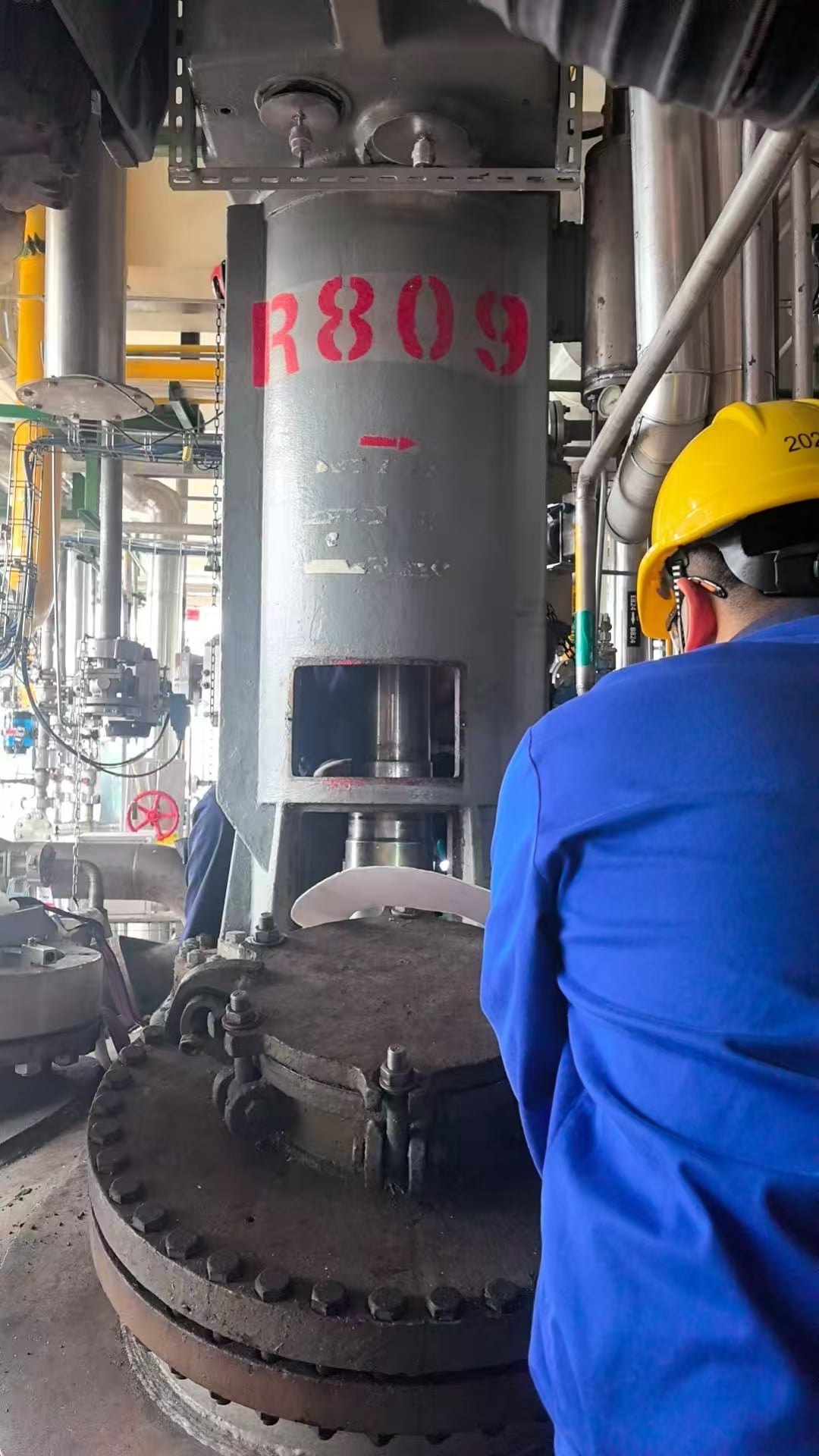
Pump seal failure represents one of the most costly operational challenges in industrial facilities worldwide. When a pump seal fails, it triggers cascading consequences including fluid loss, environmental contamination, equipment damage, and costly downtime. Understanding why pump seal failures occur and what causes leakage is essential for any facility manager, maintenance professional, or operations engineer responsible for reliable pump performance. A pump seal works by creating a barrier between the rotating shaft and the stationary pump housing, preventing fluid escape while allowing shaft rotation. When this delicate balance is disrupted, leakage begins, and system efficiency plummets.
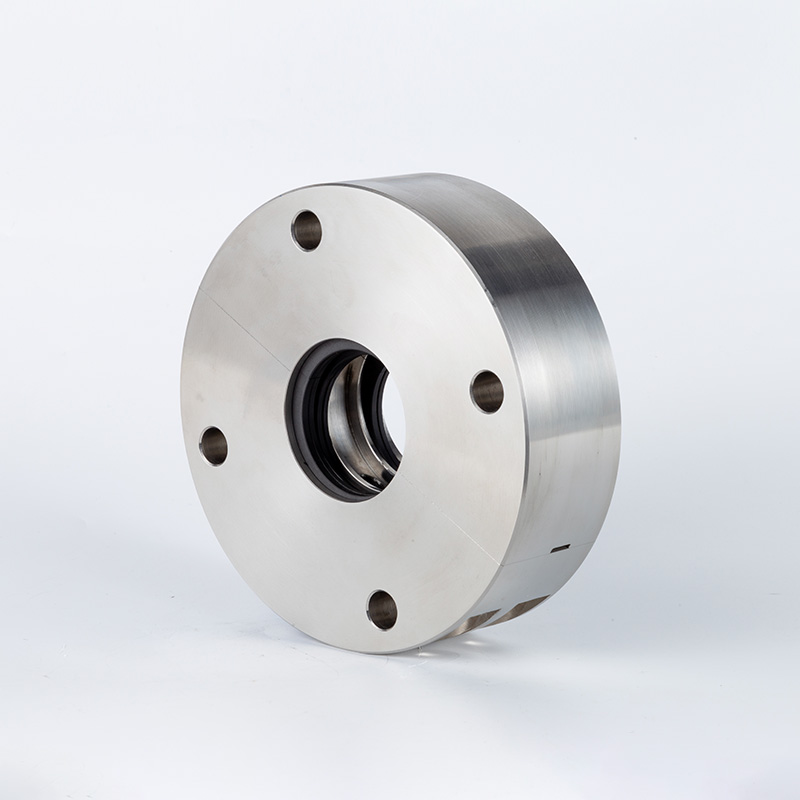
The financial impact of pump seal failure extends beyond simple replacement costs. Unplanned maintenance disrupts production schedules, forces emergency repairs, and can damage surrounding equipment. Identifying the root causes of pump seal leakage allows maintenance teams to implement preventive strategies that extend seal life and improve operational reliability. This article explores the primary mechanical, operational, and environmental factors that cause pump seal failures, providing industrial professionals with actionable knowledge to reduce costly downtime and extend equipment longevity.
Mechanical Wear and Material Degradation in Pump Seal Systems
How Friction and Misalignment Damage Pump Seals
Friction is the primary enemy of any pump seal, as the rotating shaft constantly rubs against the seal faces. Over extended operation, this friction generates heat that accelerates material degradation. The pump seal must handle extreme pressure differentials across its faces, and when shaft misalignment exists, uneven pressure distribution intensifies localized wear. Misalignment occurs when the pump shaft and motor shaft are not perfectly centered, causing the pump seal to experience eccentric rotation and uneven contact pressure. Even minor misalignment—measured in thousandths of an inch—can reduce pump seal lifespan dramatically and create leakage pathways.
Material Fatigue and Chemical Attack on Pump Seal Components
Pump seal materials including elastomers, carbon faces, and ceramic components experience fatigue over time. The pump seal must resist the specific fluid it contains, whether water, oil, caustics, or solvents. When fluid chemistry is incompatible with seal materials, chemical attack accelerates material degradation and creates micro-fractures. Temperature cycling also stresses pump seal materials, causing expansion and contraction that eventually leads to seal face separation. Elastomer seals in particular suffer from hardening and loss of flexibility when exposed to high temperatures, compromising the sealing force that the pump seal depends on to prevent leakage.
Operational Factors That Trigger Pump Seal Failure and Leakage
Cavitation, Vapor Lock, and Pressure Instability Effects on Pump Seals
Cavitation occurs when pump inlet pressure drops below vapor pressure, creating vapor bubbles that collapse violently inside the pump. These implosions generate shock waves that damage the pump seal and surrounding components. Vapor lock happens when dissolved gases in the fluid come out of solution and form pockets that disrupt flow and create pressure spikes. Both phenomena place extreme stress on the pump seal, causing it to lose effective sealing force momentarily and allow leakage. Pressure instability from variable flow rates, throttled discharge lines, or system blockages also stress the pump seal by creating rapid pressure fluctuations that the seal cannot fully accommodate, leading to transient leakage events.
Temperature Extremes and Thermal Shock Effects on Pump Seal Performance
Temperature directly affects pump seal material properties and the fluid viscosity that supports the seal's hydrodynamic film. When operating temperature exceeds design limits, elastomer seals lose their sealing force and material hardness increases, making the pump seal brittle and prone to cracking. Conversely, operating below design temperature increases fluid viscosity excessively, creating higher friction and heat generation across the pump seal faces. Thermal shock—rapid temperature changes—creates differential expansion between seal components that can fracture ceramic faces or separate seal assembly components. These temperature extremes are among the most common triggers of pump seal failure in applications involving hot fluid transfer or cold ambient conditions.
Installation, Maintenance, and Environmental Causes of Pump Seal Leakage
Improper Installation and Mechanical Assembly Problems Affecting Pump Seals
Pump seal installation errors are responsible for significant numbers of premature failures. Installing a pump seal backwards, over-tightening, or failing to lubricate rotating components during assembly creates immediate damage that manifests as leakage within days of startup. Contamination introduced during pump seal installation—dust, metal particles, or old seal debris—embeds in the seal faces and acts as a cutting tool, creating channels that allow fluid leakage. Improper spring tension adjustment on mechanical pump seals prevents proper face contact and seal force establishment. These installation-related failures are entirely preventable through trained personnel, clean assembly procedures, and following manufacturer specifications for every pump seal installation.
Inadequate Maintenance, Contamination, and Environmental Stressors
Insufficient maintenance accelerates pump seal failure significantly. Neglecting to monitor pump temperature, vibration, or leakage rate allows early warning signs to progress undetected until catastrophic failure occurs. Fluid contamination including water ingress, particulate matter, or bacterial growth degrades the pump seal rapidly and clogs the seal cavity. The pump seal depends on clean fluid to maintain its hydrodynamic film; contaminated fluid destroys this protective layer and accelerates wear. Environmental factors including corrosive atmospheres, salt spray, extreme humidity, or abrasive dust penetrate seal environments and attack elastomer and metallic components. Pumps installed in harsh environments require enhanced pump seal protection and more frequent maintenance cycles to compensate for these environmental stressors.
FAQ
What is the most common cause of pump seal leakage?
The most common cause of pump seal leakage is misalignment between the pump shaft and motor shaft. Even small misalignment creates uneven pressure on the pump seal faces, causing accelerated wear and leakage. Thermal expansion from temperature fluctuations and cavitation from pressure instability rank as secondary common causes. Regular alignment checks and temperature monitoring prevent the majority of premature pump seal failures.
How long does a pump seal typically last before failure?
Under optimal conditions with proper installation, maintenance, and compatible fluid, a pump seal can last three to five years in continuous operation. However, challenging conditions including cavitation, temperature extremes, contamination, or misalignment reduce pump seal lifespan to months or even weeks. The actual pump seal lifespan depends entirely on operational discipline, fluid quality, and environmental controls in your specific facility.
Can pump seal leakage be stopped without replacement?
Minor pump seal leakage sometimes responds to tightening the gland nut or adjusting the flush system, but these are temporary measures only. Once a pump seal develops significant leakage, replacement is the only permanent solution. Continuing to operate with a failing pump seal risks environmental contamination, equipment damage, and safety hazards. Professional pump seal inspection and timely replacement prevent these costly consequences.