 EN
EN


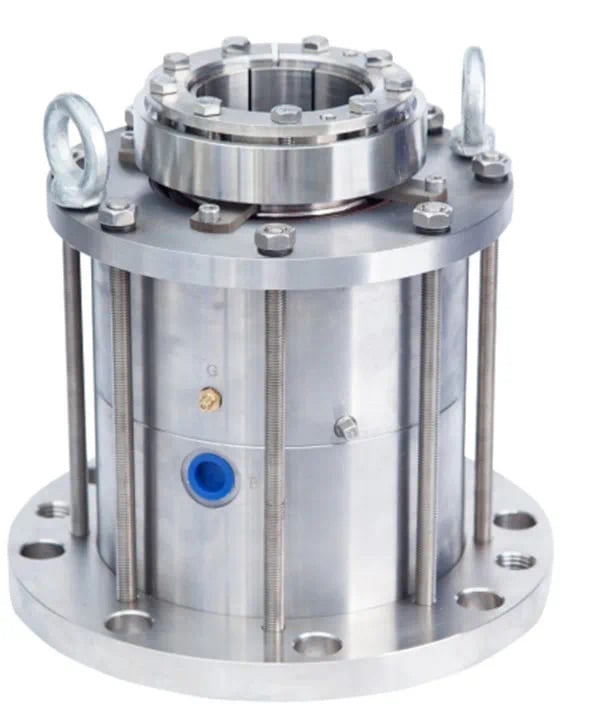
Mechanical seals represent one of the most critical components in rotating equipment, yet mech seals remain a frequent source of downtime and maintenance costs across industrial operations. Understanding why mech seals fail is essential for equipment reliability and operational efficiency. Mech seals prevent fluid leakage from pumps, compressors, and other rotating machinery by creating a watertight barrier around the shaft. When mech seals fail, the consequences extend far beyond simple leakage—equipment damage accelerates, product contamination occurs, and safety hazards emerge rapidly.
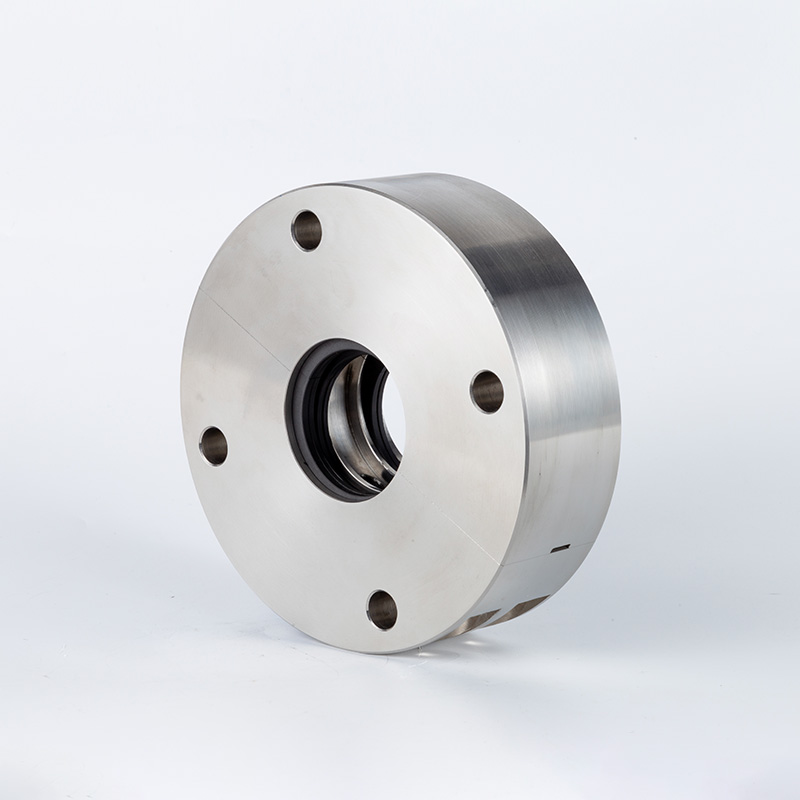
The failure of mech seals typically traces back to predictable mechanical, thermal, and operational factors that maintenance teams can monitor and control. Mech seals experience wear from friction, thermal stress from temperature fluctuations, and mechanical stress from equipment vibration and misalignment. Identifying the root causes of mech seal leakage enables proactive maintenance strategies that extend equipment life and reduce unplanned shutdowns. This article explores the primary mechanisms behind mech seal failures and provides actionable insights for preventing costly failures in your operation.
Understanding Mechanical Seal Failure Mechanisms
Friction and Wear in Mech Seals
Mech seals operate by maintaining contact between rotating and stationary seal faces, creating a thin liquid film that prevents leakage. Over time, friction from this constant face contact causes gradual wear of the seal materials. Hard particles suspended in the pumped fluid accelerate wear of mech seals significantly. When abrasive contamination enters the seal chamber, the mechanical faces deteriorate faster than normal, reducing the effectiveness of the sealing barrier. Regular fluid filtration and contamination control minimize this wear mechanism and extend mech seal service life considerably.
Thermal Stress and Heat Generation
Temperature fluctuations represent another dominant failure cause for mech seals in industrial settings. High operating temperatures cause seal materials to expand and lose their sealing properties. Conversely, rapid cooling can create micro-gaps in the seal interface where fluid escapes. Mech seals designed for specific temperature ranges perform reliably only when operated within those limits. Secondary heat sources like bearing friction and motor inefficiency transfer thermal energy directly to mech seals, compounding the stress. Proper cooling systems and thermal management prevent premature thermal degradation of seal components.
Common Causes of Mech Seal Leakage
Mechanical Misalignment and Vibration
Equipment misalignment stands as a leading cause of mech seal failure in pump installations. When the rotating shaft runs off-center or at an angle relative to the bearing centerline, uneven pressure distributes across mech seals. This misalignment forces the seal faces to separate slightly, creating direct leakage paths. Vibration amplifies this problem by constantly changing the force balance across the seal contact. Foundation settling, coupling wear, and improper installation introduce misalignment that stresses mech seals beyond design limits. Precision shaft alignment checks during installation and periodic realignment procedures prevent vibration-related seal failures.
Cavitation and Pressure Fluctuations
Cavitation occurs when pressure at the seal inlet drops below the fluid vapor pressure, forming vapor bubbles that collapse violently. These bubble implosions create shock waves that damage the delicate surfaces of mech seals. Low suction pressure, excessive pump speed, or restricted inlet lines trigger cavitation in systems running mech seals. Pressure spikes during transient events also stress mech seals by exceeding design specifications. Maintaining adequate inlet pressure, reducing pump speed if possible, and installing pressure relief valves protect mech seals from cavitation damage and pressure shock events.
Contamination and Particle Ingestion
Foreign particles represent a persistent threat to mech seal integrity and longevity. Dust, rust, and particulate matter entering the seal chamber embed themselves in the seal faces, creating rough spots that prevent proper sealing. Metal wear particles from other equipment components migrate into the sealing environment and accumulate rapidly. Mech seals cannot tolerate contamination beyond specific particle size limits without experiencing accelerated wear. Implementing robust filtration systems, maintaining equipment cleanliness, and using appropriate seal support systems eliminate particle sources before they reach mech seals.
Operational and Installation Factors Affecting Mech Seals
Improper Installation and Setup
Installation quality directly determines mech seal reliability and failure rates in service. Many mech seal failures originate from incorrect assembly, over-tightening, or improper face loading during installation. Incorrect gland bolt torque settings damage seal components or prevent adequate spring tension in mech seals. Misaligned glands or bent shaft sleeves prevent the seal faces from seating properly, causing immediate leakage. Installation procedures must follow manufacturer specifications exactly to ensure mech seals function as designed. Training installation technicians and implementing quality control checks during assembly significantly reduce installation-related seal failures.
Inadequate Flushing and Cooling
Many mech seal designs incorporate auxiliary systems for flushing and cooling that require proper configuration and maintenance. Without adequate flushing flow, heat accumulates at the seal faces, promoting thermal failure of mech seals. Insufficient cooling reduces the system's ability to manage friction heat generated during normal operation. External barriers or environmental seals protect mech seals from external contamination but require regular inspection for effectiveness. Clogged cooling passages and blocked flushing lines prevent these protection systems from functioning, leading to premature mech seal degradation. Scheduled maintenance programs must include regular cleaning and flow verification of auxiliary seal systems.
Operating Conditions Beyond Design Specifications
Mech seals engineered for specific operating ranges fail rapidly when conditions exceed design limits. Excessive pump speed increases friction heating and mechanical stress on seal components beyond their capacity. Chemical incompatibility between the pumped fluid and seal elastomers causes material degradation and loss of sealing effectiveness. Running mech seals in applications outside their temperature or pressure envelope reduces service life dramatically. Equipment operators must understand the design specifications for mech seals in their systems and maintain conditions within acceptable parameters. When operating demands exceed existing seal capabilities, upgrading to higher-specification mech seals prevents chronic failures.
FAQ
What are the early warning signs that mech seals are failing?
Early indicators of mech seal problems include visible dripping around the pump housing, wet surfaces beneath equipment, unusual vibration patterns, and changes in operating temperature. Minor seepage may precede major failure by days or weeks, providing a critical window for planned maintenance. Listen for grinding sounds, which suggest particle contamination in mech seals, or squealing that indicates loss of lubrication. Equipment performance changes like reduced flow rate or increased power consumption often correlate with emerging mech seal degradation. Detecting these warning signs early allows replacement of compromised mech seals before catastrophic failure damages the entire pump assembly.
How long should mech seals typically last before requiring replacement?
Service life for mech seals varies significantly based on equipment type, operating conditions, fluid properties, and maintenance practices, typically ranging from one to five years. Mech seals operating in clean, stable environments with proper maintenance often exceed design expectations. Conversely, harsh applications with temperature extremes, contaminated fluids, or vibration-prone equipment experience much shorter mech seal lifespans. Monitoring failure trends and comparing actual performance against manufacturer predictions help optimize replacement intervals. Proactive replacement of aging mech seals before they fail prevents emergency shutdowns and secondary equipment damage that would be far more costly.
Can mech seal failures be prevented through preventive maintenance?
Yes, preventive maintenance programs significantly reduce mech seal failures by addressing root causes before they cause leakage and equipment damage. Regular alignment checks, contamination monitoring, temperature tracking, and vibration analysis identify developing problems affecting mech seals. Fluid analysis reveals contamination trends that influence seal wear rates and inform filtration improvements. Scheduled cleaning of cooling and flushing systems maintains the auxiliary systems that protect mech seals. Implementing comprehensive maintenance strategies reduces emergency mech seal failures by 60 to 80 percent compared to run-to-failure approaches, delivering substantial cost savings across industrial operations.