 EN
EN


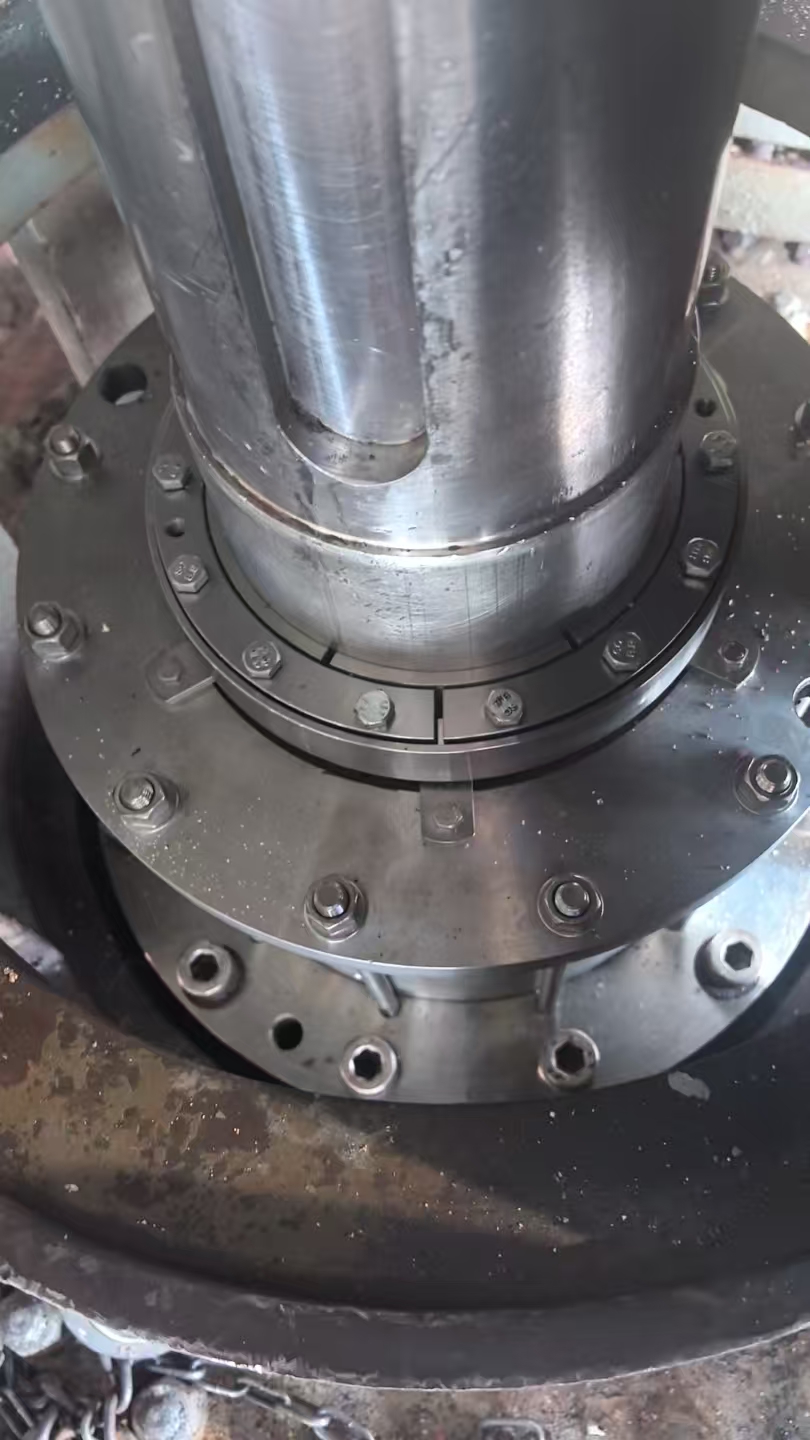
Mixing systems operate at the heart of countless industrial processes, from chemical manufacturing to food production and pharmaceutical development. The reliability of these systems depends on numerous components working in perfect harmony, but few are as critical as agitator seals. Without properly functioning agitator seals, even the most robust mixing equipment becomes vulnerable to fluid leakage, contamination, and catastrophic failure. Understanding why agitator seals are essential for leak-free operation reveals fundamental principles about equipment integrity, safety compliance, and operational efficiency that directly impact your bottom line.
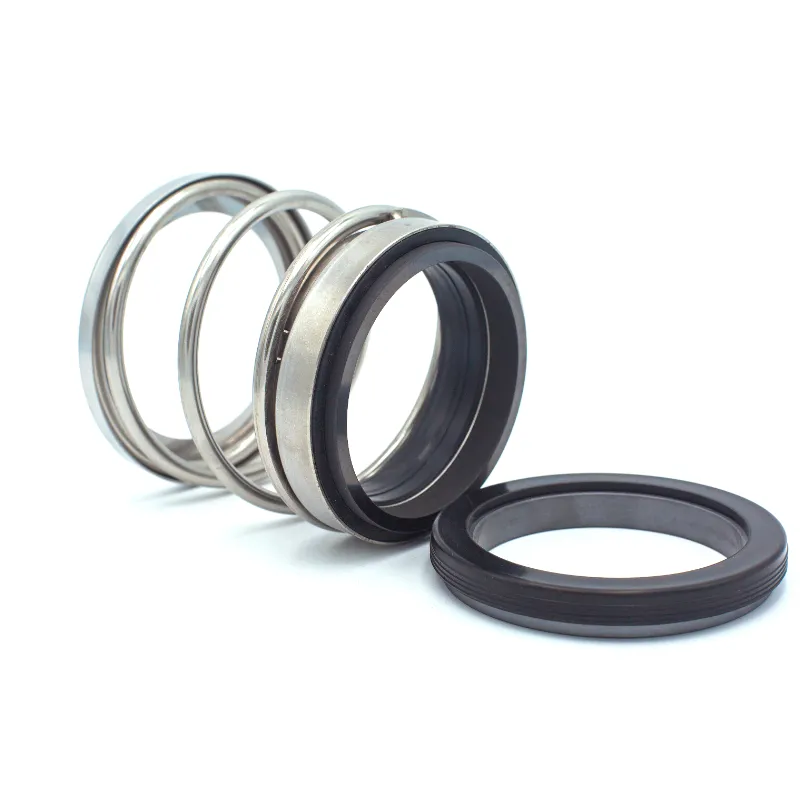
The agitator shaft—the rotating element that moves mixing blades through the fluid—creates an inherent challenge: it must spin freely while maintaining a hermetic barrier against the internal environment. This is precisely where agitator seals excel, bridging the gap between dynamic rotation and static containment. Agitator seals prevent costly fluid escape, maintain product purity, and ensure regulatory compliance across industries where precision mixing is non-negotiable.
The Mechanical Challenge of Rotating Shafts
Understanding the Seal Interface Problem
Rotating shafts present a fundamental engineering dilemma: the point where the shaft exits the mixing vessel is inherently unstable. Traditional static gaskets cannot accommodate continuous rotation without degradation. Agitator seals solve this problem by employing rotating and stationary seal faces that maintain contact under spring pressure, creating a dynamic barrier that adapts to movement. This dual-face technology allows agitator seals to function reliably even as the shaft rotates at hundreds or thousands of revolutions per minute, preventing fluid escape while permitting necessary mechanical operation.
Pressure and Temperature Dynamics
Industrial mixing vessels often operate under elevated pressure and temperature conditions that stress conventional sealing solutions. Agitator seals are engineered specifically to withstand these demanding environments. The materials selected for agitator seals—such as carbon, silicon carbide, and specialized elastomers—resist thermal expansion, mechanical wear, and chemical attack. This specialized design ensures that agitator seals maintain their sealing integrity across wide operating ranges, preventing the leakage that would otherwise compromise vessel integrity and product quality.
Leak Prevention and System Reliability
Preventing Product Loss and Contamination
Leakage from mixing systems creates immediate operational consequences: lost product translates directly to reduced yield and increased manufacturing costs. Beyond financial impact, leakage introduces contamination risks, especially in pharmaceutical and food applications where product purity is regulated. Agitator seals eliminate these risks by maintaining a perfect seal around the rotating shaft, ensuring that every molecule of mixed product remains contained within the vessel. This containment is not merely operational preference—it is often a regulatory requirement in industries governed by strict environmental and safety standards.
Environmental and Safety Compliance
Environmental regulations increasingly impose strict limits on fluid discharge and airborne emissions from industrial facilities. Properly functioning agitator seals prevent fugitive emissions and fluid loss that would otherwise trigger compliance violations, fines, and remediation costs. Additionally, agitator seals protect worker safety by preventing exposure to potentially hazardous mixed fluids. In applications involving toxic, corrosive, or pressurized materials, the containment provided by reliable agitator seals is not optional—it is a fundamental safety requirement that protects both personnel and surrounding communities.
Performance and Longevity Factors
Maintenance Intervals and Cost of Ownership
High-quality agitator seals are engineered for extended service life under demanding conditions. When properly selected, installed, and maintained, agitator seals can function reliably for thousands of operating hours before requiring replacement. This durability dramatically reduces maintenance frequency, unplanned downtime, and associated labor costs. Additionally, reliable agitator seals prevent secondary damage that occurs when leaking fluid corrodes surrounding equipment, damages motor bearings, or contaminates support structures. The total cost of ownership for properly specified agitator seals is substantially lower than the cumulative expense of frequent failures, emergency repairs, and production interruptions.
Material Selection and Application Specificity
Not all agitator seals are identical; selection depends critically on the specific application environment. Agitator seals must be chosen based on fluid chemistry, operating temperature, pressure, rotational speed, and shaft diameter. The correct agitator seals for a high-temperature polymer application differ significantly from those suitable for low-temperature food mixing. This application-specific approach explains why professional seal suppliers maintain extensive product catalogs. When agitator seals are properly matched to application requirements, they deliver consistent leak-free operation and predictable performance across the equipment lifecycle.
Integration with System Design
Seal Housing and Mounting Architecture
Agitator seals function optimally only when integrated into properly designed housing systems. The mechanical housing that supports agitator seals must maintain precise concentricity, appropriate clearances, and secure mounting. Poor housing design can compromise even the highest-quality agitator seals, leading to premature failure and unexpected leakage. Systems engineers must consider how agitator seals interface with the shaft, bearing support structure, and drive mechanism. This integration-level thinking explains why experienced mixing equipment manufacturers invest in robust seal cartridges and mounting systems that ensure agitator seals perform as designed throughout their service life.
Operational Best Practices
Beyond proper selection and installation, operational practices directly influence agitator seals performance. Maintaining appropriate fluid levels, avoiding sudden pressure spikes, and performing regular visual inspections help ensure that agitator seals continue functioning reliably. Operators should monitor for subtle signs of seal degradation, such as slight seepage around the shaft entry point, which may indicate that agitator seals are approaching end-of-life and require planned replacement. Establishing preventive maintenance schedules for agitator seals—similar to bearing or motor maintenance routines—prevents catastrophic failures and ensures consistent uptime. This proactive approach transforms seal management from a reactive problem-solving exercise into a predictable, manageable component of facility operations.
FAQ
What causes agitator seals to fail prematurely?
Agitator seals can fail prematurely due to several factors: improper material selection for the fluid being mixed, excessive shaft runout or misalignment, operating pressure or temperature beyond design limits, cavitation or dry-running conditions, and installation errors such as incorrect seal orientation. Additionally, corrosive fluids or abrasive particles can erode seal faces, and inadequate flushing or cooling provisions can accelerate wear. Regular maintenance and careful monitoring help identify these conditions before agitator seals reach critical failure.
How do you know when agitator seals need replacement?
Visible indicators that agitator seals require replacement include persistent weeping or dripping around the shaft, discoloration of the seal housing area, or visible cracks in the seal assembly. Performance-based signs include sudden loss of vessel pressure, unexplained reduction in mixed product quantity, or difficulty maintaining consistent mixing conditions. Most equipment manufacturers recommend planned replacement at manufacturer-specified intervals or when agitator seals have completed their rated service life, whichever occurs first, rather than waiting for failure symptoms to develop.
Can agitator seals be retrofitted into existing mixing systems?
Retrofitting agitator seals into legacy mixing equipment is often possible but requires careful evaluation. The retrofit must account for shaft diameter compatibility, housing bore dimensions, and existing seal cavity design. Newer agitator seals may offer improved materials and performance compared to original equipment, but installation typically requires professional engineering assessment to ensure proper fit and function. Retrofitting is most practical when shaft dimensions match standard seal sizes, whereas systems with non-standard configurations may require custom agitator seals or complete shaft redesign, making replacement potentially more cost-effective than retrofitting.