 EN
EN


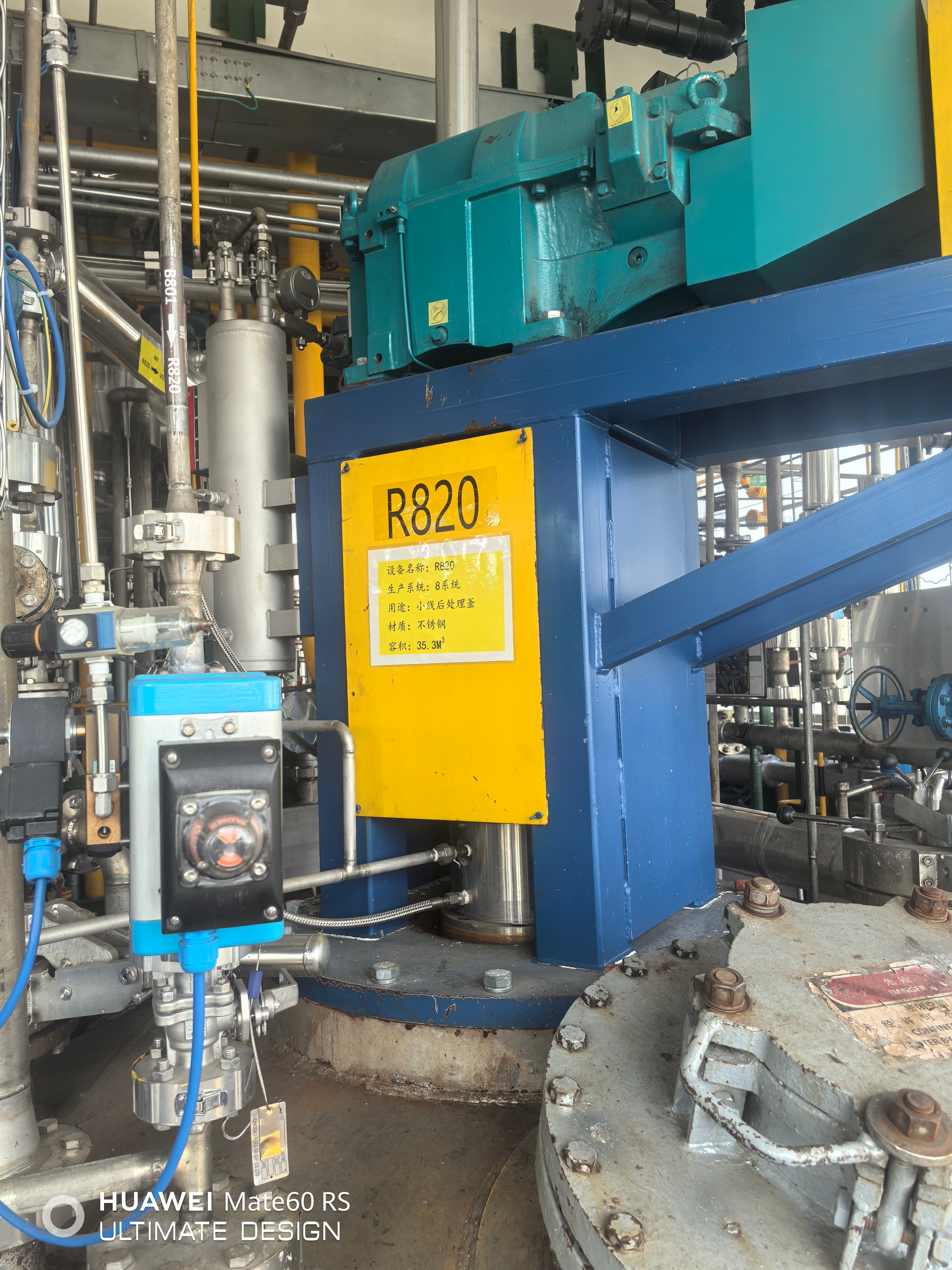
Agitator seals are critical components in industrial mixing, processing, and fluid handling systems, yet they remain among the most commonly failing parts in manufacturing environments. Understanding why agitator seals fail is essential for maintenance teams, equipment operators, and facility managers who need to minimize unplanned downtime and protect their production processes. When agitator seals fail, the consequences ripple through operations—product contamination, safety hazards, environmental concerns, and significant repair costs follow quickly. This guide explores the root causes of agitator seal failure, the mechanisms that drive leakage, and actionable prevention strategies that can extend seal life and improve operational reliability.
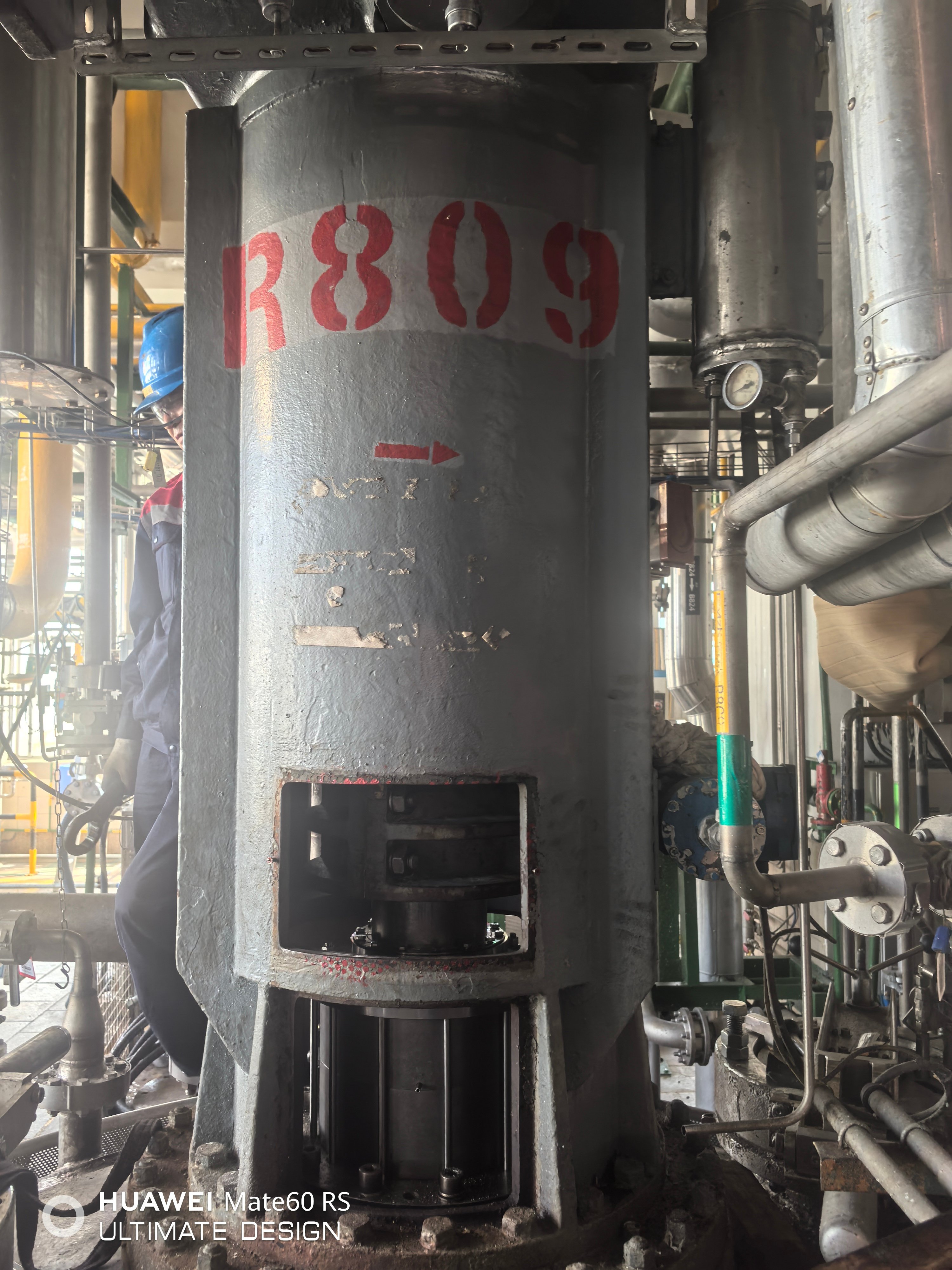
The failure of agitator seals typically stems from a combination of mechanical, thermal, and chemical stressors that accumulate over time. Unlike simple static seals, agitator seals operate under dynamic conditions with constant rotation, pressure fluctuations, and exposure to process fluids that may be corrosive, abrasive, or temperature-extreme. Recognizing these failure patterns allows you to implement targeted solutions before catastrophic leakage occurs. This article breaks down the primary failure mechanisms, environmental triggers, and maintenance best practices that will help you keep agitator seals functioning optimally throughout their intended service life.
Understanding Mechanical Stress and Material Degradation in Agitator Seals
How Rotational Stress Drives Agitator Seal Failure
Agitator seals experience continuous rotational stress as the shaft spins inside the seal cavity. This rotation creates friction between the seal faces, generating heat that degrades the elastomer components over time. The primary seal interface, where two hard faces meet under load, must maintain a delicate balance between pressure and lubrication. When rotational speed exceeds the seal's design limits, or when the seal faces wear unevenly, microscopic gaps form that allow fluid to escape. Each complete revolution adds cumulative stress to the seal assembly, and prolonged operation accelerates material fatigue. This is why agitator seals operating at high speeds often fail prematurely if not properly rated for the application.
Material Incompatibility and Chemical Attack
The fluid being processed directly impacts how long agitator seals can function reliably. When the process fluid is chemically incompatible with the seal's elastomer material, the rubber components swell, soften, or become brittle. For example, agitator seals designed for water-based applications may fail rapidly when exposed to solvents, oils, or aggressive chemicals. Similarly, the seal's static components can corrode or degrade if they are not manufactured from materials resistant to the specific process fluid. This material mismatch is a leading cause of agitator seal failure in chemical processing, pharmaceuticals, and specialty manufacturing. Selecting the correct material combination for agitator seals at the outset is far more cost-effective than dealing with unexpected failure and production interruption.
Thermal and Environmental Factors That Compromise Agitator Seals
Temperature Extremes and Thermal Cycling
Temperature is one of the most destructive forces acting on agitator seals. High process temperatures accelerate the breakdown of elastomer materials, causing them to harden and lose their sealing properties. Conversely, very low temperatures can make rubber brittle and prone to cracking under the mechanical stress of rotation. Thermal cycling—repeated heating and cooling—creates expansion and contraction cycles that weaken the seal structure and open pathways for leakage. When agitator seals experience rapid temperature changes, the different materials in the seal assembly expand at different rates, generating internal stresses that lead to seal face separation or micro-fractures. This is why many seal failures occur after sudden process temperature shifts or in seasonal climates with significant temperature swings.
Pressure Spikes and Cavitation Damage
Agitator seals must withstand not only steady operating pressure but also transient pressure spikes caused by valve closure, pump surges, or process changes. When pressure rises suddenly beyond the seal's rated capacity, the seal faces can lift apart momentarily, allowing fluid to bypass the seal surfaces. Additionally, pressure fluctuations can create cavitation bubbles in the fluid—a phenomenon where dissolved gases form and collapse, causing microscopic erosion on the seal surfaces. This cavitation damage accumulates with each pressure cycle and gradually compromises the seal's face geometry. Systems with inadequate pressure relief or check valve protection are especially prone to cavitation-induced agitator seal failure.
Maintenance Oversights and Operational Practices Contributing to Failure
Inadequate Lubrication and Cooling of Agitator Seals
Agitator seals require continuous film lubrication across their face interface to minimize friction and dissipate heat. When the lubrication film breaks down—due to contaminated process fluid, insufficient fluid flow, or improper seal selection—the seal faces experience dry contact and accelerated wear. This friction generates extreme localized temperatures that can exceed the elastomer's thermal limit within minutes. Inadequate cooling is equally problematic; if the seal cavity does not allow sufficient heat dissipation, temperatures rise steadily and eventually reach the point where agitator seals can no longer function. Systems with poor flush plans, inadequate barrier fluid circulation, or low fluid renewal rates are prime candidates for this type of failure. Monitoring seal temperature and ensuring robust lubrication practices is essential for long-term seal reliability.
Contamination and Particulate Damage
Agitator seals are vulnerable to damage from hard particles—corrosion products, bearing debris, crystallized process residue, or even sand ingress from external sources. A single hard particle trapped between the seal faces can scratch the precision surface finish, creating a leak path that allows fluid to escape. Particulate contamination builds up over time as corrosion products accumulate in the process fluid and are carried to the seal interface. Systems with inadequate filtration, poor flush design, or open vent ports are at high risk for this mechanism of agitator seal failure. The seal face damage from a particle is often permanent; once the precision surface is compromised, the agitator seals will continue to leak even after the particle is removed. This underscores the importance of contamination control and regular system flushing.
Installation Errors and Misalignment
Improper installation of agitator seals accounts for a significant portion of premature failures. If the seal is not centered on the shaft, the seal faces will wear at an angle rather than maintaining a parallel contact. Shaft runout—deviation from true rotation—forces the seal faces to open and close with each revolution, breaking the lubrication film and causing uneven wear. Over-tightening the seal gland during installation can compress the elastomer permanently, reducing its effectiveness and accelerating degradation. Insufficient gland pressure, conversely, allows the seal to move axially along the shaft, changing the face loading and causing misalignment. Ensuring precise installation procedures, proper torque specifications, and periodic runout checks are critical to prevent this class of agitator seal failure.
FAQ
What are the most common early warning signs that agitator seals are failing?
Early indicators of agitator seal problems include visible dripping or weeping from the seal cavity, unexpected temperature increases around the seal housing, changes in process fluid clarity due to mixing with external leakage, and audible noises such as grinding or squealing emanating from the seal area. If your facility detects any of these signs, inspect the agitator seals immediately and prepare for replacement or repair to prevent catastrophic failure.
How can I extend the service life of agitator seals in harsh chemical environments?
To maximize agitator seal life in aggressive fluids, select seal materials specifically rated for the chemical composition and operating temperature of your process. Implement a robust flush plan using a compatible barrier fluid, maintain strict contamination control and filtration standards, and install pressure relief devices to prevent damaging spikes. Regular monitoring of seal condition and planned preventive replacement before failure occurs will minimize unplanned downtime and reduce overall maintenance costs.
Can operating conditions be adjusted to prevent agitator seal failure?
Yes, several operational changes can significantly improve agitator seal longevity. Reducing shaft speed where possible decreases mechanical stress, maintaining stable process temperatures minimizes thermal cycling effects, avoiding pressure spikes through proper valve and relief design protects seals from cavitation damage, and ensuring steady-state fluid flow around the seal cavity improves cooling and lubrication. Additionally, reducing fluid viscosity extremes and controlling contamination levels through enhanced filtration all contribute to extended agitator seal performance.
Conclusion
Agitator seal failure results from a complex interplay of mechanical stress, thermal cycling, chemical incompatibility, and maintenance oversights. By understanding these root causes—rotational stress and material fatigue, temperature extremes and pressure spikes, inadequate lubrication and contamination, plus installation errors—you can implement targeted prevention strategies that dramatically extend seal life. Proper material selection, rigorous installation procedures, robust cooling and lubrication systems, and consistent contamination control form the foundation of reliable agitator seal operation. Investing in condition monitoring, planned preventive maintenance, and operator training pays dividends through reduced unplanned downtime and lower total cost of ownership. When you address the fundamental causes of agitator seal failure rather than simply replacing failed units, you build a more resilient and profitable production environment.