 EN
EN


Industrial equipment operates under demanding conditions that require dependable sealing solutions. When comparing mechanical seals to traditional packing materials, the differences in reliability, performance, and longevity become immediately apparent. Mechanical seals represent a significant advancement in sealing technology, offering superior protection against leakage, reduced maintenance requirements, and enhanced operational efficiency. Understanding why mechanical seals outperform traditional packing is essential for facility managers, engineers, and maintenance professionals who need to make informed decisions about equipment protection and asset reliability.
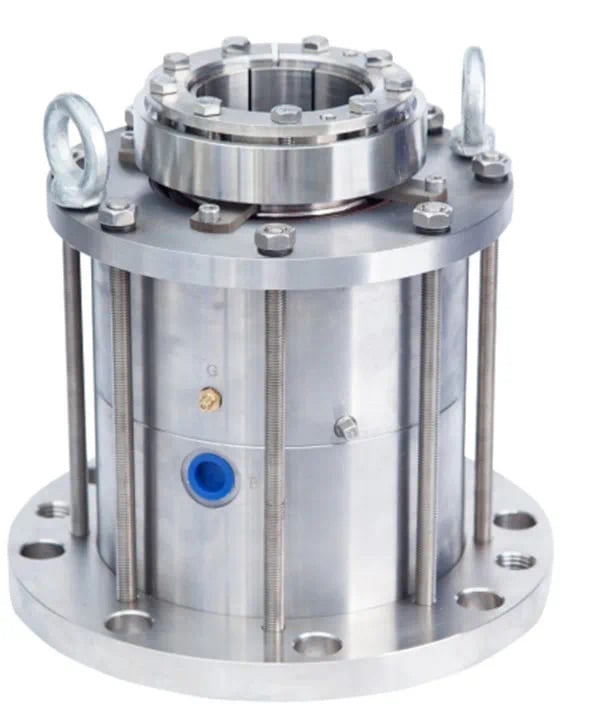
Mechanical seals have become the industry standard for critical applications because they address fundamental limitations that plague traditional packing systems. While packing has served industrial operations for decades, mechanical seals deliver measurably better performance across multiple dimensions including leak prevention, temperature resistance, and service life. The engineering principles behind mechanical seals enable them to maintain integrity under extreme pressure, elevated temperatures, and continuous operation that would quickly degrade conventional packing arrangements.
How Mechanical Seals Eliminate Leakage Problems
The Precision Contact Design of Mechanical Seals
Mechanical seals function through a precision engineering approach that fundamentally differs from the compression-based sealing of traditional packing. Inside a mechanical seal assembly, two highly polished faces meet under controlled pressure to create a virtually leak-free barrier. These sealing faces, typically made from materials like carbon, ceramic, or tungsten carbide, maintain microscopic contact that prevents fluid escape. The rotating face follows the stationary face with such precision that mechanical seals can reduce leakage to virtually zero, whereas traditional packing typically allows minor seepage as an accepted operational characteristic.
The hydraulic pressure of the sealed fluid itself helps mechanical seals maintain their sealing integrity. As system pressure increases, the sealing faces press together more firmly, enhancing the seal rather than compromising it. This automatic compensation mechanism means mechanical seals perform reliably across varying pressure conditions without requiring manual adjustment. Traditional packing, by contrast, needs periodic tightening as compression diminishes, and even with adjustment, cannot prevent gradual fluid loss that accumulates over time.
Environmental Barriers in Mechanical Seal Systems
Modern mechanical seals incorporate multiple environmental barriers that traditional packing cannot provide. A liquid barrier chamber isolates the sealing faces from contamination, abrasive particles, and thermal extremes that would accelerate wear. This dual-barrier design protects mechanical seals from many conditions that quickly degrade traditional packing systems. Gas barriers and secondary sealing elements further enhance the reliability that distinguishes mechanical seals from conventional alternatives.
Mechanical seals also employ elastomer bellows and spring systems that maintain consistent pressure throughout equipment operation. These components automatically adjust to accommodate shaft movement and thermal expansion, ensuring mechanical seals remain effective regardless of changing conditions. Traditional packing requires external compression adjustments that operators frequently overlook, leading to premature failure.
Superior Temperature and Pressure Resistance
Operating Range Capabilities of Mechanical Seals
One critical advantage of mechanical seals lies in their extended operating temperature range and pressure tolerance. Modern mechanical seals successfully operate in cryogenic applications reaching minus 200 degrees Fahrenheit and in superheated conditions exceeding 400 degrees Fahrenheit. Traditional packing materials degrade rapidly at these temperature extremes, losing elasticity and structural integrity. The engineered materials used in mechanical seals, such as silicon carbide and advanced polymers, maintain their sealing properties across this broad spectrum.
Pressure handling represents another dimension where mechanical seals demonstrate superior performance compared to traditional packing. Mechanical seals maintain their sealing function under pressures exceeding 5000 psi, common in hydraulic and high-pressure pump applications. Traditional packing experiences increased leakage at these pressures because compression alone cannot create the reliable seal that mechanical seals provide. Industrial facilities handling hazardous or expensive fluids benefit enormously from the pressure reliability that mechanical seals offer.
Thermal Stability and Seal Longevity
Thermal cycling poses particular challenges for traditional sealing materials, but mechanical seals respond to temperature fluctuations with remarkable consistency. The balanced design of mechanical seals allows them to expand and contract without losing sealing effectiveness. Materials selected for mechanical seal faces exhibit minimal thermal expansion, preventing the gap formation that compromises traditional packing performance. This thermal stability extends the service life of mechanical seals well beyond what traditional packing systems achieve in the same operating environment.
Heat dissipation capabilities distinguish mechanical seals from traditional alternatives. While friction at the sealing faces generates some heat, mechanical seals incorporate cooling mechanisms and material selections that manage thermal stress effectively. Traditional packing accumulates frictional heat that accelerates material degradation, shortening replacement intervals and increasing maintenance costs relative to mechanical seals.
Economic and Operational Advantages
Maintenance Reduction and Service Life Extension
The superior reliability of mechanical seals directly translates into reduced maintenance demands and extended equipment intervals. Where traditional packing systems require inspection, adjustment, or replacement within weeks or months, mechanical seals often operate for three to five years without maintenance. This extended service life dramatically reduces labor costs, replacement material expenses, and equipment downtime associated with seal servicing. Facilities implementing mechanical seals throughout their operations typically experience maintenance cost reductions of thirty to fifty percent compared to traditional packing arrangements.
Predictable reliability of mechanical seals enables better planning and budgeting for maintenance operations. Traditional packing failures often occur unexpectedly, forcing emergency repairs and production disruptions. Mechanical seals, conversely, provide consistent performance that allows operators to schedule replacements during planned maintenance windows, improving overall operational efficiency and safety.
Fluid Conservation and Environmental Benefits
The near-zero leakage characteristic of mechanical seals delivers significant benefits for fluid conservation and environmental protection. Industrial operations using expensive or specialty fluids recover substantial cost savings through leak prevention that mechanical seals provide. Where traditional packing allows continuous seepage that accumulates to hundreds of gallons annually in large operations, mechanical seals virtually eliminate this loss. Environmental compliance becomes easier when mechanical seals prevent hazardous fluid releases that traditional packing would permit.
Sustainability initiatives align naturally with mechanical seal adoption. By eliminating unnecessary fluid replacement due to contamination from leaking packing, facilities reduce their material consumption and environmental footprint. The efficiency gains from mechanical seals contribute to overall equipment reliability improvements that resonate throughout industrial operations seeking to optimize performance while managing environmental impact.
FAQ
What is the typical service life difference between mechanical seals and traditional packing?
Mechanical seals typically operate for three to five years or longer between replacements, while traditional packing usually requires service within six to twelve months. This significant difference in service life reflects the fundamental engineering superiority of mechanical seals. The extended intervals for mechanical seals result from their precise sealing design, superior material properties, and reduced wear compared to traditional packing. Actual service life varies based on specific application conditions, fluid properties, and operating parameters, but mechanical seals consistently outperform traditional packing solutions across comparable operating environments.
Can mechanical seals handle all applications where traditional packing was previously used?
Mechanical seals are suitable for the vast majority of applications where traditional packing was historically used, but engineering assessment remains important for compatibility confirmation. The advantages of mechanical seals make them the preferred choice for pumps, compressors, mixers, and rotating equipment across industries. Some legacy equipment or specialized applications may require technical evaluation to confirm mechanical seal compatibility and select appropriate seal configurations. Most modern equipment manufacturers now specify mechanical seals as the standard sealing solution, reflecting widespread recognition of their reliability superiority over traditional packing alternatives.
How do mechanical seals reduce total cost of ownership compared to traditional packing?
Mechanical seals reduce total cost of ownership through multiple mechanisms including extended service life, reduced maintenance labor, minimized emergency repairs, and fluid conservation. While initial purchase price for mechanical seals may exceed traditional packing costs, the operational savings quickly offset this difference. Extended replacement intervals mean fewer labor hours spent on maintenance, reduced material inventory requirements, and decreased production downtime. Fluid loss prevention through superior leakage control of mechanical seals adds substantial financial benefits over time. Engineering analysis typically demonstrates that mechanical seals achieve payback periods of six to eighteen months through these combined cost reductions, with ongoing savings throughout the equipment lifetime. mechanical seals designed for specific industrial applications provide the most cost-effective reliability solution available for demanding sealing requirements.