 EN
EN


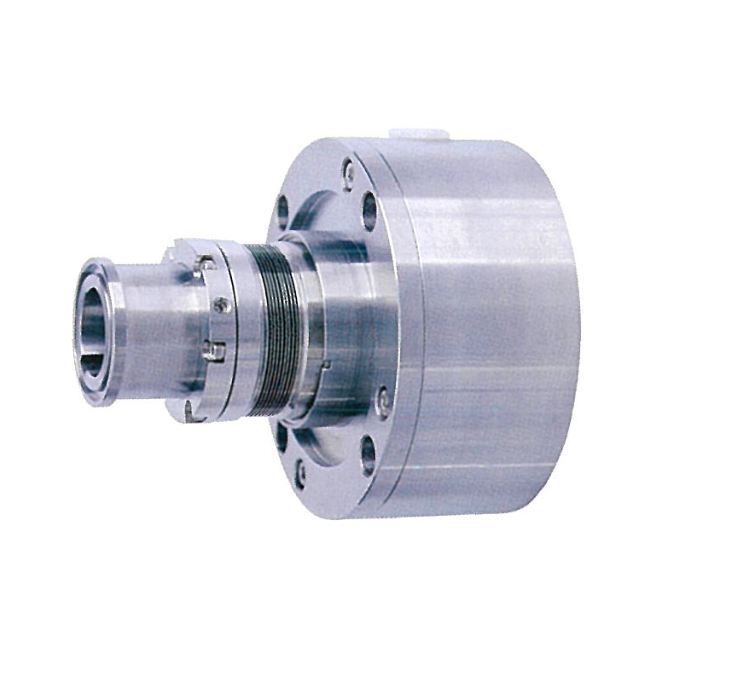
Hazardous fluid handling demands equipment that goes beyond standard industrial sealing solutions. Double mechanical seal types have become indispensable in industries where fluid leakage can create catastrophic environmental, safety, and financial consequences. Understanding why double mechanical seal types are essential requires examining the unique challenges posed by aggressive, toxic, or volatile fluids and how dual-seal architectures address these risks where single-seal designs simply cannot.
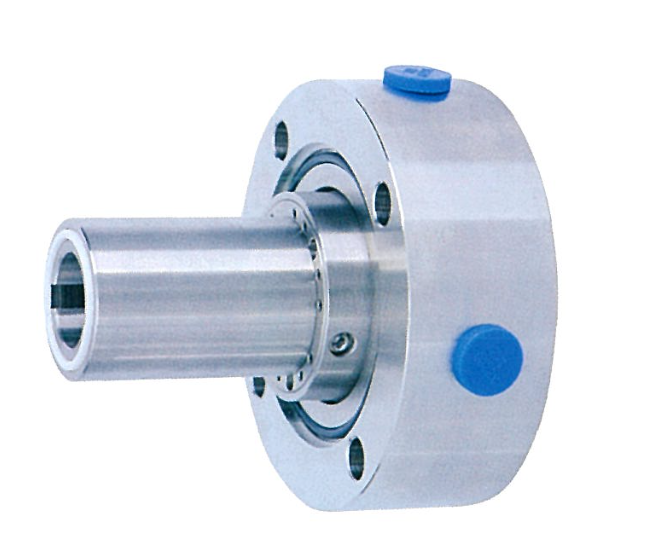
The primary reason organizations invest in double mechanical seal types is redundancy and containment. When a single mechanical seal fails—whether due to wear, contamination, or thermal stress—hazardous fluids can escape into the environment or workplace. Double mechanical seal types eliminate this single point of failure by implementing two independent sealing surfaces, creating a barrier system that catches leakage before it becomes an operational emergency or regulatory violation.
The Critical Role of Double Mechanical Seal Types in Hazardous Fluid Applications
Primary Containment and Secondary Protection
Double mechanical seal types function through a layered containment philosophy. The primary seal performs active sealing during normal operation, while the secondary seal acts as a backup containment layer. Between these two sealing surfaces sits a buffer chamber, often filled with a neutral fluid or lubricant. This buffer zone serves multiple protective functions specific to hazardous fluid handling. If the primary seal of double mechanical seal types begins to degrade, the buffer fluid prevents hazardous material from reaching the secondary seal immediately, buying time for detection and corrective action before complete seal failure occurs.
The buffer chamber in double mechanical seal types also isolates the shaft and bearing assembly from direct contact with hazardous fluids. This protection extends equipment life and reduces maintenance frequency, which translates directly to improved reliability in critical operations. For industries handling corrosive chemicals, radioactive solutions, or toxic solvents, double mechanical seal types represent the difference between controlled operations and environmental incidents. The secondary seal in double mechanical seal types acts as an absolute barrier, ensuring that even if primary seal integrity is compromised, the hazardous fluid remains contained within the pump or reactor vessel.
Detection and Monitoring Advantages
Double mechanical seal types enable real-time monitoring of seal health through buffer fluid pressure and composition analysis. When the primary seal fails, pressure changes occur in the buffer chamber, triggering alarms before hazardous fluid reaches the secondary seal. This early warning capability is impossible with single mechanical seal designs. Many industrial facilities employing double mechanical seal types implement automated monitoring systems that detect micro-leaks through pressure transducers, allowing maintenance teams to schedule controlled seal replacement rather than responding to emergency shutdowns.
The diagnostic data provided by double mechanical seal types proves invaluable for understanding failure modes and optimizing maintenance intervals. Buffer fluid analysis can reveal particle contamination, chemical degradation, or thermal stress patterns that indicate imminent seal failure. This predictive capability transforms seal maintenance from reactive crisis management into planned, controlled procedures. Industries handling hazardous fluids benefit enormously from this shift, as unplanned shutdowns in chemical processing, pharmaceutical manufacturing, or nuclear facilities can trigger costly production delays and regulatory scrutiny.
Environmental and Regulatory Compliance Through Double Mechanical Seal Types
Meeting Strict Containment Standards
Environmental protection agencies and industrial safety regulators mandate containment standards specifically because hazardous fluid leakage poses unacceptable risks. Double mechanical seal types fulfill these regulatory requirements more reliably than alternatives because they provide documented, verifiable containment through dual sealing surfaces. Regulatory bodies recognize double mechanical seal types as the industry standard for equipment handling carcinogenic, mutagenic, or highly toxic fluids. Facilities using double mechanical seal types can demonstrate compliance through seal design documentation, installation records, and maintenance logs, which prove to inspectors that equipment meets or exceeds containment mandates.
The environmental liability associated with hazardous fluid leakage extends far beyond immediate cleanup costs. Contaminated soil, groundwater, or surface water can trigger multi-year remediation projects, regulatory fines, and legal actions from affected communities. Double mechanical seal types prevent these scenarios by maintaining absolute containment throughout the equipment service life. For pharmaceutical companies handling potent active pharmaceutical ingredients, or chemical manufacturers processing toxic intermediates, double mechanical seal types represent essential risk mitigation infrastructure. The cost of double mechanical seal types is negligible compared to environmental liability and regulatory penalties that would follow a single catastrophic leak.
Industry-Specific Compliance Requirements
Specific industries have developed stringent standards that explicitly require double mechanical seal types for hazardous fluid applications. Pharmaceutical manufacturing under FDA guidelines, semiconductor facilities under Clean Air Act provisions, and chemical processors under EPA regulations all recognize double mechanical seal types as mandatory equipment. These regulatory frameworks exist because industries have repeatedly demonstrated that single seals fail at unacceptable rates when handling aggressive or hazardous fluids. Double mechanical seal types have proven track record in preventing environmental releases and protecting worker safety, which is why regulatory authorities have codified them into industry standards.
The recognition of double mechanical seal types in regulatory documentation creates competitive and operational advantages for compliant facilities. Equipment certified with double mechanical seal types passes environmental audits with minimal documentation burden. Insurance companies offer preferential coverage terms to facilities using double mechanical seal types because the reduced risk of environmental incidents lowers claims likelihood. Export opportunities improve for industries serving regulated markets, as double mechanical seal types provide the containment certifications required by international trading partners. Regulatory compliance through double mechanical seal types thus becomes a strategic business advantage, not merely a compliance checkbox.
Practical Performance Benefits of Double Mechanical Seal Types in Hazardous Fluid Service
Extended Equipment Reliability and Reduced Maintenance Disruption
Equipment handling hazardous fluids often operates in critical applications where unplanned downtime creates cascading operational failures. Double mechanical seal types minimize this disruption risk by providing extended seal life compared to single-seal alternatives. The buffer chamber and secondary seal of double mechanical seal types protect the primary seal from thermal cycling and contamination exposure, reducing degradation rates significantly. Industries report that double mechanical seal types deliver service intervals 50 to 100 percent longer than single seals in equivalent hazardous fluid applications. This extended reliability directly reduces maintenance frequency, allowing smaller maintenance teams to manage larger equipment populations.
The operational predictability provided by double mechanical seal types enables better production planning. When seal replacement intervals are reliably extended through double mechanical seal types, facility managers can schedule maintenance during planned shutdowns rather than responding to emergency failures. This scheduling control proves especially valuable in batch processing operations where production timing is fixed and inflexible. Pharmaceutical manufacturers, for example, rely on predictable seal performance from double mechanical seal types to ensure that production campaigns complete without unexpected interruptions. The economic value of planned maintenance versus emergency shutdown maintenance justifies the higher capital cost of double mechanical seal types.
Thermal Stability and Chemical Resistance
Hazardous fluids often exhibit extreme properties that stress conventional sealing materials. Double mechanical seal types accommodate thermal extremes through buffer fluid selection that compensates for temperature variations. Hot hazardous fluids can be partially cooled through the buffer chamber before contacting the secondary seal, reducing thermal stress on secondary seal elastomers. Similarly, cryogenic fluids can be warmed slightly before reaching the secondary seal, preventing brittleness and premature failure. This thermal buffering capability unique to double mechanical seal types enables safe handling of process fluids across wider temperature ranges than single-seal designs permit.
Chemical resistance in double mechanical seal types extends beyond the sealing surfaces to include buffer fluid compatibility with the hazardous process fluid. Double mechanical seal types can be configured with buffer fluids specifically selected to resist chemical attack by the primary fluid, whereas single seals must tolerate direct exposure to the hazardous fluid. This flexibility in double mechanical seal types allows engineers to optimize each sealing surface for its specific chemical environment rather than compromising on a universal solution. Industries handling aggressive solvents, strong oxidizers, or reactive chemicals benefit enormously from the material optimization possible with double mechanical seal types.
FAQ
What specific hazardous fluids require double mechanical seal types?
Double mechanical seal types are essential for carcinogenic chemicals, mutagenic substances, radioactive fluids, toxic solvents, strong oxidizers, and corrosive acids. Any fluid classified as hazardous by regulatory agencies or industrial safety standards should be contained using double mechanical seal types. Process fluids that are explosive, highly volatile, or reactive similarly demand the redundant containment that double mechanical seal types provide. Environmental regulations typically specify double mechanical seal types for any fluid that poses unacceptable risk if released to soil, groundwater, or air.
How do double mechanical seal types improve equipment safety compared to single seals?
Double mechanical seal types provide redundant sealing surfaces, meaning that failure of the primary seal does not immediately result in hazardous fluid release. The secondary seal continues containing the fluid while detection systems alert operators to the primary seal failure. Single seals lack this redundancy, so primary seal failure results in immediate leakage. Double mechanical seal types also enable pressure monitoring and buffer fluid analysis, providing early warning of degradation before catastrophic failure. Workers and the environment are protected by multiple independent barriers when using double mechanical seal types rather than depending on single seal reliability.
What regulatory standards mandate double mechanical seal types?
EPA regulations for hazardous waste handling and environmental protection explicitly recognize double mechanical seal types as required equipment. FDA guidelines for pharmaceutical manufacturing specify double mechanical seal types for equipment processing potent active ingredients. OSHA standards for occupational safety often require double mechanical seal types when single seals cannot adequately contain worker exposure to hazardous materials. International standards including ISO specifications for industrial sealing also recommend or mandate double mechanical seal types for hazardous fluid applications. Specific regulatory requirements vary by industry, geography, and fluid hazard classification, so compliance professionals should review applicable regulations for their specific operation.