 EN
EN


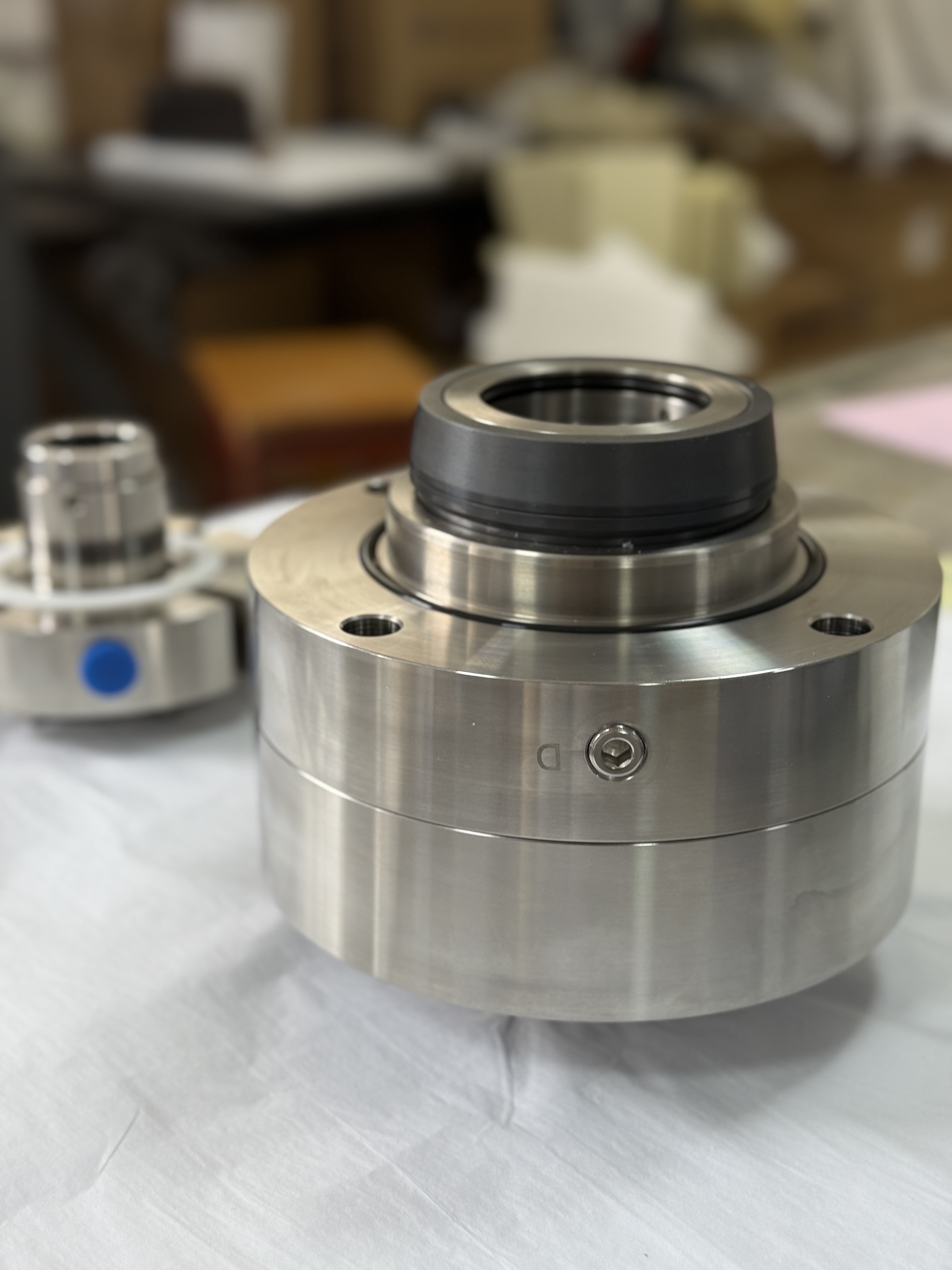
The cartridge mechanical seal has become the preferred choice for facilities seeking to minimize installation time and operational disruption. Unlike traditional mechanical seals that require complex assembly on-site, a cartridge mechanical seal arrives pre-assembled and pre-engineered, allowing technicians to install it directly into the pump housing with minimal effort. This fundamental design difference addresses one of the most persistent challenges in pump maintenance: reducing downtime while ensuring reliable sealing performance. Industries spanning food processing, chemical manufacturing, and water treatment have recognized that adopting a cartridge mechanical seal delivers tangible benefits in both time and cost efficiency.
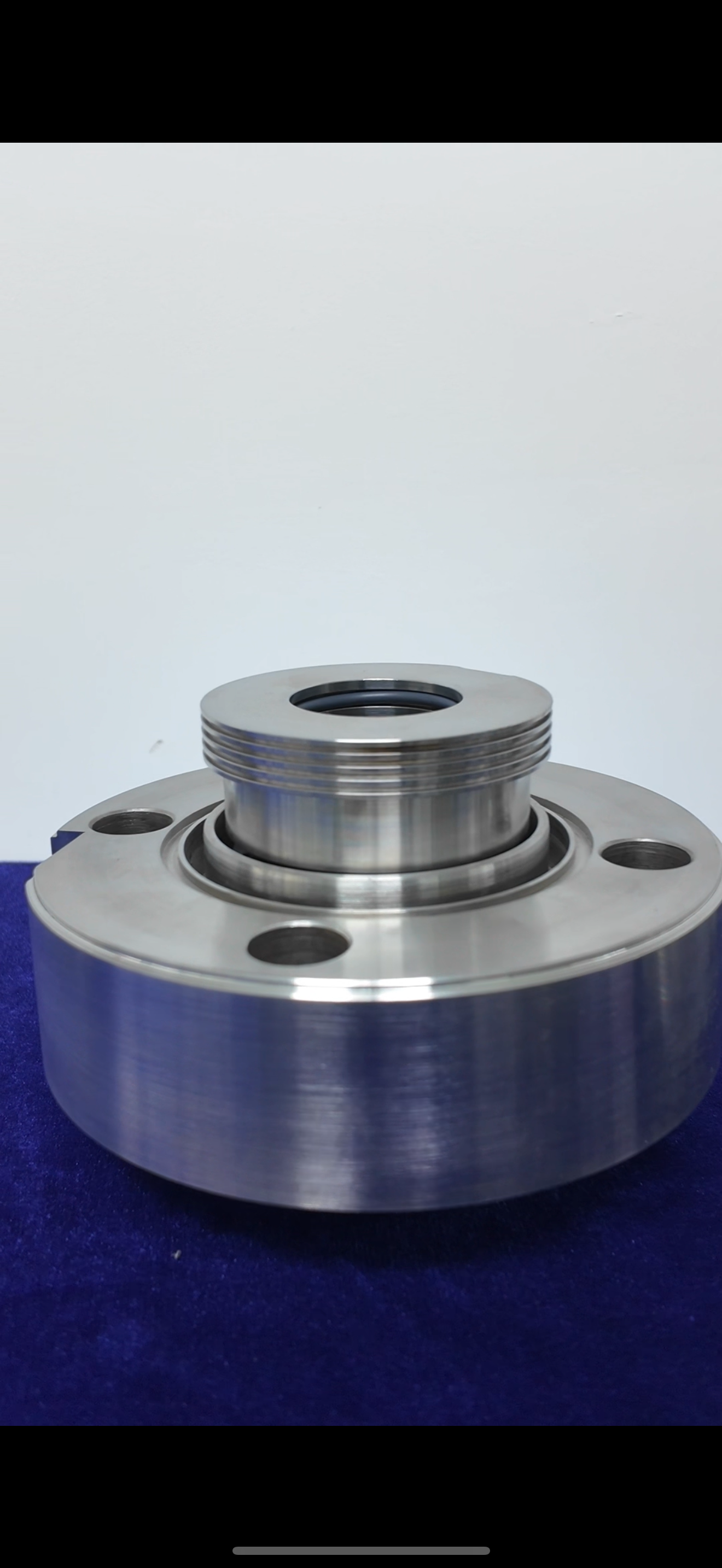
Understanding the structural advantages of a cartridge mechanical seal helps explain why installation speed has become a competitive advantage in modern pump operations. The cartridge format consolidates all seal components—springs, faces, elastomers, and housings—into a single, integrated unit. This integration eliminates the need for field assembly, calibration, and adjustment procedures that traditionally consumed hours of labor and required highly skilled technicians. When a cartridge mechanical seal is selected, the installation process becomes straightforward, repeatable, and less prone to human error, making it an intelligent investment for operations prioritizing both reliability and rapid deployment.
How Cartridge Mechanical Seal Design Accelerates Installation
Pre-Assembly and Quality Control
A cartridge mechanical seal is manufactured and tested in a controlled factory environment before shipment. Every component is precisely aligned, and the entire unit undergoes rigorous quality assurance protocols to verify proper function. This factory-level preparation means that when a cartridge mechanical seal arrives at your facility, it has already passed multiple performance checks. Technicians do not need to spend time assembling springs, inserting seal faces, or adjusting compression loads. Instead, they simply insert the cartridge mechanical seal into the pump's seal chamber, secure the retaining hardware, and complete the installation. This plug-and-play approach dramatically reduces the technical expertise required and the potential for installation errors that could compromise seal life.
Simplified Installation Procedure
The cartridge mechanical seal installation process follows a standardized, repeatable sequence that any qualified technician can execute efficiently. After draining the pump and removing the old seal assembly, the technician positions the cartridge mechanical seal into the designated cavity and fastens the mounting bolts to the specified torque. The design of a cartridge mechanical seal ensures that all internal components remain properly positioned throughout this procedure. There are no individual face springs to compress, no elastomer seals to orient, and no secondary seal geometry to verify. This simplification means that a cartridge mechanical seal can typically be installed in one-fifth to one-tenth the time required for traditional seal kits, translating directly into lower labor costs and reduced equipment downtime.
Operational Reliability and Cost Reduction Benefits
Minimized Downtime and Labor Expense
Downtime represents one of the largest hidden costs in industrial operations. When a pump requires seal replacement, every minute out of service impacts production schedules, revenue, and customer commitments. Choosing a cartridge mechanical seal addresses this challenge by cutting installation time from hours to minutes. This speed advantage compounds across multiple seal replacements throughout the year. If your facility maintains dozens of pumps and performs routine seal maintenance quarterly or semi-annually, the cumulative time savings from using a cartridge mechanical seal become substantial. Moreover, faster installation reduces the likelihood of technician errors, which can lead to premature seal failure, additional downtime, and expensive emergency repairs. The financial benefit of a cartridge mechanical seal extends beyond labor savings to include improved asset availability and more predictable operational schedules.
Consistency and Reduced Failure Risk
Because a cartridge mechanical seal arrives fully engineered and tested, the performance characteristics remain consistent across multiple installations. This consistency eliminates variability introduced by field assembly techniques, which differ among technicians and facilities. When installation procedures vary, seal life can vary dramatically. A cartridge mechanical seal removes this source of inconsistency, ensuring that each installation performs predictably. The reduced failure risk associated with a cartridge mechanical seal also means fewer unplanned maintenance events, lower emergency repair costs, and improved production continuity. Facilities that have transitioned to a cartridge mechanical seal frequently report more stable maintenance schedules and fewer surprise failures that disrupt operations.
Selection Considerations for Cartridge Mechanical Seal Implementation
Pump Type and Seal Cavity Compatibility
Not every pump model supports a cartridge mechanical seal configuration, so verifying compatibility is the critical first step in implementation. A cartridge mechanical seal is designed to fit within specific pump geometries and seal cavity dimensions. Before selecting a cartridge mechanical seal, confirm that your pump manufacturer offers a compatible version for your equipment model and that the seal chamber design matches the cartridge format. If your facility operates multiple pump brands or models, you may need different cartridge mechanical seal specifications for each application. Investing time in this compatibility assessment prevents costly procurement errors and ensures that your cartridge mechanical seal installation proceeds without surprises.
Fluid Type and Operating Conditions
A cartridge mechanical seal must be specified for the exact fluid being pumped, as elastomer compatibility, spring material, and face selection depend on chemical composition, temperature, and pressure. High-temperature applications require a cartridge mechanical seal with heat-resistant elastomers and specialized face materials. Corrosive fluids demand noble metal faces or advanced coatings within the cartridge mechanical seal design. Abrasive slurries necessitate a cartridge mechanical seal with robust face geometry and particulate protection. When ordering a cartridge mechanical seal, provide complete operating condition data to your supplier so that the delivered unit matches your specific requirements. Undersizing or misspecifying a cartridge mechanical seal for your conditions undermines the installation speed advantage and can lead to premature failure.
FAQ
What is the typical installation time difference between a cartridge mechanical seal and a traditional mechanical seal?
A traditional mechanical seal assembly typically requires 2 to 4 hours for a skilled technician to install properly, including component assembly, alignment verification, and testing. A cartridge mechanical seal, by contrast, usually installs in 15 to 30 minutes. This dramatic time reduction occurs because the cartridge mechanical seal eliminates field assembly steps and arrives ready to install. For facilities performing multiple seal replacements annually, this time saving translates to dozens of hours recovered, significant labor cost reduction, and substantially lower equipment downtime.
Can a cartridge mechanical seal be retrofitted into older pump models?
Retrofitting a cartridge mechanical seal into older pump designs depends on the specific equipment geometry and whether the pump manufacturer has developed a compatible cartridge version. Some older pumps cannot accommodate the cartridge mechanical seal format because their seal cavities were designed for traditional seal kits. In those cases, upgrading the pump itself may be necessary to access cartridge mechanical seal benefits. Consult with your pump supplier or a seal engineering specialist to determine whether your equipment supports a cartridge mechanical seal retrofit, or whether full pump replacement offers better long-term value.
How does the cost of a cartridge mechanical seal compare to a traditional mechanical seal kit?
A cartridge mechanical seal typically carries a 15 to 40 percent higher initial material cost compared to a traditional mechanical seal kit, reflecting the factory engineering, pre-assembly, and quality testing involved. However, the total cost of ownership favors the cartridge mechanical seal when you factor in labor savings, reduced downtime, fewer installation errors, and more consistent seal life. For most industrial operations, the cartridge mechanical seal investment breaks even within one to three installation cycles and delivers cumulative savings thereafter through faster maintenance, fewer emergency repairs, and improved operational consistency.