 EN
EN


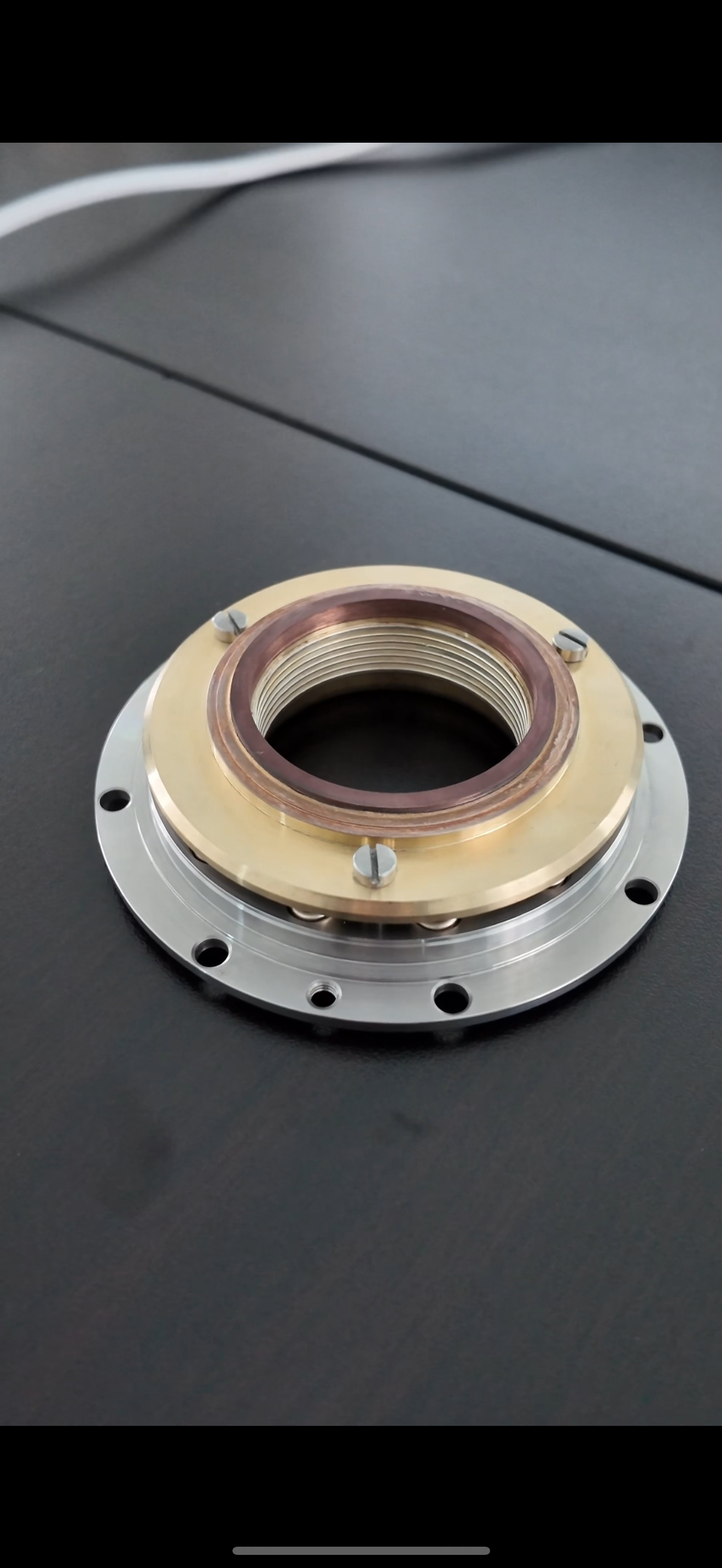
If you have ever worked with industrial pumps, you have likely encountered the term 'mechanical seal' — but understanding what is mechanical seal technology and why it matters can make a significant difference in how you maintain and operate rotating equipment. A mechanical seal is a precision device designed to prevent fluid leakage between a rotating shaft and the stationary housing of a pump, mixer, or compressor. Without it, the pressurized fluid inside the pump would escape along the shaft, leading to contamination, equipment damage, and significant safety risks. For engineers, maintenance managers, and procurement specialists, grasping this concept is foundational to making sound decisions about pump reliability and operational efficiency.
The question of what is mechanical seal goes beyond a simple definition. It touches on material science, fluid dynamics, and practical engineering judgment. A mechanical seal consists of two primary faces — one stationary and one rotating — that are held in contact under controlled pressure to form a dynamic seal. As the shaft spins, these faces maintain a microscopic fluid film that lubricates the interface while preventing bulk leakage. This elegant balance between sealing and lubrication is what makes the what is mechanical seal concept so critical to modern industrial operations. In this article, we will break down how mechanical seals work, what they are made of, and why every pump application depends on selecting and maintaining the right one.
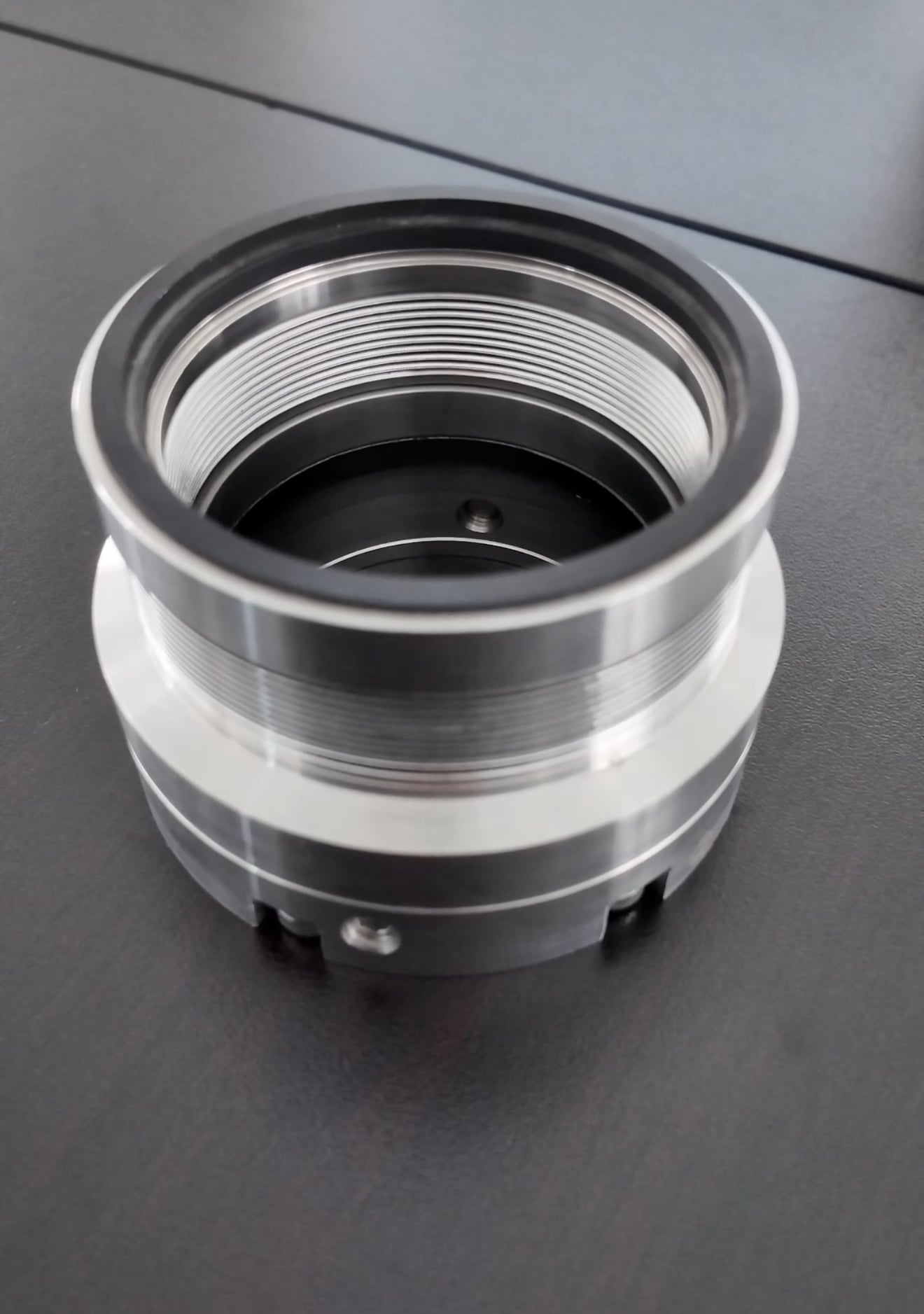
The Core Definition and Purpose of a Mechanical Seal
Defining What Is Mechanical Seal in Industrial Terms
At its most fundamental level, what is mechanical seal can be described as a device that creates a controlled interface between a rotating component and a fixed component to prevent the escape of process fluid. The seal is installed where the pump shaft exits the pump casing, a location known as the stuffing box or seal chamber. This zone is a critical boundary: on one side is pressurized fluid, and on the other is the external environment or atmosphere. The mechanical seal bridges this boundary with precision-engineered faces that spin together yet resist leakage at the same time.
Unlike older sealing methods such as packing glands, which rely on compressible fibrous material wrapped around the shaft, a mechanical seal uses flat, lapped faces that meet with extreme accuracy. The two primary faces are typically made from hard, low-friction materials such as silicon carbide, tungsten carbide, or carbon graphite. These materials are chosen for their ability to maintain flatness and resist wear under continuous rotation and fluid pressure. Understanding what is mechanical seal at this material level helps engineers specify the right configuration for their specific chemical and temperature conditions.
Secondary seals, such as O-rings or bellows, provide additional sealing between the seal faces and the shaft or housing. Springs or bellows also apply axial load to keep the faces in contact as they wear over time. Together, these components form a system where every element plays a role in maintaining the integrity of the seal throughout its service life. This system-level thinking is what separates a well-engineered mechanical seal from a simple gasket or packing arrangement.
How Mechanical Seals Differ from Traditional Packing
Before the widespread adoption of mechanical seals, pumps relied heavily on shaft packing — rings of braided or compressed material that were physically squeezed around the rotating shaft to slow fluid leakage. Packing was never truly leak-free; operators accepted a steady drip rate as a sign that the packing was being properly lubricated. This approach worked in many legacy applications but brought inherent limitations in terms of energy loss, shaft wear, and environmental compliance.
When comparing what is mechanical seal technology against traditional packing, the performance gap becomes clear. Mechanical seals can achieve near-zero leakage under normal operating conditions, dramatically reducing product loss and environmental contamination. They also exert far less friction on the rotating shaft, which translates into lower energy consumption over time. In applications involving hazardous, toxic, or expensive fluids, the ability to contain the process fluid almost completely is not just a performance advantage — it is often a regulatory requirement.
The trade-off is that mechanical seals require more precise installation and more careful selection of materials and configurations. They are more sensitive to misalignment, vibration, and dry running than packing. However, when installed correctly and matched to the right application, a mechanical seal will consistently outperform packing in durability, efficiency, and total cost of ownership over the pump's operating life.
Key Components That Make Up a Mechanical Seal
Primary Seal Faces and Their Material Choices
The heart of any mechanical seal is the pair of primary seal faces. These are the components that actually do the sealing work, and their material combination determines how well the seal handles the specific process fluid, temperature range, and operating speed. When evaluating what is mechanical seal design, the face material pairing is one of the first and most important decisions. A soft face paired with a hard face is the standard approach: the softer material, typically carbon graphite, conforms slightly to the harder counterface and self-laps over time to maintain flatness.
Silicon carbide is one of the most commonly used hard face materials due to its exceptional hardness, chemical resistance, and thermal conductivity. Tungsten carbide offers greater toughness and is preferred in abrasive slurry applications. For highly corrosive chemical environments, specialty ceramics or coated faces may be required. The selection process requires a careful review of the fluid's chemical compatibility, the operating pressure, the shaft speed, and the temperature range. Each of these variables influences how the faces perform and how long they will last.
The surface finish of the seal faces is equally critical. Seal faces are lapped to an optical flatness measured in helium light bands — a level of precision far beyond typical machining tolerances. This extreme flatness is what allows the thin fluid film to form and maintain the sealing function. Any contamination, impact, or thermal distortion that disrupts this flatness will compromise the seal's performance almost immediately. This is why proper handling and installation are inseparable from understanding what is mechanical seal reliability.
Secondary Seals, Springs, and the Supporting Hardware
Beyond the primary faces, a complete mechanical seal assembly includes secondary sealing elements, which prevent leakage along the shaft or inside the gland. These are typically elastomeric O-rings, V-rings, or in applications where elastomers are unsuitable, PTFE wedge rings or metal bellows. The choice of secondary seal material must be compatible with the process fluid and its temperature range — an O-ring that swells or degrades in the process fluid will cause premature failure regardless of how well the primary faces were selected.
Springs provide the axial closing force that keeps the rotating and stationary faces in contact throughout the operating cycle. Single coil springs offer simplicity and robustness for general-purpose applications. Multiple small springs distributed around the shaft circumference provide more uniform face loading and are preferred in higher-speed applications where balance and even pressure distribution matter. Metal bellows designs eliminate the spring entirely and use the flexibility of the bellows element to maintain face contact, which is particularly useful in applications involving solids or highly viscous fluids where springs might clog.
The gland plate or seal housing completes the assembly by providing a fixed, registered location for the stationary face. It also provides connection points for flush, quench, or cooling fluid lines when the application calls for them. A well-designed gland plate ensures that the stationary face is held square to the shaft axis, which is essential for maintaining even face contact. All of these components working together define what is mechanical seal as a system rather than a single part.
Why Every Pump Needs a Properly Selected Mechanical Seal
Protecting Process Fluid Integrity and Equipment Reliability
The most direct answer to why your pump needs a mechanical seal is containment. Pumps move fluids under pressure, and without an effective seal at the shaft exit, that fluid will find a way out. In process industries, the fluid being pumped is rarely plain water — it may be a chemical, a hydrocarbon, a pharmaceutical intermediate, or a food-grade product. Each of these fluids carries specific containment requirements that are both operational and regulatory. Understanding what is mechanical seal capability means understanding its role as the primary barrier between your process and the outside world.
From a reliability standpoint, a failing or improperly specified seal creates cascading problems. Leaking fluid can corrode pump casings and bearings, leading to costly secondary damage well beyond the seal itself. It can contaminate insulation or structural components, creating fire hazards in high-temperature or flammable fluid services. It can also trigger automatic shutdowns or require emergency maintenance interventions that disrupt production schedules. The cost of a failed seal is almost always far higher than the cost of selecting and maintaining the right seal from the beginning.
Pump reliability studies consistently show that seal failures are among the top causes of unplanned pump downtime in process plants. Investing in the correct mechanical seal specification, combined with proper installation and condition monitoring, can significantly extend mean time between repairs and reduce the total maintenance burden on your rotating equipment program. This is not a peripheral detail — it is central to any serious asset management strategy in industrial operations.
Meeting Safety and Environmental Compliance Standards
Modern industrial environments operate under increasingly strict environmental and safety regulations. Emissions standards for volatile organic compounds, hazardous fluid containment requirements, and workplace safety codes all place explicit demands on how pumps must be sealed. Knowing what is mechanical seal compliance means understanding how different seal configurations — single seals, double seals, tandem seals — map to regulatory requirements in your industry and jurisdiction.
A single mechanical seal with a flush arrangement may be sufficient for water or benign chemical service. However, for toxic, carcinogenic, or highly volatile fluids, double mechanical seals with a pressurized barrier fluid system are often mandated. These configurations ensure that even if the inboard seal fails, the barrier fluid — not the process fluid — is what escapes into the environment. This additional layer of protection is what allows facilities to meet fugitive emission standards and maintain safe working conditions around rotating equipment.
Documenting seal selection and configuration as part of a process safety management program also matters. Regulatory inspections often include review of seal type, barrier fluid specifications, and seal support system design. Facilities that have a clear, documented understanding of what is mechanical seal selection in their specific service conditions are better positioned to demonstrate compliance and avoid costly penalties or forced shutdowns. The mechanical seal is not just a component — it is part of the facility's safety infrastructure.
Common Failure Modes and How to Prevent Them
Understanding Why Mechanical Seals Fail Prematurely
Even a correctly specified mechanical seal can fail before its expected service life if installation, operating conditions, or maintenance practices are not aligned with the seal's design requirements. The most frequent causes of premature failure include dry running, cavitation, excessive vibration, and thermal shock. Each of these conditions introduces stress on the seal faces that goes beyond their design limits, leading to face damage, secondary seal degradation, or spring fatigue. Understanding what is mechanical seal failure at this level allows maintenance teams to diagnose problems accurately and prevent recurrence.
Dry running is particularly destructive. Mechanical seal faces depend on a thin film of process fluid for lubrication. When a pump runs without fluid — whether due to a closed suction valve, loss of prime, or end-of-batch conditions — the faces generate intense frictional heat that can crack, blister, or fuse the seal faces within seconds. Many seal failures attributed to 'defective seals' are actually the result of dry running events that went undetected. Installing low-flow protection devices or seal flush systems can prevent dry running damage and extend seal life significantly.
Vibration and misalignment are also major contributors to mechanical seal failure. Shaft runout, bearing wear, or poor pump-to-motor alignment causes the seal faces to experience dynamic loading that the seal was not designed to accommodate. This can result in face oscillation, opening and closing of the seal gap, and progressive wear that accelerates failure. Regular alignment checks and vibration monitoring are among the most effective tools for protecting mechanical seals in continuous-duty applications.
Best Practices for Extending Mechanical Seal Life
Preventing seal failure starts before the seal is even installed. Proper handling of seal components is essential — faces must never be touched with bare hands, dropped, or stored loosely where they can contact abrasive surfaces. Cleanroom handling procedures, appropriate tooling, and staged installation sequences all contribute to seating the seal correctly and avoiding startup damage. Training maintenance personnel on what is mechanical seal handling and installation is as important as selecting the right seal in the first place.
Seal flush plans, as defined by standards organizations in the fluid sealing industry, provide a systematic framework for managing the environment around the seal faces. Flush plans route clean fluid, cooled fluid, or external barrier fluid to the seal chamber in configurations tailored to the service conditions. For hot fluids, cooling the seal chamber reduces thermal stress. For dirty or abrasive fluids, a clean external flush prevents abrasive particles from reaching the seal faces. For toxic services, pressurized double seals provide the safety margin that the application demands.
Condition monitoring tools such as seal pot level indicators, pressure gauges on barrier systems, and vibration sensors on pump housings provide early warning signals of seal degradation before catastrophic failure occurs. A predictive maintenance approach that tracks these parameters allows planned seal replacements during scheduled shutdowns rather than emergency repairs during production runs. This shift from reactive to predictive maintenance is one of the highest-value outcomes of truly understanding what is mechanical seal management in a modern industrial setting.
FAQ
What is mechanical seal and how does it differ from a gasket?
A mechanical seal is a dynamic sealing device that prevents leakage between a rotating shaft and a stationary housing in a pump or similar rotating equipment. It consists of precision-lapped rotating and stationary faces held in contact under spring load. A gasket, by contrast, is a static sealing element used between two non-moving surfaces, such as a flange connection. The two technologies serve different purposes and are not interchangeable in rotating equipment applications.
How long does a mechanical seal typically last?
Service life depends heavily on the application conditions, fluid properties, operating speed, and how well the seal is matched to the service. In clean, non-abrasive fluid applications with stable operating conditions, a well-specified mechanical seal can last two to five years or longer between replacements. In abrasive, chemically aggressive, or thermally challenging services, seal life may be shorter. Proper installation, flush plan selection, and preventive maintenance practices are the primary drivers of extended seal life.
Can a mechanical seal be repaired, or does it need to be replaced?
In most cases, mechanical seals are replaced rather than field-repaired when they fail. However, in some industrial programs, worn seal components are reconditioned by relapping the seal faces and replacing secondary seals and springs. This is only practical when the seal hardware, such as the seal head and gland, remains dimensionally sound and undamaged. Reconditioning must be done with proper equipment and skill to restore the face flatness that what is mechanical seal performance depends on. For standard commercial seals, replacement is often more cost-effective than reconditioning.
What happens if the wrong mechanical seal is installed in a pump?
Installing an incorrectly specified mechanical seal can lead to rapid failure, process fluid leakage, and in serious cases, safety incidents. Common mismatches include incorrect face material for the process fluid, wrong elastomer compatibility, insufficient pressure rating, or incorrect shaft size. Even a correctly rated seal installed without following proper procedures can fail on startup. This is why the question of what is mechanical seal specification is taken seriously in engineering and procurement workflows — it directly affects both equipment reliability and workplace safety.