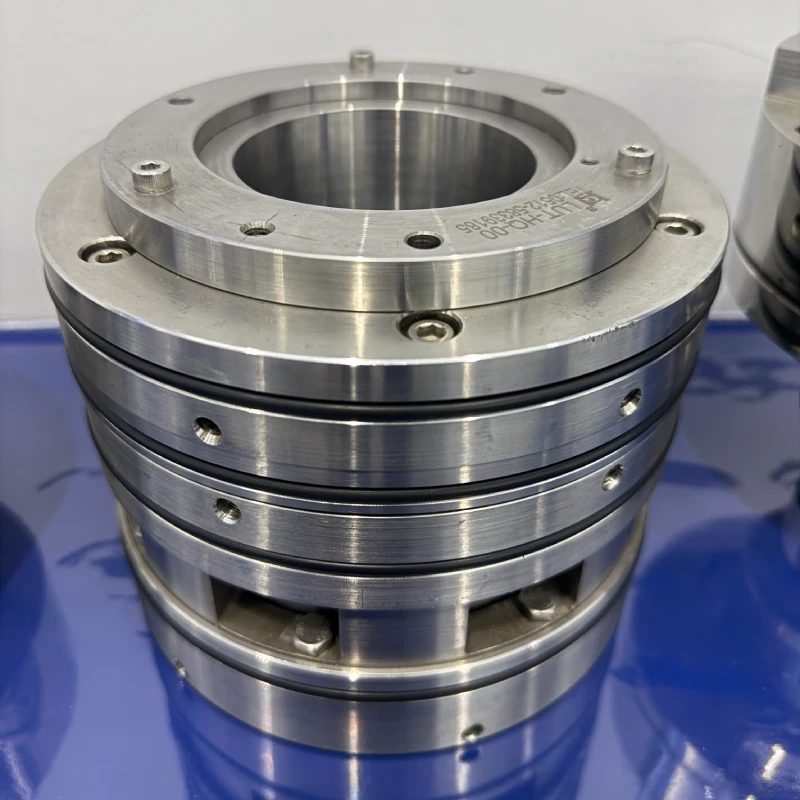

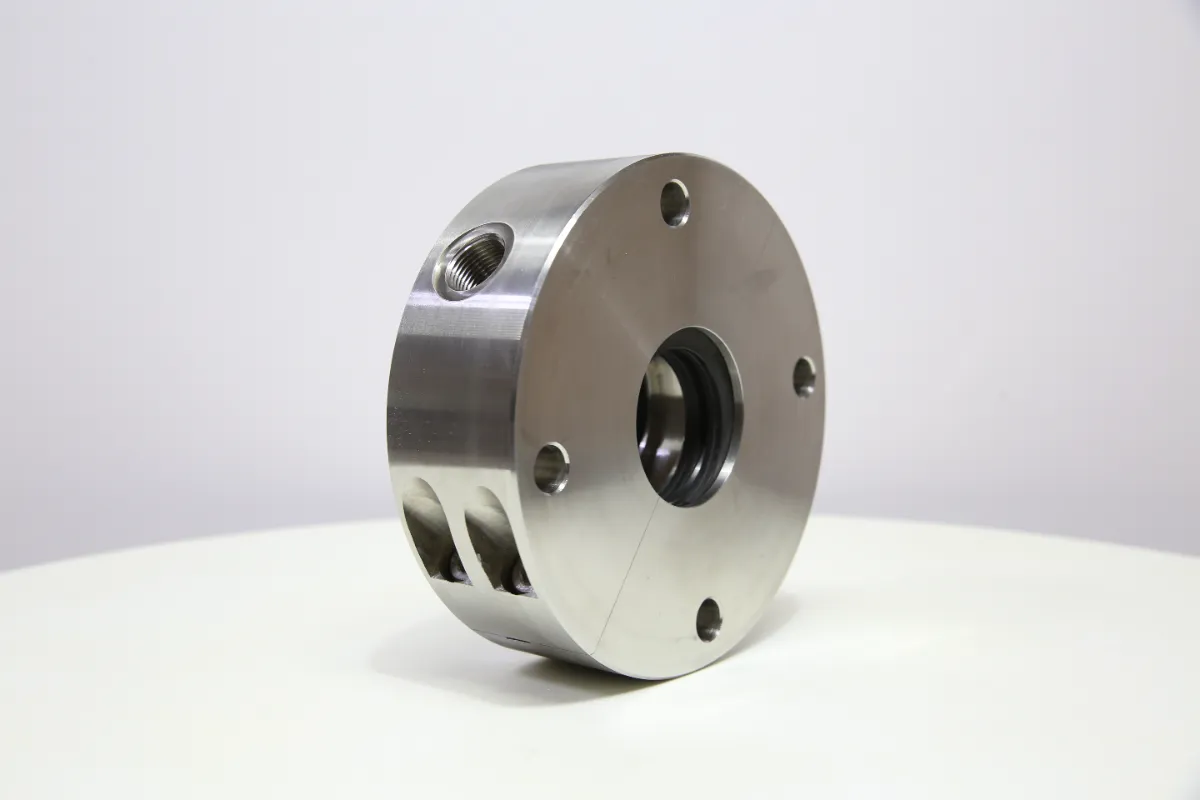
In modern industrial operations, the integrity of mechanical systems depends heavily on components that prevent leakage, contamination, and system failure. Among the most critical yet often underestimated elements are sealing solutions designed to maintain pressure boundaries, contain fluids, and protect sensitive equipment from environmental hazards. HQ seals represent a category of high-quality sealing products engineered specifically to meet the demanding requirements of industries where operational reliability, safety, and cost efficiency are paramount. These seals are not merely generic gaskets or O-rings; they are precision-manufactured components that integrate advanced materials, rigorous quality standards, and application-specific design principles to deliver consistent performance under extreme conditions. Understanding what defines HQ seals and recognizing why they are indispensable across diverse industrial sectors is essential for procurement managers, maintenance engineers, and operations directors seeking to optimize equipment longevity and minimize downtime.
Industries ranging from petrochemical processing and hydraulic machinery to aerospace, automotive manufacturing, and pharmaceutical production depend on sealing systems that can withstand high pressures, corrosive chemicals, temperature fluctuations, and constant mechanical stress. When sealing failures occur, the consequences can include costly production shutdowns, environmental contamination, safety hazards for personnel, regulatory penalties, and irreversible damage to expensive capital equipment. The demand for hq seals has grown in parallel with increasing operational complexities and stricter performance standards imposed by global industrial regulations. These seals are purpose-built to bridge the gap between standard off-the-shelf sealing products and fully custom-engineered solutions, offering an optimal balance of proven reliability, material compatibility, and adaptability to specific operating environments. By examining the defining characteristics of hq seals and exploring the tangible reasons industries cannot afford to overlook them, this article provides a comprehensive foundation for making informed decisions about sealing technology investments.

Defining Characteristics and Material Composition of HQ Seals
Precision Engineering and Manufacturing Standards
The term hq seals inherently implies adherence to elevated manufacturing and quality control standards that distinguish these products from commodity-grade sealing components. Precision engineering begins with tight dimensional tolerances, often measured in fractions of a millimeter, to ensure that seals fit perfectly within their designated grooves, housings, or mating surfaces. This precision is critical because even minor deviations can lead to improper compression, uneven load distribution, or gaps that allow fluid or gas leakage. HQ seals are produced using advanced molding, extrusion, or machining techniques that maintain consistency across large production batches, reducing variability and ensuring that each seal performs identically under specified conditions. Quality control protocols typically include automated inspection systems, pressure testing, material verification, and compliance with international standards such as ISO 9001, ASTM specifications, or industry-specific certifications like API or FDA approvals.
Beyond dimensional accuracy, hq seals incorporate design features that enhance functionality and durability. These may include optimized cross-sectional profiles to improve sealing efficiency under dynamic or static conditions, reinforced structures to resist extrusion under high pressure, and surface treatments that enhance compatibility with aggressive media. The manufacturing process often involves multi-stage curing or vulcanization procedures to achieve desired hardness, elasticity, and chemical resistance properties. Unlike generic seals that may be mass-produced with minimal attention to application-specific requirements, hq seals are engineered with a clear understanding of the operational environment they will encounter, including fluid types, temperature ranges, pressure cycles, and mechanical movements. This level of engineering rigor ensures that hq seals deliver predictable, long-term performance rather than merely meeting minimum functional thresholds.
Advanced Material Selection for Diverse Applications
Material composition is a fundamental factor that separates hq seals from standard sealing products. These seals are formulated using high-performance elastomers, thermoplastics, and composite materials selected for their ability to withstand specific chemical exposures, temperature extremes, and mechanical stresses. Common materials used in hq seals include nitrile rubber (NBR) for general-purpose hydraulic applications, fluorocarbon elastomers (FKM/Viton) for chemical and high-temperature resistance, polytetrafluoroethylene (PTFE) for ultra-low friction and broad chemical compatibility, and polyurethane for abrasion resistance in dynamic sealing scenarios. Each material exhibits unique properties such as compression set resistance, tensile strength, elongation capacity, and compatibility with oils, solvents, acids, or alkalis, making material selection a critical decision point in seal specification.
In addition to base polymer selection, hq seals often incorporate additives and fillers that enhance specific performance attributes. Carbon black or silica fillers improve tensile strength and tear resistance, while antioxidants and stabilizers extend service life by protecting against thermal degradation and oxidative aging. Some hq seals utilize fiber reinforcement or fabric backing to increase structural integrity and prevent extrusion in high-pressure environments. The ability to customize material formulations allows manufacturers of hq seals to address niche industrial requirements, such as food-grade compliance for pharmaceutical or beverage processing, low outgassing for vacuum or aerospace applications, or flame-retardant properties for safety-critical installations. This material versatility ensures that hq seals can be matched precisely to the operational demands of each application, reducing the risk of premature failure and optimizing total cost of ownership.
Compliance with Industry Standards and Certifications
Another defining characteristic of hq seals is their alignment with recognized industry standards and regulatory requirements. Many industrial sectors operate under stringent safety, environmental, and quality mandates that necessitate the use of certified sealing components. HQ seals are routinely tested and certified to meet standards such as ISO 3601 for O-rings, SAE J200 for automotive elastomers, ASTM D2000 for rubber materials, or ASME Boiler and Pressure Vessel Code requirements for pressure equipment. Compliance with these standards provides assurance that the seals have undergone rigorous material testing, performance validation, and traceability documentation. For industries such as oil and gas, pharmaceutical manufacturing, or nuclear power, the use of non-compliant seals can result in operational shutdowns, regulatory fines, or catastrophic safety incidents.
Certification extends beyond material properties to encompass manufacturing processes and quality management systems. Producers of hq seals typically maintain ISO 9001 quality management certification, ISO 14001 environmental management certification, and industry-specific approvals such as FDA 21 CFR 177.2600 for food contact applications or ATEX certification for explosive atmospheres. Traceability is a key component of compliance, with each batch of hq seals accompanied by material certificates, test reports, and lot identification to enable root cause analysis in the event of a field failure. This comprehensive approach to certification and documentation supports proactive maintenance strategies, facilitates regulatory audits, and reinforces the reputation of hq seals as reliable, accountable components within critical industrial systems.
Critical Roles of HQ Seals in Industrial Operations
Prevention of Fluid Leakage and System Contamination
One of the most fundamental roles that hq seals fulfill in industrial settings is the prevention of fluid leakage from pressurized systems. Whether the fluid is hydraulic oil, process chemicals, refrigerants, or steam, any unintended escape can lead to loss of system efficiency, environmental contamination, and safety hazards. HQ seals create reliable barriers at interfaces between moving or stationary components, such as cylinder rods, valve stems, pump shafts, and flange connections. By maintaining consistent contact pressure and conforming to surface irregularities, these seals prevent both internal and external leakage, ensuring that fluids remain within their intended pathways and that system performance remains stable over time.
Equally important is the role of hq seals in preventing contamination from external sources. Industrial equipment often operates in harsh environments where dust, moisture, abrasive particles, or corrosive gases can infiltrate sealing interfaces and compromise internal components. HQ seals act as protective barriers that exclude contaminants while maintaining the integrity of internal lubricants and process fluids. This dual function of containing internal fluids and excluding external contaminants is critical in applications such as hydraulic cylinders in construction machinery, gearboxes in wind turbines, and bearing assemblies in food processing equipment. The ability of hq seals to perform this role reliably under varying pressures, temperatures, and mechanical movements directly impacts equipment uptime, maintenance costs, and operational safety.
Extending Equipment Lifespan and Reducing Maintenance Costs
The use of hq seals contributes significantly to extending the operational lifespan of industrial equipment by minimizing wear, corrosion, and mechanical damage. When seals fail prematurely, the resulting leakage can lead to fluid starvation, increased friction, overheating, and accelerated wear of bearings, pistons, and other precision components. By contrast, high-quality seals maintain proper lubrication, prevent abrasive particle ingress, and reduce the frequency of component replacement. This protective function translates into lower total cost of ownership, as equipment can operate longer between overhauls and capital-intensive machinery can achieve or exceed its designed service life without unplanned failures.
Maintenance cost reduction is another compelling reason industries invest in hq seals. Unplanned downtime resulting from seal failure can cost thousands or even millions of dollars per hour in lost production, emergency repairs, and safety incident response. By deploying hq seals that are engineered for durability and reliability, maintenance teams can shift from reactive repair strategies to predictive maintenance schedules, planning seal replacement during scheduled shutdowns rather than responding to emergency breakdowns. The consistency and traceability of hq seals also simplify inventory management and spare parts procurement, reducing the risk of installing incorrect or substandard seals during repairs. Over the lifecycle of industrial assets, the cumulative savings from reduced maintenance interventions, extended component life, and avoided downtime can far exceed the incremental cost premium associated with specifying hq seals over generic alternatives.
Ensuring Operational Safety and Regulatory Compliance
Safety is a non-negotiable priority in industries such as petrochemical processing, pharmaceutical manufacturing, and energy generation, where seal failures can result in hazardous material releases, fires, explosions, or worker injuries. HQ seals are designed to operate reliably under the most demanding safety-critical conditions, providing dependable containment of flammable, toxic, or corrosive substances. In applications such as pressure relief valves, pipeline flanges, and reactor vessels, the integrity of hq seals directly influences the ability to prevent catastrophic incidents and protect personnel, assets, and surrounding communities. The use of certified and traceable seals also supports compliance with occupational safety regulations such as OSHA standards in the United States or REACH and ATEX directives in Europe.
Regulatory compliance extends to environmental protection, with industries facing increasing scrutiny over emissions, spills, and waste generation. HQ seals help organizations meet environmental regulations by preventing fugitive emissions of volatile organic compounds (VOCs), reducing the risk of soil or water contamination from leaked chemicals, and minimizing waste generation through improved equipment reliability. Many regulatory frameworks, such as the EPA's Clean Air Act in the United States or the European Union's Industrial Emissions Directive, mandate the use of best available technologies to minimize environmental impact, and the deployment of high-quality sealing systems is a key component of such strategies. By investing in hq seals, industries demonstrate due diligence, reduce liability exposure, and enhance their corporate reputation as responsible operators committed to sustainable practices.
Application-Specific Benefits Across Industrial Sectors
Hydraulic and Pneumatic Systems
Hydraulic and pneumatic systems are ubiquitous across industrial sectors, powering everything from construction equipment and manufacturing machinery to aerospace actuators and marine propulsion systems. In these applications, hq seals must withstand cyclic pressure variations, rapid temperature changes, and continuous dynamic motion while maintaining leak-free operation. Hydraulic seals, such as piston seals, rod seals, and wiper seals, are exposed to high-pressure hydraulic fluids that can reach temperatures exceeding 100 degrees Celsius and pressures above 400 bar. HQ seals designed for hydraulic applications incorporate materials with excellent compression set resistance, low friction coefficients to minimize energy loss, and robust extrusion resistance to prevent seal damage under pressure spikes.
Pneumatic systems, while operating at lower pressures than hydraulic systems, present unique challenges related to high-speed reciprocating motion and compressed air purity. HQ seals used in pneumatic cylinders, air compressors, and control valves must exhibit low breakaway friction to enable smooth actuation, excellent resilience to accommodate rapid cycling, and compatibility with lubricants or dry air environments. The reliability of hq seals in these systems directly impacts productivity, energy efficiency, and equipment availability. In industries such as automotive assembly, semiconductor fabrication, and food packaging, where pneumatic automation drives throughput and precision, the choice of sealing technology is a critical determinant of overall system performance and competitiveness.
Chemical Processing and Pharmaceutical Manufacturing
Chemical processing and pharmaceutical manufacturing environments expose seals to aggressive chemicals, solvents, acids, and sanitizing agents that can rapidly degrade inferior sealing materials. HQ seals formulated for these industries utilize chemically resistant elastomers such as perfluoroelastomers (FFKM), ethylene propylene diene monomer (EPDM), or PTFE, which maintain their mechanical properties and sealing integrity even after prolonged contact with harsh media. In addition to chemical resistance, these seals must meet stringent purity and cleanliness standards, often requiring compliance with FDA regulations for food and drug contact or USP Class VI biocompatibility testing for medical applications. The absence of extractables and leachables is critical to prevent product contamination and ensure consistent batch quality.
In pharmaceutical manufacturing, the integrity of hq seals is directly linked to product safety and regulatory approval. Seals used in bioreactors, sterile filling lines, and aseptic processing equipment must withstand repeated steam sterilization cycles, exposure to cleaning-in-place (CIP) and sterilization-in-place (SIP) protocols, and compatibility with a wide range of active pharmaceutical ingredients. The use of traceable, certified hq seals simplifies validation processes and supports Good Manufacturing Practice (GMP) compliance. Similarly, in chemical processing plants handling corrosive or hazardous substances, the reliability of hq seals in pumps, reactors, and piping systems is essential to prevent environmental releases, protect worker health, and maintain continuous production. The investment in high-quality sealing technology pays dividends through reduced downtime, lower risk of regulatory violations, and enhanced operational safety.
Automotive and Aerospace Engineering
The automotive and aerospace industries demand sealing solutions that combine lightweight construction, high performance, and exceptional reliability under extreme conditions. In automotive applications, hq seals are integral to engine systems, transmissions, fuel systems, braking systems, and emission control devices. These seals must withstand rapid temperature fluctuations, exposure to fuels and lubricants, and millions of operational cycles without failure. For example, crankshaft seals prevent oil leakage from the engine block, valve stem seals control oil consumption and emissions, and transmission seals maintain hydraulic pressure for smooth gear shifting. The use of hq seals in these critical locations ensures vehicle reliability, fuel efficiency, and compliance with increasingly stringent emissions standards such as Euro 6 or EPA Tier 3.
Aerospace applications impose even more rigorous demands on sealing technology due to the extreme altitudes, temperature ranges, and safety-critical nature of flight systems. HQ seals used in aircraft hydraulic actuators, fuel systems, landing gear, and environmental control systems must meet strict performance specifications, undergo extensive qualification testing, and maintain traceability throughout their service life. Materials such as fluorosilicone and low-temperature-rated fluorocarbons are commonly employed to ensure functionality across the wide temperature range experienced during flight operations, from sub-zero conditions at cruise altitude to high temperatures near engine compartments. The aerospace industry's zero-tolerance approach to component failure underscores the indispensability of hq seals in ensuring passenger safety, mission success, and regulatory compliance with standards such as FAA or EASA certifications.
Economic and Strategic Value of Investing in HQ Seals
Total Cost of Ownership Analysis
When evaluating sealing solutions, a comprehensive total cost of ownership (TCO) analysis reveals that hq seals often deliver superior economic value compared to lower-cost alternatives. While the initial purchase price of hq seals may be higher than generic or commodity-grade seals, the long-term benefits include extended service life, reduced maintenance frequency, lower risk of catastrophic failures, and minimized downtime. For example, a hydraulic cylinder seal that costs twice as much but lasts three times longer represents a significant net savings when factoring in labor costs for seal replacement, equipment downtime during maintenance, and the risk of secondary damage from premature seal failure. Similarly, the use of chemically resistant hq seals in corrosive environments can prevent costly equipment corrosion and contamination incidents that far outweigh the incremental seal cost.
TCO analysis should also account for indirect costs such as energy efficiency, environmental compliance, and brand reputation. HQ seals with low friction properties reduce energy consumption in hydraulic and pneumatic systems, translating into ongoing operational savings. Seals that prevent fugitive emissions help avoid regulatory fines and environmental remediation costs. Furthermore, the reliability associated with hq seals enhances customer satisfaction, reduces warranty claims, and strengthens brand reputation in competitive markets. By adopting a TCO mindset rather than focusing solely on unit price, procurement and engineering teams can make informed decisions that align with long-term business objectives and maximize return on investment.
Risk Mitigation and Business Continuity
Industries operating in high-stakes environments recognize that seal failures pose significant risks to business continuity, safety, and financial performance. The deployment of hq seals represents a proactive risk mitigation strategy that reduces the likelihood of unplanned shutdowns, safety incidents, and reputational damage. In sectors such as oil and gas, a single seal failure in a critical pipeline or wellhead can result in production losses, environmental cleanup costs, regulatory penalties, and legal liabilities totaling millions of dollars. By contrast, investing in proven, certified hq seals minimizes these risks and provides greater predictability in operational planning and financial forecasting.
Business continuity planning increasingly incorporates component reliability as a key factor in maintaining competitive advantage. Companies that experience frequent equipment failures due to substandard sealing components face challenges in meeting delivery commitments, maintaining product quality, and retaining customer trust. Conversely, organizations that prioritize the use of hq seals benefit from higher equipment availability, consistent production output, and the ability to operate in demanding markets where reliability is a key differentiator. This strategic advantage extends to supply chain resilience, as the traceability and quality assurance associated with hq seals facilitate rapid troubleshooting and root cause analysis in the event of unexpected issues, enabling faster recovery and continuous improvement.
Supporting Innovation and Advanced Technologies
As industries evolve toward greater automation, digitalization, and sustainability, the role of hq seals in enabling advanced technologies becomes increasingly important. Emerging applications such as electric vehicle battery cooling systems, hydrogen fuel cells, renewable energy hydraulics, and high-precision robotics demand sealing solutions that can operate reliably under novel conditions and integrate with complex system architectures. HQ seals designed for these applications incorporate cutting-edge materials, innovative geometries, and compatibility with new fluids or operating environments, supporting the transition to next-generation industrial systems.
The innovation potential of hq seals extends to smart manufacturing and Industry 4.0 initiatives. Seal manufacturers are increasingly integrating condition monitoring capabilities, such as embedded sensors or RFID tags, to enable predictive maintenance and real-time performance tracking. This convergence of mechanical sealing technology with digital intelligence enhances operational visibility, reduces maintenance costs, and supports data-driven decision-making. By investing in hq seals that align with strategic technology roadmaps, industries position themselves to capitalize on emerging opportunities, maintain competitiveness, and achieve sustainability goals such as reduced energy consumption, lower emissions, and extended equipment lifecycles.
FAQ
What distinguishes hq seals from standard sealing products?
HQ seals are differentiated by their adherence to elevated manufacturing standards, precision engineering, advanced material formulations, and compliance with industry-specific certifications. Unlike generic seals that may prioritize cost over performance, hq seals are designed with application-specific requirements in mind, incorporating tight dimensional tolerances, rigorous quality control, and materials optimized for chemical resistance, temperature extremes, and mechanical durability. This results in longer service life, greater reliability, and better overall performance in demanding industrial environments.
In which industries are hq seals most commonly used?
HQ seals are widely used across diverse industries including hydraulic and pneumatic systems in manufacturing and construction, chemical processing and pharmaceutical manufacturing, automotive and aerospace engineering, oil and gas exploration and production, food and beverage processing, renewable energy systems such as wind turbines and solar thermal plants, and heavy machinery in mining and agriculture. Any sector where equipment reliability, safety, and regulatory compliance are critical can benefit from the use of hq seals.
How do hq seals contribute to cost savings despite higher initial prices?
While hq seals may have higher upfront costs compared to standard seals, they deliver significant cost savings through extended service life, reduced maintenance frequency, lower risk of equipment damage from seal failure, minimized downtime, improved energy efficiency due to lower friction, and avoidance of regulatory penalties and environmental cleanup costs. A total cost of ownership analysis typically reveals that hq seals provide superior economic value over the lifecycle of industrial equipment, making them a cost-effective investment for long-term operational success.
What certifications should be considered when selecting hq seals?
When selecting hq seals, it is important to verify compliance with relevant industry standards and certifications such as ISO 3601 for O-rings, ASTM D2000 for rubber materials, SAE J200 for automotive applications, FDA 21 CFR 177.2600 for food contact, USP Class VI for biocompatibility, API specifications for oil and gas equipment, and ISO 9001 for quality management systems. Additionally, certifications such as ATEX for explosive atmospheres, REACH for chemical compliance, and ASME Boiler and Pressure Vessel Code for pressure equipment may be required depending on the specific application and regulatory environment.