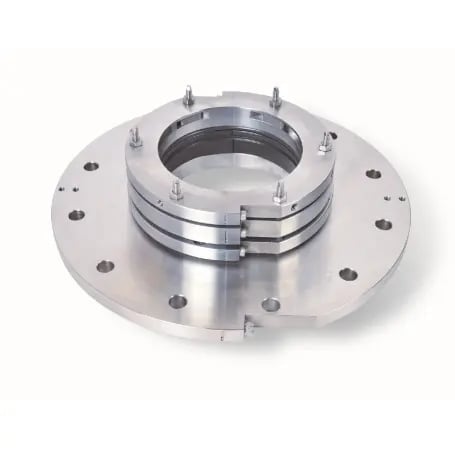

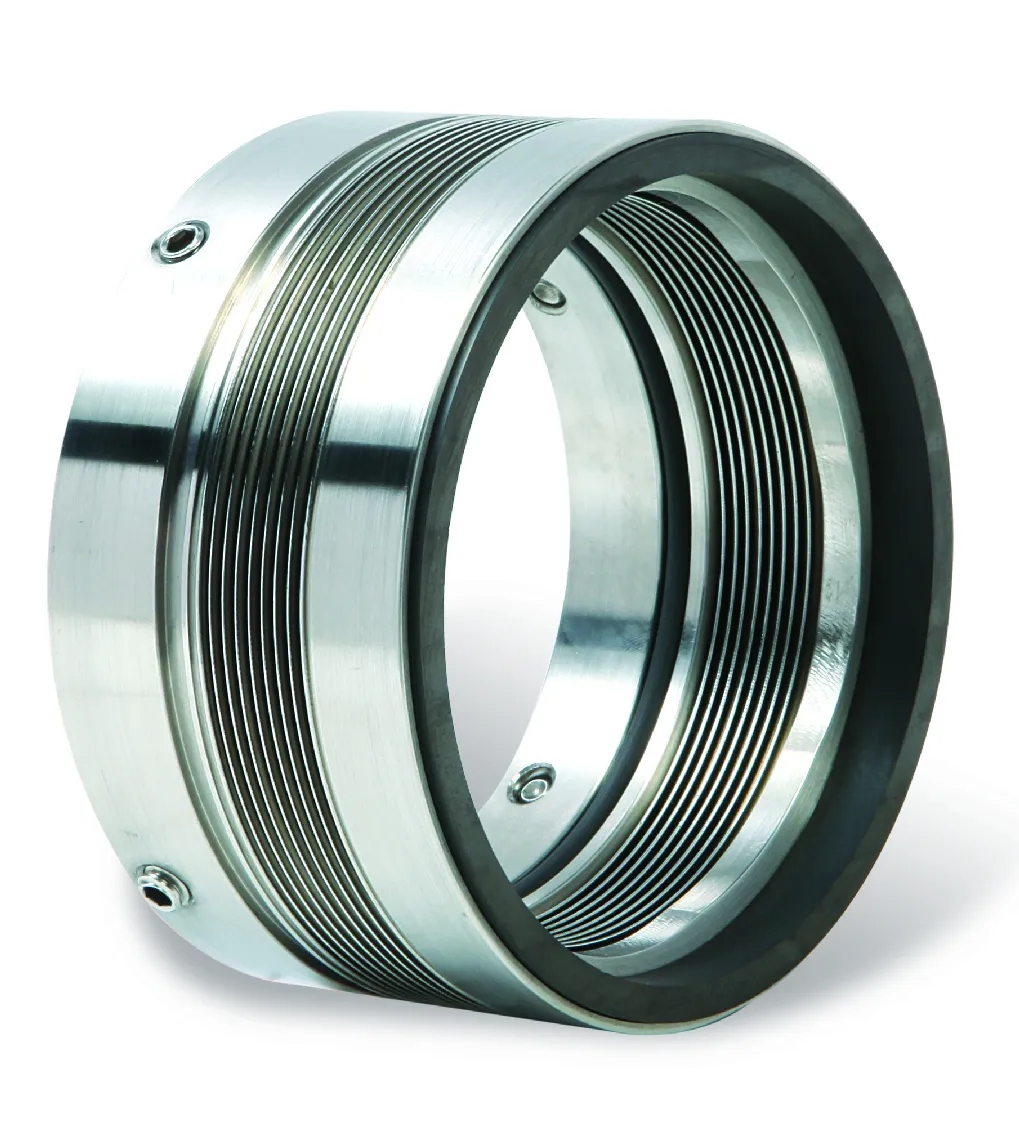
Industrial operators face ongoing challenges in maintaining pump reliability, minimizing downtime, and ensuring safe fluid handling across demanding applications. Traditional component mechanical seals, while functional, often introduce complexity during installation, require precise alignment, and demand specialized expertise that increases maintenance costs and operational risks. Cartridge mechanical seals have emerged as a transformative solution, offering operators a pre-assembled, self-contained sealing system that addresses these critical pain points while delivering measurable performance and economic advantages across diverse industrial environments.
Understanding the specific advantages that cartridge mechanical seals provide to operators requires examining both the technical design features and the practical operational benefits they deliver. From installation simplicity and reduced maintenance requirements to enhanced safety protocols and total cost of ownership improvements, these advanced sealing solutions fundamentally change how industrial facilities approach rotating equipment reliability. This comprehensive analysis explores why operators across chemical processing, petroleum refining, power generation, and other critical industries increasingly specify cartridge mechanical seals as their preferred sealing technology.

Simplified Installation Process and Reduced Labor Requirements
Pre-Assembled Design Eliminates Complex Setup Procedures
The most immediate advantage cartridge mechanical seals offer operators is the dramatic simplification of installation procedures. Unlike component seals that require operators to assemble multiple individual parts on the pump shaft, cartridge mechanical seals arrive as a complete, pre-assembled unit with all components already positioned and secured. This factory-assembled configuration eliminates the need for field measurement, component selection, and precision assembly that characterizes traditional seal installation. Operators simply remove the old seal cartridge and slide the new unit into position, reducing installation time from hours to minutes in many applications.
This pre-assembly approach also eliminates the risk of improper component selection or incorrect assembly sequence that frequently causes premature seal failure with component designs. The manufacturer validates all dimensional specifications, material compatibility, and component interactions under controlled factory conditions, ensuring that every cartridge mechanical seal unit meets exact performance standards before shipment. Operators benefit from this quality assurance, knowing that installation errors related to component mismatch or assembly mistakes have been effectively eliminated from the maintenance process.
Elimination of Critical Shaft Measurements and Alignment Tasks
Traditional component seal installation requires operators to take precise shaft measurements, calculate proper seal face positioning, and ensure exact perpendicularity between seal faces and shaft centerlines. These measurement and alignment tasks demand specialized tools, extensive training, and significant time investment. Cartridge mechanical seals eliminate these requirements entirely through self-contained gland plate designs that automatically position all seal components at factory-specified dimensions. The gland plate acts as a rigid reference frame that maintains proper seal face alignment regardless of operator skill level or installation conditions.
This built-in alignment capability proves particularly valuable in field service situations where environmental conditions, limited access, or time pressure compromise the ability to perform precision measurements. Operators working in remote locations, confined spaces, or emergency repair scenarios benefit from the simplified installation protocol that cartridge mechanical seals enable. The reduction in required technical expertise also expands the pool of qualified personnel who can perform seal replacement, improving maintenance flexibility and reducing dependency on specialized seal technicians for routine service work.
Reduced Installation Time Translates to Lower Downtime Costs
The installation time advantage that cartridge mechanical seals provide directly impacts operational economics through reduced equipment downtime. In critical process applications where every hour of pump unavailability represents significant production losses, the ability to complete seal replacement in a fraction of traditional timeframes delivers substantial financial benefits. Operators can schedule maintenance activities within shorter process windows, minimize disruption to production schedules, and respond more quickly to unexpected seal failures that require emergency intervention.
Quantitative studies across various industries document installation time reductions ranging from fifty to seventy-five percent when operators transition from component seals to Cartridge Mechanical Seals. These time savings multiply across facilities with numerous pumps requiring periodic seal service, generating annual maintenance hour reductions that translate into lower labor costs, improved maintenance crew productivity, and enhanced overall equipment effectiveness metrics. The economic value of this advantage becomes particularly pronounced in continuous process industries where production downtime costs can exceed thousands of dollars per hour.
Enhanced Safety for Maintenance Personnel and Operating Environment
Minimized Exposure to Hazardous Process Fluids
Safety represents a paramount concern for operators handling pumps that contain corrosive, toxic, flammable, or otherwise hazardous process fluids. Cartridge mechanical seals significantly reduce personnel exposure risks through their sealed containment design that prevents contact with residual process media during removal and installation. Unlike component seals that often leave shaft sleeves, seal chambers, and internal components contaminated with process fluids requiring careful cleaning before handling, cartridge mechanical seals encapsulate these elements within the gland plate assembly, creating a barrier between operators and potentially dangerous substances.
This containment advantage proves especially critical in chemical processing applications involving carcinogenic compounds, high-temperature fluids, or substances requiring specialized protective equipment for safe handling. Operators can remove spent cartridge mechanical seals with minimal direct contact with contaminated surfaces, reducing the need for extensive decontamination procedures and lowering the risk of chemical exposure incidents. The improved safety profile supports regulatory compliance with occupational health standards while demonstrating organizational commitment to worker protection that enhances workplace culture and employee satisfaction.
Elimination of Seal Setting and Compression Errors
Improper seal face compression during installation represents a common failure mode with component mechanical seals that can create safety hazards beyond premature seal failure. Over-compression can cause excessive heat generation, seal face fracture, or catastrophic seal failure during operation, while under-compression allows excessive leakage that may violate environmental regulations or create hazardous conditions. Cartridge mechanical seals eliminate these risks through factory-preset compression settings that automatically establish correct seal face loading when operators tighten the gland plate to specified torque values.
This preset compression feature removes human judgment and measurement accuracy from the critical seal loading process, ensuring that every installation achieves the manufacturer's intended seal face contact pressure. Operators gain confidence that seal performance will match design specifications without requiring specialized compression measurement tools or extensive training in seal face loading principles. The consistency this approach provides contributes to predictable seal life, reduced failure frequency, and elimination of safety incidents related to improper seal compression that might otherwise compromise process containment integrity.
Reduced Risk of Equipment Damage During Maintenance
The simplified handling characteristics of cartridge mechanical seals also protect expensive pump components from damage during maintenance activities. Component seal installation requires operators to work directly on pump shafts, shaft sleeves, and seal chambers with tools that can inadvertently scratch precision surfaces, damage threads, or distort critical dimensions. These installation-related damages often go unnoticed until subsequent seal failures occur, creating cascading reliability problems that extend beyond the seal itself to affect bearings, impellers, and other pump elements.
Cartridge mechanical seals minimize these risks by reducing tool contact with critical pump surfaces and eliminating many manual handling steps that create damage opportunities. The gland plate design shields shaft surfaces during installation, while the pre-assembled configuration eliminates the need for operators to handle fragile seal faces, springs, and other delicate components that component designs expose to potential damage. This protective advantage translates into longer pump service life, reduced bearing replacement frequency, and lower overall maintenance costs that extend well beyond the seal system itself.
Operational Reliability and Performance Consistency
Factory Testing and Quality Validation Before Shipment
Cartridge mechanical seals undergo comprehensive factory testing and performance validation before shipment, providing operators with assurance that every unit meets stringent quality standards. Manufacturers typically pressure test assembled cartridge units, verify seal face flatness and surface finish, confirm proper spring compression, and validate all dimensional specifications under controlled laboratory conditions. This quality control process identifies manufacturing defects, assembly errors, or component variations before units reach customer facilities, eliminating the field failures that would otherwise result from these issues.
The testing advantage contrasts sharply with component seal installations where performance validation occurs only after field assembly under potentially suboptimal conditions. Operators installing component seals essentially perform quality control during the installation process itself, discovering assembly problems only when the pump returns to service and seal performance falls short of expectations. The factory testing that cartridge mechanical seals receive shifts this quality validation responsibility back to the manufacturer, ensuring that operators receive proven, ready-to-install units that deliver predictable performance from first startup.
Consistent Performance Through Standardized Assembly Processes
Beyond initial quality testing, the standardized manufacturing and assembly processes that cartridge mechanical seals undergo create performance consistency that operators cannot achieve with field-assembled component designs. Factory assembly occurs in controlled environments using calibrated tooling, trained technicians, and documented procedures that eliminate the variability inherent in field installation practices. This manufacturing discipline ensures that seal face alignment, spring compression, secondary seal positioning, and all other critical parameters fall within tight specification ranges for every unit produced.
Operators benefit from this consistency through predictable seal life, uniform performance characteristics across multiple installations, and simplified spare parts management. When cartridge mechanical seals deliver consistent performance regardless of which maintenance technician performs installation or under what field conditions replacement occurs, operators gain confidence in maintenance planning, can accurately forecast seal replacement intervals, and avoid the unexpected failures that result from installation quality variations. This performance predictability supports proactive maintenance strategies that optimize resource allocation and minimize reactive emergency repairs.
Reduced Sensitivity to Installation Technique Variations
Component mechanical seal performance depends heavily on installer skill, experience, and adherence to proper procedures during field assembly. Even minor deviations in measurement accuracy, component alignment, or compression settings can significantly impact seal life and reliability. Cartridge mechanical seals dramatically reduce this installation sensitivity through their self-contained design that automatically establishes critical dimensions and component relationships. This fault-tolerant characteristic enables operators to achieve consistent results even with less experienced maintenance personnel or under challenging field conditions.
The reduced skill dependency that cartridge mechanical seals offer proves particularly valuable for facilities operating in remote locations, managing multiple sites with varying maintenance capabilities, or experiencing high technician turnover that makes maintaining specialized expertise difficult. Operators can deploy cartridge mechanical seals across diverse facility locations with confidence that installation quality will remain acceptable regardless of local maintenance competencies. This flexibility supports standardization initiatives, simplifies training requirements, and reduces the operational risk associated with dependency on scarce specialized skills for critical maintenance tasks.
Total Cost of Ownership Advantages Over Equipment Lifecycle
Lower Inventory and Spare Parts Management Complexity
Spare parts inventory management represents a significant operational challenge for facilities maintaining numerous pumps with component mechanical seals. Each component seal requires separate inventory of seal faces, springs, sleeves, gaskets, and other elements in multiple sizes, materials, and configurations. This inventory complexity consumes warehouse space, ties up working capital, and creates parts obsolescence risks when equipment specifications change or manufacturers discontinue components. Cartridge mechanical seals simplify this inventory challenge by consolidating multiple individual components into single stock-keeping units that contain everything required for complete seal replacement.
The inventory reduction that cartridge mechanical seals enable extends beyond simple parts count to include reduced inventory carrying costs, lower obsolescence losses, and simplified procurement processes. Operators can maintain smaller total inventories while actually improving parts availability for critical equipment, since each cartridge unit represents a complete ready-to-install assembly rather than a collection of components that may be incomplete when emergency needs arise. This inventory efficiency delivers working capital benefits while reducing the warehouse space and inventory management labor required to support seal maintenance programs across facilities with diverse pump populations.
Extended Mean Time Between Maintenance Interventions
The installation quality consistency and factory testing that cartridge mechanical seals receive contribute to extended operational life compared to component seals subject to field assembly variations. Industry experience across numerous applications documents seal life improvements ranging from twenty to fifty percent when operators transition from component to cartridge designs, with the greatest gains occurring in applications where installation technique variations previously caused premature component seal failures. These life extension benefits directly reduce the frequency of maintenance interventions required over pump operating lifecycles.
Reduced maintenance frequency generates multiple economic benefits beyond obvious labor savings. Fewer seal replacements mean less production disruption, reduced spare parts consumption, and lower cumulative risk of installation-related damage to pump components. The extended mean time between failures that cartridge mechanical seals provide also enables operators to shift maintenance strategies from reactive failure response toward planned preventive maintenance scheduled during convenient production windows, improving overall maintenance effectiveness and reducing the premium costs associated with emergency repair situations that require overtime labor or expedited parts procurement.
Training and Skill Development Cost Reductions
The simplified installation procedures that cartridge mechanical seals enable reduce the training investment required to maintain competent maintenance workforces. Component seal installation demands comprehensive training covering measurement techniques, assembly sequences, alignment procedures, and troubleshooting methods that require significant time investment and ongoing skill reinforcement to maintain proficiency. Cartridge mechanical seals reduce these training requirements substantially, enabling operators to qualify maintenance personnel for seal replacement tasks through abbreviated training programs focused on basic installation procedures rather than complex technical skills.
This training efficiency proves particularly valuable for facilities experiencing workforce turnover, expanding operations to new locations, or managing maintenance contractors who require qualification for work on critical equipment. The reduced training burden lowers the total cost of maintaining qualified maintenance capabilities while simultaneously expanding the pool of personnel who can perform seal replacement work. Operators gain maintenance flexibility without proportional increases in training costs, supporting workforce agility that improves response capability for both planned and emergency maintenance situations across facility operations.
Compatibility with Modern Sealing Technologies and Environmental Requirements
Integration with Advanced Seal Support Systems
Modern industrial applications increasingly require sophisticated seal support systems including dual pressurized seals, quench systems, barrier fluid circulation, and condition monitoring capabilities that enhance reliability in demanding services. Cartridge mechanical seals provide ideal platforms for integrating these advanced technologies through standardized gland plate designs that accommodate instrumentation ports, barrier fluid connections, and monitoring equipment without custom engineering. Operators implementing emissions reduction programs or upgrading to higher-performance sealing systems benefit from the design flexibility that cartridge configurations offer.
The integration advantage extends to compatibility with API Plan piping systems that supply barrier fluids, cooling water, or quench media to seal chambers. Cartridge mechanical seals typically include factory-installed piping connections positioned at standard locations, simplifying field piping installation and ensuring proper flow distribution to seal faces. This standardization reduces engineering time for seal system design, eliminates field modifications that compromise performance, and ensures that support systems function as manufacturers intend. Operators gain access to advanced sealing capabilities with reduced implementation complexity compared to retrofitting component seals with equivalent support system features.
Enhanced Emissions Control and Environmental Compliance
Environmental regulations governing fugitive emissions from rotating equipment create compliance challenges that cartridge mechanical seals help operators address effectively. The consistent installation quality and reduced leakage rates that cartridge designs deliver support compliance with increasingly stringent emissions limits for volatile organic compounds and hazardous air pollutants. The contained handling characteristics that minimize personnel exposure during maintenance also reduce the risk of spills, drips, or residual contamination that might violate environmental protection requirements or create reportable release situations.
Many cartridge mechanical seals incorporate design features specifically optimized for low-emission service, including redundant sealing elements, gas-tight secondary seals, and barrier fluid containment systems that exceed standard component seal capabilities. Operators pursuing environmental excellence or operating under consent decrees requiring enhanced leak detection and repair programs benefit from the emissions performance that properly specified cartridge mechanical seals provide. The environmental advantage supports both regulatory compliance and corporate sustainability objectives that increasingly influence industrial operations across global manufacturing sectors.
Adaptability to Emerging Industry Standards
As industry standards evolve to address emerging challenges including cybersecurity for industrial controls, additive manufacturing for spare parts, and digital twin technologies for predictive maintenance, cartridge mechanical seals offer adaptability that positions operators for future requirements. The standardized interfaces and modular construction that characterize cartridge designs facilitate integration of sensor technologies, smart monitoring systems, and condition-based maintenance capabilities that next-generation reliability programs will demand. Operators investing in cartridge mechanical seals today acquire sealing platforms compatible with digital transformation initiatives that will define industrial operations in coming decades.
This forward compatibility extends to material science advances that enable cartridge mechanical seals to address increasingly aggressive chemical services, higher temperature and pressure ratings, and extended maintenance intervals that process intensification trends require. Manufacturers continuously enhance cartridge mechanical seal designs with improved materials, optimized hydraulics, and advanced face technologies that operators can adopt through straightforward equipment upgrades rather than complete system redesigns. The evolutionary capability that cartridge platforms provide protects operator investments while enabling continuous performance improvement as sealing technologies advance and operational requirements become more demanding.
FAQ
How much faster can operators install cartridge mechanical seals compared to component seals?
Installation time reductions typically range from fifty to seventy-five percent depending on equipment configuration and operator experience levels. Complex component seal installations requiring several hours can often be completed in thirty to forty-five minutes with cartridge designs. This time advantage multiplies across facilities with numerous pumps, generating significant annual labor savings and reduced production downtime costs.
Do cartridge mechanical seals require special tools or equipment for installation?
Cartridge mechanical seals generally require only standard hand tools including torque wrenches, basic socket sets, and common mechanical maintenance equipment. Unlike component seals that may need specialized measurement instruments, alignment tools, or compression gauges, cartridge designs eliminate requirements for precision measurement equipment. This tool simplicity reduces maintenance department capital investment while improving installation accessibility across diverse facility locations.
Can operators retrofit existing pumps with cartridge mechanical seals without major modifications?
Most modern centrifugal pumps accept cartridge mechanical seal retrofits with minimal or no modification to existing equipment. Seal manufacturers offer cartridge designs dimensionally compatible with standard stuffing box configurations across major pump brands and models. Operators should verify specific dimensional compatibility and potentially update seal chamber components, but extensive pump modifications are rarely necessary. This retrofit capability enables gradual conversion from component to cartridge seals as existing seals reach end of service life.
What performance differences can operators expect between cartridge and component mechanical seals?
When properly specified for service conditions, cartridge mechanical seals typically deliver equivalent or superior performance compared to component designs, with the primary advantages appearing in installation consistency and reduced failure rates from improper assembly. Seal face materials, hydraulic design, and operating limits remain comparable between cartridge and component configurations. The performance advantage primarily derives from factory assembly quality control and elimination of field installation variables that compromise component seal reliability in many applications.
Table of Contents
- Simplified Installation Process and Reduced Labor Requirements
- Enhanced Safety for Maintenance Personnel and Operating Environment
- Operational Reliability and Performance Consistency
- Total Cost of Ownership Advantages Over Equipment Lifecycle
- Compatibility with Modern Sealing Technologies and Environmental Requirements
-
FAQ
- How much faster can operators install cartridge mechanical seals compared to component seals?
- Do cartridge mechanical seals require special tools or equipment for installation?
- Can operators retrofit existing pumps with cartridge mechanical seals without major modifications?
- What performance differences can operators expect between cartridge and component mechanical seals?