 EN
EN


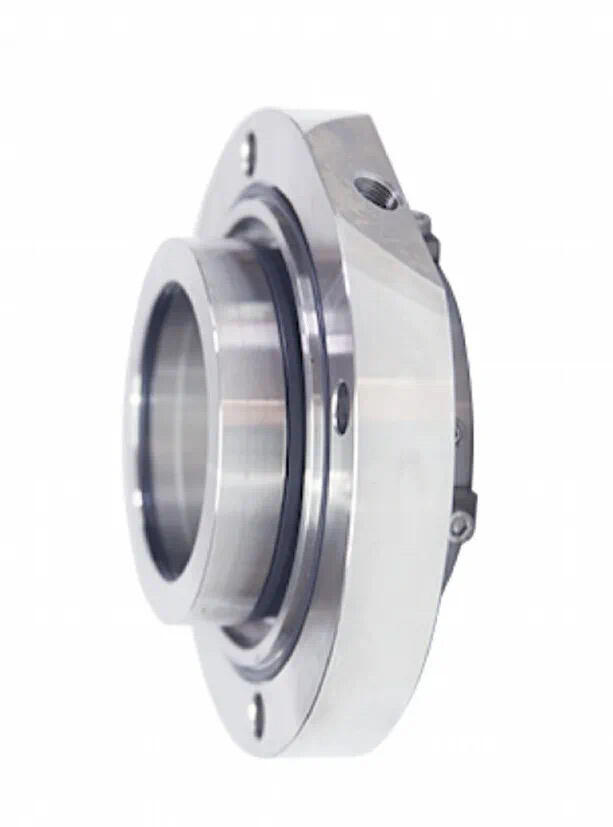
Selecting the right mechanical seals for demanding industrial applications requires understanding the fundamental differences in seal design, material compatibility, and operational parameters across chemical processing, petroleum refining, and water treatment environments. Each application presents unique challenges that directly influence seal performance, service life, and total cost of ownership. The effectiveness of mechanical seals in preventing fluid leakage while maintaining operational efficiency depends on matching seal configuration and materials to specific process conditions including temperature extremes, pressure fluctuations, and chemical aggression.
Chemical, oil, and water applications each impose distinct requirements on mechanical seals that determine which seal types deliver optimal performance. Chemical processing environments often involve corrosive media and temperature variations that demand specialized elastomers and face materials, while petroleum applications require seals capable of handling hydrocarbon compatibility and high-pressure conditions. Water treatment facilities prioritize seals offering abrasion resistance and reliable performance with suspended solids. Understanding these application-specific demands enables maintenance teams and engineers to select mechanical seals that minimize unplanned downtime, reduce maintenance costs, and ensure compliance with environmental and safety regulations across diverse industrial sectors.
Critical Performance Factors in Chemical Processing Mechanical Seals
Material Compatibility with Aggressive Chemical Media
Chemical processing facilities handle a vast spectrum of corrosive, reactive, and toxic fluids that place extraordinary demands on mechanical seals. The seal face materials must resist chemical attack from acids, bases, solvents, and oxidizers while maintaining dimensional stability and sealing effectiveness. Silicon carbide, tungsten carbide, and specialized ceramics represent the primary face material choices for chemical applications, each offering distinct advantages depending on the specific chemical environment. Silicon carbide mechanical seals demonstrate exceptional resistance to most acids and organic solvents, making them suitable for pharmaceutical manufacturing, specialty chemical production, and fine chemical synthesis operations.
The elastomer selection process for chemical mechanical seals requires detailed analysis of chemical compatibility charts and consideration of temperature exposure during normal and upset conditions. Fluoroelastomers provide broad chemical resistance across many applications, while perfluoroelastomers offer enhanced performance with aggressive chemicals at elevated temperatures. PTFE and its derivatives serve as secondary seal elements in extremely corrosive environments where conventional elastomers would degrade rapidly. The interaction between process chemistry and seal materials determines whether standard mechanical seals suffice or whether specialized configurations become necessary to achieve acceptable seal life and reliability in chemical service.
Temperature Management and Thermal Stability Requirements
Chemical reactions frequently generate significant heat, and many chemical processes operate at elevated temperatures that challenge mechanical seal integrity. Thermal expansion differences between seal components can compromise sealing interfaces, while excessive heat degrades elastomers and can cause seal face distortion. mechanical seals designed for chemical applications incorporate features such as enhanced cooling passages, temperature-resistant materials, and balanced designs that minimize heat generation at the seal faces. The ability to maintain stable seal face contact under thermal cycling conditions directly impacts seal reliability and prevents premature failure in chemical processing equipment.
Flush plans play a critical role in managing temperature in chemical mechanical seals by circulating cooling media through the seal chamber to remove frictional heat and maintain optimal operating temperatures. API Plan 11 provides external quench cooling for high-temperature applications, while Plan 32 circulates product from pump discharge through the seal chamber to regulate temperature and flush away process deposits. The selection of appropriate flush plans depends on process fluid properties, operating temperature, and whether the process fluid itself can serve as an effective cooling medium without creating additional operational challenges.
Pressure Considerations and Seal Balance Optimization
Chemical pumps often operate across wide pressure ranges, and mechanical seals must accommodate both steady-state pressures and transient pressure spikes without leaking or suffering face damage. Balanced mechanical seals reduce the hydraulic closing force on seal faces, minimizing heat generation and wear while extending seal life in high-pressure chemical applications. The balance ratio, typically ranging from 0.65 to 0.85 for chemical seals, determines the percentage of stuffing box pressure acting to close the seal faces. Proper balance optimization ensures sufficient face contact to prevent leakage while avoiding excessive contact pressure that accelerates wear and generates heat in demanding chemical environments.
Pressure containment capabilities vary significantly among mechanical seal designs, with cartridge seals and metal bellows seals offering enhanced pressure handling compared to pusher-type configurations. Chemical applications involving pressures exceeding standard limits may require dual mechanical seals with barrier fluid systems that provide secondary containment and pressure buffering. The barrier fluid selection must consider compatibility with potential process leakage, operating temperature range, and regulatory requirements for emissions control in chemical facilities handling hazardous or volatile organic compounds.
Petroleum Industry Mechanical Seal Selection Criteria
Hydrocarbon Compatibility and Material Selection
Petroleum refining and petrochemical processing expose mechanical seals to a diverse range of hydrocarbons including light ends, crude oil, intermediate distillates, and heavy residual products. Each hydrocarbon fraction presents unique challenges related to viscosity, vapor pressure, and potential for coking or polymerization that influence mechanical seal performance and longevity. Mechanical seals for hydrocarbon service must resist swelling and degradation from prolonged exposure to aromatic compounds, maintain sealing effectiveness with low-viscosity fluids that offer minimal lubrication, and prevent coking on seal faces when handling products with high asphaltene content or tendency toward thermal decomposition.
Fluoroelastomers represent the standard elastomer choice for general hydrocarbon applications, providing excellent resistance to petroleum products while maintaining flexibility across operational temperature ranges. For specialized applications involving extreme temperatures or specific chemical challenges, perfluoroelastomers or metal bellows designs eliminate elastomer exposure to process fluids entirely. Face material combinations for petroleum mechanical seals typically feature hard-versus-hard pairings such as silicon carbide versus carbon or tungsten carbide versus silicon carbide to minimize wear and handle the marginal lubrication conditions common in light hydrocarbon service.
Vapor Pressure Management and Flashing Prevention
Light hydrocarbons and volatile petroleum fractions present significant vapor pressure challenges that can cause flashing at the seal faces if pressure and temperature conditions fall outside acceptable operating windows. Flashing creates a vapor film between seal faces that disrupts lubrication, causes rapid wear, and leads to premature seal failure in petroleum applications. Mechanical seals for volatile hydrocarbon service require careful attention to seal chamber pressure maintenance through proper flush plan implementation and consideration of suction pressure margins relative to fluid vapor pressure at operating temperature.
Dual mechanical seals with pressurized barrier fluid systems provide effective solutions for petroleum applications where vapor pressure concerns make single seal operation problematic. The barrier fluid creates a positive pressure differential that prevents process fluid vaporization at the inboard seal while providing cooling and lubrication to both seal sets. Selection of barrier fluids for petroleum applications must consider thermal stability, compatibility with potential process contamination, and maintenance requirements for buffer systems over extended operational periods in refinery and petrochemical environments.
High-Temperature Performance in Petroleum Processing
Petroleum refining involves numerous high-temperature applications including crude distillation, catalytic cracking, and thermal processing units that operate at temperatures challenging standard mechanical seal designs. Elevated temperatures accelerate elastomer degradation, reduce carbon face material strength, and increase thermal distortion that can compromise seal face flatness and mating. Mechanical seals designed for high-temperature petroleum service incorporate metal bellows or PTFE bellows that eliminate elastomer exposure, utilize temperature-resistant face materials such as silicon carbide or tungsten carbide, and feature enhanced cooling systems that remove heat from critical seal components.
Temperature limits for petroleum mechanical seals depend on seal design, materials, and cooling effectiveness, with standard pusher seals limited to approximately 400°F while metal bellows configurations extend operational capability beyond 600°F with proper cooling. Implementation of effective flush plans becomes critical in high-temperature petroleum applications, with external cooling plans such as API Plan 23 or Plan 32 providing necessary heat removal to maintain seal temperatures within acceptable limits. The economic justification for more sophisticated seal designs in high-temperature petroleum service stems from reduced maintenance frequency, extended seal life, and decreased unplanned shutdowns compared to less capable seal alternatives.
Water Treatment Application Mechanical Seal Requirements
Abrasion Resistance and Solids Handling Capabilities
Water treatment mechanical seals must contend with suspended solids, abrasive particles, and biological growth that distinguish water applications from the typically clean fluids found in chemical and petroleum processing. Municipal water systems, wastewater treatment facilities, and industrial water handling operations expose mechanical seals to sand, silt, biological matter, and other particulates that can accelerate face wear and cause premature seal failure if design features do not adequately address solids handling. Face material selection for water service prioritizes abrasion resistance, with silicon carbide and tungsten carbide offering superior wear resistance compared to softer carbon materials when handling water containing suspended solids.
Flushing arrangements for water mechanical seals play a crucial role in preventing solids accumulation around seal faces and maintaining clean operating conditions that extend seal life. API Plan 11 external flush introduces clean water to the seal chamber, preventing solids ingress while providing cooling and lubrication. Cyclone separators or external filtration systems can be incorporated to remove solids from seal flush streams in heavily contaminated water applications. The design of seal chambers and gland plates influences solids settling tendencies, with generous clearances and smooth internal geometries minimizing dead zones where particulates might accumulate and cause seal damage in water service.
Corrosion Resistance in Water and Wastewater Environments
Water chemistry variations create corrosion challenges for mechanical seal components, particularly in wastewater and brackish water applications where chlorides, sulfides, and biological activity accelerate metallic component degradation. Standard mechanical seal materials such as 300-series stainless steel may prove inadequate for corrosive water environments, necessitating upgraded materials including duplex stainless steel, super duplex alloys, or exotic materials such as Hastelloy for components exposed to process fluids. The metal components of mechanical seals in water service include springs, sleeve retainers, and gland plates that must resist pitting, crevice corrosion, and stress corrosion cracking over extended operational periods.
Biological growth and microbiologically influenced corrosion (MIC) present additional challenges in water treatment mechanical seals, particularly in wastewater and cooling water applications where nutrients support bacterial colonization. Biofilm formation on seal components can accelerate corrosion, interfere with seal face operation, and create maintenance challenges requiring more frequent seal inspection and replacement. Mechanical seal designs that minimize crevices and stagnant areas reduce biological growth tendencies, while material selection resistant to MIC-related corrosion modes enhances seal longevity in biological water environments encountered throughout municipal and industrial water treatment facilities.
Clean Water and Drinking Water Compliance Requirements
Drinking water applications impose stringent material compliance requirements on mechanical seals to ensure components contacting potable water do not introduce harmful substances or support bacterial growth. Mechanical seals for drinking water service must utilize materials certified to standards such as NSF/ANSI 61 for drinking water system components, restricting elastomer formulations, lubricants, and face material options to approved compositions. The regulatory framework governing drinking water mechanical seals varies by jurisdiction but consistently prioritizes public health protection through material composition controls and leaching limits for substances potentially migrating from seal components into treated water supplies.
Maintenance practices for drinking water mechanical seals must prevent contamination during seal replacement, requiring clean handling procedures and documentation of material compliance for installed components. Single mechanical seals represent the typical configuration for most drinking water applications due to concerns about barrier fluid contamination potential from dual seal arrangements. When dual mechanical seals become necessary for drinking water service, barrier fluid selection must ensure potability and safety if barrier fluid reaches the process stream through seal leakage. The operational simplicity and contamination prevention characteristics make properly selected single mechanical seals the preferred solution across most potable water treatment and distribution applications worldwide.
Comparative Analysis of Seal Configurations Across Applications
Single Versus Dual Seal Selection Logic
The fundamental choice between single and dual mechanical seals significantly impacts capital cost, operational complexity, and maintenance requirements across chemical, petroleum, and water applications. Single mechanical seals provide cost-effective sealing for non-hazardous fluids with moderate operating parameters, representing the standard configuration for water treatment applications and numerous chemical processing operations handling benign media. Dual mechanical seals incorporate two sealing elements with a barrier or buffer fluid between them, providing secondary containment for hazardous, toxic, or volatile process fluids where environmental release cannot be tolerated due to safety, regulatory, or economic considerations common in petroleum refining and specialty chemical manufacturing.
Application-specific factors determining single versus dual seal selection include process fluid hazard classification, regulatory emission limits, operating pressure and temperature ranges, and maintenance philosophy regarding acceptable seal leakage rates. Chemical facilities handling flammable or toxic substances typically specify dual mechanical seals with pressurized barrier systems providing zero-emission sealing performance. Petroleum applications involving light hydrocarbons with high vapor pressure favor dual seals that prevent atmospheric emissions while managing vapor pressure challenges at seal faces. Water treatment operations predominantly utilize single mechanical seals due to non-hazardous fluid properties, though some industrial water applications handling contaminated or chemically treated water may justify dual seal configurations for secondary containment purposes.
Pusher Design Versus Non-Pusher Mechanical Seal Technologies
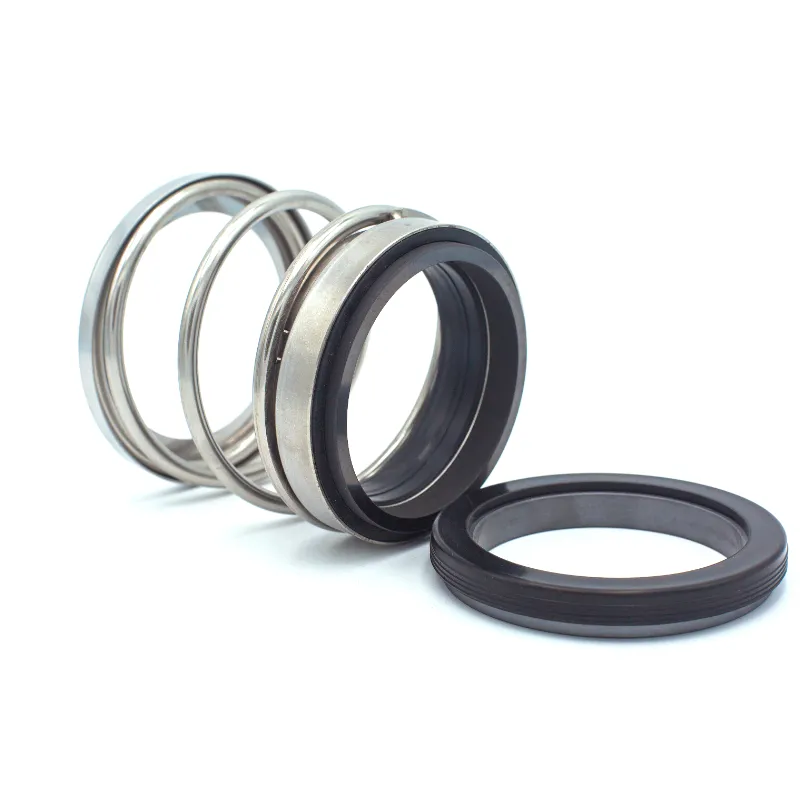
Pusher mechanical seals employ springs or bellows that dynamically adjust to maintain seal face contact as wear occurs and operating conditions change, representing the traditional and most common seal design across industrial applications. The elastomeric dynamic seal element in pusher designs must accommodate axial shaft movement while preventing process fluid leakage past the seal assembly, creating temperature and chemical compatibility limitations in certain demanding applications. Non-pusher mechanical seals, including metal bellows and PTFE bellows designs, eliminate the dynamic elastomer by incorporating the seal face directly into the bellows structure, extending operational capability to higher temperatures and more aggressive chemical environments where elastomer degradation would limit pusher seal performance.
Chemical applications involving corrosive media at elevated temperatures favor metal bellows mechanical seals that eliminate elastomer chemical compatibility concerns and provide superior corrosion resistance compared to pusher designs. Petroleum refining high-temperature services such as hot oil circulation and distillation column pumps benefit from metal bellows seal capabilities exceeding pusher seal limitations. Water applications typically utilize pusher mechanical seals due to moderate operating conditions, lower cost, and adequate performance characteristics when handling non-aggressive fluids at standard temperatures. The selection between pusher and non-pusher technologies requires balancing initial cost differences against expected seal life, maintenance frequency, and operational reliability under application-specific conditions encountered across diverse industrial environments.
Cartridge Seal Advantages and Installation Considerations
Cartridge mechanical seals arrive as pre-assembled, self-contained units incorporating all seal components, gland plate, and setting mechanisms in a package that installs as a single unit on rotating equipment. The pre-assembly eliminates on-site measurement requirements, reduces installation errors, and significantly decreases installation time compared to component seals requiring field assembly and precise dimension control. Cartridge seals provide advantages across chemical, petroleum, and water applications by improving maintenance predictability, reducing spare parts inventory requirements, and enabling mechanical seal replacement by less specialized personnel compared to component seal installations demanding precise measurements and experienced technicians.
The cost premium for cartridge mechanical seals compared to equivalent component designs ranges from twenty to fifty percent depending on seal size and complexity, but operational benefits often justify this investment in critical services or facilities with limited maintenance expertise. Chemical processing plants handling hazardous materials benefit from reduced seal installation time that minimizes personnel exposure and speeds equipment return to service. Petroleum refineries appreciate cartridge seal standardization opportunities that simplify spare parts management across multiple pump types. Water treatment facilities gain maintenance efficiency through cartridge seal quick-change capabilities that reduce downtime during seal replacement events. Application-specific evaluation of cartridge versus component mechanical seal configurations should consider total cost of ownership including installation labor, downtime costs, and reliability factors beyond initial purchase price differentials.
Optimization Strategies for Extended Mechanical Seal Life
Proper Seal Flush Plan Implementation
Flush plan selection and implementation represent critical factors determining mechanical seal performance and longevity across chemical, petroleum, and water applications. The American Petroleum Institute codifies standard flush plans in API 682, providing engineering guidance for seal environmental control systems that manage temperature, pressure, and contamination at seal faces. Plan selection depends on process fluid properties, operating parameters, and seal configuration, with proper implementation requiring attention to flow rates, temperature control, and filtration when external flush sources provide cooling or cleaning functions for mechanical seals in demanding industrial service.
Chemical applications frequently employ Plan 32 arrangements that circulate product from pump discharge through the seal chamber to provide cooling and flushing, with external heat exchangers removing excess thermal energy before fluid returns to the seal environment. Petroleum services utilize Plan 11 external flush when process fluid properties make it unsuitable for seal lubrication and cooling, introducing compatible clean fluid to the seal chamber. Water applications may implement simple Plan 01 internal recirculation for clean water or add Plan 11 external flush when handling water with significant solids content. The effectiveness of flush plans depends on proper flow rates, adequate cooling capacity, and regular maintenance of auxiliary equipment supporting seal environmental control systems throughout industrial facilities.
Condition Monitoring and Predictive Maintenance Approaches
Advanced condition monitoring technologies enable predictive maintenance strategies that extend mechanical seal operational life by detecting developing problems before catastrophic failure occurs. Temperature monitoring of seal chambers provides early warning of cooling system problems, bearing wear, or seal face deterioration causing increased frictional heat generation. Vibration analysis detects shaft misalignment, bearing defects, and hydraulic instability that accelerate seal wear and reduce reliability. Seal leakage detection through visual inspection, vapor sniffers, or quantitative leakage measurement systems identifies seal performance degradation enabling planned maintenance before uncontrolled process fluid release occurs in chemical or petroleum applications.
Implementation of seal support system monitoring including barrier fluid level alarms, pressure indicators, and temperature measurement provides comprehensive seal health assessment capabilities across dual mechanical seal installations common in hazardous service. Chemical facilities benefit from emissions monitoring that ensures regulatory compliance while providing seal performance feedback. Petroleum refineries integrate seal monitoring data into computerized maintenance management systems enabling data-driven decisions regarding seal replacement timing and reliability trending. Water treatment plants implement practical monitoring approaches balancing capital investment against operational benefits derived from early failure detection and maintenance optimization across numerous pumps operating throughout treatment processes.
Installation Quality and Maintenance Best Practices
Mechanical seal installation quality directly impacts operational life and reliability, with proper procedures ensuring correct seal positioning, shaft alignment, and proper adjustment of all seal components before equipment startup. Critical installation parameters include seal face gap setting, compression of secondary seals, and verification of free shaft rotation without binding that would indicate installation errors or component interference. Chemical, petroleum, and water applications all benefit from documented installation procedures, trained installation personnel, and post-installation verification checks that confirm mechanical seals are properly configured before exposing them to process conditions and operational stresses that reveal installation deficiencies.
Maintenance practices supporting extended mechanical seal life include regular inspection of seal support systems, timely replacement of barrier fluids in dual seal arrangements, and monitoring of seal chamber conditions for abnormal deposits or contamination. Chemical facilities must ensure flush system filters remain clean and heat exchangers maintain cooling effectiveness to prevent seal overheating. Petroleum installations benefit from barrier fluid testing programs that detect process contamination indicating seal degradation before secondary containment is compromised. Water treatment mechanical seal maintenance emphasizes seal chamber flushing to prevent solids accumulation and regular inspection for corrosion or biological growth that might compromise seal integrity across long operational campaigns between maintenance interventions.
FAQ
What are the typical service life expectations for mechanical seals in chemical versus petroleum applications?
Mechanical seal service life varies significantly based on application severity, proper selection, and maintenance quality, but chemical applications typically achieve two to four years of reliable operation when seals are correctly matched to process conditions. Petroleum services often extend mechanical seal life to three to five years or longer, particularly in stable refinery processes with consistent operating parameters and effective maintenance programs. Water treatment mechanical seals frequently operate five to seven years due to less aggressive operating conditions compared to chemical or hydrocarbon environments, though solids handling applications may experience shorter service life due to abrasive wear. Actual performance depends heavily on proper seal selection, installation quality, effective flush plans, and adherence to recommended operating envelopes for temperature, pressure, and speed parameters specific to each seal design and application combination.
How do dual mechanical seals justify their higher cost in petroleum and chemical applications?
Dual mechanical seals provide economic justification through elimination of fugitive emissions that would otherwise incur regulatory compliance costs, environmental fines, and product loss in chemical and petroleum facilities handling volatile or hazardous materials. The secondary containment from dual seal configurations prevents unplanned shutdowns caused by seal failures that release process fluids, with avoided downtime costs often exceeding dual seal capital investment within the first year of operation. Additional value derives from extended mean time between maintenance interventions as barrier fluid systems protect seal faces from process contamination and provide superior cooling compared to single seal arrangements. Facilities processing high-value chemicals or petroleum products recover dual seal costs through reduced product loss, while environmental stewardship benefits satisfy corporate sustainability commitments and community relations objectives beyond purely economic considerations in modern industrial operations.
Can mechanical seals designed for chemical service be used interchangeably in petroleum or water applications?
Mechanical seals designed for chemical applications often incorporate materials and features that make them suitable for petroleum service due to overlapping requirements for corrosion resistance, temperature capability, and robust construction handling aggressive process conditions. However, application-specific differences in lubrication characteristics, vapor pressure behavior, and contamination types mean optimal seal selection considers specific fluid properties rather than assuming interchangeability across application categories. Water service mechanical seals typically feature less exotic materials and simpler configurations adequate for non-aggressive aqueous environments, making chemically-rated seals overspecified and unnecessarily expensive for most water applications. Successful mechanical seal selection requires detailed evaluation of actual operating conditions including fluid composition, temperature, pressure, and contamination levels rather than broad application categorizations, ensuring chosen seals provide appropriate performance capabilities without incurring costs for unneeded features or materials exceeding application requirements.
What role does shaft quality play in mechanical seal performance across different applications?
Shaft surface finish, runout tolerance, and material hardness critically influence mechanical seal reliability across all applications, with inadequate shaft quality causing premature seal wear regardless of how appropriately the seal itself matches application requirements. Chemical, petroleum, and water services all require shaft surface finishes typically between 16 and 32 microinches Ra to prevent excessive wear of dynamic seal elastomers contacting the shaft. Total indicated runout should remain below 0.002 inches per inch of shaft diameter to prevent seal face opening and excessive leakage during rotation. Shaft hardness specifications ensure wear resistance exceeds elastomer hardness preventing shaft grooving that would compromise sealing effectiveness over extended operational periods. Equipment upgrades addressing shaft deficiencies through sleeving, re-machining, or replacement often prove necessary before mechanical seal reliability improvements can be achieved in problematic applications experiencing chronic seal failures across chemical processing, petroleum refining, or water treatment facilities.
Table of Contents
- Critical Performance Factors in Chemical Processing Mechanical Seals
- Petroleum Industry Mechanical Seal Selection Criteria
- Water Treatment Application Mechanical Seal Requirements
- Comparative Analysis of Seal Configurations Across Applications
- Optimization Strategies for Extended Mechanical Seal Life
-
FAQ
- What are the typical service life expectations for mechanical seals in chemical versus petroleum applications?
- How do dual mechanical seals justify their higher cost in petroleum and chemical applications?
- Can mechanical seals designed for chemical service be used interchangeably in petroleum or water applications?
- What role does shaft quality play in mechanical seal performance across different applications?