 EN
EN


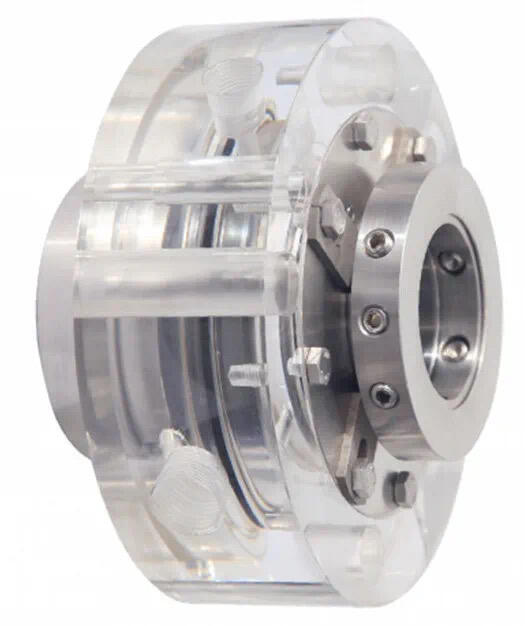
Industrial operations in mining, wastewater treatment, and heavy-solids processing demand sealing solutions that withstand extreme conditions where conventional seals fail rapidly. The harsh reality of abrasive slurries, corrosive chemical mixtures, and high-pressure environments creates unique challenges that require specialized engineering approaches. A properly selected slurry seal becomes the critical barrier between operational efficiency and catastrophic equipment failure, making the choice of sealing technology a strategic decision rather than a simple procurement task. Understanding the specific requirements of your application environment ensures that the slurry seal installed delivers maximum performance, minimizes downtime, and reduces total cost of ownership across the equipment lifecycle.
Mining operations, wastewater facilities, and heavy-solids processing plants share common sealing challenges that standard mechanical seals cannot adequately address. The presence of suspended particles ranging from fine silt to coarse aggregates creates an abrasive environment that accelerates wear on sealing faces, leading to premature failure and costly unplanned maintenance. Additionally, the chemical composition of process fluids in these industries often includes corrosive agents that attack seal materials, while temperature fluctuations and pressure variations add further complexity to the sealing challenge. This article examines the critical factors that determine slurry seal performance in these demanding applications, explores the engineering principles behind effective slurry sealing, and provides practical guidance for selecting and maintaining sealing solutions that deliver reliable long-term service in the harshest industrial environments.
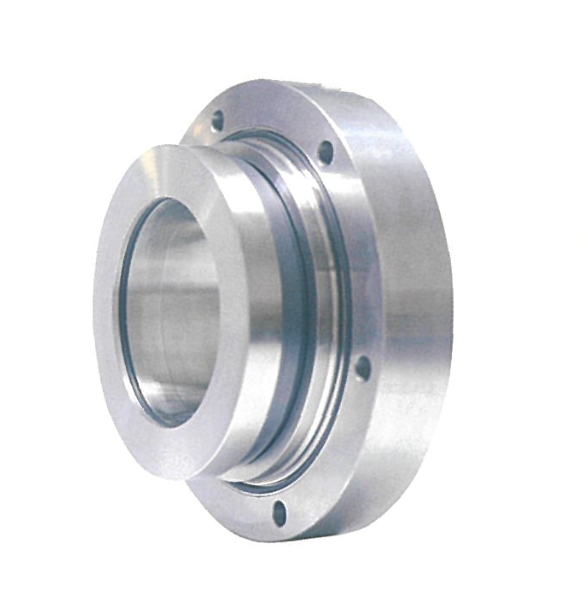
Understanding Slurry Seal Requirements in Harsh Industrial Environments
Characteristics of Slurry Applications Across Industries
Slurry applications in mining, wastewater treatment, and heavy-solids processing share fundamental characteristics that distinguish them from clean-fluid sealing environments. The defining feature is the presence of suspended solid particles within the process fluid, creating a heterogeneous mixture that exhibits both liquid and solid properties. In mining operations, slurry seal applications include ore processing pumps, thickener underflow systems, tailings transport equipment, and flotation circuits where particle concentrations can exceed fifty percent by volume. The particle size distribution ranges from submicron clays to millimeter-scale rock fragments, each presenting distinct wear mechanisms and sealing challenges that must be addressed through appropriate seal face material selection and hydraulic design.
Wastewater treatment facilities present equally demanding conditions where biological solids, grit, fibrous materials, and chemical additives combine to create complex slurry compositions. Primary clarifier pumps, digester circulation systems, dewatering centrifuges, and biosolids transfer equipment all require slurry seal solutions capable of handling varying solids concentrations while maintaining seal chamber cleanliness. The chemical environment in wastewater applications includes pH extremes, dissolved gases, and microbial activity that can degrade seal materials and promote corrosion on metallic components. Temperature variations resulting from biological processes and seasonal changes add thermal cycling stress to the sealing system, requiring materials with compatible thermal expansion characteristics and resistance to thermal shock.
Failure Mechanisms Specific to Slurry Sealing
The dominant failure mechanism in slurry seal applications is abrasive wear caused by hard particles trapped between sealing faces or circulating within the seal chamber environment. When solid particles enter the sealing interface, they act as microscopic grinding agents that score and erode the seal face surfaces, creating leakage paths and accelerating seal degradation. The rate of abrasive wear depends on particle hardness relative to seal face materials, particle size distribution, particle concentration, and the hydrodynamic conditions within the seal chamber. Silicon carbide and tungsten carbide seal faces demonstrate superior resistance to abrasive wear compared to carbon-graphite materials, though proper seal chamber design and barrier fluid management remain critical factors in extending seal life regardless of face material selection.
Chemical attack represents another significant failure mode where process fluids react with seal face materials, elastomers, or metallic components, causing dimensional changes, surface degradation, or complete material breakdown. In wastewater applications, hydrogen sulfide gas can cause sulfide stress cracking in metallic seal components, while extreme pH conditions degrade certain elastomer compounds used for secondary sealing elements. Mining slurries often contain residual processing chemicals including flotation reagents, pH modifiers, and flocculants that may be incompatible with standard seal materials. The selection of chemically resistant materials based on comprehensive fluid analysis prevents premature failure and ensures that the slurry seal maintains integrity throughout the intended service interval, reducing maintenance frequency and associated operational disruptions.
Operating Conditions That Impact Seal Performance
Pressure conditions in slurry applications directly influence seal face loading, barrier fluid circulation, and the potential for solids ingression into the seal chamber. High-pressure mining applications such as long-distance tailings pipelines or deep underground dewatering systems create substantial hydraulic loads on the slurry seal that must be balanced through appropriate seal chamber pressurization and barrier fluid systems. Dual pressurized arrangements where clean barrier fluid pressure exceeds process pressure by a specified margin prevent slurry intrusion into the seal chamber, maintaining clean lubrication at the sealing interface and dramatically extending seal life. The pressure differential must be carefully controlled to avoid excessive face loading that increases heat generation and accelerates wear, while insufficient differential allows process contamination that leads to rapid seal failure.
Temperature variations affect viscosity of barrier fluids, thermal expansion of seal components, and the formation of thermal gradients across seal faces that can cause distortion and loss of face contact. Mining slurries from deep operations or heated processing circuits may enter pumps at elevated temperatures, while outdoor wastewater equipment experiences seasonal temperature swings from below freezing to summer heat. The slurry seal design must accommodate these thermal conditions through appropriate material selection, cooling provisions, and allowance for differential thermal expansion between rotating and stationary components. Excessive heat generation from inadequate lubrication or improper face loading creates localized hot spots that can cause seal face cracking, elastomer degradation, and premature seal failure, making thermal management a critical aspect of slurry seal system design and operation.
Engineering Principles Behind Effective Slurry Seal Design
Seal Face Material Selection Strategies
The choice of seal face materials represents the most critical design decision for slurry seal applications, as face materials directly determine wear resistance, chemical compatibility, and operational reliability. Silicon carbide has emerged as the preferred material for slurry service due to its exceptional hardness, excellent corrosion resistance, and superior thermal conductivity that helps dissipate frictional heat. Reaction-bonded silicon carbide offers good wear resistance at moderate cost, while sintered silicon carbide provides enhanced density and performance for the most severe applications. Tungsten carbide faces deliver outstanding abrasion resistance and impact strength, making them suitable for applications with large particle sizes or shock loading conditions, though their lower corrosion resistance may limit applicability in certain chemical environments.
Hard face versus hard face pairings such as silicon carbide running against silicon carbide provide maximum wear resistance but require absolutely clean barrier fluid to prevent catastrophic failure from particle contamination between faces. The alternative approach pairs a hard face material against a softer carbon-graphite face that can embed small particles without damage, though this configuration sacrifices some wear life compared to hard-hard pairings. The selection between these configurations depends on the effectiveness of seal chamber flushing systems and the reliability of barrier fluid filtration. In applications where clean barrier fluid cannot be guaranteed, a hard-soft pairing provides more forgiving operation, while systems with robust API Plan 53 or Plan 54 pressurized barrier fluid systems justify the superior performance of hard-hard face combinations that maximize the operational life of the slurry seal installation.
Seal Chamber Hydraulic Design Considerations
Effective seal chamber design creates flow patterns that prevent solids accumulation near the slurry seal while maintaining adequate circulation for heat removal and lubrication. Tangential inlet designs introduce barrier fluid at an angle that creates rotational flow within the chamber, using centrifugal force to keep heavier particles away from the seal faces. The chamber geometry must provide sufficient volume for particle settling while avoiding dead zones where solids can pack and harden, potentially interfering with seal movement or creating abrasive pockets. Smooth internal surfaces without sharp corners or recesses minimize turbulence that could suspend particles, while appropriately sized drain connections facilitate complete flushing during maintenance procedures and prevent gradual buildup of residual solids that compromise seal performance over time.
The throat bushing or throttle bushing serves as a critical restriction between the process environment and the seal chamber, controlling leakage flow and providing a pressure drop that reduces solids concentration in fluid reaching the slurry seal faces. Proper throat bushing clearance creates sufficient restriction to limit solids ingress without generating excessive heat or creating a plugging risk. In abrasive slurry services, the throat bushing itself becomes a wear component requiring periodic replacement, though its sacrificial function protects the more expensive seal assembly. Some designs incorporate replaceable throat bushings manufactured from tungsten carbide or ceramic materials that resist abrasive wear, extending service intervals and reducing maintenance requirements. The hydraulic balance between process pressure, throat bushing restriction, and seal chamber conditions must be carefully engineered to ensure that the slurry seal operates within design parameters across the full range of anticipated operating conditions.
Barrier Fluid System Integration
Dual pressurized seal arrangements with external barrier fluid systems have become the standard solution for demanding slurry applications, providing clean lubrication and thermal management while preventing process contamination of the seal chamber. API Plan 53 systems utilize a pressurized reservoir with bladder or piston to maintain barrier fluid pressure above process pressure, while Plan 54 systems employ an external pumping loop with heat exchanger for more aggressive cooling requirements. The barrier fluid selection depends on temperature range, chemical compatibility with potential process leakage, environmental considerations, and operating cost factors. Water-glycol mixtures provide excellent heat transfer and low cost for moderate temperature applications, while synthetic lubricants offer superior performance across wide temperature ranges and enhanced seal face lubrication properties.
The barrier fluid system must include adequate filtration to remove any contamination from seal wear particles or process fluid intrusion that could compromise seal face lubrication. Filters with absolute ratings of three to ten microns prevent particles from reaching the seal faces while balancing flow resistance and maintenance frequency. Flow indicators and pressure gauges provide operational monitoring to detect system degradation or seal failure, while level switches in the reservoir tank trigger alarms before complete fluid loss occurs. Proper barrier fluid system design, installation, and maintenance represent investments that multiply the operational life of the slurry seal assembly, reducing total cost of ownership despite the higher initial system complexity and component costs compared to simpler unpressurized seal configurations that prove inadequate for severe slurry service conditions.
Application-Specific Solutions for Mining Operations
Tailings and Slurry Transport Challenges
Mining tailings represent one of the most challenging slurry seal applications due to extremely high solids content, wide particle size distribution, and the presence of residual processing chemicals. Tailings slurries typically contain thirty to seventy percent solids by weight, with particle sizes ranging from clay-fraction fines to coarse sand-sized material. The high viscosity and non-Newtonian flow behavior of concentrated tailings slurries create unusual hydraulic conditions within pump seal chambers, where conventional flushing arrangements may prove inadequate. Centrifugal pumps handling tailings require slurry seal designs with enhanced flushing capacity, often employing external cyclone separators or settling chambers that pre-clean seal flush fluid before it enters the seal chamber, dramatically reducing the solids concentration that the seal faces must accommodate.
Long-distance tailings pipelines operate at elevated pressures that intensify the consequences of seal failure, making reliability paramount. The pressure differential across the slurry seal in pipeline booster pumps may exceed fifty bar, requiring robust dual pressurized seal arrangements with substantial safety margins. The remote locations of many pipeline pump stations make accessibility for maintenance difficult and costly, justifying investment in premium seal technology and comprehensive monitoring systems that provide early warning of degrading seal performance. Predictive maintenance approaches based on barrier fluid consumption rates, temperature trends, and vibration analysis allow scheduled interventions before catastrophic failures occur, minimizing production disruptions and reducing overall maintenance costs despite the harsh operating environment that characterizes tailings transport systems.
Process Pumps in Mineral Processing Circuits
Mineral processing facilities utilize numerous pumps throughout grinding circuits, flotation systems, and concentrate handling operations where slurry seal reliability directly impacts plant availability. Grinding circuit pumps encounter particularly aggressive conditions with coarse particles, high velocities, and abrasive mineral types such as quartz and pyrite that accelerate wear on all wetted components including seals. The dynamic operating conditions in grinding circuits include frequent starts and stops, flow rate variations, and occasional slug flow conditions when oversized particles enter the pump, creating shock loads and pressure spikes that stress seal components. Slurry seal designs for these applications emphasize robust construction, generous dimensional clearances to pass occasional oversized particles, and redundant sealing arrangements that maintain equipment protection even when the primary seal shows wear.
Flotation circuit pumps handle finer particle sizes but introduce chemical complexity from flotation reagents including collectors, frothers, and pH modifiers that affect seal material compatibility. The air entrainment common in flotation pulps creates gas-liquid-solid three-phase flow conditions that complicate seal chamber hydraulics and may promote cavitation at the seal faces. Specialized slurry seal designs for flotation service incorporate features that accommodate entrained air, including enlarged seal chambers that allow gas separation and venting provisions that prevent pressure buildup from trapped gases. The chemical resistance requirements demand careful elastomer selection to ensure compatibility with specific reagent packages, as standard seal elastomers may swell, harden, or deteriorate when exposed to certain flotation chemicals, leading to secondary seal failure and subsequent primary seal degradation.
Dewatering and Thickener Applications
Thickener underflow pumps represent a specialized slurry seal application where extremely high solids concentrations challenge conventional sealing approaches. Underflow slurries may reach seventy percent solids by weight with paste-like consistency that resists flow and tends to pack into confined spaces. The risk of seal chamber plugging becomes significant, requiring enlarged chambers with vigorous flushing arrangements that maintain circulation despite the high-viscosity process fluid. Some installations employ dual mechanical seals in tandem arrangement where the inboard seal operates in a slightly diluted environment created by controlled barrier fluid injection, while the outboard seal provides backup protection and accommodates the clean barrier fluid. This staged approach to sealing high-density slurries improves reliability compared to single seal designs that must directly interface with the concentrated underflow material.
Vacuum filtration systems and filter presses used for final dewatering create intermittent duty conditions where slurry seal assemblies experience cyclic loading during batch operations. The start-stop nature of these applications subjects seals to frequent thermal cycling and mechanical shock, accelerating fatigue compared to continuous-duty applications. Seal designs for intermittent service benefit from enhanced secondary seal retention features that prevent extrusion during pressure spikes, and face designs that quickly establish hydrodynamic lubrication during startup to minimize dry-running contact. The maintenance strategies for dewatering equipment seals often emphasize condition-based approaches where seal performance is assessed during planned production breaks, allowing seal replacement based on actual wear condition rather than arbitrary time intervals that may result in premature replacement of serviceable seals or unexpected failures of degraded components.
Wastewater Treatment Facility Sealing Solutions
Primary and Secondary Treatment Equipment
Primary clarifiers and sludge pumps in wastewater treatment plants handle raw sewage containing grit, rags, and other debris that creates extremely challenging conditions for slurry seal applications. The combination of abrasive particles, fibrous materials that can entangle rotating components, and corrosive biological activity requires seal designs that isolate critical sealing surfaces from the process environment. Dual seals with substantial barrier fluid flushing provide this isolation, creating a clean operating environment for the seal faces while accepting that the inboard seal will require more frequent replacement due to its exposure to contaminated process fluid. The emphasis in these applications shifts from maximizing individual seal life to ensuring that seal failures do not result in equipment damage or extended downtime, making maintainability and rapid replacement capability important design criteria.
Secondary treatment bioreactors and activated sludge systems present different challenges where biological activity generates gases that can accumulate in seal chambers and cause seal lifting or face separation. The formation of hydrogen sulfide, methane, and carbon dioxide requires seal chamber venting provisions and barrier fluid systems that continuously purge dissolved gases. The biological solids in activated sludge are generally softer and less abrasive than mineral particles, but their tendency to form biofilms on all wetted surfaces creates maintenance challenges. Regular seal chamber cleaning during scheduled maintenance prevents biofilm accumulation that can restrict circulation, interfere with seal movement, or create localized corrosion cells. The selection of seal materials must consider biofouling resistance, with certain elastomer formulations demonstrating better resistance to bacterial colonization than standard compounds used in clean-water service.
Biosolids Handling and Dewatering Systems
Digester circulation pumps operate in anaerobic environments with elevated temperatures, dissolved gases, and corrosive sulfide compounds that severely test slurry seal integrity. The combination of heat, gas evolution, and chemical attack requires premium seal materials and sophisticated barrier fluid systems. Tandem seal arrangements with separate barrier fluid supplies for each seal allow the outboard seal to operate in a completely clean environment, providing backup protection should the inboard seal fail. The high reliability requirements of digester systems where unplanned shutdowns disrupt biological processes and potentially compromise gas collection systems justify the investment in redundant sealing configurations and comprehensive monitoring systems that provide early warning of seal degradation before process upsets occur.
Centrifuges and belt filter presses used for biosolids dewatering subject mechanical seals to sustained high-G forces, vibration, and the impact of polymer conditioning chemicals that alter slurry characteristics. The addition of polyelectrolyte flocculants increases slurry viscosity and changes flow patterns within seal chambers, potentially reducing flushing effectiveness. Slurry seal designs for polymer-conditioned biosolids must accommodate these rheological changes through enhanced circulation features and enlarged clearances that prevent polymer bridging and seal chamber plugging. The abrasive component in dewatered biosolids increases due to grit accumulation through the treatment process, requiring wear-resistant seal face materials similar to those used in mining applications. The combination of chemical, biological, and mechanical stresses in biosolids dewatering represents one of the most demanding slurry seal applications, where only properly engineered solutions deliver acceptable service life and reliability.
Chemical Feed and Process Chemical Systems
Chemical feed pumps for polymer, coagulant, and pH adjustment systems handle slurries of neat chemical products or concentrated solutions that may crystallize, polymerize, or gel if allowed to stagnate in seal chambers. The slurry seal challenges in these applications relate less to abrasive wear than to maintaining flow and preventing solidification within the seal chamber. Continuous circulation through external flush systems prevents chemical concentration and ensures that seal chamber temperatures remain within acceptable ranges for chemical stability. Some applications require heated or cooled barrier fluids to maintain optimal viscosity and prevent phase changes that would compromise seal operation. The chemical resistance requirements for these applications often prove more stringent than for primary process pumps, as neat chemicals at high concentrations attack materials that resist dilute process streams.
The intermittent operation typical of chemical feed systems creates additional challenges where seals must maintain integrity during extended idle periods followed by restart. Seal face corrosion during shutdown periods, crystallization of residual chemicals, and seal face sticking from dried deposits all contribute to reliability issues in batch-operated chemical feed equipment. Maintenance procedures that include seal chamber flushing with compatible solvents before shutdown and controlled restart sequences that gradually reestablish normal operating conditions help minimize damage from intermittent operation. The total cost analysis for chemical feed pump seals often favors simpler single seal designs with robust face materials and adequate flushing, as the lower equipment costs and maintenance simplicity offset the shorter seal life compared to sophisticated dual seal arrangements used on continuous-duty primary process equipment.
Heavy-Solids Processing Industries Beyond Mining and Wastewater
Pulp and Paper Industry Applications
The pulp and paper industry presents unique slurry seal challenges where fibrous materials combine with mineral fillers, processing chemicals, and recycled content contaminants to create complex sealing environments. Stock pumps handling paper pulp encounter long fibers that can wrap around shafts and penetrate into seal chambers despite throat bushing restrictions. The presence of calcium carbonate, titanium dioxide, and other mineral fillers adds an abrasive component similar to mining slurries, while the alkaline pH and chlorine-based bleaching chemicals in certain processes create corrosive conditions. Slurry seal designs for pulp applications emphasize positive circulation that continuously flushes the seal chamber to prevent fiber accumulation, combined with material selections that resist both abrasive wear and chemical attack from the complex process chemistry.
Black liquor pumps in kraft pulping operations handle one of the most aggressive slurry seal environments in industrial processing, combining high temperatures, extreme alkalinity, and dissolved organic compounds that polymerize and form deposits on all surfaces. The seal chamber design must prevent temperature reduction that would cause crystallization of dissolved solids, while maintaining adequate cooling to protect seal faces and elastomers. This narrow operating window requires sophisticated thermal management and continuous monitoring. The consequence of seal failure in black liquor service includes exposure of personnel to hazardous chemicals and the potential for process contamination that affects pulp quality, justifying investment in the most robust slurry seal technology available and redundant equipment configurations that allow continued operation during seal maintenance or replacement.
Food Processing and Industrial Mineral Systems
Food processing applications involving slurries of natural products or suspended ingredients require slurry seal solutions that meet sanitary design standards while handling moderately abrasive materials. The presence of sugars, proteins, and fats creates biological fouling potential similar to wastewater applications, while the requirement for clean-in-place compatibility and materials approved for food contact adds regulatory complexity. The slurry seal designs must balance the need for crevice-free surfaces that resist bacterial colonization with the requirement for adequate flushing to remove product residues and prevent cross-contamination between batches. Barrier fluid selection becomes critical, as any seal leakage must not compromise product safety or quality, typically limiting options to food-grade materials or requiring double containment configurations that prevent any barrier fluid contact with the product stream.
Industrial mineral processing for products such as kaolin, calcium carbonate, and titanium dioxide involves fine particle slurries with specific brightness, particle size distribution, and purity requirements that must be maintained throughout processing. The seal challenge relates primarily to preventing product contamination from seal wear particles or barrier fluid intrusion rather than protecting equipment from abrasive damage. This inverted priority compared to mining applications drives different seal material selections, favoring combinations that minimize wear particle generation even if they sacrifice some seal life. The use of clean dual seal arrangements with containment rather than open flushing to drain ensures that any seal leakage is captured and prevented from contaminating the product stream. The economic impact of product specification failures often far exceeds equipment repair costs, making seal integrity and contamination prevention the dominant design criteria for industrial mineral slurries destined for high-value applications in coatings, plastics, and specialty chemical markets.
Dredging and Hydraulic Mining Operations
Dredging equipment operates in perhaps the most variable slurry seal environment, encountering everything from soft silt to gravel, wood debris, and man-made objects during harbor and channel maintenance operations. The unpredictable nature of dredged material creates seal design challenges that emphasize damage tolerance and rapid maintainability rather than optimized performance for a specific slurry composition. Cutter head pumps and booster pumps in cutter suction dredges handle coarse materials at high flow rates, creating intensely abrasive conditions that consume seal faces, throat bushings, and pump components at accelerated rates. The economic model for dredging seals focuses on minimizing downtime and simplifying field maintenance rather than maximizing individual component life, as operational schedule considerations often dominate equipment availability requirements in contracted dredging projects.
Hydraulic mining operations for placer deposits or mineral sands recovery use monitor nozzles and pumping systems to move large volumes of water-sediment mixtures with lower solids concentration than hard rock mining slurries but substantially higher flow rates. The slurry seal applications in these systems emphasize handling large volumes of dilute slurries rather than concentrated abrasive materials, though the presence of coarse particles and occasional debris still requires robust seal designs. The seasonal nature of many hydraulic mining operations creates intermittent duty cycles where equipment operates intensively during favorable weather periods then sits idle for extended periods. The maintenance approach for these applications includes end-of-season inspection and reconditioning to ensure equipment readiness for the next operating season, with seal replacement based on visual inspection and dimensional measurements rather than operational monitoring data collected during continuous operation.
FAQ
What makes slurry seal applications different from standard mechanical seal applications?
Slurry seal applications differ fundamentally from clean-fluid sealing due to the presence of suspended solid particles that create abrasive wear, the chemical complexity of process fluids that may include corrosive agents, and the operational conditions including high pressure, temperature variations, and challenging rheological properties. Standard mechanical seals designed for water, oil, or chemical service lack the wear-resistant face materials, robust construction, and sophisticated barrier fluid systems necessary to achieve acceptable service life in slurry environments. The engineering approach for slurry seal selection emphasizes understanding the specific characteristics of the slurry including particle size distribution, hardness, concentration, chemical composition, and operating conditions to match the seal design to the application requirements rather than applying generic sealing solutions.
How long should a properly selected slurry seal last in typical mining or wastewater applications?
The expected service life of a slurry seal varies dramatically based on the severity of operating conditions, ranging from several months in extremely abrasive mining applications to multiple years in less demanding wastewater service with proper barrier fluid systems. In concentrated tailings or grinding circuit slurries with high quartz content, seal life may be measured in hundreds to low thousands of operating hours, while wastewater applications with effective dual pressurized seal arrangements and appropriate maintenance can achieve eighteen to thirty-six months between seal replacements. The key to maximizing seal life involves proper initial selection based on comprehensive application analysis, correct installation following manufacturer procedures, implementation of appropriate barrier fluid systems with adequate cooling and filtration, and ongoing monitoring to detect degrading performance before catastrophic failure occurs. Organizations that treat seals as engineered systems rather than commodity components typically achieve substantially better performance and lower total cost of ownership.
Can single mechanical seals be used in slurry applications or are dual seals always required?
Single mechanical seals can function in certain slurry applications where solids concentration remains relatively low, particles are not extremely hard or abrasive, and effective throat bushing restriction combined with external flush systems can maintain acceptable seal chamber cleanliness. However, dual mechanical seals with pressurized barrier fluid systems have become the preferred solution for demanding slurry service because they isolate the seal faces from process contamination, provide clean lubrication and cooling, and offer redundant protection that prevents equipment damage if the inboard seal fails. The decision between single and dual seal configurations depends on the criticality of the equipment, the severity of process conditions, maintenance capabilities, and total cost analysis that considers initial equipment cost, expected seal life, maintenance labor, and the consequences of seal failure including potential equipment damage and production losses. Most mining operations and critical wastewater applications justify dual seal investments, while less severe industrial slurry applications may successfully employ single seals with appropriate support systems.
What maintenance practices most effectively extend slurry seal service life?
Effective slurry seal maintenance begins with proper monitoring of operating parameters including barrier fluid pressure, temperature, consumption rate, and level in reservoir systems, establishing baseline performance and tracking trends that indicate degrading seal condition. Regular inspection and cleaning of seal chambers during planned shutdowns prevents accumulated solids from interfering with seal operation and allows visual assessment of wear patterns that inform future seal selections. Barrier fluid system maintenance including filter replacement at recommended intervals, verification of proper pressure settings, and testing of alarm functions ensures that support systems function correctly. The analysis of failed seals provides valuable information about actual operating conditions and wear mechanisms that may differ from design assumptions, allowing continuous improvement in seal selection and operating practices. Organizations that implement comprehensive seal management programs including detailed application records, standardized installation procedures, operator training on seal systems, and systematic failure analysis achieve substantially better seal performance than those treating seals as disposable components requiring only periodic replacement.
Table of Contents
- Understanding Slurry Seal Requirements in Harsh Industrial Environments
- Engineering Principles Behind Effective Slurry Seal Design
- Application-Specific Solutions for Mining Operations
- Wastewater Treatment Facility Sealing Solutions
- Heavy-Solids Processing Industries Beyond Mining and Wastewater
-
FAQ
- What makes slurry seal applications different from standard mechanical seal applications?
- How long should a properly selected slurry seal last in typical mining or wastewater applications?
- Can single mechanical seals be used in slurry applications or are dual seals always required?
- What maintenance practices most effectively extend slurry seal service life?