 EN
EN


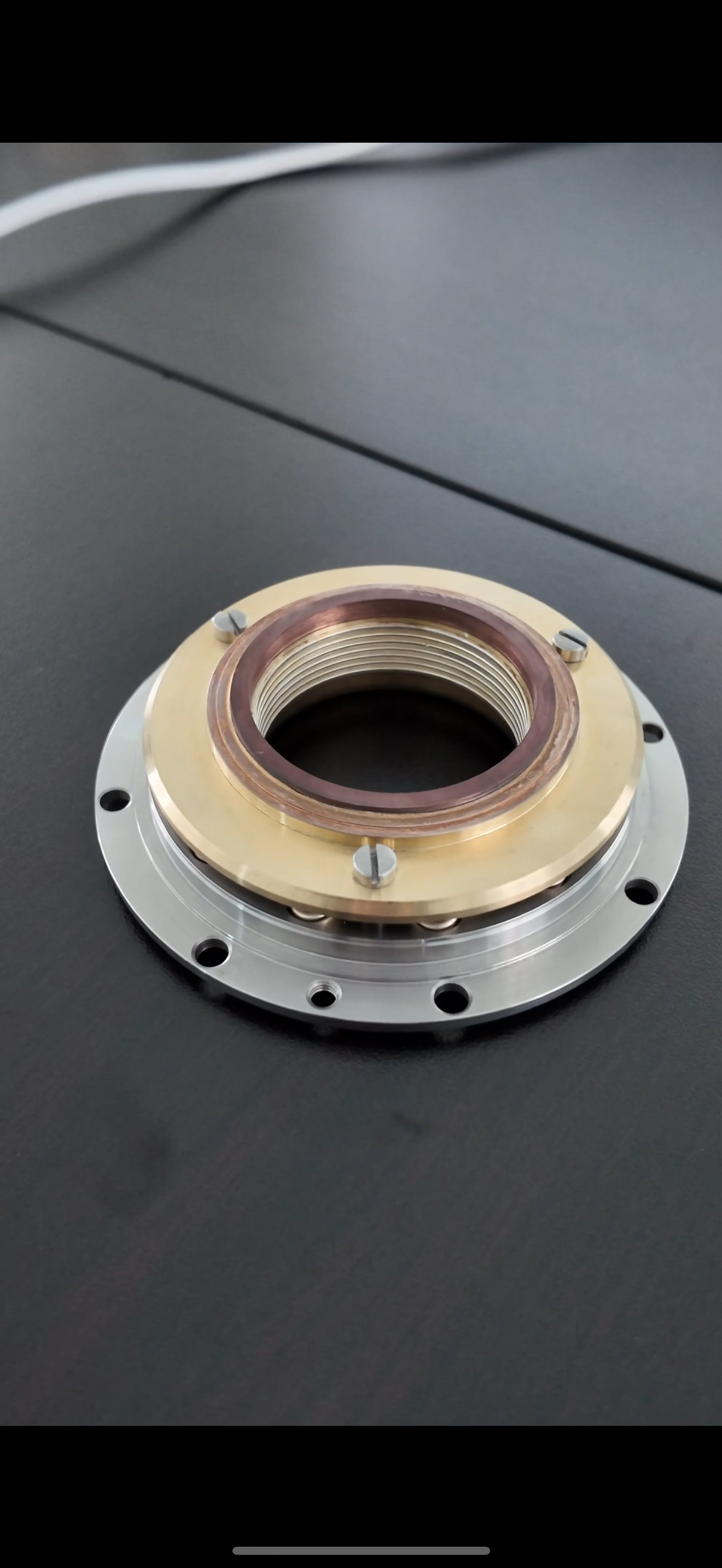
Industrial facilities operating in corrosive and thermal-shock environments face unique sealing challenges that demand specialized engineering solutions. Chemical processing plants, petroleum refineries, and high-temperature manufacturing operations require mechanical seals capable of withstanding aggressive media, extreme temperature fluctuations, and rapid thermal cycling without compromising seal integrity. Among the most reliable solutions for these demanding applications, metal bellows seal technology has emerged as the preferred choice for industries where conventional elastomeric sealing designs fail prematurely. This comprehensive guide examines the critical selection factors, design variations, and material considerations that determine optimal bellows seal performance in the most punishing operational environments.
The selection of appropriate bellows seal configurations directly impacts operational reliability, maintenance intervals, and total cost of ownership in facilities handling corrosive chemicals, high-temperature fluids, or process streams subject to rapid temperature changes. Unlike pusher-type seals that rely on springs or elastomeric components vulnerable to chemical attack and thermal degradation, metal bellows seal designs eliminate these weak points through welded metal construction that maintains consistent face loading across extreme operating conditions. Understanding the specific design options, metallurgical choices, and performance characteristics available in modern bellows seal technology enables engineering teams to specify sealing solutions matched precisely to their unique process conditions and reliability requirements.
Understanding Metal Bellows Seal Architecture for Harsh Environments
Fundamental Design Principles of Welded Bellows Construction
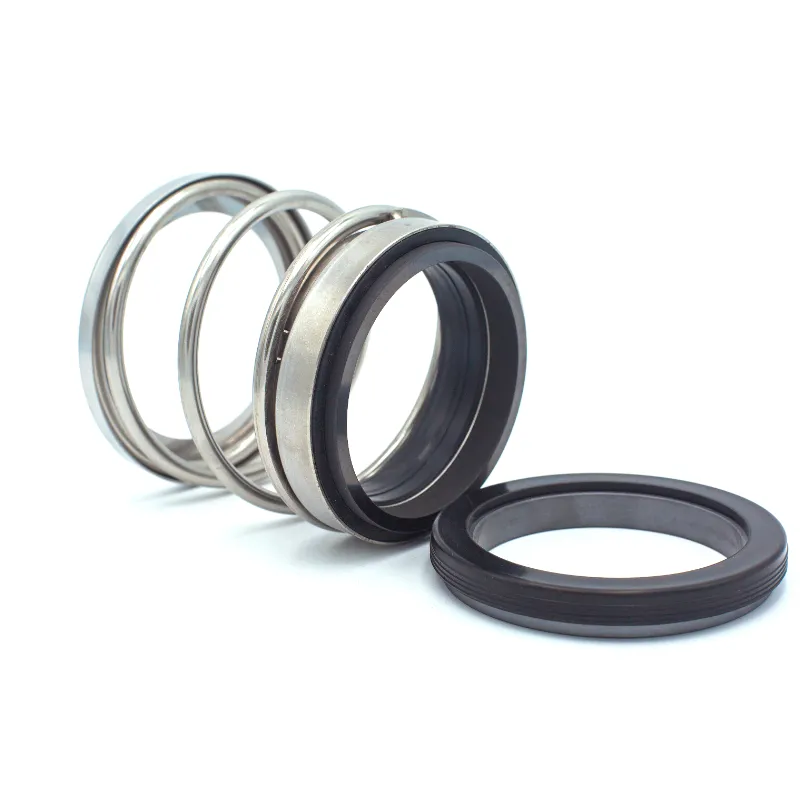
Metal bellows seal designs utilize thin-walled convoluted bellows fabricated through precision welding processes that create hermetically sealed flexible elements capable of accommodating shaft movement while maintaining primary sealing integrity. The bellows component serves dual functions within the seal assembly, providing both the spring force necessary to maintain seal face contact and forming the primary seal between the rotating shaft and stationary housing. This integrated design eliminates the need for separate springs and dynamic O-rings that represent failure points in conventional mechanical seal architectures. The welded construction of the bellows seal creates a leak-tight barrier impervious to chemical attack and thermal degradation that would compromise elastomeric components.
The convoluted geometry of metal bellows provides controlled axial flexibility while maintaining torsional rigidity essential for power transmission in rotating equipment. Each convolution functions as a mechanical spring element, with the cumulative spring rate determined by bellows diameter, wall thickness, number of convolutions, and material properties. Modern bellows seal designs optimize these geometric parameters to achieve target spring rates between five and fifteen pounds per inch, ensuring adequate seal face loading without excessive contact pressure that accelerates wear. The absence of sliding seals within the bellows assembly eliminates potential leak paths and reduces the sensitivity to process contamination that affects conventional seal designs.
Single Versus Dual Bellows Seal Configurations
Single bellows seal arrangements position the metal bellows element on either the rotating or stationary side of the seal assembly, with the configuration choice driven by process conditions and equipment constraints. Rotating bellows seal designs mount the bellows directly to the shaft or shaft sleeve, with the entire bellows-face assembly rotating as a unit. This configuration minimizes the sealed diameter and reduces heat generation at the seal faces, making it particularly suitable for high-speed applications and services where process fluid cooling is limited. The rotating bellows design also simplifies the stationary seal component, reducing the complexity of seal chamber modifications required for installation.
Stationary bellows seal configurations mount the flexible bellows element to the seal gland or housing, while the seal face rotates against a stationary mating ring. This arrangement offers advantages in applications involving abrasive process fluids or slurries, as the bellows remains isolated from the rotating flow patterns that could introduce solid particles into the convolutions. Stationary bellows seal designs also facilitate inspection and maintenance, as the bellows assembly can be examined without disturbing the rotating components. For severe corrosive environments, dual bellows seal configurations employ matched bellows elements on both rotating and stationary sides, providing redundant containment and allowing pressurized barrier fluid systems that further protect seal components from process exposure.
Balanced and Unbalanced Bellows Seal Face Loading
The hydraulic balance ratio of a bellows seal design determines the proportion of process pressure transmitted to the seal faces, fundamentally affecting face loading, wear characteristics, and operating limits. Unbalanced bellows seal designs expose the full seal face area to process pressure, resulting in face loading that increases proportionally with system pressure. While this configuration provides positive face contact and reliable sealing at low pressures, face loading becomes excessive at higher pressures, leading to accelerated wear, heat generation, and reduced seal life. Unbalanced bellows seal arrangements typically limit applications to pressures below one hundred fifty psig in most industrial services.
Balanced bellows seal designs incorporate geometric features that reduce the effective pressure area acting on the seal faces, achieving balance ratios typically ranging from zero point six to zero point eight. By reducing hydraulic closing force, balanced configurations maintain more consistent face loading across wide pressure ranges, extending seal life and enabling operation at pressures exceeding three hundred psig. The balance optimization becomes particularly critical in thermal-shock environments where rapid temperature changes induce pressure fluctuations that would otherwise cause face contact variations in unbalanced designs. Advanced bellows seal engineering employs computational modeling to optimize balance ratios specific to each application's pressure profile and operating dynamics.
Metallurgical Selection for Corrosive Media Resistance
Austenitic Stainless Steel Bellows for General Corrosion Resistance
Austenitic stainless steel alloys represent the most common metallurgical choice for bellows seal construction in moderately corrosive industrial environments, offering broad chemical compatibility combined with excellent fabricability and cost-effectiveness. Type 316L stainless steel provides superior corrosion resistance compared to standard 304 grades through increased molybdenum content that enhances resistance to pitting and crevice corrosion in chloride-containing environments. The low carbon content of 316L minimizes sensitization during welding operations, maintaining corrosion resistance in the heat-affected zones adjacent to bellows welds where carbide precipitation could otherwise create localized vulnerability.
For bellows seal applications in organic chemical processing, petroleum refining, and general industrial services, 316L stainless steel bellows deliver reliable performance across pH ranges from four to ten at temperatures below four hundred degrees Fahrenheit. The material exhibits good resistance to sulfuric acid at concentrations below ten percent, phosphoric acid, nitric acid at moderate concentrations, and most organic solvents. However, austenitic stainless steels demonstrate limited resistance to halogen acids, strong oxidizing acids at elevated temperatures, and high-chloride environments where stress corrosion cracking becomes a concern. Proper material selection requires careful evaluation of the specific process chemistry, including trace contaminants and operating temperature that significantly influence corrosion mechanisms.
Nickel-Based Super Alloys for Extreme Corrosion Environments
Nickel-based super alloys provide exceptional corrosion resistance for bellows seal applications in highly aggressive chemical environments where austenitic stainless steels prove inadequate. Alloy 276, commonly known as Hastelloy C-276, offers outstanding resistance to a wide range of corrosive media including oxidizing acids, reducing acids, chloride solutions, and mixed acid systems. The high nickel content combined with molybdenum and chromium additions creates a passive surface film that remains stable across diverse chemical exposures and maintains integrity through thermal cycling. Bellows seal designs fabricated from Alloy 276 enable reliable operation in hydrochloric acid service, wet chlorine gas, sulfuric acid at elevated temperatures, and mixed acid pickling operations.
Alloy 625, another nickel-chromium-molybdenum alloy, provides excellent resistance to seawater, brine solutions, and high-temperature oxidation while maintaining superior mechanical properties at elevated temperatures. This metallurgical option suits bellows seal applications in offshore platforms, desalination facilities, and high-temperature chemical reactors operating above five hundred degrees Fahrenheit. The material's resistance to stress corrosion cracking in chloride environments significantly exceeds that of austenitic stainless steels, reducing the risk of catastrophic bellows failure in subsea equipment and marine applications. While nickel-based super alloys command premium pricing compared to stainless steel options, their extended service life and enhanced reliability in extreme environments often justify the initial investment through reduced maintenance costs and improved operational continuity.
Specialty Alloys for Specific Corrosive Challenges
Certain corrosive environments require specialty metallurgical solutions tailored to specific chemical attack mechanisms that exceed the capabilities of standard stainless steel and nickel-based alloys. Titanium bellows seal construction offers unmatched resistance to wet chlorine, chloride solutions, nitric acid, and seawater environments while providing excellent strength-to-weight ratios and fatigue resistance. The naturally forming titanium oxide surface layer provides passive protection against oxidizing acids and chloride attack, making titanium an optimal choice for bellows seal applications in chemical chlorination systems, bleach manufacturing, and marine propulsion equipment. However, titanium demonstrates poor resistance to reducing acids and requires careful evaluation of process conditions to avoid hydrogen embrittlement in acidic environments.
For applications involving concentrated sulfuric acid, phosphoric acid production, or other highly oxidizing environments, tantalum bellows seal construction provides virtually universal acid resistance with exceptional stability across extreme concentration and temperature ranges. The refractory metal properties of tantalum enable bellows seal operation in environments approaching six hundred degrees Fahrenheit while maintaining corrosion resistance to most mineral acids, organic acids, and salt solutions. Zirconium alloys offer another specialty option for extremely corrosive applications, particularly those involving hot alkaline solutions, organic acids, and salt solutions where both corrosion resistance and thermal shock resistance are required. The selection among these specialty metallurgies requires comprehensive analysis of process chemistry, operating temperature ranges, and thermal cycling patterns specific to each application.
Thermal-Shock Resistance and Temperature Cycling Performance
Thermal Expansion Management in Bellows Seal Designs
Thermal-shock conditions impose severe stresses on mechanical seal assemblies through rapid temperature changes that create differential thermal expansion between seal components. Metal bellows seal designs inherently accommodate thermal expansion through their flexible convoluted geometry, but extreme thermal gradients require careful engineering to prevent bellows overstress and maintain proper seal face loading. The thin-walled construction of precision-welded bellows provides minimal thermal mass and rapid thermal response, allowing the bellows element to quickly equilibrate with changing process temperatures and minimize thermal lag effects that could induce temporary seal face separation.
Effective thermal-shock resistance in bellows seal applications depends on matching the thermal expansion coefficients of mating seal components to minimize face distortion during temperature transients. Silicon carbide and tungsten carbide seal face materials offer superior thermal shock resistance compared to carbon-graphite alternatives, maintaining flatness and dimensional stability through rapid heating and cooling cycles. The bellows seal design must also account for thermal expansion of the shaft or sleeve to which it attaches, ensuring adequate bellows stroke remains available to accommodate axial growth without overstressing the convolutions. Advanced thermal analysis using finite element methods enables optimization of bellows geometry and material thickness to maximize thermal-shock capability while maintaining required spring force characteristics.
Cryogenic to High-Temperature Transition Capability
Industrial processes involving cryogenic liquids, steam service, or rapid temperature cycling between extreme limits demand bellows seal designs engineered specifically for wide-range thermal performance. Cryogenic bellows seal applications in liquefied natural gas pumps, liquid nitrogen transfer systems, and cryogenic air separation equipment require materials that maintain ductility and fatigue resistance at temperatures approaching negative three hundred degrees Fahrenheit. Austenitic stainless steels retain excellent mechanical properties at cryogenic temperatures, while nickel alloys provide enhanced low-temperature toughness for the most demanding services. The bellows convolution geometry must accommodate thermal contraction during cooldown while maintaining adequate spring force to ensure seal face contact throughout the temperature range.
High-temperature bellows seal applications in steam turbines, thermal oil systems, and molten salt pumps operate at temperatures exceeding six hundred degrees Fahrenheit where oxidation resistance and creep strength become limiting factors. Specialized high-nickel alloys such as Inconel 718 provide exceptional strength retention and oxidation resistance at elevated temperatures, enabling reliable bellows seal operation in superheated steam service and high-temperature heat transfer fluid applications. The seal face material selection becomes equally critical, with reaction-bonded silicon carbide and tungsten carbide grades offering superior thermal shock resistance and wear characteristics at elevated temperatures. Systems subject to frequent thermal cycling between cryogenic and elevated temperatures require careful evaluation of cumulative fatigue effects on bellows life and implementation of conservative design factors to ensure adequate safety margins.
Process Fluid Temperature Stabilization Strategies
While metal bellows seal designs offer inherent advantages for thermal-shock environments, supplementary engineering measures can further enhance reliability in applications with severe temperature fluctuations. External heating or cooling jackets applied to seal chambers help moderate temperature extremes and reduce thermal gradients across seal components, extending bellows life and improving seal face stability. Quench connections that introduce temperature-controlled barrier fluid or compatible process fluid to the seal chamber environment provide thermal buffering while flushing contaminants away from sensitive seal faces. These auxiliary systems prove particularly valuable in applications where process upsets or operational transients create temporary extreme conditions beyond the normal operating envelope.
Dual bellows seal configurations with pressurized barrier fluid systems offer maximum protection in thermal-shock environments by completely isolating the process-side bellows seal from direct fluid contact. The barrier fluid system maintains controlled temperature and pressure conditions in the seal chamber, buffering the seals from process temperature fluctuations while providing lubrication and cooling to the seal faces. This arrangement enables bellows seal operation in applications involving thermal-shock conditions that would otherwise exceed single-seal capabilities, though at increased system complexity and cost. The barrier fluid selection requires compatibility with both process fluid and seal metallurgy while offering appropriate thermal properties and viscosity characteristics for the operating temperature range.
Seal Face Material Compatibility and Wear Resistance
Silicon Carbide Face Materials for Abrasive and Corrosive Services
The seal face material pairing fundamentally determines wear life, friction characteristics, and chemical compatibility in bellows seal applications involving corrosive or abrasive process conditions. Silicon carbide materials have emerged as the dominant choice for seal faces in demanding industrial services, offering exceptional hardness, chemical inertness, and thermal shock resistance. Reaction-bonded silicon carbide provides cost-effective performance for general industrial applications, combining good wear resistance with adequate thermal shock tolerance for moderate temperature cycling. The material maintains stable dimensions and low friction coefficients across wide temperature ranges, making it suitable for bellows seal applications in chemical processing and petroleum refining.
Sintered silicon carbide grades offer enhanced performance characteristics for the most severe bellows seal applications, providing superior wear resistance, higher strength, and improved thermal shock capability compared to reaction-bonded materials. The dense microstructure of sintered silicon carbide resists chemical attack from strong acids, bases, and organic solvents while maintaining exceptional hardness that extends seal life in abrasive services. Direct-sintered silicon carbide and hot-pressed silicon carbide variants provide the ultimate performance for extreme applications involving high pressures, abrasive slurries, or highly corrosive chemicals. The self-mated silicon carbide face pairing delivers optimal wear characteristics in clean services, while silicon carbide versus carbon-graphite pairings accommodate applications with marginal lubrication or intermittent dry running conditions.
Tungsten Carbide and Alternative Hard Face Materials
Tungsten carbide seal face materials provide alternatives to silicon carbide in specific bellows seal applications where cost considerations, thermal shock requirements, or compatibility issues favor different material selections. Cobalt-bonded tungsten carbide offers excellent wear resistance and toughness, performing well in abrasive services and applications involving impact loading or pressure surges. The metallic binder phase provides enhanced thermal shock resistance compared to ceramic silicon carbide materials, making tungsten carbide suitable for applications with severe thermal cycling or inadequate process fluid cooling. However, the cobalt binder exhibits limited chemical resistance to strong acids and oxidizing environments, restricting tungsten carbide applications to neutral or mildly acidic process fluids.
Nickel-bonded tungsten carbide grades address some corrosion limitations of cobalt-bonded materials, offering improved resistance to acidic environments while maintaining good wear characteristics. For bellows seal applications in extremely corrosive services, ceramic face materials such as aluminum oxide and zirconium oxide provide excellent chemical resistance combined with adequate wear properties for low-pressure applications. Carbon-graphite seal faces, while less wear-resistant than hard face materials, offer superior thermal shock tolerance and accommodate misalignment better than ceramic alternatives. The material selection must consider the complete operating envelope including process chemistry, temperature range, pressure, speed, and expected contaminants to optimize both seal life and reliability in each specific application.
Face Loading Optimization for Long-Term Wear Performance
Proper face loading management represents a critical factor in maximizing bellows seal life in corrosive and thermal-shock environments, as excessive contact pressure accelerates wear while insufficient loading permits leakage. The spring force provided by the metal bellows must balance against hydraulic forces acting on the seal faces to achieve optimal contact pressure typically ranging from twenty to sixty psi depending on face material pairing and operating conditions. Silicon carbide self-mated faces generally require higher contact pressures to maintain sealing effectiveness, while silicon carbide versus carbon-graphite pairings function reliably at lower face loading due to the conformability of the carbon material.
Dynamic face loading variations during thermal transients create particular challenges in thermal-shock applications, as rapid temperature changes induce temporary pressure fluctuations and thermal distortions that momentarily alter seal face geometry. Balanced bellows seal designs minimize these dynamic effects by reducing the influence of process pressure changes on face loading, maintaining more stable contact conditions during operational upsets. The convolution design and bellows geometry require optimization to provide consistent spring characteristics across the expected range of thermal expansion and process pressure variations. Finite element analysis combined with empirical testing under simulated thermal-shock conditions enables validation of face loading stability and prediction of long-term wear patterns specific to each application environment.
Installation Configuration and Support System Requirements
Seal Chamber Environment Control for Extreme Conditions
The seal chamber design and environmental control systems significantly influence bellows seal performance in corrosive and thermal-shock applications beyond the seal component specifications alone. Adequate seal chamber volume ensures sufficient circulation of process fluid or barrier fluid to remove frictional heat generated at the seal faces, preventing localized overheating that accelerates wear and degradation. Chamber geometry should minimize dead zones where solids can accumulate or air pockets can form, promoting continuous fluid circulation that maintains stable thermal conditions. Seal chamber pressure and temperature monitoring instrumentation provides early warning of deteriorating conditions that could compromise seal integrity before catastrophic failure occurs.
Flush plans developed according to industry standards such as API 682 define auxiliary piping and control systems that optimize the bellows seal environment for specific applications. Plan 11 internal circulation uses an impeller on the shaft to promote fluid flow through the seal chamber, effective for clean process fluids that provide adequate cooling. Plan 23 external circulation through a heat exchanger enables temperature control in applications with high heat generation or limited cooling capacity of the process fluid itself. For corrosive applications where even minimal process fluid contact with seal components poses risks, Plan 53 pressurized dual seal arrangements with barrier fluid systems provide complete isolation of the bellows seal from process exposure. The flush plan selection must align with the overall reliability strategy and balance complexity against the criticality of the application.
Installation Practices for Thermal Expansion Accommodation
Proper installation procedures ensure that bellows seal assemblies accommodate thermal expansion without imposing excessive loads on equipment or compromising seal face contact. Shaft or sleeve surface preparation directly affects bellows seal attachment security and corrosion resistance at the mounting interface. Surfaces must be machined to specified tolerances with appropriate surface finish to ensure uniform loading of set screws or retaining rings used to fix the bellows seal to the shaft. Any surface defects, corrosion, or deposits should be removed prior to seal installation to prevent crevice corrosion or loosening of the seal attachment during operation.
The seal installation must account for equipment thermal growth by establishing proper initial clearances and ensuring that piping loads do not constrain shaft movement during thermal expansion. Overly rigid piping connections or misaligned equipment can impose axial or radial loads on the seal that exceed bellows design limits, particularly during thermal transients when differential expansion rates create temporary misalignment. Installation procedures should verify proper seal face gap or compression according to manufacturer specifications, ensuring adequate bellows compression to accommodate thermal contraction in cryogenic services while avoiding overstress during high-temperature operation. Documentation of installation dimensions and initial measurements provides baseline data for future maintenance and troubleshooting efforts.
Monitoring and Maintenance Protocols for Extended Service Life
Effective condition monitoring programs enable early detection of bellows seal degradation before minor issues progress to catastrophic failures requiring emergency repairs. Vibration monitoring can identify bearing problems or shaft runout issues that impose excessive loads on seal faces and accelerate wear. Temperature monitoring at the seal chamber detects insufficient cooling, excessive friction, or process upsets that threaten seal integrity. Pressure monitoring across dual seal systems identifies barrier fluid loss or seal face wear that compromises the pressure differential maintaining proper seal operation. Integration of these monitoring parameters into predictive maintenance programs allows planned seal replacement during scheduled outages rather than reactive responses to unexpected failures.
Maintenance procedures for bellows seal systems should emphasize preservation of the corrosion-resistant surface finishes and protection of seal faces from contamination during handling. Replacement seals must be stored in clean, dry conditions and protected from physical damage that could compromise bellows integrity or seal face flatness. During installation, seal faces should be inspected for damage, cleaned with appropriate solvents compatible with the seal materials, and lubricated with clean process-compatible fluid before assembly. Post-installation leak checks and performance verification ensure proper seal operation before returning equipment to full service conditions. Maintaining detailed maintenance records including seal life data, failure modes, and operating conditions enables continuous improvement of seal selection and installation practices specific to each facility's unique environment.
FAQ
What distinguishes metal bellows seals from conventional mechanical seals in corrosive applications?
Metal bellows seal designs eliminate elastomeric O-rings and metal springs that represent vulnerable components in conventional mechanical seal assemblies. The welded metal construction creates a hermetically sealed barrier impervious to chemical attack from corrosive process fluids, while the bellows itself provides spring force to maintain seal face contact. This integrated design removes potential leak paths and chemical degradation points that limit conventional seal reliability in aggressive chemical environments. The metal bellows configuration also accommodates thermal expansion and shaft movement without relying on sliding seals that wear in abrasive or poorly lubricated conditions, fundamentally improving longevity in harsh industrial services.
How do I determine whether a balanced or unbalanced bellows seal configuration suits my application?
The selection between balanced and unbalanced bellows seal designs depends primarily on operating pressure and the need for consistent face loading across variable conditions. Unbalanced configurations work effectively at pressures below one hundred fifty psig where face loading remains within acceptable limits for the seal face materials and cooling conditions. For higher pressure applications or services involving significant pressure fluctuations during thermal transients, balanced designs maintain more stable face contact by reducing the hydraulic closing force acting on the seal faces. Applications subject to frequent thermal-shock conditions particularly benefit from balanced configurations that minimize face loading variations during rapid temperature changes, extending seal life and reducing the risk of face separation or excessive wear during operational upsets.
Can a single bellows seal material handle both highly acidic and highly alkaline process conditions?
No single metallurgical option provides optimal corrosion resistance across the full spectrum from strong acids to strong bases, requiring careful material selection matched to specific process chemistry. Nickel-based super alloys such as Hastelloy C-276 offer the broadest chemical compatibility, providing good resistance to both oxidizing acids and moderately alkaline solutions, though even these materials exhibit limitations at extreme pH values and elevated temperatures. Titanium excels in oxidizing acidic environments but demonstrates poor resistance to reducing acids and strong alkaline solutions. For facilities processing both acidic and alkaline streams in different equipment, separate bellows seal specifications with appropriate metallurgies for each service environment deliver more reliable performance than attempting to identify a universal material compromise that may prove marginal in both applications.
What maintenance intervals should I expect for bellows seals in thermal-shock applications?
Maintenance intervals for bellows seal installations vary significantly based on the severity of thermal cycling, process chemistry, and operating pressure, making generic time-based recommendations unreliable without application-specific analysis. Well-designed installations in moderate thermal-shock environments with proper auxiliary systems can achieve three to five years of operation between seal replacements, while extreme conditions may reduce intervals to eighteen to thirty-six months. Implementing condition monitoring programs that track seal chamber temperature, barrier fluid pressure, and vibration characteristics enables transition from time-based to condition-based maintenance strategies that optimize seal replacement timing. Facilities should establish baseline performance data during initial installations and refine maintenance intervals based on accumulated experience with actual seal life in their specific operating environment rather than relying solely on manufacturer estimates developed under idealized test conditions.
Table of Contents
- Understanding Metal Bellows Seal Architecture for Harsh Environments
- Metallurgical Selection for Corrosive Media Resistance
- Thermal-Shock Resistance and Temperature Cycling Performance
- Seal Face Material Compatibility and Wear Resistance
- Installation Configuration and Support System Requirements
-
FAQ
- What distinguishes metal bellows seals from conventional mechanical seals in corrosive applications?
- How do I determine whether a balanced or unbalanced bellows seal configuration suits my application?
- Can a single bellows seal material handle both highly acidic and highly alkaline process conditions?
- What maintenance intervals should I expect for bellows seals in thermal-shock applications?