 EN
EN


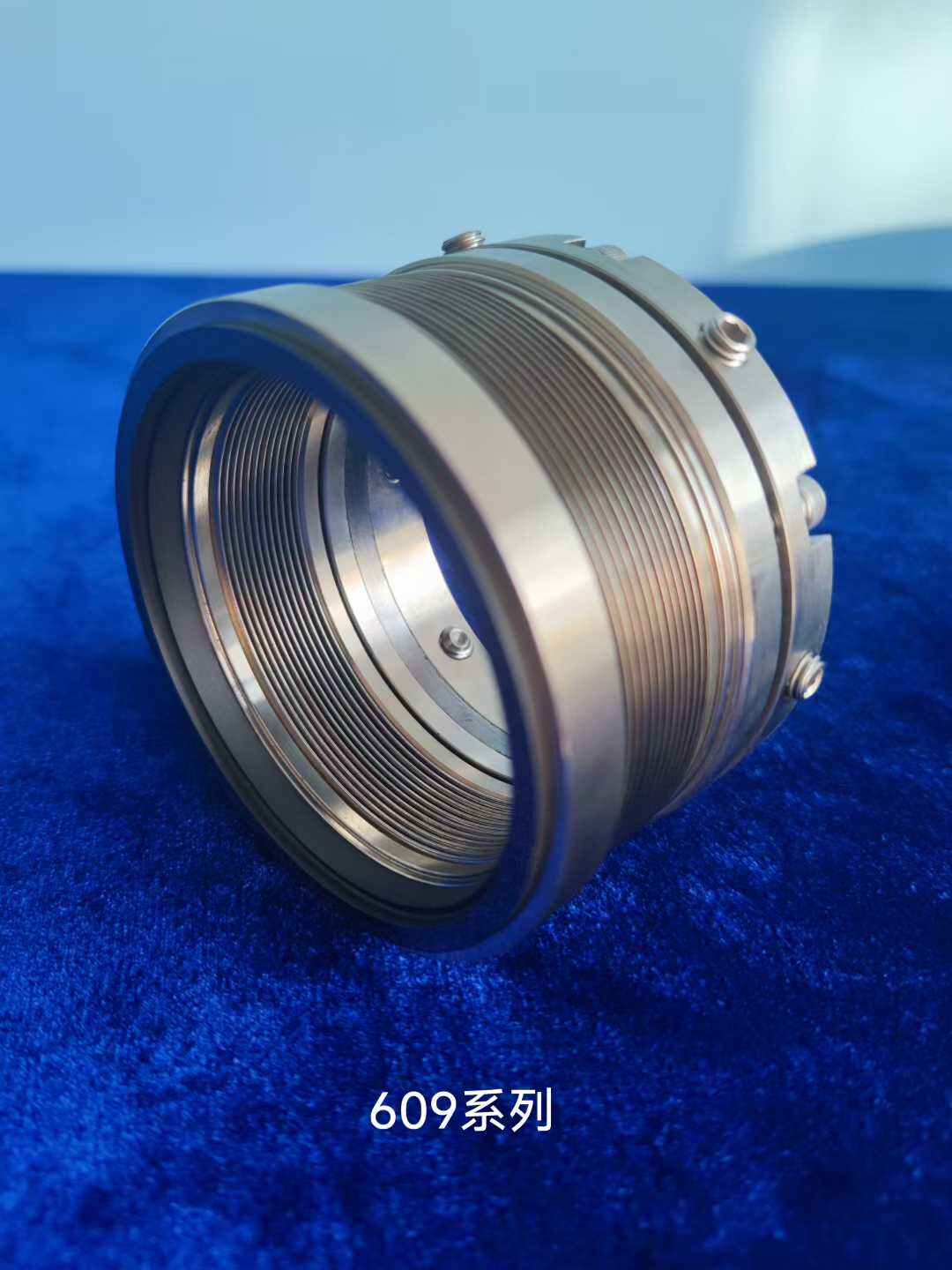
Industrial sealing systems operating under extreme thermal cycling and corrosive media exposure demand engineering solutions that can withstand repeated expansion and contraction while maintaining barrier integrity. Metal bellows seals have emerged as a critical technology for applications where elastomeric and conventional mechanical seals fail prematurely. These precision-engineered components utilize thin-walled corrugated metal structures to provide flexible sealing without the limitations of polymer-based materials, making them indispensable in chemical processing, petroleum refining, cryogenic systems, and high-temperature operations where both thermal shock and aggressive chemistry challenge seal longevity.
Understanding how metal bellows seals function in thermally dynamic and chemically aggressive environments requires examining their unique structural characteristics, material selection principles, and operational parameters that distinguish them from alternative sealing technologies. This comprehensive guide explores the engineering fundamentals, application considerations, and performance optimization strategies specific to thermal cycling and corrosive media applications, providing engineers and maintenance professionals with actionable intelligence for seal specification and troubleshooting in demanding industrial contexts.
Engineering Fundamentals of Metal Bellows in Thermal Cycling Environments
Structural Response to Temperature Fluctuations
The corrugated geometry of metal bellows creates a flexible membrane capable of accommodating axial displacement without generating excessive restorative forces. During thermal cycling, the shaft and housing materials expand and contract at different rates based on their respective coefficients of thermal expansion. Conventional seals with rigid components generate high interface stresses during these dimensional changes, accelerating wear and causing premature failure. Metal bellows absorb these thermal movements through elastic deformation of the convolutions, maintaining consistent seal face contact pressure across temperature excursions ranging from cryogenic levels below negative 200 degrees Celsius to elevated temperatures exceeding 400 degrees Celsius in specialized applications.
The spring rate of metal bellows determines how effectively the seal accommodates thermal displacement while maintaining adequate face loading. Engineers calculate this spring rate based on bellows geometry parameters including convolution pitch, wall thickness, outer diameter, and the number of convolutions. Lower spring rates improve thermal cycle tolerance by reducing interface stress variations, but must be balanced against the need for sufficient closing force to maintain seal contact during pressure fluctuations. Material selection significantly influences thermal performance, with austenitic stainless steels like 316L offering excellent thermal fatigue resistance across moderate temperature ranges, while nickel-based alloys such as Inconel 718 or Hastelloy C-276 extend operational capability into more extreme thermal environments.
Thermal Fatigue Mechanisms and Cycle Life Prediction
Repeated thermal cycling subjects metal bellows to alternating stress patterns that can initiate fatigue cracks if design margins are insufficient. The thin-walled construction that provides flexibility also creates stress concentration zones at convolution roots where cyclic bending occurs. Thermal fatigue life depends on the stress amplitude experienced during each cycle, the material's fatigue strength characteristics, and the presence of corrosive media that may accelerate crack propagation through stress corrosion cracking mechanisms. Engineering standards such as EJMA guidelines provide calculation methodologies for predicting bellows fatigue life based on operating parameters, though actual service conditions involving combined thermal and pressure cycling often require safety factors of three to five times the calculated minimum wall thickness.
Temperature gradients within the metal bellows structure introduce additional complexity beyond uniform thermal expansion effects. Rapid heating or cooling creates transient temperature distributions where the inner and outer bellows surfaces experience different instantaneous temperatures, inducing thermal stress independent of mechanical loading. Applications involving thermal shock, such as emergency shutdown scenarios or process upsets in chemical reactors, generate the most severe stress conditions. Proper bellows design for these applications incorporates convolution geometries that minimize stress concentration factors and material selections with high thermal conductivity to reduce gradient severity. Post-weld heat treatment becomes critical for austenitic stainless steel bellows operating in thermal cycling service, as residual stresses from welding can combine with operational thermal stresses to initiate premature cracking.
Integration with Seal Face Materials for Temperature Compatibility
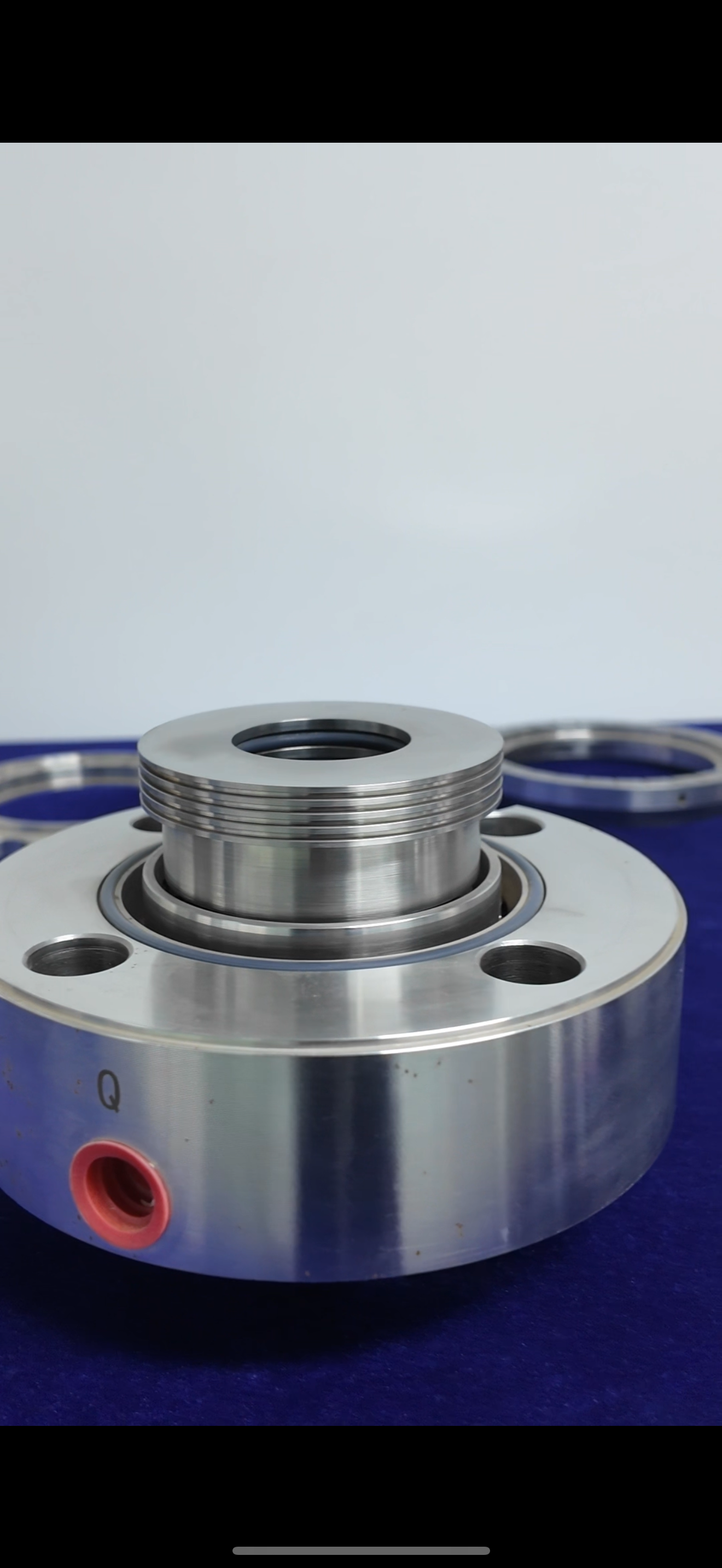
Metal bellows mechanical seals typically employ hard face pairings to withstand the thermal and chemical conditions encountered in demanding applications. Silicon carbide versus silicon carbide combinations offer excellent thermal shock resistance and chemical inertness, making them suitable for most corrosive media applications across wide temperature ranges. However, the relatively high thermal expansion coefficient of silicon carbide compared to tungsten carbide requires careful consideration of face flatness distortion during thermal cycling. Engineers must account for differential thermal expansion between the seal faces, metal bellows, and seal housing to prevent face opening or excessive unit loading that compromises sealing performance.
The metal bellows itself serves as both the secondary seal and the spring element providing seal face loading, eliminating the elastomeric secondary seals and metal springs found in conventional mechanical seal designs. This monolithic approach prevents the thermal degradation of elastomers that limits conventional seals to temperatures below 200 degrees Celsius and eliminates crevices where corrosive media can accumulate. The welded attachment between the metal bellows and seal components creates a hermetic barrier with no potential leak paths through secondary seal interfaces. This design philosophy makes metal bellows seals inherently superior for applications combining high-temperature operation with corrosive chemistry, though it requires more sophisticated manufacturing processes including electron beam or laser welding techniques to maintain bellows integrity.
Material Selection Strategies for Corrosive Media Resistance
Metallurgical Considerations for Chemical Compatibility
Selecting appropriate alloys for metal bellows exposed to corrosive media requires comprehensive analysis of the chemical environment including specific compounds present, concentration levels, temperature, pH, oxidizing or reducing conditions, and the presence of halides or other aggressive species. Standard austenitic stainless steels like 316L provide adequate corrosion resistance in many applications involving mild acids, alkaline solutions, and organic solvents, offering an economical baseline material for general chemical service. However, chloride-containing environments, even at relatively low concentrations, can induce pitting corrosion and stress corrosion cracking in austenitic stainless steels, particularly under thermal cycling conditions where tensile stresses cyclically reload susceptible grain boundaries.
Nickel-based superalloys extend corrosion resistance into highly aggressive chemical environments where stainless steels prove inadequate. Alloy C-276, containing significant molybdenum and tungsten content, resists pitting and crevice corrosion in chloride solutions, wet chlorine gas, hypochlorite solutions, and mixed acid environments. Alloy 625 provides excellent resistance to oxidizing acids and seawater applications with its chromium-rich passive film. For the most extreme corrosive conditions involving hot concentrated acids or halogen compounds, reactive metals like titanium, zirconium, or tantalum may be specified for metal bellows construction despite their higher material costs and more challenging fabrication requirements. Material testing in simulated service conditions becomes essential when operating parameters approach the boundaries of published corrosion resistance data.
Galvanic Corrosion and Material Pairing Protocols
Metal bellows seals incorporate multiple metallic components including the bellows itself, seal faces, drive collars, and hardware, creating opportunities for galvanic corrosion when dissimilar metals contact in the presence of conductive fluids. The potential difference between metals in the galvanic series drives corrosion current that accelerates material loss from the more anodic component. Engineers must consider the entire material system when specifying metal bellows seals for corrosive media, selecting compatible alloys that minimize galvanic potential differences or implementing isolation strategies to prevent current flow between dissimilar metals.
Common material pairings that present galvanic concerns include stainless steel metal bellows with tungsten carbide seal faces, or nickel alloy bellows with carbon steel shafts in pumps handling seawater or acidic process fluids. The relative surface areas of the anode and cathode significantly influence corrosion rates, with small anode to large cathode ratios producing the most aggressive attack. Design practices to mitigate galvanic corrosion include using insulating sleeves between dissimilar metals, coating less noble metals with protective barriers, or specifying metallurgically compatible material combinations throughout the seal assembly. In particularly aggressive applications, engineers may specify monolithic material systems where the metal bellows, seal components, and even the pump shaft utilize the same base alloy to eliminate galvanic coupling entirely.
Surface Treatment and Passivation for Enhanced Durability
Surface condition of metal bellows significantly influences corrosion initiation and propagation rates in aggressive media. Manufacturing processes including forming, welding, and machining can leave surface contaminants, heat-affected zones, or mechanical damage that compromise the protective passive film naturally present on corrosion-resistant alloys. Proper passivation treatment removes free iron contamination and optimizes the chromium oxide layer that provides corrosion protection, substantially improving resistance to pitting and crevice corrosion in chloride environments.
Electropolishing represents an advanced surface treatment that removes material through controlled anodic dissolution, creating an ultrasmooth surface finish that enhances corrosion resistance and facilitates cleaning in sanitary applications. The process preferentially removes surface peaks and inclusions, eliminating potential corrosion initiation sites while thickening and stabilizing the passive film. For metal bellows operating in highly corrosive media with thermal cycling, electropolishing can extend service life by factors of two to five compared to mechanically finished surfaces. Additional protective coatings including fluoropolymer barriers or ceramic coatings provide supplementary corrosion resistance in extreme chemical environments, though these must be applied carefully to avoid compromising bellows flexibility or introducing coating delamination failure modes.
Operational Parameters and Performance Optimization
Pressure-Temperature Envelope Definition
The operational envelope for metal bellows seals combines pressure limitations, temperature boundaries, and cycle life considerations into an integrated performance specification. Maximum pressure capability depends on bellows wall thickness, convolution geometry, and material yield strength, with typical designs accommodating pressures from vacuum service to 40 bar for general industrial applications, and specialized high-pressure configurations reaching 100 bar or higher. Temperature capability spans from cryogenic service near absolute zero to elevated temperatures approaching 500 degrees Celsius for exotic alloy constructions, though practical industrial applications typically operate within narrower ranges optimized for specific process conditions.
The interaction between pressure and temperature creates complex stress states within metal bellows that influence fatigue life and failure modes. Elevated temperatures reduce material yield strength and fatigue resistance, requiring more conservative design margins or thicker bellows construction. Simultaneously, thermal expansion effects compound mechanical pressure-induced stresses, particularly during transient conditions. Engineers must evaluate the combined pressure-temperature-cycle loading spectrum when specifying metal bellows seals, using finite element analysis for critical applications to verify stress levels remain within acceptable boundaries throughout the expected duty cycle. Published pressure-temperature ratings typically assume steady-state operation, requiring derating factors for applications involving frequent cycling or rapid temperature changes.
Seal Face Lubrication and Heat Dissipation
Metal bellows mechanical seals generate frictional heat at the seal face interface that must be dissipated to prevent thermal distortion, accelerated wear, or vapor film formation that compromises sealing effectiveness. The thin fluid film between seal faces provides both lubrication to minimize friction and a heat transfer path to conduct thermal energy away from the interface. Film thickness typically measures only micrometers, requiring precise face flatness and parallelism to maintain stable hydrodynamic or mixed lubrication conditions across operating speed and pressure variations.
Applications involving thermal cycling complicate seal face lubrication by introducing transient thermal gradients that temporarily distort face geometry. During heating, differential thermal expansion between seal components can cause waviness or coning that allows process fluid to escape until thermal equilibrium reestablishes proper face contact. Cooling cycles reverse these effects, potentially causing excessive face loading and heat generation. Engineers optimize metal bellows seal face performance through careful material selection with matched thermal expansion characteristics, face geometry modifications including pressure-balancing features, and adequate coolant flow provisions in dual seal arrangements. For extreme thermal cycling applications, auxiliary cooling systems or barrier fluid circulation may be necessary to stabilize seal face temperature and maintain consistent sealing performance throughout transient operating conditions.
Monitoring and Predictive Maintenance Strategies
Implementing condition monitoring for metal bellows seals enables early detection of degradation before catastrophic failure occurs, maximizing equipment availability while preventing environmental releases in corrosive media applications. Traditional leak detection methods including visual inspection and temperature monitoring provide basic failure indication, but more sophisticated diagnostic approaches enable truly predictive maintenance strategies. Acoustic emission monitoring detects stress waves generated by crack propagation within metal bellows structures, providing advance warning of fatigue-related failures. Vibration analysis identifies changes in seal face running conditions that indicate wear progression or face distortion from thermal effects.
For metal bellows seals in critical services handling highly corrosive or toxic media, redundant monitoring systems combining multiple diagnostic techniques provide enhanced reliability. Process parameter trending including seal chamber pressure, temperature, and auxiliary system flow rates reveals gradual performance changes before gross failure occurs. Advanced installations incorporate seal face temperature measurement using embedded thermocouples or infrared sensors to detect excessive heat generation from face contact problems. Implementing systematic inspection intervals based on calculated thermal and pressure cycle accumulation allows planned replacement before reaching fatigue life limits, preventing unplanned failures that could result in environmental incidents or extended downtime in critical process units.
Application-Specific Design Considerations
Chemical Processing and Pharmaceutical Manufacturing
The chemical processing industry represents the largest application sector for metal bellows seals due to the prevalence of corrosive media combined with elevated temperatures and stringent emission control requirements. Reactor agitators, transfer pumps, and distillation column mixers handling acids, bases, solvents, and reactive intermediates require sealing solutions that resist chemical attack while accommodating thermal expansion from batch heating and cooling cycles. Metal bellows designs for these applications typically employ nickel alloys or high-grade stainless steels with electropolished surfaces to minimize contamination and facilitate cleaning between product campaigns.
Pharmaceutical manufacturing imposes additional requirements beyond chemical compatibility, including validation documentation, material traceability, and compliance with regulatory standards for product contact surfaces. Metal bellows seals in pharmaceutical service often utilize single-piece bellows construction without internal welds that could harbor bacterial growth, and surface finishes meeting sanitary standards with Ra values below 0.8 micrometers. The combination of aggressive cleaning agents, steam sterilization cycles, and chemically reactive drug intermediates creates a uniquely challenging operating environment where metal bellows provide superior longevity compared to elastomeric seals that degrade rapidly under repeated thermal and chemical exposure. Proper material selection and surface preparation become critical to meeting the extended run lengths required for economic pharmaceutical production while maintaining the quality standards demanded by regulatory agencies.
Petrochemical Refining and Hydrocarbon Processing
Refinery applications subject metal bellows seals to hydrocarbon streams contaminated with hydrogen sulfide, mercaptans, chlorides, and other corrosive species at elevated temperatures and pressures. Hot oil pumps, catalytic cracker services, and hydrotreater applications generate some of the most demanding operating conditions encountered in industrial sealing, combining thermal cycling from process upsets with chemically aggressive environments that promote sulfidation, carburization, and hydrogen embrittlement failure mechanisms. Material selection for these services requires careful evaluation of specific process chemistry and operating conditions, with specialized alloys often necessary to achieve acceptable service life.
Hydrogen service presents unique challenges for metal bellows seals due to the small molecular size of hydrogen that permeates through metal structures and the potential for hydrogen embrittlement that degrades mechanical properties. Nickel-based alloys generally resist hydrogen effects better than ferritic or martensitic steels, making them preferred materials for metal bellows in high-pressure hydrogen applications. However, even nickel alloys experience reduced ductility in severe hydrogen environments, requiring conservative design margins and periodic inspection to detect early signs of embrittlement. Hydrocarbon processing applications also involve frequent thermal transients from startup and shutdown sequences, requiring metal bellows designs optimized for cycle life rather than maximum pressure or temperature capability alone. The economic impact of unplanned seal failures in these high-value production environments justifies premium material selections and more conservative design approaches that maximize reliability over initial cost considerations.
Cryogenic Systems and Liquefied Gas Handling
Cryogenic applications operating at temperatures below negative 150 degrees Celsius require metal bellows seals capable of maintaining ductility and sealing effectiveness under extreme cold conditions where elastomeric materials become brittle and ineffective. Liquefied natural gas pumps, industrial gas production equipment, and cryogenic distillation systems depend on metal bellows technology to provide reliable sealing across the temperature range from ambient conditions during startup to operating temperatures approaching absolute zero. Material selection focuses on austenitic stainless steels and aluminum alloys that retain adequate toughness at cryogenic temperatures, avoiding ferritic steels and some nickel alloys that exhibit ductile-to-brittle transition behavior at intermediate temperatures.
Thermal cycling in cryogenic service presents distinct challenges compared to high-temperature applications due to the extreme temperature differential between ambient and operating conditions, often exceeding 300 degrees Celsius. This large thermal excursion generates substantial dimensional changes that metal bellows must accommodate while maintaining seal face alignment and contact pressure. Condensation of atmospheric moisture on cold seal components during shutdown can introduce corrosion concerns even when the process fluid itself is non-corrosive, requiring protective coatings or purge gas systems to prevent ice formation and corrosion damage. The combination of extreme cold, high pressure from liquefied gas vapor pressure, and frequent thermal cycling from batch operations creates demanding duty cycles that challenge even well-engineered metal bellows seal designs, making proper application engineering and installation practices essential to achieving reliable performance in cryogenic services.
FAQ
What determines the maximum thermal cycling frequency that metal bellows seals can withstand?
The maximum sustainable thermal cycling frequency for metal bellows seals depends on the stress amplitude generated during each cycle, the material fatigue properties, and the total accumulated cycle count over the seal service life. Rapid thermal cycling creates higher stress rates and may not allow sufficient time for temperature equilibrium throughout the bellows structure, potentially inducing thermal gradients that add to mechanical stresses. Most metal bellows designs can accommodate thousands to tens of thousands of thermal cycles when stress amplitudes remain within the endurance limit of the material, but higher stress conditions reduce cycle life according to the material S-N fatigue curve. Applications requiring frequent cycling benefit from bellows designs with lower spring rates, thicker walls in critical stress zones, and materials with superior low-cycle fatigue resistance such as nickel-based superalloys. Consulting with seal manufacturers regarding specific cycling patterns and obtaining fatigue life calculations for actual service conditions ensures adequate design margins for reliable operation.
How do you select between welded and formed metal bellows for corrosive media applications?
Welded metal bellows consist of thin metal diaphragms joined at their periphery through automated welding processes, creating a highly flexible structure with very low spring rates suitable for applications requiring minimal seal face load variation. Formed metal bellows are manufactured from seamless tubing through hydroforming or mechanical forming operations, producing a one-piece construction without weld joints that eliminates potential weld defect concerns. For corrosive media applications, formed bellows offer advantages by eliminating heat-affected zones adjacent to welds that may exhibit reduced corrosion resistance, and by providing a crevice-free geometry that prevents accumulation of corrosive species. However, formed bellows typically exhibit higher spring rates and are limited to smaller diameter configurations compared to welded designs. Applications with stringent cycle life requirements or those involving stress corrosion cracking concerns favor formed bellows, while larger diameter seals or those requiring extremely low spring rates may necessitate welded construction despite the additional quality control measures needed to ensure weld integrity in corrosive environments.
Can metal bellows seals operate effectively in applications involving both thermal cycling and abrasive particles?
Metal bellows seals can function in mildly abrasive services, but the thin-walled bellows structure is vulnerable to erosion damage from solid particles circulating in the seal chamber. The corrugated geometry creates zones where particles can impinge and gradually erode material, particularly at convolution peaks where wall thickness is already minimal. Combining thermal cycling with abrasive conditions accelerates degradation because thermal fatigue creates microcracks that propagate more rapidly when subjected to erosive particle impacts. Applications involving both conditions require careful evaluation of particle size, concentration, hardness, and velocity to assess whether metal bellows construction is appropriate. Mitigation strategies include implementing effective seal flush systems to minimize particle concentration in the seal chamber, selecting harder alloy materials with better erosion resistance, or using protective coatings on bellows exterior surfaces. For highly abrasive applications with significant thermal cycling, alternative seal configurations such as metal bellows designs with protective shrouds or non-bellows seal types may prove more reliable. Consultation with application engineers familiar with combined abrasion and thermal cycling conditions helps identify the most suitable sealing approach for specific operating parameters.
What maintenance practices extend metal bellows seal life in thermally cyclic corrosive environments?
Optimizing metal bellows seal longevity in demanding thermal and chemical conditions requires systematic attention to operating practices and preventive maintenance protocols. Minimizing thermal shock through controlled startup and shutdown procedures reduces peak stress amplitudes and extends fatigue life significantly compared to rapid temperature changes. Maintaining proper seal face lubrication through adequate process fluid flow or auxiliary flush systems prevents excessive heat generation that compounds thermal stress from external temperature cycling. Regular inspection of seal chamber conditions including pressure, temperature, and flush flow rate identifies developing problems before catastrophic failure occurs. Periodic analysis of barrier fluid or flush fluid samples detects seal wear products or process contamination that indicates deteriorating performance requiring intervention. Maintaining proper shaft alignment and minimizing vibration through precision balancing and bearing maintenance prevents additional mechanical stresses that combine with thermal and chemical effects to accelerate failure. Implementing predictive maintenance technologies including vibration monitoring and acoustic emission detection enables condition-based replacement strategies that maximize utilization of seal design life while avoiding unplanned failures in critical services handling hazardous or corrosive media.
Table of Contents
- Engineering Fundamentals of Metal Bellows in Thermal Cycling Environments
- Material Selection Strategies for Corrosive Media Resistance
- Operational Parameters and Performance Optimization
- Application-Specific Design Considerations
-
FAQ
- What determines the maximum thermal cycling frequency that metal bellows seals can withstand?
- How do you select between welded and formed metal bellows for corrosive media applications?
- Can metal bellows seals operate effectively in applications involving both thermal cycling and abrasive particles?
- What maintenance practices extend metal bellows seal life in thermally cyclic corrosive environments?