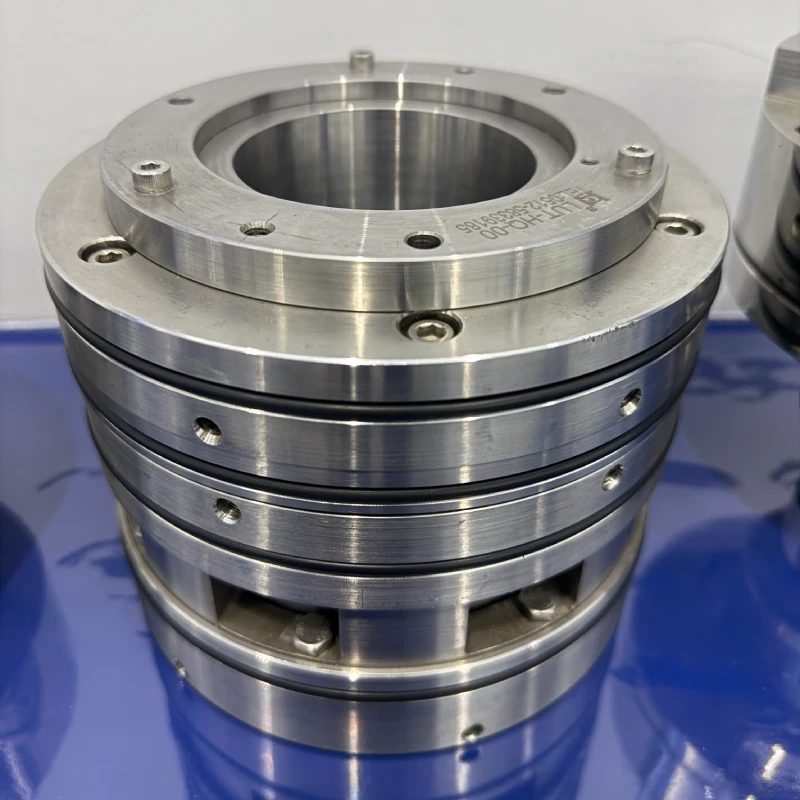

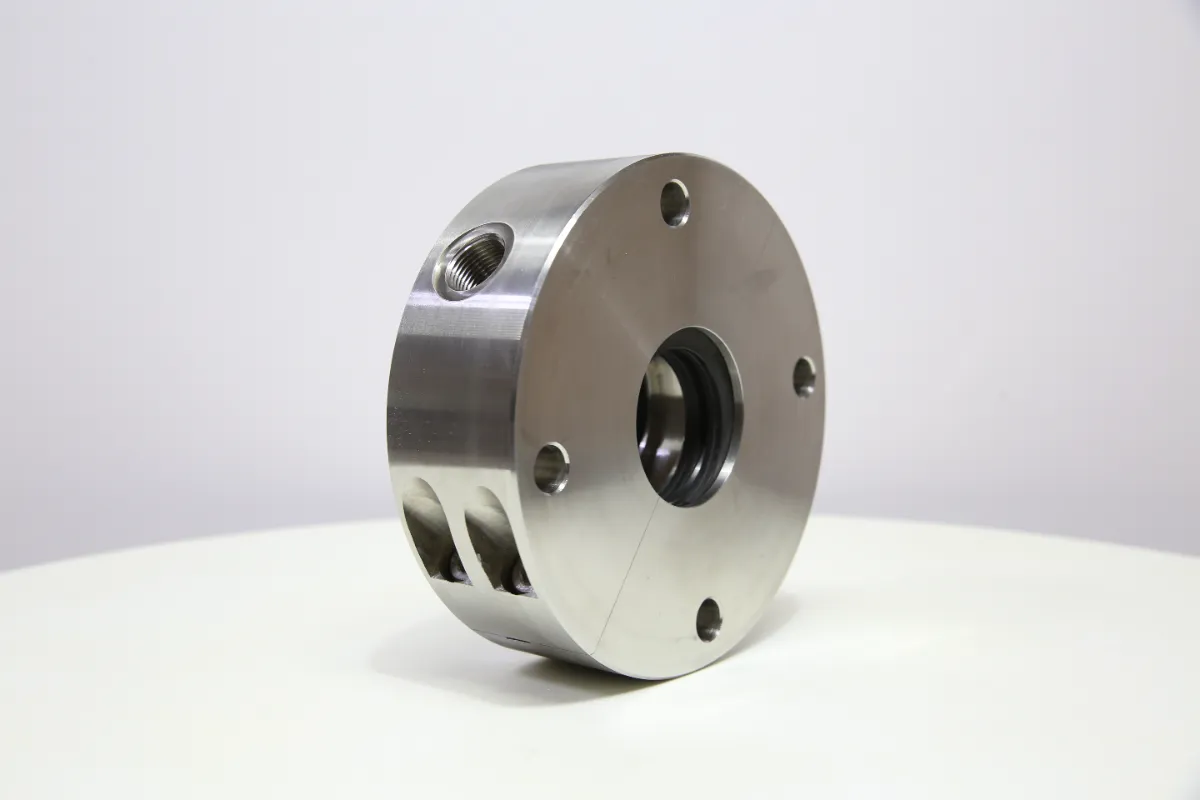
In industrial fluid handling operations, system reliability depends heavily on the performance of critical sealing components that prevent leakage, contamination, and costly downtime. Mechanical seal solutions represent engineered systems designed to address the complex challenges of rotating equipment across manufacturing, chemical processing, water treatment, and energy sectors. These solutions integrate advanced materials, precision engineering, and application-specific designs to deliver consistent sealing performance under demanding operational conditions. As industrial facilities face increasing pressure to maximize uptime, reduce maintenance costs, and meet stringent environmental standards, selecting appropriate mechanical seal solutions becomes a strategic decision that directly impacts operational efficiency and long-term profitability.
Enhancing system reliability through mechanical seal solutions requires understanding how these components function within the broader context of rotating equipment systems. Unlike static seals that simply create barriers between stationary surfaces, mechanical seals must maintain dynamic sealing interfaces while accommodating shaft rotation, thermal expansion, pressure fluctuations, and process fluid characteristics. The reliability enhancement comes from matching seal design, material selection, and support systems to specific operational parameters. This article explores the critical elements that enable mechanical seal solutions to strengthen system reliability, examining design features, material considerations, implementation strategies, and operational factors that determine long-term performance in industrial applications.

Core Design Elements That Drive Reliability in Mechanical Seal Solutions
Sealing Interface Configuration and Contact Dynamics
The fundamental reliability of mechanical seal solutions begins with the sealing interface itself, where two precisely finished surfaces create a controlled leakage path through extremely narrow gaps measured in micrometers. Single-face configurations feature one primary sealing interface, offering simplicity and lower initial cost for standard applications. Dual-face arrangements incorporate two sealing interfaces with a barrier fluid chamber between them, providing redundancy and contamination protection for critical processes. The contact dynamics between seal faces determine wear rates, heat generation, and leakage control. Balanced seal designs reduce the closing force on seal faces by minimizing the pressure area differential, lowering friction and extending service life in high-pressure applications. Understanding these interface configurations enables engineers to select mechanical seal solutions that match specific reliability requirements.
The geometry of sealing faces significantly influences reliability outcomes through its impact on lubrication film development and thermal management. Flat face geometries provide maximum contact area but may struggle with heat dissipation in high-speed or high-pressure conditions. Waviness patterns engineered into seal faces create hydrodynamic lift that enhances lubrication film stability while reducing friction and wear. Surface finish specifications typically range from 3 to 6 helium light bands, ensuring flatness that promotes consistent sealing without excessive smoothness that could prevent adequate lubrication. The precision manufacturing required for these surfaces directly correlates with seal reliability, as even minor deviations can cause uneven wear patterns, accelerated degradation, and premature failure. Advanced mechanical seal solutions incorporate surface engineering technologies that optimize face geometry for specific operating conditions.
Secondary Sealing Components and Dynamic Accommodation
Secondary seals provide the critical function of preventing leakage around the seal components themselves while allowing necessary axial movement to maintain face contact as wear occurs. O-rings represent the most common secondary seal type, offering cost-effectiveness and reliability across moderate temperature and pressure ranges. V-rings provide enhanced dynamic sealing performance with lower friction characteristics, particularly valuable in applications with significant shaft movement. Wedge seals deliver superior high-pressure capability through their geometric design that increases sealing force under pressure. The selection of secondary seal type within mechanical seal solutions directly affects system reliability by determining accommodation capability for thermal growth, vibration, and installation tolerances. Proper secondary seal specification prevents premature failures caused by excessive friction, inadequate movement allowance, or chemical incompatibility.
The dynamic accommodation capability of mechanical seal solutions determines their ability to maintain sealing effectiveness as operating conditions vary throughout service life. Springs or bellows provide the closing force that keeps seal faces in contact despite wear, pressure changes, and thermal effects. Multi-spring designs distribute closing force evenly around the seal circumference, reducing sensitivity to installation alignment errors and shaft runout. Single-spring configurations offer simplicity and resistance to clogging in contaminated fluids. Metal bellows eliminate the need for dynamic O-rings and provide excellent corrosion resistance with precise axial movement control. The accommodation mechanism selected within mechanical seal solutions must match the expected range of operational variations to maintain reliable performance throughout the intended service interval.
Material Selection Strategies for Enhanced Durability
Seal Face Material Combinations and Compatibility
The material pairing at the sealing interface fundamentally determines wear resistance, chemical compatibility, and thermal stability of Mechanical Seal Solutions. Carbon graphite materials provide self-lubricating properties, thermal shock resistance, and compatibility with most process fluids, making them the most widely used stationary face material. Silicon carbide delivers exceptional hardness, wear resistance, and chemical inertness, serving as the standard rotating face material for demanding applications. Tungsten carbide offers superior abrasion resistance in slurry services where solid particles would rapidly degrade softer materials. Ceramic faces provide cost-effective performance in clean fluid applications with moderate operating parameters. The reliability enhancement from proper material selection becomes evident through extended mean time between failures and reduced maintenance intervention frequency.
Material compatibility extends beyond the seal faces to encompass all wetted components including secondary seals, springs, and hardware exposed to process fluids. Elastomer selection for O-rings and gaskets must account for chemical resistance, temperature limits, compression set characteristics, and swelling tendencies. Fluoroelastomers offer broad chemical compatibility with excellent high-temperature performance but limited low-temperature flexibility. Perfluoroelastomers provide the ultimate chemical resistance for aggressive solvents and acids. EPDM excels in water and steam service with outstanding ozone resistance. Metal components require evaluation for corrosion resistance, with stainless steel alloys, Hastelloy, and titanium specified based on fluid chemistry. Comprehensive material selection within mechanical seal solutions prevents unexpected failures caused by chemical attack, temperature-induced degradation, or galvanic corrosion between dissimilar metals.
Coating Technologies and Surface Enhancement
Advanced surface treatments and coatings extend the performance envelope of mechanical seal solutions by enhancing properties beyond base material capabilities. Diamond-like carbon coatings provide extremely low friction coefficients with exceptional hardness, enabling reliable operation in boundary lubrication conditions where conventional materials would fail. Chrome oxide coatings improve corrosion resistance and wear characteristics of metallic seal components. Tungsten carbide coatings applied through thermal spray processes deliver abrasion resistance to shaft sleeves and hardware in erosive environments. These surface enhancement technologies enable mechanical seal solutions to achieve reliability levels previously unattainable, particularly in applications involving poor lubricity fluids, abrasive particles, or extreme temperature cycling.
The application of coatings must consider the interaction between coating properties and base material characteristics to ensure adhesion integrity and thermal expansion compatibility. Proper surface preparation through grit blasting, chemical cleaning, and substrate conditioning determines coating bond strength and long-term durability. Coating thickness specifications balance performance enhancement against dimensional tolerance requirements and potential for edge effects. Quality control measures including adhesion testing, thickness verification, and microstructure examination ensure coating reliability within mechanical seal solutions. When properly specified and applied, coating technologies transform standard seal components into high-performance solutions capable of operating reliably in environments that would quickly degrade uncoated materials.
Installation Practices and System Integration Requirements
Precision Installation Techniques and Alignment Control
The reliability potential engineered into mechanical seal solutions can only be realized through proper installation practices that ensure correct positioning, alignment, and setting. Shaft runout measurement before installation identifies rotating equipment issues that would cause premature seal failure through excessive face loading variations. Perpendicularity verification ensures the seal chamber face sits square to the shaft axis, preventing cocked installation that creates uneven seal face contact. Dimensional checks confirm that working length, seal chamber depth, and shaft shoulder positions match design specifications. These precision installation techniques directly impact system reliability by establishing the geometric foundation for proper seal operation throughout its service life.
Installation procedures must account for component handling, cleanliness, and assembly sequence to protect precision sealing surfaces and ensure proper component engagement. Seal faces require protection from contact with hard surfaces, contamination from dirt or debris, and damage from improper handling. Secondary seals need lubrication during assembly to prevent rolling, twisting, or cutting during installation. Mechanical seal solutions with cartridge construction simplify installation by pre-assembling and pre-setting all components, eliminating many potential installation errors. Torque specifications for gland bolts ensure adequate compression without distortion. Installation documentation including photographs, measurements, and checklists creates accountability and provides reference information for troubleshooting if reliability issues emerge. The attention to installation detail separates installations that achieve design reliability from those that experience premature failures despite proper component selection.
Support System Configuration and Environmental Control
Mechanical seal solutions operate as integrated systems that depend on properly configured support systems for flush, cooling, and barrier fluid circulation. American Petroleum Institute Plan 11 provides recirculation from the pump discharge back to the seal chamber, ensuring adequate flow across seal faces to remove frictional heat. Plan 23 circulates cooling liquid through a heat exchanger before reaching the seal, enabling temperature control in high-duty applications. Plan 52 supplies pressurized barrier fluid to the outboard side of dual seals, creating a clean environment that prevents process fluid contamination of the atmospheric side seal. The reliability enhancement from proper support system configuration becomes evident through stable seal face temperatures, clean operating environments, and consistent lubrication conditions that maximize seal life.
Environmental control around mechanical seal solutions includes measures to protect against external contamination, manage temperature extremes, and accommodate facility-specific conditions. Seal chamber design features such as adequate flushing ports, proper vent and drain locations, and sufficient volume for thermal expansion affect reliability by influencing fluid circulation patterns and trapped gas elimination. Pipe strain management prevents external loads from distorting seal chambers and creating misalignment. Vibration isolation reduces dynamic loading on seal faces that accelerates wear. Temperature monitoring through thermocouples or infrared sensors enables early detection of developing problems before catastrophic failure occurs. Integrating mechanical seal solutions with comprehensive support systems and environmental controls transforms individual components into reliable subsystems that contribute to overall equipment effectiveness.
Operational Factors and Performance Optimization
Process Condition Management and Parameter Control
The operating environment directly determines whether mechanical seal solutions achieve their design reliability potential or experience accelerated degradation and premature failure. Pressure conditions affect seal face loading, secondary seal compression, and spring deflection, with pressure cycling creating fatigue stresses that accumulate over time. Temperature influences material properties, lubrication film viscosity, and thermal expansion differentials between components. Speed determines frictional heat generation rates and hydrodynamic lift development at the sealing interface. Process fluid characteristics including viscosity, vapor pressure, suspended solids content, and chemical aggressiveness establish the lubrication and wear environment that seals must withstand. Maintaining stable operating conditions within the design envelope for specified mechanical seal solutions maximizes reliability by avoiding stress factors that accelerate failure mechanisms.
Operational practices including startup procedures, shutdown protocols, and upset condition management significantly impact seal reliability through their influence on thermal shock, pressure transients, and cavitation exposure. Gradual warmup procedures allow thermal equilibrium to develop without excessive temperature gradients that create stress concentrations. Controlled shutdown prevents rapid cooling that can cause condensation and corrosion in seal chambers. Pressure relief valve settings protect mechanical seal solutions from overpressure events that exceed design limits. Minimum flow bypass systems prevent deadhead operation that eliminates seal cooling and lubrication. Implementing operational discipline that protects seals from conditions beyond their design capability enhances system reliability by eliminating a major category of premature failures caused by operational abuse rather than component deficiencies.
Condition Monitoring and Predictive Maintenance Integration
Advanced reliability programs integrate condition monitoring technologies that enable early detection of developing seal problems before they progress to failures that cause unplanned shutdowns. Vibration analysis identifies bearing degradation, misalignment, and unbalance conditions that create abnormal seal loading. Temperature monitoring detects cooling system problems, excessive friction, or process upsets that threaten seal integrity. Acoustic emission sensors detect the high-frequency signals associated with leakage, cavitation, and seal face contact anomalies. Leakage detection systems provide quantitative measurement of seal performance degradation over time. These monitoring technologies transform mechanical seal solutions from passive components into actively monitored systems where performance trends guide maintenance timing and prevent unexpected failures.
Predictive maintenance strategies leverage condition monitoring data to optimize seal replacement timing, balancing the cost of premature replacement against the risk of unexpected failure. Statistical analysis of seal life data across similar applications establishes reliability distributions that inform replacement interval decisions. Failure mode analysis identifies root causes of seal problems, enabling corrective actions that address underlying issues rather than simply replacing failed components. Performance trending reveals gradual degradation patterns that indicate appropriate intervention timing. Reliability-centered maintenance approaches classify mechanical seal solutions by criticality, applying intensive monitoring to high-consequence applications while using simpler strategies for less critical services. This systematic approach to maintenance optimization enhances overall system reliability by ensuring that seal attention and resources focus where they deliver maximum value.
Application-Specific Considerations and Industry Requirements
Chemical Processing and Corrosive Service Adaptations
Chemical processing applications present unique challenges for mechanical seal solutions due to aggressive fluid chemistry, elevated temperatures, and strict fugitive emission regulations. Corrosive acids require seal materials with exceptional chemical resistance such as silicon carbide faces, perfluoroelastomer secondary seals, and exotic alloy metallurgy. Solvents and hydrocarbons demand consideration of elastomer swelling characteristics and material compatibility. High-temperature processes necessitate heat-resistant materials including metal bellows, carbon graphite faces, and high-temperature elastomers or metal secondary seals. The reliability demands of chemical processing drive specification of dual mechanical seal solutions with barrier fluid systems that provide redundancy and environmental isolation, ensuring containment even if the primary seal develops leakage. Meeting industry-specific requirements while maintaining reliability requires deep understanding of both seal technology and process chemistry.
Fugitive emission regulations in chemical processing impose stringent leakage limits that influence mechanical seal solutions specification toward technologies capable of near-zero emission performance. Gas seals utilizing non-contacting technology eliminate wear mechanisms while achieving leakage rates measured in parts per million. Containment secondary seals provide backup sealing if primary seal faces separate. External pressurization systems maintain positive pressure differentials that prevent process fluid escape. Compliance with environmental regulations enhances operational reliability by driving adoption of advanced sealing technologies that inherently provide longer service life and reduced maintenance intervention. The intersection of regulatory compliance and reliability improvement creates synergies where environmental performance and operational performance advance together.
Power Generation and High-Energy System Applications
Power generation facilities require mechanical seal solutions capable of withstanding extreme operating parameters including high pressures, elevated temperatures, and continuous operation at design conditions for extended periods. Boiler feed pumps operate at pressures exceeding 3000 psi with feedwater temperatures approaching 400°F, demanding balanced seal designs with specialized materials and intensive cooling systems. Condensate pumps handle low-pressure, high-temperature conditions where vapor formation and thermal shock present challenges. Cooling water systems expose seals to corrosive chemistry, abrasive particles, and biofouling that require robust designs with adequate flushing. The reliability emphasis in power generation stems from the high cost of unplanned outages and the safety-critical nature of many applications, driving conservative seal selection, redundant monitoring, and proactive maintenance programs that maximize availability.
Nuclear power applications impose additional requirements including radiation resistance, traceability documentation, and seismic qualification that influence mechanical seal solutions specification and supply chain management. Materials must maintain properties despite radiation exposure that degrades many polymers and affects metallurgy. Component manufacturing requires extensive quality documentation and material certifications that enable traceability throughout service life. Seismic qualification testing verifies that seal assemblies maintain functionality during and after earthquake events. These specialized requirements result in mechanical seal solutions engineered specifically for nuclear service, with enhanced reliability features, extensive testing protocols, and supply chain controls that ensure consistent quality. The rigorous qualification process and conservative design approach deliver reliability levels appropriate for applications where failure consequences extend beyond simple equipment damage to encompass public safety considerations.
FAQ
What factors most significantly impact the reliability of mechanical seal solutions in industrial applications?
The reliability of mechanical seal solutions depends primarily on proper material selection for face pairs and elastomers that match process fluid chemistry and operating temperature ranges, precision installation that ensures correct alignment and setting dimensions, adequate support system design that provides cooling and lubrication to seal faces, and operating condition stability that maintains parameters within design envelopes. Secondary factors include vibration control, piping strain management, contamination prevention, and implementation of condition monitoring that enables early problem detection. The interaction between these factors determines whether seals achieve their design life potential or experience premature failures.
How do dual mechanical seal solutions enhance system reliability compared to single seal configurations?
Dual mechanical seal solutions enhance reliability by providing a redundant sealing interface with a barrier fluid chamber between primary and secondary seals, ensuring that process fluid containment continues even if the inboard seal develops leakage. The barrier fluid creates a clean operating environment for both seals, preventing abrasive particle contamination that accelerates wear. Pressurized barrier fluid systems enable seal operation with difficult process fluids by substituting compatible barrier fluids at the sealing interfaces. Monitoring systems detect primary seal leakage into the barrier chamber before external leakage occurs, enabling planned maintenance rather than emergency repairs. These features combine to deliver significantly enhanced reliability in critical applications where single seal failure consequences are unacceptable.
What role does preventive maintenance play in maximizing mechanical seal solution reliability?
Preventive maintenance maximizes mechanical seal solution reliability by addressing degradation before failures occur, maintaining support systems in proper operating condition, and detecting developing problems early through systematic inspection and monitoring. Scheduled activities include verifying cooling water flow rates and temperatures, checking barrier fluid levels and pressures, inspecting for external leakage or contamination, analyzing vibration trends, and reviewing operating parameter logs for anomalies. Preventive maintenance also encompasses periodic replacement of wear items including seal faces and elastomers based on service life data rather than waiting for failure. This proactive approach reduces unplanned downtime, prevents secondary damage to equipment that occurs when seals fail catastrophically, and optimizes overall maintenance costs by enabling planned work during scheduled outages rather than emergency response conditions.
How does process fluid viscosity affect mechanical seal solution performance and reliability?
Process fluid viscosity significantly affects mechanical seal solution performance by influencing lubrication film thickness at the sealing interface, frictional heat generation rates, and fluid circulation effectiveness in the seal chamber. Low-viscosity fluids like water and light hydrocarbons provide thin lubrication films that require precisely controlled seal face flatness and surface finish to prevent excessive leakage. High-viscosity fluids create thicker lubrication films that reduce wear but generate more frictional heat and may impede circulation needed for cooling. Extremely high viscosity can prevent adequate lubrication film formation during startup or low-speed operation, causing dry running and rapid seal face damage. Mechanical seal solutions must be specified with face loading, materials, and support system configurations appropriate for the specific viscosity range to achieve reliable performance throughout the operating envelope.
Table of Contents
- Core Design Elements That Drive Reliability in Mechanical Seal Solutions
- Material Selection Strategies for Enhanced Durability
- Installation Practices and System Integration Requirements
- Operational Factors and Performance Optimization
- Application-Specific Considerations and Industry Requirements
-
FAQ
- What factors most significantly impact the reliability of mechanical seal solutions in industrial applications?
- How do dual mechanical seal solutions enhance system reliability compared to single seal configurations?
- What role does preventive maintenance play in maximizing mechanical seal solution reliability?
- How does process fluid viscosity affect mechanical seal solution performance and reliability?