 EN
EN


Selecting the correct pump seal for your application is a critical engineering decision that directly impacts equipment reliability, maintenance costs, and operational safety. Whether you're pumping clean water, viscous oils, or abrasive slurries, the mechanical seal you choose must withstand the specific chemical, thermal, and mechanical demands of your process fluid. A properly selected pump seal prevents leakage, minimizes downtime, and extends equipment life, while an inappropriate choice can lead to premature failure, contamination, and costly emergency repairs. This comprehensive guide examines the technical considerations, material selection criteria, and design features necessary to match pump seal technology to water, oil, and slurry pumping environments across industrial sectors.
Understanding the fundamental differences between water, oil, and slurry applications is essential before evaluating specific pump seal designs. Water applications typically involve low viscosity fluids with minimal lubricity, requiring seals that can operate with thin fluid films and potentially handle abrasive particles in municipal or industrial water systems. Oil applications present challenges related to higher viscosity, temperature extremes, and chemical compatibility with hydrocarbon-based fluids. Slurry applications represent the most demanding environment, where solid particles suspended in liquid create erosive wear, require wider seal face gaps, and demand materials with exceptional hardness and impact resistance. Each application category requires distinct seal face material combinations, seal chamber configurations, and support system designs to achieve reliable performance and acceptable service life.
Understanding Pump Seal Fundamentals for Fluid-Specific Applications
Core Mechanical Seal Components and Operating Principles
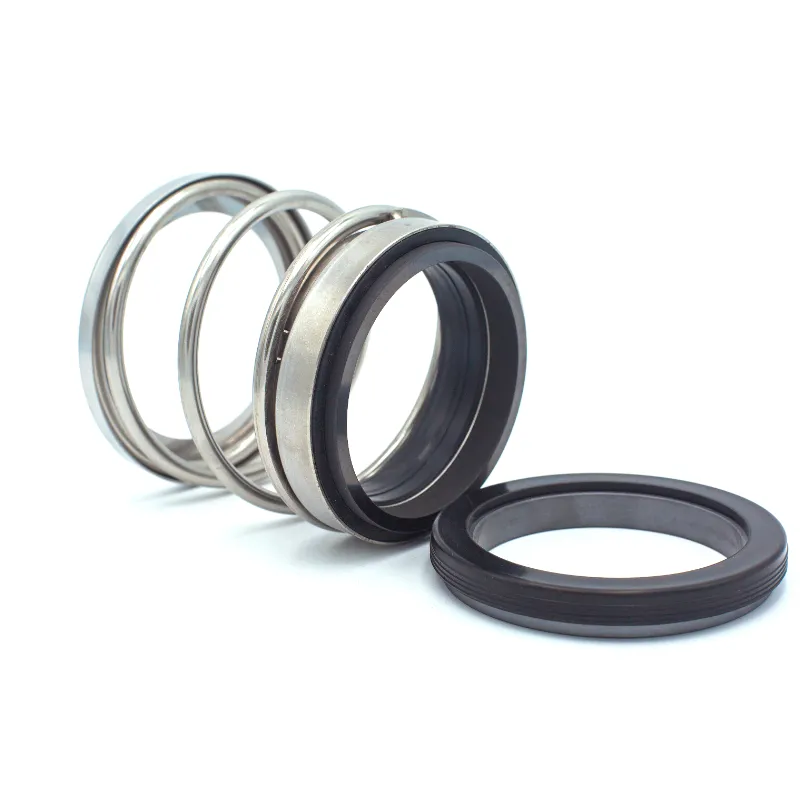
A mechanical pump seal consists of several integrated components working together to create a dynamic sealing interface between rotating and stationary equipment parts. The primary seal faces—one rotating with the shaft and one stationary in the seal housing—maintain contact under spring pressure while separated by a microscopic fluid film that provides lubrication and cooling. Secondary sealing elements including O-rings or gaskets prevent leakage around the seal hardware, while springs or bellows maintain consistent closing force across the seal faces throughout the operating cycle. The effectiveness of any pump seal depends on maintaining proper face contact, adequate lubrication, efficient heat dissipation, and material compatibility with the process fluid. In water applications, the low viscosity requires tighter face flatness and surface finish to maintain an effective seal. Oil applications benefit from the inherent lubricating properties of the fluid but must accommodate higher operating temperatures. Slurry applications necessitate robust designs that can tolerate solid particle ingress without catastrophic face damage.
Seal Face Material Selection Based on Fluid Properties
The choice of seal face materials represents the single most important technical decision in pump seal selection for any application. Carbon graphite remains the most common material for the softer seal face due to its excellent self-lubricating properties, thermal conductivity, and chemical resistance across most fluids. For water applications, carbon graphite paired with ceramic or silicon carbide hard faces provides reliable performance in clean to moderately contaminated water. Oil pumping applications often utilize carbon graphite against tungsten carbide or silicon carbide, materials that resist the chemical effects of petroleum products while maintaining dimensional stability at elevated temperatures. Slurry applications demand the hardest material combinations—typically silicon carbide against silicon carbide or tungsten carbide variants—to resist abrasive wear from suspended solids. Material hardness, fracture toughness, thermal shock resistance, and chemical inertness must all be evaluated against specific operating parameters including fluid pH, temperature range, solid particle size and concentration, and shaft surface speed to ensure the selected pump seal materials will deliver acceptable service life in your specific application environment.
Seal Configuration Types and Application Suitability
Mechanical pump seal configurations range from simple single seals to complex dual seal arrangements with barrier or buffer fluid systems. Single mechanical seals with one set of seal faces represent the most economical solution for non-hazardous, non-volatile fluids where minor leakage to atmosphere is acceptable. These designs work well in many water applications and low-pressure oil services. Double mechanical seals incorporate two sets of seal faces in either back-to-back or tandem arrangements, with a barrier or buffer fluid circulating between them to provide cooling, lubrication, and secondary containment. Double seals are preferred for toxic, flammable, or expensive process fluids, and are often mandatory for slurry applications where process fluid ingress to the inboard seal would cause rapid failure. Cartridge seal designs that preassemble all seal components in a single unit simplify installation and ensure proper component positioning, making them increasingly popular across all application types. The seal configuration must be selected based on regulatory requirements, fluid hazard classification, emission control needs, and the consequences of seal failure in your specific operating context.
Water Application Pump Seal Selection Criteria
Clean Water and Potable Water Service Requirements
Pump seals for clean water and potable water applications must meet stringent material compliance standards while providing reliable leak-free operation in a fluid environment that offers minimal lubrication. Elastomer materials in secondary seals must comply with NSF/ANSI 61 drinking water system component standards, ensuring no harmful substances leach into the water supply. The low viscosity and minimal lubricity of water creates thin seal face films that require extremely flat and smooth seal face surfaces to maintain effective sealing without excessive friction and heat generation. Carbon graphite versus ceramic seal face combinations are most common in clean water service due to their cost-effectiveness and adequate wear resistance. Spring-loaded pusher seals or bellows seals both perform well, with bellows designs offering the advantage of reduced dynamic O-rings that can wear in abrasive conditions. Seal chamber flushing with clean water from the pump discharge helps maintain face lubrication and prevents air ingress during startup. For cold water applications below 5°C, elastomer selection becomes critical to maintain flexibility and sealing capability at low temperatures.
Wastewater and Process Water Seal Challenges
Wastewater and industrial process water applications introduce contaminants, abrasive particles, and chemical variations that significantly impact pump seal performance and service life. Suspended solids, fibrous materials, and grit in wastewater can migrate into the seal chamber and damage seal faces through abrasive wear or by wedging between faces and preventing proper contact. Hard face materials like silicon carbide become necessary to resist abrasive wear, while seal chamber designs with external flushing systems help dilute contaminants and maintain cleaner fluid at the seal faces. Cyclone separators or strainers integrated into the seal flush line can remove larger particles before they reach the seal interface. Chemical variations in process water including pH extremes, chlorine content, and dissolved solids affect elastomer compatibility and seal face material selection. Viton or EPDM elastomers may be required instead of standard nitrile rubber depending on chemical exposure. The pump seal design for contaminated water service must balance particle tolerance with acceptable leakage rates, often requiring slightly more open seal face geometries that sacrifice absolute leak-tightness for improved particle handling capability and extended operating life between maintenance intervals.
High Temperature and High Pressure Water Applications
Water applications involving elevated temperatures or pressures demand pump seal designs with enhanced thermal management and pressure-handling capabilities. Boiler feedwater pumps, hot water circulation systems, and high-pressure cleaning applications create operating conditions that stress standard seal designs. At water temperatures above 100°C, vapor pressure considerations become critical—insufficient seal chamber pressure allows water to flash across the seal faces, destroying lubrication and causing rapid thermal damage. External seal flush systems using cool water from an independent source help manage seal face temperatures and maintain adequate pressure margins above vapor pressure. Pump seal materials for high temperature water service require compatibility with both liquid water and steam, as seal faces may experience both phases during transient conditions. Silicon carbide seal faces offer superior thermal conductivity compared to ceramic, helping dissipate frictional heat. Metal bellows seals provide better high-temperature performance than elastomer bellows, maintaining consistent spring force without stress relaxation. Pressure ratings must consider both steady-state operating pressure and potential pressure spikes from pump startup, valve closure, or system transients that momentarily exceed normal operating conditions.
Oil Application Pump Seal Engineering
Light Hydrocarbon and Refined Oil Product Sealing
Pumping light hydrocarbons including gasoline, diesel, jet fuel, and refined lubricating oils presents unique pump seal challenges related to fluid volatility, low surface tension, and chemical reactivity with elastomers. Light oils and fuels have excellent lubricating properties that support thin seal face films, but their low flash points and vapor pressures create safety and emission control requirements that often mandate double seal configurations with barrier fluid systems. Single pump seals in light hydrocarbon service must incorporate emission control features including seal pots or containment systems that capture and return minor leakage to the process or vent it to appropriate collection systems. Elastomer selection is critical as many petroleum products cause swelling, softening, or chemical degradation of standard sealing materials. Fluorocarbon elastomers like Viton provide superior chemical resistance to most hydrocarbons, while specialized compounds may be required for aromatic hydrocarbons or oxygenated fuels. Seal face materials typically combine carbon graphite with silicon carbide or tungsten carbide, both offering excellent wear resistance and chemical stability in hydrocarbon environments. Seal chamber temperature monitoring and cooling systems prevent heat buildup that could cause fluid vaporization or thermal degradation of seal components.
Heavy Oil and High Viscosity Fluid Challenges
Heavy crude oils, residual fuel oils, and high viscosity synthetic lubricants create pump seal operating conditions dominated by fluid drag forces, heat generation, and solidification concerns. The high viscosity of these fluids generates substantial drag on rotating seal faces and seal chamber components, producing frictional heat that must be dissipated to prevent thermal damage. External seal flush systems using heated flush fluid help maintain process fluid temperature above its pour point, preventing solidification in the seal chamber that would lock the seal faces. Some heavy oil applications require steam or electric heat tracing of seal chambers and flush lines to maintain adequate fluidity. The thick fluid films created by high viscosity fluids actually benefit seal face lubrication but can impede heat transfer, requiring seal designs with enhanced cooling features. Bellows seals are preferred over pusher seals in very high viscosity service because they eliminate dynamic O-rings that experience high friction and wear in viscous fluids. Pump seal face materials should emphasize thermal conductivity—silicon carbide offers better heat dissipation than ceramic or tungsten carbide. Seal face width and balance ratio must be optimized to limit heat generation while maintaining adequate closing force for reliable sealing under pressure variations.
Oil Application Temperature and Pressure Extremes
Oil pumping applications span enormous temperature and pressure ranges from cryogenic LNG pumps at minus 160°C to thermal oil systems exceeding 300°C and high-pressure hydraulic systems reaching 400 bar. Each extreme requires specialized pump seal engineering approaches. Low temperature applications demand elastomer materials that maintain flexibility and sealing capability at cryogenic conditions—PTFE, modified PTFE, or specialized low-temperature fluorocarbon compounds replace standard elastomers. Metal components must be selected for thermal contraction compatibility and low-temperature impact toughness. High temperature oil applications above 200°C typically require metal bellows pump seals that maintain consistent spring force without stress relaxation and incorporate secondary seals using graphite, PTFE, or perfluoroelastomer materials stable at elevated temperatures. High pressure applications create larger closing forces on seal faces, increasing contact pressure, frictional heat, and wear rates. Pressure must be balanced through proper seal design geometry and balance ratios typically between 0.65 and 0.85 to limit face loading while maintaining adequate closing force. Multiple seal stages in series or balanced dual seal configurations help divide pressure loads across multiple sealing interfaces in the most extreme pressure applications.
Slurry Application Pump Seal Solutions
Understanding Slurry Characteristics and Seal Damage Mechanisms
Slurry pumping applications—including mineral processing, mining operations, wastewater treatment, and chemical processing—subject pump seals to the most severe operating conditions encountered in fluid handling systems. Slurries consist of solid particles suspended in liquid carriers, and the particle characteristics determine seal damage mechanisms and design requirements. Particle hardness, size distribution, concentration, shape, and settling rate all influence seal face wear and sealing effectiveness. Hard angular particles like silica sand or mineral ores cause abrasive wear that rapidly erodes seal faces unless extremely hard face materials are employed. Softer particles may embed in carbon graphite seal faces, creating a protective layer but potentially causing surface finish deterioration. Large particles can wedge between seal faces, forcing them apart and allowing massive leakage or causing face chipping and catastrophic failure. Fine particles create paste-like slurries that pack seal chambers and impede flushing effectiveness. The liquid carrier properties—pH, temperature, chemical reactivity—add another layer of complexity to pump seal selection. Effective slurry seal designs must tolerate or exclude particles while maintaining adequate seal face lubrication and heat dissipation in an environment where the process fluid itself may be highly erosive.
Hard-Faced Materials and Surface Engineering for Slurry Service
Slurry applications demand the hardest, most wear-resistant seal face materials available to achieve acceptable service life in abrasive environments. Silicon carbide seal faces—particularly reaction-bonded or sintered alpha silicon carbide grades—provide exceptional hardness above 2500 HV combined with good fracture toughness and chemical resistance. Running silicon carbide against silicon carbide in both rotating and stationary positions maximizes wear resistance but requires excellent face flatness and surface finish to establish effective sealing. Tungsten carbide seal faces offer even higher hardness approaching 1800 HV but with greater brittleness and sensitivity to thermal shock. Advanced ceramic materials including alumina and zirconia provide intermediate hardness with enhanced toughness. Surface engineering treatments including lapping to ultra-fine finishes, vapor deposition coatings, and laser surface texturing can further enhance slurry seal face performance. Seal face surface finish typically ranges from 0.1 to 0.3 micrometers Ra depending on particle size in the slurry—coarser finishes paradoxically improve performance with larger particles by allowing particle passage rather than trapping them between faces. The pump seal face width must be optimized to balance contact area for pressure capacity against frictional heat generation, with narrower faces generally preferred in slurry service to limit drag and particle accumulation.
Seal Chamber Flushing and Barrier Systems for Slurries
Effective seal chamber flushing represents the single most critical success factor for pump seal reliability in slurry applications. Flushing systems dilute particle concentration at the seal faces, remove heat, and can completely exclude abrasive slurry from the sealing interface when properly designed. API Plan 11 flushing recirculates process fluid from the pump discharge through the seal chamber, providing cooling and particle dilution but still exposing seal faces to slurry. API Plan 32 uses clean external fluid injected into the seal chamber to create a barrier that prevents slurry ingress—this approach dramatically extends seal life but requires a compatible clean fluid source, injection pressure control, and consumption management. Cyclone separators in the flush line remove particles before fluid reaches the seal chamber, reducing abrasive wear while allowing use of process fluid for flushing. Dual pump seal configurations with barrier fluid systems completely isolate inboard seal faces from abrasive slurry, with the barrier fluid providing clean lubrication and cooling. The barrier fluid must be compatible with both the slurry and seal materials while having appropriate viscosity for seal lubrication. Seal chamber geometry should promote flow circulation and particle flushing rather than creating stagnant zones where solids accumulate and harden.
Specialty Seal Designs for Severe Slurry Conditions
When conventional pump seal designs prove inadequate for extremely abrasive or difficult slurries, specialty seal technologies offer alternative approaches. Non-contacting seals including labyrinth seals, hydrodynamic seals, and mechanical seals with deliberate face separation sacrifice leak-tightness for particle tolerance and extended wear life. These designs accept controlled leakage to external collection systems rather than risking catastrophic failure from particle damage. Split seal designs allow seal replacement without complete pump disassembly, reducing maintenance downtime in applications with frequent seal changes. Cartridge seals with integrated flushing systems and particle exclusion features simplify installation and ensure proper flush system operation. Some slurry applications employ magnetic drive or canned motor pumps that eliminate shaft seals entirely, containing the process fluid completely within the pump housing—these sealless designs eliminate seal maintenance but carry higher initial costs and limitations on power capacity and solid particle concentration. For the most challenging slurries, application engineering must consider the total cost of ownership including seal purchase price, installation labor, mean time between failures, replacement parts costs, and production losses during maintenance when comparing conventional mechanical pump seal approaches against specialty seal technologies or sealless pump alternatives.
Cross-Application Seal Selection Methodology
Systematic Application Analysis and Data Collection
Proper pump seal selection begins with comprehensive documentation of operating conditions, fluid properties, and performance requirements. Critical parameters include fluid type and composition, operating temperature range, system pressure at the seal chamber, shaft speed and diameter, pump design and configuration, stuffing box dimensions, and available flushing or cooling systems. For water applications, document fluid source, contamination levels, pH, temperature, and any chemical additives. Oil applications require viscosity at operating temperature, flash point, pour point, chemical composition, and compatibility data. Slurry applications demand detailed particle characterization including size distribution, hardness, concentration by weight and volume, settling characteristics, and abrasivity testing results. Service factor analysis considers duty cycle, process criticality, environmental consequences of leakage, emission control requirements, and acceptable maintenance intervals. Previous seal performance history provides invaluable insights into failure modes, wear patterns, and service life expectations. This systematic data collection enables matching of pump seal materials, design features, and support systems to actual operating conditions rather than relying on general application categories or incomplete information that often leads to premature seal failure and repeated replacement cycles.
Material Compatibility and Performance Mapping
Matching seal materials to process fluids requires analysis of chemical compatibility, temperature stability, mechanical property requirements, and wear resistance. Comprehensive chemical resistance charts from seal manufacturers provide baseline compatibility data for common fluids and materials, but many industrial applications involve complex fluid mixtures, contamination, or operating extremes not fully covered by generic charts. Seal face material selection maps hardness and wear resistance requirements against thermal and chemical stability. Carbon graphite seal faces offer self-lubrication and broad chemical resistance but limited hardness for abrasive service. Ceramic materials provide moderate hardness with economy but can suffer thermal shock damage. Silicon carbide delivers exceptional hardness and chemical resistance with good thermal properties but at higher cost. Tungsten carbide offers maximum hardness for extreme abrasion but with brittle failure modes. Elastomer selection for secondary seals considers chemical resistance, temperature range, compression set resistance, and pressure capacity. Nitrile rubber provides economical general-purpose sealing for water and some oils. Fluorocarbon elastomers offer superior chemical and temperature resistance for aggressive fluids. Perfluoroelastomers handle the most extreme chemical and temperature conditions at premium cost. PTFE and filled PTFE variants provide universal chemical resistance with pressure and temperature limitations. The pump seal material selection process must balance technical performance requirements against cost constraints and material availability to identify the optimal combination for each specific application.
Economic Analysis and Life Cycle Cost Optimization
Pump seal selection decisions should be driven by total cost of ownership rather than initial purchase price alone. A comprehensive economic analysis includes seal purchase cost, installation labor, spare parts inventory, mean time between failures, replacement frequency, maintenance labor for change-outs, production losses during downtime, energy consumption from seal friction losses, fluid losses from leakage, environmental compliance costs, and safety incident risks. In many applications, the seal purchase price represents less than 20 percent of total ownership cost, with maintenance labor and production downtime dominating the economic picture. Premium pump seal designs with hard-faced materials, cartridge configurations, and dual seal arrangements may cost three to five times more than basic seals but deliver service life improvements of ten times or more, dramatically reducing life cycle costs. Water applications with low fluid value may tolerate more frequent seal replacement if basic seals prove economical. Oil applications with expensive or hazardous fluids justify premium seal investments to minimize leakage and extend service intervals. Slurry applications almost always benefit from maximum-durability pump seal designs because seal failures create costly production interruptions and frequently require complete pump removal for repair. Economic optimization requires realistic service life projections based on similar applications, accurate maintenance cost data, and honest assessment of production interruption costs to identify the seal solution that minimizes total cost over the equipment operating life rather than simply selecting the cheapest initial option.
FAQ
What is the typical service life difference between pump seals in water versus slurry applications?
Pump seal service life varies dramatically based on application severity. In clean water service with proper seal selection, mechanical seals typically achieve 3 to 5 years of continuous operation or longer. Light slurry applications with effective flushing systems and hard-faced seal materials may achieve 1 to 2 years of service life. Severe slurry applications with highly abrasive particles often see seal life measured in months, with 3 to 6 months considered acceptable in mining and mineral processing applications. Proper seal selection, effective flushing systems, and optimal operating conditions significantly impact these service life expectations across all application types.
Can a single pump seal design work effectively across water, oil, and slurry applications?
While some universal pump seal designs claim broad application suitability, optimal performance requires application-specific seal selection. A seal optimized for clean water with ceramic faces and standard elastomers will fail rapidly in abrasive slurry service. Conversely, a heavy-duty slurry seal with silicon carbide faces and complex flushing systems represents unnecessary cost in clean water applications. Oil applications require elastomer materials incompatible with water service and different seal face combinations. Rather than seeking a single universal pump seal, facilities with diverse applications should maintain an inventory of appropriate seal types matched to their specific water, oil, and slurry pumping requirements for optimal performance and economics.
How do I determine if I need a single or double mechanical pump seal configuration?
The choice between single and double pump seal configurations depends on fluid hazard classification, emission regulations, process criticality, and operating environment severity. Single seals are appropriate for non-hazardous, non-volatile fluids where minor leakage to atmosphere is acceptable and no emission control regulations apply. Double seals with barrier or buffer fluids become necessary for toxic, flammable, or expensive process fluids, when emission regulations prohibit atmospheric venting, or when external contamination must be excluded from the seal chamber. Slurry applications often require double seals to protect the outboard seal from abrasive process fluid. Environmental regulations increasingly mandate double seal configurations for volatile organic compounds and hazardous air pollutants, making them standard in chemical processing and petroleum refining regardless of traditional application practices.
What maintenance practices most significantly extend pump seal service life?
Several maintenance practices directly impact pump seal longevity across all applications. Proper shaft alignment maintains seal face parallelism and prevents excessive face loading—misalignment represents a leading cause of premature seal failure. Regular monitoring of seal chamber temperature and leakage detects developing problems before catastrophic failure occurs. Maintaining clean, properly functioning seal flush systems prevents contamination buildup and ensures adequate cooling. Verifying correct seal installation including proper compression, component positioning, and torque specifications prevents early failures from installation errors. Operating pumps within design parameters including avoiding cavitation, excessive vibration, and deadheading prevents mechanical damage to seal components. Implementing predictive maintenance using vibration analysis and thermal monitoring identifies bearing wear and coupling problems before they damage seals. These proactive maintenance practices typically deliver greater service life improvements than simply upgrading to more expensive pump seal designs while continuing poor maintenance practices.
Table of Contents
- Understanding Pump Seal Fundamentals for Fluid-Specific Applications
- Water Application Pump Seal Selection Criteria
- Oil Application Pump Seal Engineering
- Slurry Application Pump Seal Solutions
- Cross-Application Seal Selection Methodology
-
FAQ
- What is the typical service life difference between pump seals in water versus slurry applications?
- Can a single pump seal design work effectively across water, oil, and slurry applications?
- How do I determine if I need a single or double mechanical pump seal configuration?
- What maintenance practices most significantly extend pump seal service life?