 EN
EN


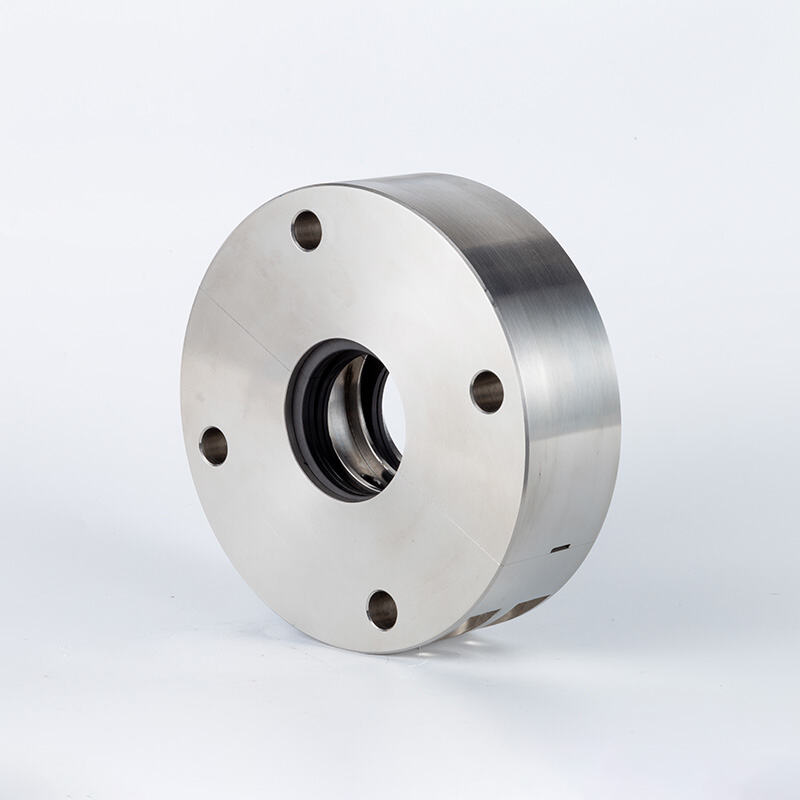
Corrosion-Resistant Metal Bellows Seal Materials
Material selection is the most critical factor in ensuring bellows seal longevity within corrosive environments. Chemically incompatible materials risk premature failure from pitting, stress corrosion cracking, or uniform corrosion. Engineers must evaluate both the bellows alloy and seal face pairing against process media characteristics—including pH, oxidizer concentration, chloride levels, and operating temperature—to achieve optimal performance and extended service life.
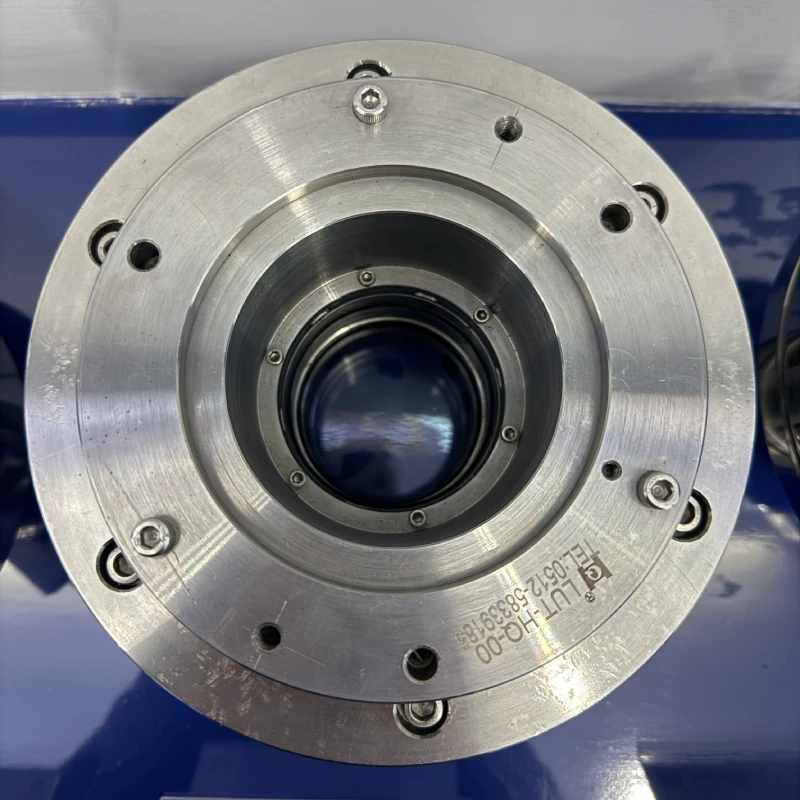
Hastelloy C-276 vs. Inconel 718: Performance in Reducing and Oxidizing Corrosive Media
Hastelloy C-276 excels in reducing acids such as sulfuric acid (≤70% at 80°C) and hydrochloric acid, making it a preferred choice for aggressive chemical processing. Its 15–17% molybdenum content delivers superior resistance to chloride-induced pitting compared to standard stainless steels. In contrast, Inconel 718 performs best in oxidizing environments—such as nitric or chromic acid solutions—where its 17–21% chromium forms a stable, self-healing oxide layer. While Inconel offers excellent high-temperature strength up to 700°C, it is significantly less resistant than Hastelloy C-276 to reducing acids. Selection should therefore align with dominant corrosion mechanisms: Hastelloy for chloride-rich or reducing services; Inconel for oxidizing conditions and elevated thermal stability.
Silicon Carbide and Tungsten Carbide Face Pairings for Aggressive Alkali and Chlorinated Environments
Silicon carbide (SiC) faces provide outstanding resistance in aggressive alkali environments—including sodium hydroxide solutions up to 50% concentration at 100°C—thanks to their near-total chemical inertness and exceptional thermal shock resistance. With a Knoop hardness of 2800, SiC also resists abrasive wear in particulate-laden services. For highly chlorinated hydrocarbons or salt brines, tungsten carbide (WC) paired with SiC offers enhanced corrosion resistance while retaining mechanical robustness under high surface pressures. Because WC (CTE ≈ 5.4 μm/m°C) and SiC (CTE ≈ 4.5 μm/m°C) differ thermally from common bellows alloys, designers must accommodate this mismatch to prevent thermal stress cracking during rapid transients exceeding 50°C/hour.
Thermal Shock Resilience in Metal Bellows Seal Design
Fatigue Life Under Rapid Temperature Cycling (API Plan 62, 50°C/hr Ramp Rate)
Rapid temperature changes—common in steam injection, cryogenic transfer, or batch processing—impose severe cyclic stresses on metal bellows seals. API Plan 62 defines standardized test conditions for evaluating thermal shock resilience, including a 50°C/hour ramp rate. Optimized bellows geometries can sustain over 10,000 cycles under these conditions, whereas suboptimal designs may fail before 5,000 cycles. Material choice strongly influences fatigue life: Inconel 718 bellows demonstrate 15% greater cycle endurance than 316L stainless steel counterparts when subjected to temperature differentials exceeding 200°C.
Influence of Bellows Geometry and Face Material Thermal Expansion Mismatch
Thermal expansion mismatch between seal faces and bellows generates destructive interfacial stresses during thermal transients. Key design considerations include:
| Design Factor | Impact on Thermal Shock Resilience | Mitigation Strategy |
|---|---|---|
| Bellows convolution depth | Controls axial flexibility | Deeper convolutions (≥4mm) absorb strain |
| Face material pairing | Determines CTE differential | Match SiC (4.5 μm/m°C) with compatible grades |
| Weld quality | Affects stress distribution | Laser-welded seams reduce fatigue points |
For example, SiC faces paired with Hastelloy bellows exhibit CTE mismatches below 2 μm/m°C—minimizing distortion and maintaining face flatness. In contrast, WC faces combined with stainless steel bellows generate 40% higher stress concentrations at differentials above 150°C. Finite element analysis confirms that geometry optimization reduces peak thermal stresses by 35% during API Plan 62 cycling.
Elastomer-Free Secondary Sealing for Extreme-Temperature Bellows Seal Applications
Standard elastomeric secondary seals—even advanced perfluoroelastomers (FFKM) or AFLAS—begin degrading near 300°C due to thermal embrittlement, loss of elasticity, and irreversible compression set. For continuous operation above this threshold, fully inorganic secondary sealing solutions are essential. Flexible graphite (exfoliated graphite foil) provides reliable sealing from cryogenic temperatures up to 500°C in inert or reducing atmospheres and maintains resilient compressive force through repeated thermal cycling. Expanded PTFE (ePTFE) offers broad chemical resistance up to 260°C but lacks graphite’s high-temperature margin. In the most demanding applications—such as molten-salt reactors, superheated steam, or high-temperature hydrocarbon processing—metal-jacketed gaskets or spiral-wound metallic elements eliminate all organic components entirely. Crucially, engineers must account for thermal expansion differences between the bellows alloy and secondary seal material to avoid loss of sealing force at startup or over-compression at peak temperature. When the secondary seal contains zero elastomers, the bellows seal achieves dependable operation above 400°C—removing elastomer embrittlement as a root cause of failure.
FAQ Section
1. Why is material selection critical for bellows seals in corrosive environments?
Material selection ensures longevity by preventing premature failure from corrosion or cracking, aligning the alloy with process media characteristics.
2. What environments are suitable for Hastelloy C-276?
Hastelloy C-276 is ideal for reducing environments with high chloride levels, such as sulfuric and hydrochloric acid.
3. How does SiC fare in aggressive alkali environments?
Silicon carbide excels in alkali solutions, providing chemical inertness and resistance to thermal shock and abrasive wear.
4. What is the advantage of elastomer-free secondary sealing?
Elastomer-free sealing withstands temperatures above 400°C, eliminating embrittlement and prolonging operational reliability in extreme applications.