 EN
EN


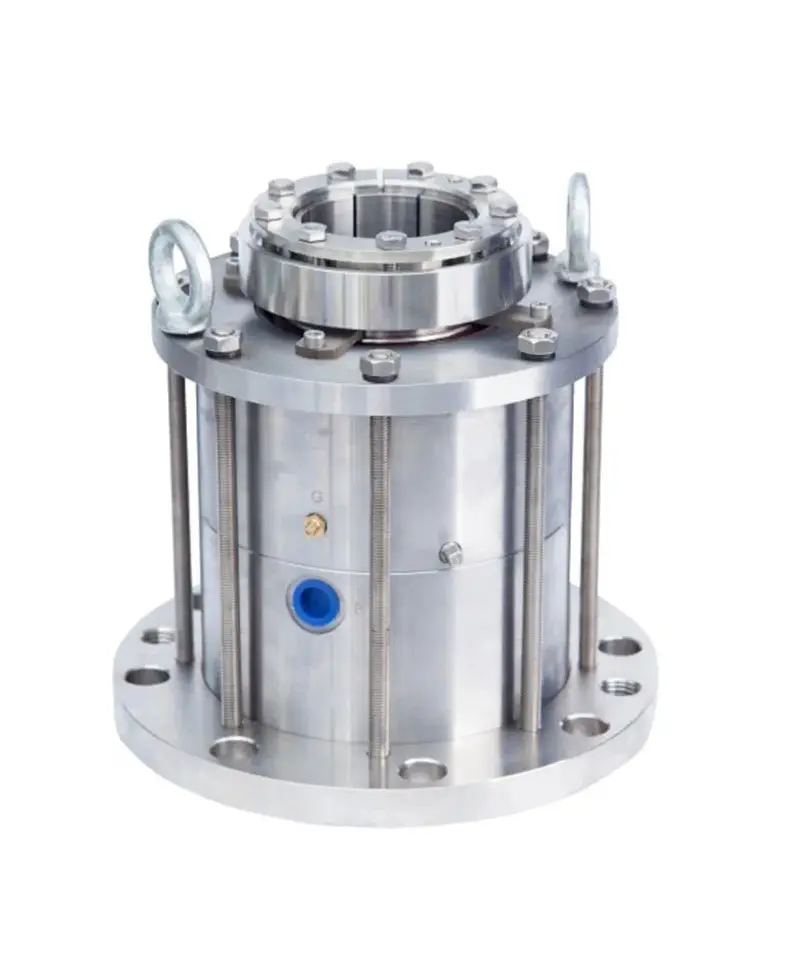
Core Pump Seal Selection Principles Across Fluid Types
Choosing the right pump seal for water, oil, or slurry applications begins with two foundational steps: assessing fluid compatibility and evaluating operating conditions. Getting these principles right prevents premature failure, unplanned downtime, and costly repairs.
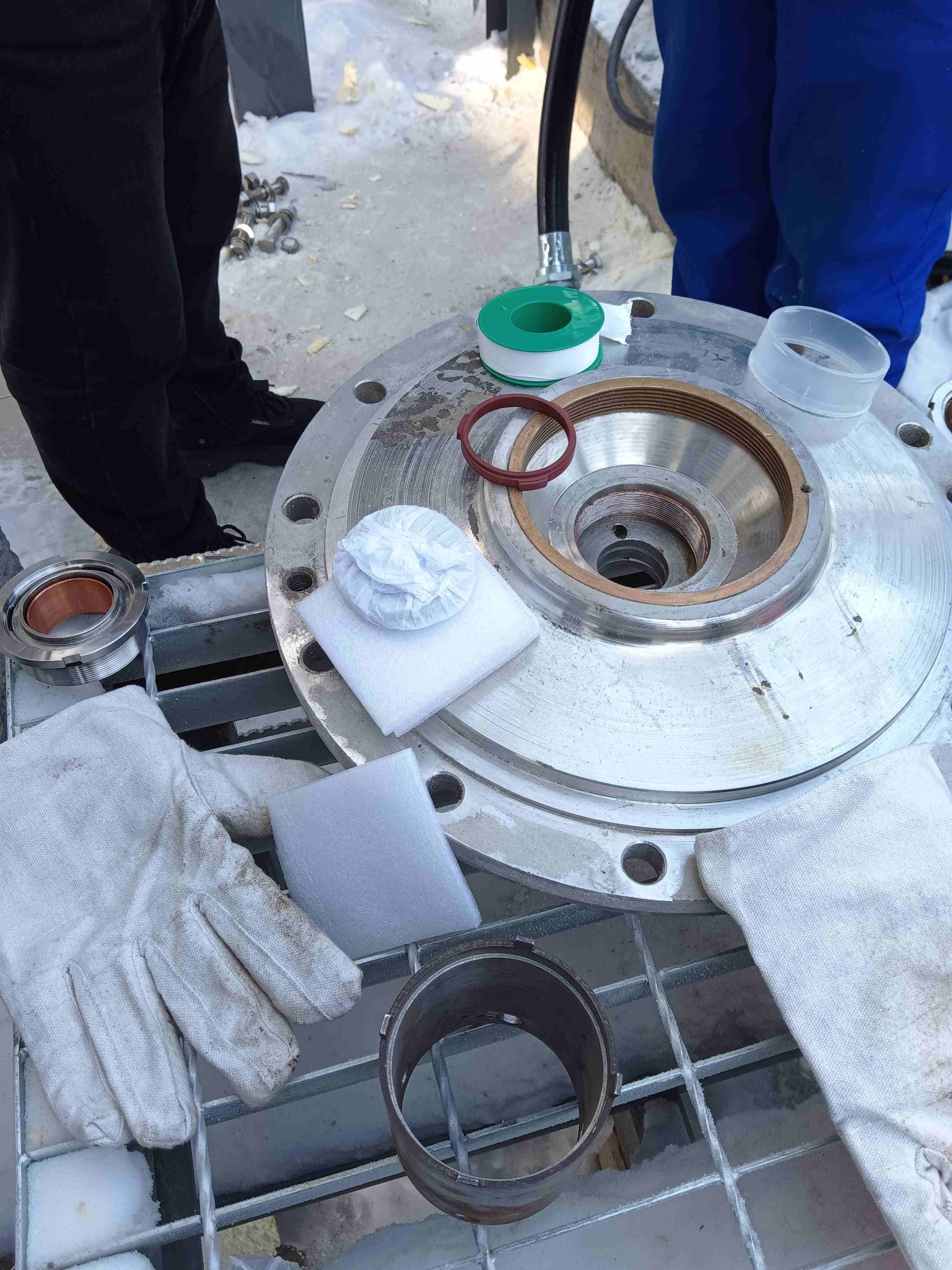
Why Fluid Compatibility Dictates Pump Seal Material and Design
The pumped fluid’s chemical and physical properties are the single most important factor in seal selection. Abrasive fluids require hardened seal faces—such as tungsten carbide—to resist wear. Corrosive chemicals demand chemically inert materials like silicon carbide or PTFE, which maintain integrity across wide temperature and pH ranges. Low-lubricity fluids—including clean water and light hydrocarbons—can starve the seal face of lubrication, leading to rapid thermal damage unless paired with self-lubricating materials (e.g., graphite) or supported by an external flush system. Matching seal materials to fluid properties prevents swelling, degradation, and leakage, directly extending service life.
Critical Operating Parameters: Pressure, Temperature, Speed, and NPSH
Beyond fluid compatibility, the seal must withstand the system’s mechanical and thermal extremes. Pressure determines seal balance: unbalanced designs suit pressures below 200 PSIG; balanced configurations are essential above that threshold to prevent distortion and face separation. Temperature dictates material stability—high-temperature services benefit from silicon carbide or graphite for thermal shock resistance and conductivity, while cryogenic applications require elastomers specifically formulated for low-temperature flexibility. Shaft speed influences heat generation at the interface; high-speed pumps perform best with ceramic or silicon carbide faces due to their hardness and thermal resilience. Finally, adequate NPSH is critical to avoid vaporization at the seal chamber, which can trigger dry running and catastrophic failure. Together, these parameters define the operational envelope the seal must reliably occupy.
Optimizing Pump Seal Performance for Water Applications
Balancing Corrosion Resistance, Low Friction, and Cost in Clean Water Systems
For clean water applications, the primary challenge is selecting a seal that resists corrosion without introducing unnecessary friction or cost. Unlike abrasive slurries or thermally demanding oil services, municipal and industrial water systems prioritize reliability, longevity, and ease of maintenance. A common and effective configuration pairs a silicon carbide stationary face with a carbon rotary face—leveraging silicon carbide’s hardness and corrosion resistance while retaining carbon’s low-friction, self-lubricating properties. Elastomer choice further supports durability: EPDM offers excellent water resistance and long-term stability, while nitrile rubber provides added strength in variable-temperature environments. By focusing on corrosion resistance, friction control, and total cost of ownership—not just initial price—engineers achieve optimal performance and predictable replacement cycles.
Selecting Robust Pump Seals for Oil and Hydrocarbon Services
Material Compatibility with Lubricity, Swelling, and Thermal Stability
Oil and hydrocarbon services demand seals engineered for lubricity retention, swelling resistance, and thermal stability. Hydrocarbons can degrade elastomers through chemical swelling or extraction, while elevated temperatures accelerate oxidative aging. Viton® fluoroelastomer and PTFE provide broad resistance to oils, solvents, and acidic contaminants. For rotating faces, silicon carbide and tungsten carbide retain dimensional stability and hardness above 300°C—critical where thermal degradation studies show carbon-based seals fail 40% faster above 250°C. In flammable hydrocarbon services, seal integrity isn’t just about uptime—it’s a safety imperative. Leakage risks include fire, environmental release, and regulatory noncompliance. Industry guidelines emphasize matching material properties to operating conditions—including temperature range, fluid aggressiveness, and pressure profile—to ensure reliability and compliance.
Ensuring Reliability of Pump Seals in Slurry and Abrasive Environments
Slurries and abrasive fluids accelerate wear on pump seal faces, often causing premature leakage. Standard seal materials fail quickly under the constant bombardment of hard particles. To extend service life, engineers must prioritize three key areas: face material hardness, flush systems, and secondary sealing methods.
Hard Face Materials, Flush Plans, and Secondary Sealing Strategies
The seal faces must resist abrasion while maintaining a stable fluid film. Tungsten carbide paired with silicon carbide offers exceptional hardness and erosion resistance. For highly aggressive slurries—especially those containing silica or metal fines—reaction-bonded silicon carbide delivers superior wear performance. However, even the hardest faces require support: a properly designed flush plan removes entrained solids before they reach the seal chamber. Typical clean-fluid flush rates range from 1–2 GPM per inch of shaft diameter, sourced externally or via a filtered side-stream. Secondary sealing components—such as PTFE bellows or heavy-duty elastomeric O-rings—act as particle barriers, preventing bypass and protecting critical dynamic interfaces. Integrating these strategies enables reliable operation for thousands of hours—even in high-solids wastewater or mining applications.
Matching Pump Seal Configurations to Application Demands
Industry-specific demands dictate unique pump seal requirements. Oil and gas applications prioritize high-pressure, high-temperature resilience and API 682 compliance, where seals must prevent hazardous leaks in explosive atmospheres. Chemical plants require seals engineered for aggressive media compatibility and corrosion resistance—often specifying dual containment or barrier fluid systems. Pharmaceuticals and food processing demand hygienic, drainable designs compliant with FDA and USP Class VI standards, enabling full clean-in-place (CIP) and sterilize-in-place (SIP) cycles. Power generation relies on seals capable of withstanding steam exposure, thermal cycling, and extended maintenance intervals. Water treatment focuses on abrasion-resistant configurations—particularly for slurry handling in grit-laden influent or dewatering services. Each sector’s operational parameters—including pressure transients, temperature extremes, fluid viscosity, and solids content—directly influence seal configuration choices. Selecting the optimal pump seal requires cross-referencing these environmental factors with mechanical constraints like shaft speed, alignment tolerance, and NPSH margin.
FAQ
What is the main consideration in selecting a pump seal?
The primary considerations are fluid compatibility and operating conditions such as pressure, temperature, and shaft speed. These factors ensure proper material selection and reliable performance.
How do pump seals resist abrasive fluids?
Abrasive fluids require seals with hard face materials like tungsten carbide and reaction-bonded silicon carbide. Flush systems and secondary sealing strategies also help mitigate wear.
Why is fluid compatibility essential for pump seals?
Fluid compatibility ensures seal materials do not degrade, swell, or leak when exposed to certain chemicals, temperatures, or abrasives, directly extending seal life.
What types of applications demand specialized pump seals?
Applications like oil and gas, pharmaceuticals, power generation, and water treatment demand tailored seals for high pressures, corrosive fluids, abrasive environments, and hygiene compliance.
Table of Contents
- Core Pump Seal Selection Principles Across Fluid Types
- Optimizing Pump Seal Performance for Water Applications
- Selecting Robust Pump Seals for Oil and Hydrocarbon Services
- Ensuring Reliability of Pump Seals in Slurry and Abrasive Environments
- Matching Pump Seal Configurations to Application Demands
- FAQ