 EN
EN


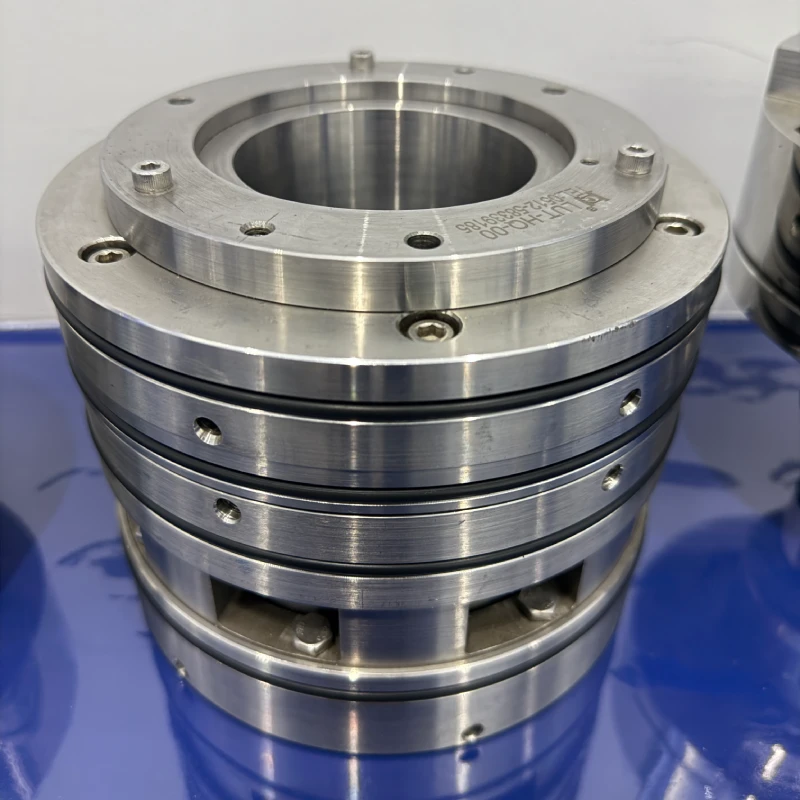
Industrial operations across various sectors rely heavily on effective sealing systems to maintain operational efficiency and prevent costly failures. When dealing with challenging environments involving high pressures, extreme temperatures, or corrosive media, standard sealing approaches often fall short of requirements. Advanced mechanical seal solutions have emerged as the preferred choice for engineers and maintenance professionals seeking reliable performance in demanding applications where conventional sealing methods cannot deliver adequate results.
The evolution of sealing technology has brought forth sophisticated mechanical seal solutions that address the most challenging industrial requirements. These systems incorporate advanced materials, precision engineering, and innovative design principles to deliver exceptional performance under extreme conditions. Modern manufacturing facilities, chemical processing plants, and power generation systems increasingly depend on these specialized sealing solutions to maintain operational integrity and minimize unplanned downtime.
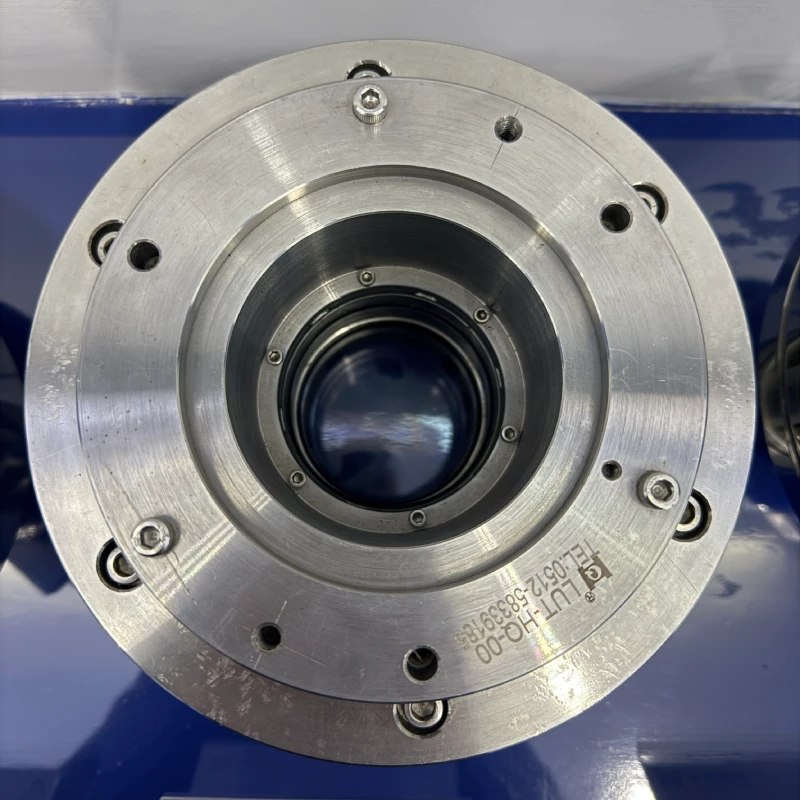
Understanding Advanced Sealing Technology
Core Components and Design Principles
Contemporary mechanical seal solutions incorporate multiple specialized components working in harmony to create effective barriers against fluid leakage. The primary sealing interface consists of precisely machined faces that maintain contact under controlled conditions, while secondary sealing elements provide additional protection against bypass leakage. Spring systems or alternative loading mechanisms ensure consistent contact pressure across varying operating conditions.
The design philosophy behind modern mechanical seal solutions emphasizes balanced operation, where hydraulic forces are carefully managed to minimize wear and extend service life. This approach involves strategic positioning of sealing elements and careful consideration of pressure distribution across sealing surfaces. Advanced computational fluid dynamics modeling helps engineers optimize these designs for specific applications.
Material selection plays a crucial role in the effectiveness of mechanical seal solutions. Primary sealing faces may utilize silicon carbide, tungsten carbide, or ceramic materials depending on the application requirements. Secondary elements typically employ elastomeric compounds specifically formulated to withstand the intended service conditions while maintaining flexibility and sealing capability.
Performance Characteristics and Capabilities
Modern mechanical seal solutions demonstrate remarkable versatility in handling diverse operating parameters. Pressure capabilities can extend from vacuum conditions to several thousand PSI, while temperature resistance ranges from cryogenic applications to high-temperature processes exceeding 500 degrees Celsius. Chemical compatibility encompasses everything from aggressive acids to caustic solutions and hydrocarbon media.
The operational reliability of advanced mechanical seal solutions significantly exceeds traditional packing systems. Mean time between failures often extends to multiple years under proper operating conditions, reducing maintenance requirements and associated downtime costs. This reliability stems from the elimination of shaft wear and the controlled nature of the sealing interface.
Application-Specific Solutions
Chemical Processing Industry Requirements
Chemical processing environments present unique challenges that require specialized mechanical seal solutions. Corrosive media, temperature cycling, and the presence of particulates demand carefully engineered sealing systems. Double mechanical seals with barrier fluid systems provide additional protection for critical applications, while specialized face materials resist chemical attack and maintain sealing effectiveness.
Process pumps handling aggressive chemicals benefit significantly from properly selected mechanical seal solutions. The elimination of fugitive emissions not only improves environmental compliance but also protects personnel from exposure to hazardous substances. Advanced monitoring systems integrated with these sealing solutions provide early warning of potential issues before catastrophic failures occur.
Crystallizing and polymerizing services require mechanical seal solutions with specific design features to prevent buildup of solid deposits on sealing faces. Flushing systems and heated seal chambers help maintain optimal operating conditions while specialized face materials resist the effects of crystal formation or polymer adhesion.
Power Generation Applications
Power generation facilities utilize mechanical seal solutions in various critical applications including boiler feed pumps, condensate systems, and cooling water circulation. The high reliability requirements of these systems demand sealing solutions capable of continuous operation under demanding conditions. Redundant sealing systems and condition monitoring capabilities ensure operational continuity.
Nuclear power applications require mechanical seal solutions meeting stringent safety and reliability standards. Specialized materials and design features ensure compatibility with radiation exposure while maintaining long-term sealing effectiveness. Quality assurance programs and extensive testing protocols verify the suitability of these systems for nuclear service.
Steam turbine applications benefit from mechanical seal solutions designed to handle high-temperature steam environments. Advanced labyrinth seal configurations combined with carbon ring sealing elements provide effective sealing while minimizing steam leakage and energy losses.
Installation and Maintenance Considerations
Proper Installation Procedures
Successful implementation of mechanical seal solutions requires adherence to specific installation procedures designed to ensure optimal performance and longevity. Shaft alignment verification, proper torque application, and contamination prevention during installation significantly impact subsequent performance. Training programs for installation personnel help ensure consistent results across multiple installations.
Pre-installation inspection procedures verify the condition of mating surfaces and identify potential issues that could affect sealing performance. Surface finish requirements, runout tolerances, and dimensional compliance must be verified before proceeding with seal installation. Proper storage and handling of sealing components prevents damage that could compromise performance.
Commissioning procedures for mechanical seal solutions include verification of auxiliary systems such as cooling, flushing, or barrier fluid supplies. Proper startup sequences minimize stress on sealing components while establishing optimal operating conditions. Documentation of installation parameters provides valuable reference information for future maintenance activities.
Maintenance Strategies and Best Practices
Preventive maintenance programs significantly extend the service life of mechanical seal solutions while reducing unplanned downtime. Regular inspection of auxiliary systems, monitoring of operating parameters, and trending of performance indicators help identify potential issues before failures occur. Condition monitoring technologies provide continuous assessment of seal health.
Spare parts management strategies ensure availability of critical components when maintenance is required. Proper storage conditions maintain the integrity of elastomeric components while organized inventory systems minimize replacement delays. Vendor-managed inventory programs can streamline parts availability for critical applications.
Training programs for maintenance personnel cover proper handling techniques, installation procedures, and troubleshooting methods specific to mechanical seal solutions. Regular refresher training ensures consistency in maintenance practices while updates on new technologies keep personnel current with advancing sealing solutions.
Selection Criteria and Engineering Considerations
Application Assessment Parameters
Selecting appropriate mechanical seal solutions requires comprehensive evaluation of operating conditions and performance requirements. Pressure and temperature parameters establish baseline material and design requirements while chemical compatibility determines suitable material combinations. Shaft speed considerations influence cooling requirements and wear patterns.
Equipment configuration factors such as shaft orientation, space limitations, and accessibility affect seal selection and installation approaches. Integration with existing auxiliary systems may influence design choices while standardization objectives can guide selection toward preferred configurations. Economic considerations balance initial costs against lifecycle performance expectations.
Environmental factors including ambient conditions, regulatory requirements, and safety considerations play important roles in selection decisions. Emission control requirements may mandate specific seal configurations while safety classifications determine appropriate materials and design features for mechanical seal solutions.
Performance Optimization Strategies
Optimizing the performance of mechanical seal solutions involves careful consideration of operating parameters and system design. Proper sizing of heat removal systems ensures adequate cooling of sealing interfaces while appropriate flushing arrangements prevent contamination buildup. Pressure control systems maintain optimal sealing conditions across varying process conditions.
Advanced monitoring systems provide real-time assessment of mechanical seal solutions performance, enabling proactive maintenance decisions. Temperature monitoring, vibration analysis, and leak detection systems help identify developing issues before significant problems occur. Data trending capabilities support predictive maintenance programs.
System integration considerations ensure compatibility between mechanical seal solutions and associated equipment. Control system interfaces enable automated responses to changing conditions while safety interlocks provide protection against harmful operating scenarios. Communication protocols facilitate integration with plant-wide monitoring systems.
Future Developments and Technology Trends
Material Science Advancements
Ongoing research in advanced materials continues to expand the capabilities of mechanical seal solutions. Nanocomposite materials offer enhanced wear resistance and chemical compatibility while maintaining the dimensional stability required for effective sealing. Surface treatment technologies improve tribological properties and extend service life under challenging conditions.
Smart materials with adaptive properties represent emerging opportunities for next-generation mechanical seal solutions. Shape memory alloys and responsive polymers could enable sealing systems that automatically adjust to changing conditions. These developments promise improved performance and reduced maintenance requirements for critical applications.
Additive manufacturing technologies enable production of complex geometries and customized designs previously impossible with conventional manufacturing methods. This capability opens new possibilities for optimized mechanical seal solutions tailored to specific application requirements. Rapid prototyping capabilities accelerate development cycles for new sealing technologies.
Digital Integration and Smart Technologies
Internet of Things integration transforms mechanical seal solutions into intelligent systems capable of autonomous monitoring and predictive maintenance. Embedded sensors provide continuous assessment of critical parameters while wireless communication eliminates the need for complex wiring installations. Cloud-based analytics enable advanced diagnostic capabilities.
Artificial intelligence algorithms applied to mechanical seal solutions performance data identify patterns and predict maintenance requirements with unprecedented accuracy. Machine learning capabilities improve over time as systems accumulate operational experience. These technologies enable transition from time-based to condition-based maintenance strategies.
Augmented reality technologies support installation and maintenance activities by providing real-time guidance and documentation access. Virtual training programs reduce the time required to develop expertise with complex mechanical seal solutions while ensuring consistent application of best practices across multiple locations.
FAQ
What factors determine the selection of appropriate mechanical seal solutions for specific applications
Selection of mechanical seal solutions depends on multiple factors including operating pressure and temperature, chemical compatibility requirements, shaft speed, and equipment configuration. Environmental conditions, regulatory compliance needs, and economic considerations also influence selection decisions. A comprehensive application assessment evaluating all relevant parameters ensures optimal seal selection for long-term reliability and performance.
How do maintenance practices affect the performance and longevity of mechanical seal solutions
Proper maintenance practices significantly impact the service life and reliability of mechanical seal solutions. Regular inspection of auxiliary systems, monitoring of operating parameters, and adherence to recommended maintenance schedules prevent premature failures. Condition monitoring technologies enable proactive maintenance decisions while proper spare parts management ensures timely repairs when needed.
What advanced features distinguish modern mechanical seal solutions from traditional sealing methods
Modern mechanical seal solutions incorporate advanced materials, precision manufacturing, and sophisticated design principles that deliver superior performance compared to traditional packing systems. Features such as balanced designs, specialized face materials, and integrated monitoring capabilities provide enhanced reliability, reduced emissions, and extended service life. These systems eliminate shaft wear while providing consistent sealing performance across varying operating conditions.
How do environmental regulations influence the implementation of mechanical seal solutions
Environmental regulations increasingly mandate the use of mechanical seal solutions to minimize fugitive emissions and protect air and water quality. Compliance requirements drive adoption of advanced sealing technologies in chemical processing, petroleum refining, and other industries handling hazardous materials. These regulations also influence design standards and performance criteria for mechanical seal solutions in regulated applications.
Table of Contents
- Understanding Advanced Sealing Technology
- Application-Specific Solutions
- Installation and Maintenance Considerations
- Selection Criteria and Engineering Considerations
- Future Developments and Technology Trends
-
FAQ
- What factors determine the selection of appropriate mechanical seal solutions for specific applications
- How do maintenance practices affect the performance and longevity of mechanical seal solutions
- What advanced features distinguish modern mechanical seal solutions from traditional sealing methods
- How do environmental regulations influence the implementation of mechanical seal solutions