 EN
EN


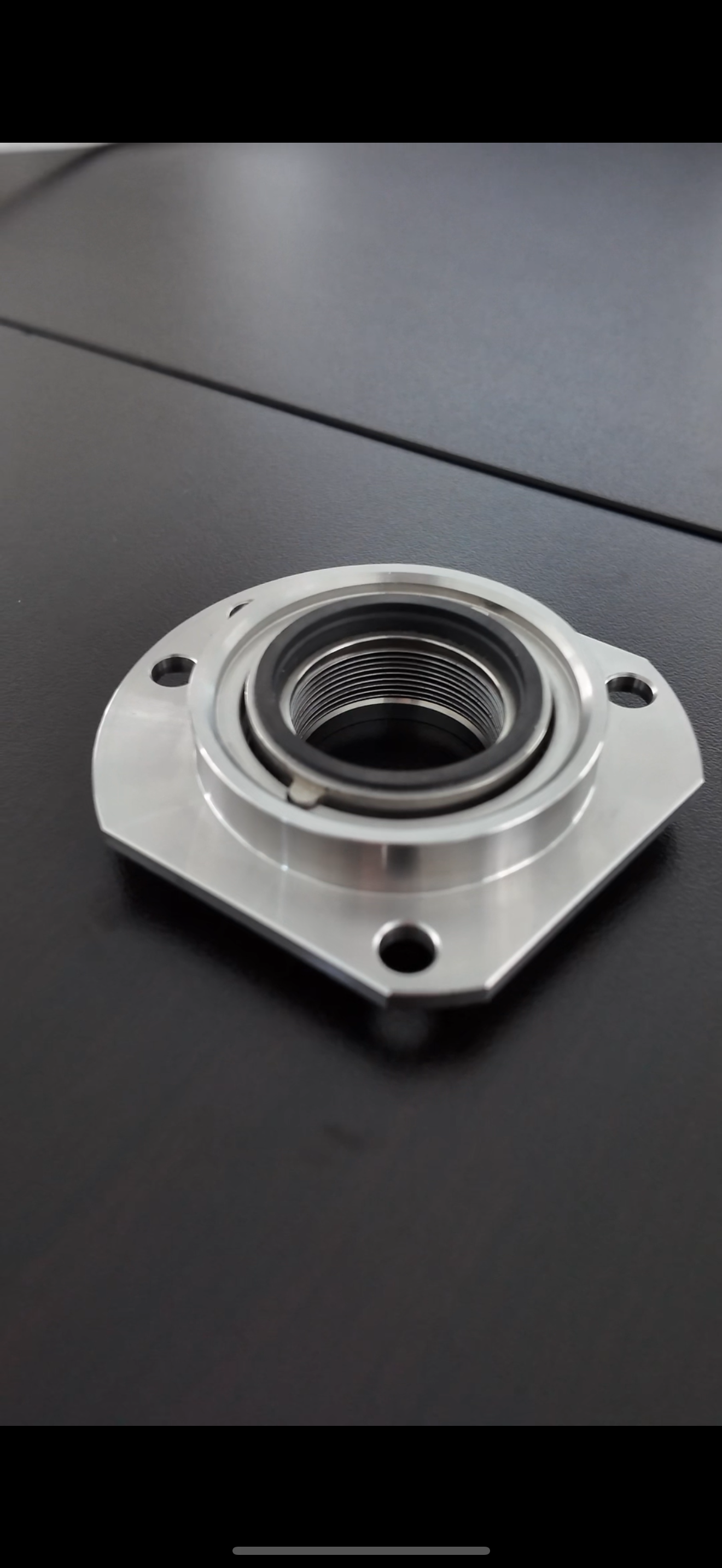
Industrial operations in high-pressure environments demand exceptional sealing solutions to prevent costly leakages and maintain operational efficiency. When selecting a mechanical seal for critical applications, engineers must consider numerous factors including pressure ratings, material compatibility, and operating conditions. Understanding the intricacies of mechanical seal technology ensures optimal performance, reduced downtime, and enhanced safety across diverse industrial sectors. The right mechanical seal choice can significantly impact equipment longevity and operational costs.
Understanding Mechanical Seal Fundamentals
Core Components and Operating Principles
A mechanical seal comprises several critical components that work together to create an effective barrier between rotating and stationary equipment parts. The primary sealing interface consists of two flat surfaces - typically one rotating with the shaft and one stationary - that maintain contact under spring pressure and hydraulic forces. These faces are precision-manufactured to achieve extremely flat surfaces, often within light bands of flatness, ensuring minimal leakage rates even under demanding conditions.
The mechanical seal assembly includes primary and secondary sealing elements, spring systems, and drive mechanisms that accommodate shaft movement while maintaining sealing integrity. Material selection for seal faces depends on the specific application requirements, with options ranging from carbon-graphite combinations to advanced ceramics and tungsten carbide. Understanding these fundamental components helps engineers make informed decisions when specifying sealing solutions for high-pressure applications.
Pressure Rating Classifications
High-pressure mechanical seal applications typically involve operating pressures exceeding 150 PSI, with some specialized designs capable of handling pressures up to 5000 PSI or higher. The mechanical seal design must account for both static and dynamic pressure conditions, as well as pressure fluctuations that can occur during normal operation. Pressure rating considerations include face loading calculations, spring selection, and housing design to ensure adequate support structure.
Different mechanical seal configurations offer varying pressure capabilities, with cartridge-style seals often providing enhanced pressure handling compared to component seals. The relationship between pressure, temperature, and shaft speed creates complex operating conditions that require careful analysis to ensure proper mechanical seal selection and reliable performance throughout the equipment's operational life.
Material Selection Criteria
Face Material Combinations
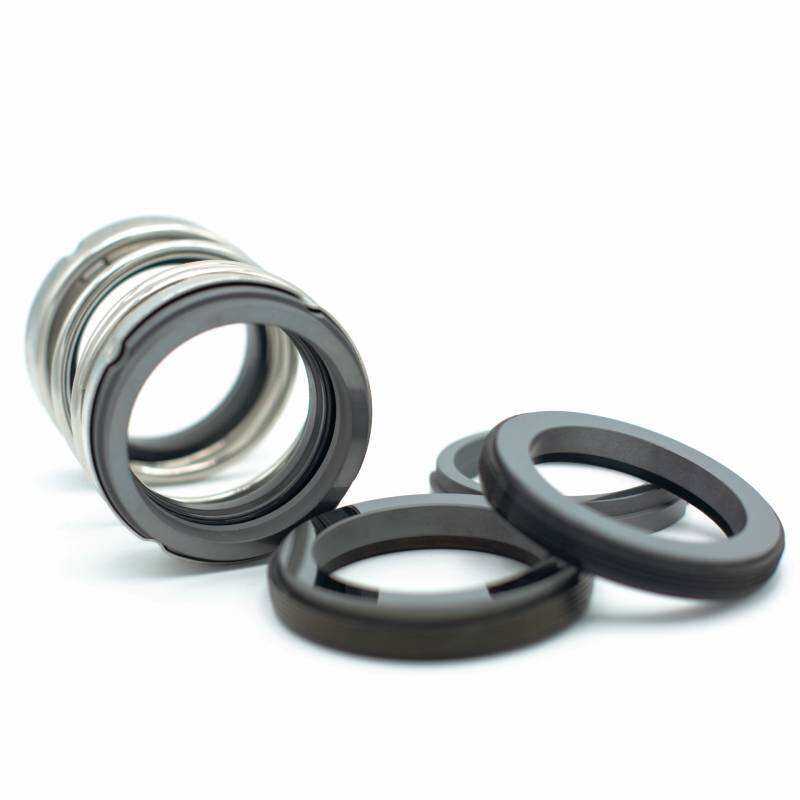
Selecting appropriate face materials for a mechanical seal directly impacts performance, durability, and maintenance requirements. Carbon-graphite faces paired with ceramic or tungsten carbide provide excellent performance across many applications, offering good thermal conductivity and wear resistance. Advanced materials like silicon carbide offer superior hardness and chemical resistance, making them ideal for abrasive or corrosive environments commonly found in high-pressure systems.
The mechanical seal face combination must consider factors such as thermal expansion coefficients, hardness compatibility, and lubrication requirements. Dissimilar materials help prevent galling and provide complementary wear characteristics, extending seal life and reducing maintenance frequency. Material compatibility with process fluids ensures chemical stability and prevents degradation that could compromise sealing performance.
Secondary Sealing Elements
O-rings and gaskets serve as secondary sealing elements in mechanical seal assemblies, preventing leakage paths around the primary sealing interface. Elastomer selection depends on temperature ranges, chemical compatibility, and pressure requirements specific to each application. Common materials include nitrile, Viton, EPDM, and specialized compounds designed for extreme conditions.
High-pressure applications may require backup rings or specialized groove designs to prevent extrusion damage to secondary sealing elements. The mechanical seal design must accommodate thermal expansion and contraction while maintaining adequate compression on secondary seals throughout the operating temperature range. Proper material selection for secondary elements ensures long-term reliability and prevents premature failure modes.
Installation and Maintenance Considerations
Proper Installation Techniques
Correct installation procedures are crucial for achieving optimal mechanical seal performance and longevity in high-pressure applications. Pre-installation inspection should verify shaft condition, housing bore tolerances, and proper alignment to prevent premature wear or failure. Cleanliness during installation prevents contamination that could damage precision-machined sealing surfaces.
Installation tools and techniques vary depending on the specific mechanical seal design, with cartridge seals generally offering simpler installation procedures compared to component seals. Torque specifications, compression settings, and alignment requirements must be strictly followed to ensure proper mechanical seal function. Documentation of installation parameters provides valuable reference information for future maintenance activities.
Monitoring and Troubleshooting
Effective monitoring systems help detect early signs of mechanical seal degradation, allowing for proactive maintenance scheduling and preventing catastrophic failures. Visual inspection, vibration analysis, and temperature monitoring provide valuable insights into seal condition and performance trends. Establishing baseline measurements during initial startup enables meaningful comparison during routine inspections.
Common troubleshooting indicators include increased leakage rates, unusual noise levels, and elevated operating temperatures. Understanding the relationship between symptoms and potential root causes enables maintenance personnel to implement appropriate corrective actions. A comprehensive mechanical seal maintenance program includes regular inspection schedules, spare parts inventory management, and training for maintenance personnel.
Application-Specific Design Features
Cartridge Versus Component Designs
Cartridge mechanical seal designs offer several advantages for high-pressure applications, including pre-assembled and pre-tested configurations that reduce installation time and minimize potential errors. The self-contained design ensures proper component alignment and compression settings, reducing the likelihood of installation-related problems. Cartridge seals also facilitate easier replacement procedures, minimizing equipment downtime during maintenance activities.
Component mechanical seal designs provide greater flexibility for custom applications and may offer cost advantages for certain installations. However, component seals require more careful attention during installation and may be more susceptible to installation errors that could compromise performance. The choice between cartridge and component designs depends on specific application requirements, maintenance capabilities, and economic considerations.
Cooling and Lubrication Systems
High-pressure applications often generate significant heat at the mechanical seal interface, requiring effective cooling and lubrication systems to maintain acceptable operating temperatures. External cooling systems may include circulation loops, heat exchangers, or quench systems depending on the specific requirements. Proper fluid selection for cooling and lubrication ensures compatibility with process conditions and seal materials.
The mechanical seal design must accommodate cooling fluid connections and provide adequate heat dissipation pathways. Monitoring systems should track cooling system performance to ensure adequate heat removal and prevent thermal damage to seal components. Regular maintenance of cooling systems ensures continued effectiveness and prevents system degradation that could impact mechanical seal performance.
Performance Optimization Strategies
Operating Parameter Control
Optimizing mechanical seal performance requires careful control of operating parameters including pressure, temperature, speed, and fluid properties. Establishing appropriate operating windows helps ensure reliable seal performance while maximizing equipment availability. Process control systems should include interlocks and alarms to prevent operation outside acceptable parameter ranges.
Understanding the relationship between operating conditions and mechanical seal wear rates enables predictive maintenance scheduling and helps optimize replacement intervals. Data collection and analysis provide insights into performance trends and help identify opportunities for operational improvements. Regular review of operating parameters ensures continued compliance with design specifications.
Lifecycle Cost Analysis
Comprehensive lifecycle cost analysis considers initial mechanical seal procurement costs, installation expenses, maintenance requirements, and replacement frequency. High-quality seals may have higher initial costs but often provide superior performance and longer service life, resulting in lower total cost of ownership. Economic analysis should include downtime costs, spare parts inventory, and maintenance labor requirements.
Performance tracking and cost documentation enable meaningful comparison between different mechanical seal options and help justify investments in premium sealing solutions. Regular economic reviews ensure continued optimization of sealing system costs while maintaining required performance levels. Strategic procurement approaches can help reduce overall mechanical seal costs while ensuring adequate spare parts availability.
FAQ
What pressure ratings are available for industrial mechanical seals
Industrial mechanical seals are available in various pressure ratings ranging from standard applications around 150 PSI to specialized high-pressure designs capable of handling 5000 PSI or higher. The specific pressure rating depends on the seal design, materials, and configuration. Cartridge-style mechanical seal assemblies often provide enhanced pressure capabilities compared to component seals due to their integrated support structure and optimized load distribution.
How do I select the right face materials for my mechanical seal application
Face material selection for a mechanical seal depends on several factors including operating pressure, temperature, shaft speed, and process fluid compatibility. Common combinations include carbon-graphite paired with ceramic or tungsten carbide for general applications, while silicon carbide faces offer superior performance in abrasive or corrosive environments. The materials should have complementary hardness levels and thermal expansion coefficients to ensure optimal performance and longevity.
What maintenance practices help extend mechanical seal life
Proper maintenance practices for mechanical seal systems include regular monitoring of operating parameters, visual inspections for leakage, and maintaining clean operating conditions. Cooling and lubrication systems require regular service to ensure adequate heat removal and lubrication. Following manufacturer recommendations for installation procedures, torque specifications, and replacement intervals helps maximize seal performance and prevent premature failures.
When should I choose a cartridge mechanical seal over a component design
Cartridge mechanical seal designs are typically preferred for high-pressure applications, critical services, or when installation simplicity is important. They offer pre-assembled and pre-tested configurations that reduce installation time and minimize potential errors. Component mechanical seal designs may be more suitable for custom applications or when cost considerations are primary factors, but they require more careful installation attention and skilled maintenance personnel.