 EN
EN


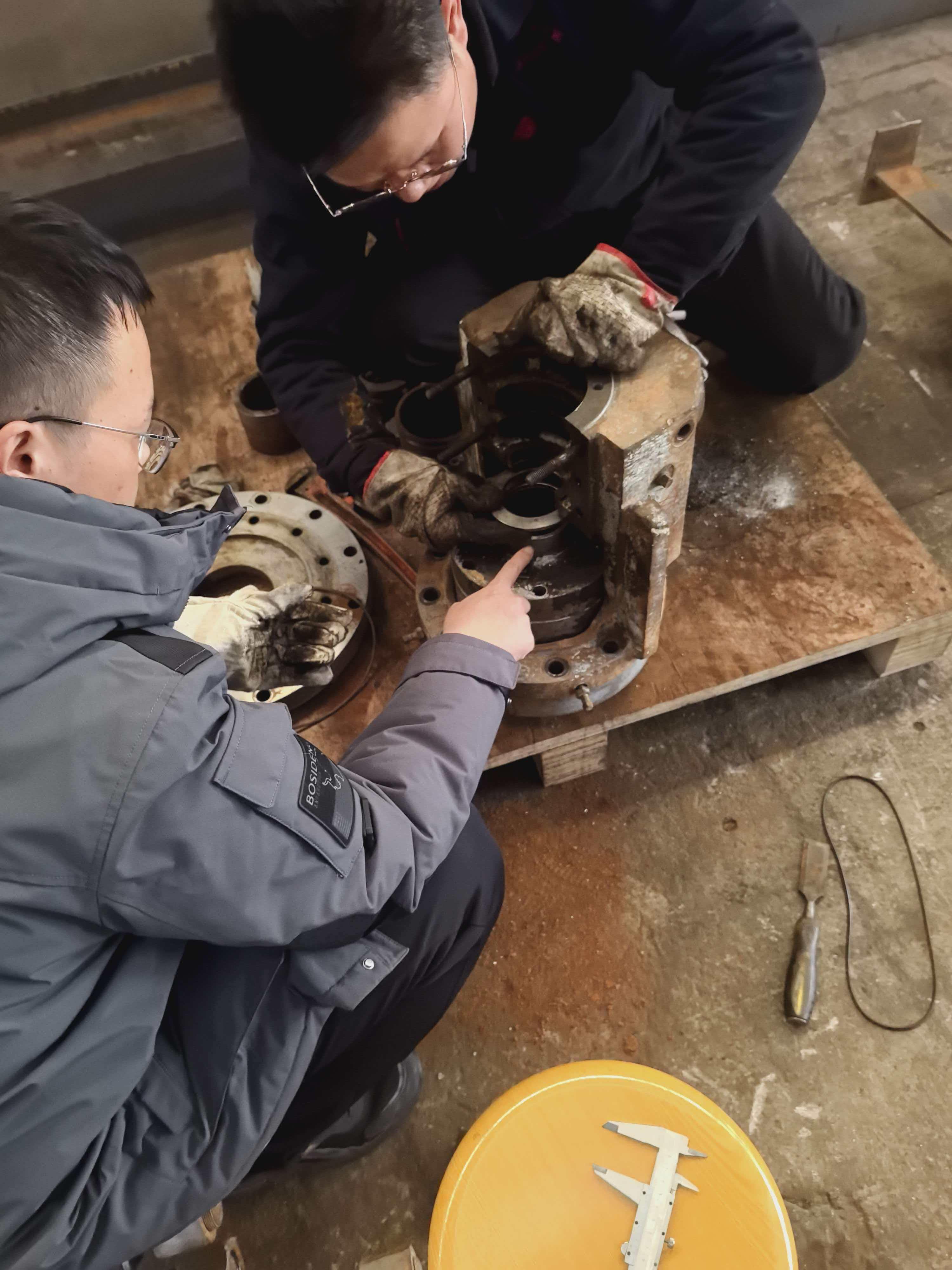
Industrial equipment reliability depends heavily on proper maintenance of critical components, with sealing systems playing a vital role in operational efficiency. When pumps, compressors, and other rotating machinery experience seal failures, immediate attention through professional mechanical seal repair services becomes essential to prevent costly downtime and equipment damage. Understanding the comprehensive approach to mechanical seal repair can help facility managers make informed decisions about maintenance strategies that optimize both performance and budget considerations.
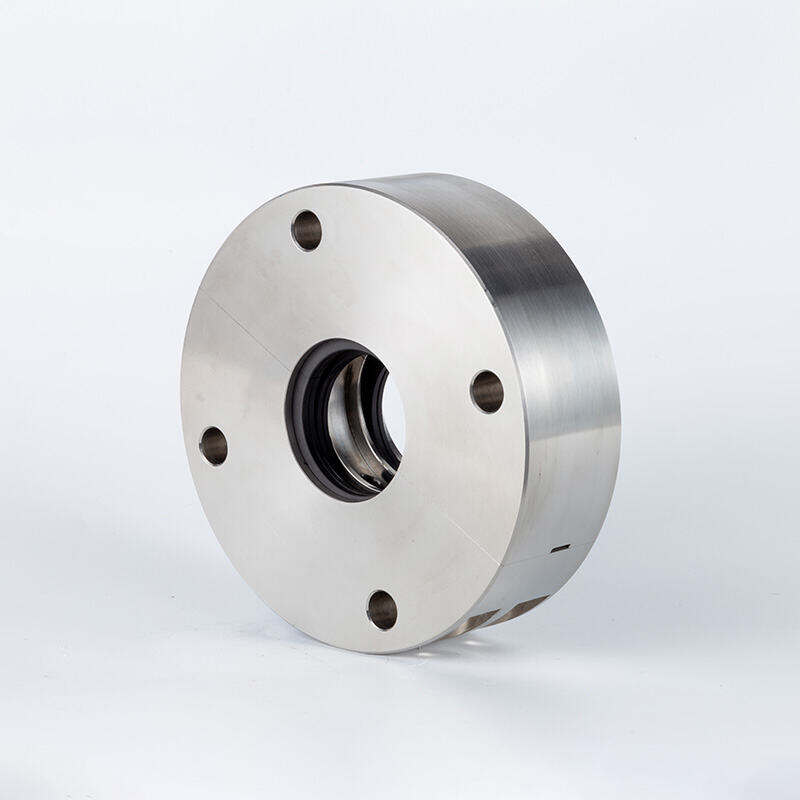
Understanding Mechanical Seal Failure Patterns
Common Causes of Seal Degradation
Mechanical seal failures typically result from a combination of operational stresses and environmental factors that gradually compromise seal integrity. Temperature fluctuations, chemical compatibility issues, and improper installation procedures contribute significantly to premature seal deterioration. Process fluid contamination introduces abrasive particles that accelerate wear patterns on critical sealing faces. Shaft misalignment creates uneven loading conditions that exceed design parameters and lead to rapid seal face degradation.
Vibration-induced damage represents another major factor requiring mechanical seal repair intervention. Excessive shaft runout causes intermittent contact between stationary and rotating elements, generating heat buildup and material transfer. Cavitation effects in pump applications create pressure differentials that stress secondary sealing elements beyond their elastic limits. Regular monitoring programs help identify these developing issues before they progress to complete seal failure.
Diagnostic Techniques for Seal Assessment
Professional mechanical seal repair services employ sophisticated diagnostic methods to evaluate seal condition and determine optimal repair strategies. Thermal imaging analysis reveals heat patterns that indicate friction abnormalities or cooling system inadequacies. Vibration signature analysis identifies bearing wear, shaft imbalance, or coupling problems that affect seal performance. Visual inspection protocols examine seal faces for scoring, chipping, or thermal damage that requires immediate attention.
Advanced diagnostic equipment measures seal face flatness, surface finish characteristics, and dimensional tolerances to establish repair feasibility. Leak detection systems quantify emission rates and help prioritize repair scheduling based on environmental and safety considerations. Metallurgical analysis of failed components provides insights into failure mechanisms and guides material selection for replacement parts. These comprehensive assessments ensure that mechanical seal repair efforts address root causes rather than merely treating symptoms.
Professional Repair Process Implementation
Disassembly and Component Evaluation
Systematic disassembly procedures preserve valuable forensic information while safely removing damaged seals from service equipment. Specialized tools prevent secondary damage during component removal and maintain precise alignment references for reassembly operations. Each seal element undergoes detailed inspection using calibrated measuring instruments to assess repair viability. Critical dimensions including spring compression, face parallelism, and surface integrity determine whether components can be restored to service specifications.
Documentation protocols record component serial numbers, operating hours, and observed damage patterns to support warranty claims and reliability improvement programs. Photography captures seal face conditions before cleaning operations commence, providing baseline references for repair decision-making. Material compatibility verification ensures that replacement components match original specifications and process fluid requirements. Proper handling procedures prevent contamination that could compromise mechanical seal repair quality.
Restoration and Refurbishment Methods
Modern mechanical seal repair facilities utilize precision machining centers capable of restoring seal faces to original surface finish specifications. Lapping operations remove minor scratches and surface imperfections while maintaining critical flatness tolerances measured in light bands. Diamond turning processes achieve mirror finishes on hard-face materials including silicon carbide and tungsten carbide. Surface coating applications restore wear resistance and chemical compatibility for specialized service conditions.
Spring compression testing verifies that elastic elements maintain proper loading characteristics throughout their service range. Secondary seal replacement ensures reliable static sealing performance using materials specifically selected for process compatibility. Balancing procedures eliminate residual stress concentrations that could lead to premature failure after mechanical seal repair completion. Quality control protocols include pressure testing and leak verification before components are approved for return to service.
Cost-Benefit Analysis of Repair Services
Economic Advantages Over Replacement
Professional mechanical seal repair services typically cost 40-60% less than purchasing new seal assemblies, delivering significant budget savings for maintenance operations. Repair turnaround times often exceed new seal delivery schedules, especially for specialized or custom configurations requiring extended manufacturing lead times. Inventory investment reductions result from repair capabilities that eliminate the need to stock expensive spare seal assemblies. Emergency repair services provide rapid response capabilities that minimize production losses during unplanned shutdowns.
Quality repair work extends seal service life beyond original equipment performance when root cause issues are properly addressed. Upgraded materials and improved designs incorporated during mechanical seal repair processes enhance reliability and reduce future maintenance requirements. Warranty coverage on repaired components provides additional cost protection and performance assurance. Environmental benefits include reduced waste generation and lower carbon footprint compared to manufacturing new replacement seals.
Long-Term Reliability Considerations
Comprehensive mechanical seal repair programs establish predictable maintenance schedules that support proactive reliability management strategies. Performance tracking databases accumulate historical data that guides future repair decisions and identifies opportunities for design improvements. Training programs ensure that maintenance personnel understand proper installation and operation procedures that maximize repaired seal longevity. Condition monitoring integration provides early warning capabilities that prevent repeat failures.
Supplier partnerships with experienced repair facilities create technical support networks that enhance troubleshooting capabilities and accelerate problem resolution. Standardization initiatives reduce seal variety and complexity, simplifying repair procedures and inventory management. Continuous improvement processes incorporate lessons learned from each mechanical seal repair project to refine techniques and enhance success rates. Strategic planning activities align repair capabilities with evolving equipment reliability requirements.
Industry Applications and Specifications
Chemical Processing Requirements
Chemical industry applications demand mechanical seal repair services that address corrosive environments and aggressive process fluids. Material selection criteria emphasize chemical compatibility, thermal stability, and resistance to stress corrosion cracking. Surface treatments including passivation and protective coatings extend seal life in challenging service conditions. Specialized cleaning procedures remove chemical residues without damaging critical sealing surfaces during repair operations.
Regulatory compliance requirements mandate specific material certifications and traceability documentation for repaired components. Process safety considerations include proper handling of hazardous materials and implementation of appropriate containment measures. Quality assurance protocols verify that mechanical seal repair work meets industry standards including API 682 and ISO 21049. Emergency response capabilities ensure rapid repair services for critical process equipment that cannot tolerate extended downtime periods.
Power Generation and Water Treatment
Power plant applications require mechanical seal repair expertise for high-temperature, high-pressure service conditions encountered in boiler feed pumps and cooling water systems. Thermal cycling resistance becomes critical for seals exposed to startup and shutdown temperature variations. Erosion-resistant materials address the challenges posed by entrained solids in cooling tower and ash handling applications. Precision balancing ensures smooth operation at elevated rotational speeds typical of turbine-driven equipment.
Water treatment facilities benefit from mechanical seal repair services that understand the unique challenges of pH variations, chlorine exposure, and biological fouling. Sanitary design requirements mandate specific surface finishes and material selections for potable water applications. Corrosion prevention measures protect seal components from galvanic action and pitting attack in chlorinated environments. Maintenance scheduling coordination minimizes service disruptions while ensuring continuous water treatment capacity.
Technology Advancements in Repair Capabilities
Advanced Materials and Coatings
Modern mechanical seal repair facilities incorporate advanced ceramic and composite materials that offer superior performance characteristics compared to traditional seal face materials. Nanocrystalline coatings provide enhanced wear resistance and reduced friction coefficients that extend service intervals. Diamond-like carbon treatments create ultra-smooth surfaces with exceptional chemical inertness for aggressive media applications. Plasma spray processes apply protective coatings with precise thickness control and excellent adhesion properties.
Material characterization techniques including X-ray diffraction and electron microscopy verify coating integrity and composition after mechanical seal repair operations. Tribological testing evaluates friction and wear characteristics under simulated service conditions to optimize material selections. Fatigue resistance improvements result from stress relief treatments and surface enhancement processes. Innovation in polymer chemistry creates secondary seal materials with improved temperature ratings and chemical compatibility ranges.
Precision Manufacturing Integration
Computer-controlled machining centers enable mechanical seal repair operations to achieve tighter tolerances and improved surface quality compared to original manufacturing processes. Coordinate measuring machines provide three-dimensional inspection capabilities that verify geometric accuracy and identify dimensional deviations. Laser measurement systems monitor surface roughness parameters in real-time during finishing operations. Automated handling systems prevent human error and contamination during critical manufacturing steps.
Digital documentation systems create comprehensive repair records that support quality management and continuous improvement initiatives. Barcode tracking monitors component flow through repair processes and maintains complete traceability. Statistical process control identifies trends and variations that affect mechanical seal repair consistency and quality. Integration with customer maintenance management systems provides seamless information exchange and scheduling coordination.
FAQ
How long does typical mechanical seal repair take to complete
Standard mechanical seal repair turnaround times range from 3-10 business days depending on the extent of damage and required restoration work. Simple repairs involving seal face refinishing and secondary seal replacement typically complete within 3-5 days. Complex repairs requiring extensive machining, coating applications, or custom manufacturing may extend to 7-10 days. Emergency repair services can often complete urgent projects within 24-48 hours using expedited processing procedures and priority scheduling.
What determines whether a seal can be repaired versus requiring replacement
Repair feasibility depends on the extent of damage to critical seal components and the remaining material thickness after restoration. Seal faces with minor scratches, light scoring, or surface contamination typically qualify for mechanical seal repair through lapping and refinishing operations. Severe thermal damage, deep grooves, or cracks that extend beyond salvageable material limits require component replacement. Economic considerations also influence repair decisions when component costs approach 70-80% of new seal pricing.
Are repaired seals as reliable as new seals for critical applications
Properly executed mechanical seal repair work can achieve reliability levels equivalent to or exceeding new seal performance when root cause issues are addressed during the repair process. Quality repair facilities maintain strict process controls and testing procedures that ensure restored components meet original specifications. Warranty coverage typically matches new seal warranties, demonstrating manufacturer confidence in repair quality. Many facilities report improved performance from repaired seals due to upgraded materials and enhanced surface treatments applied during restoration.
What maintenance practices help maximize seal life after repair
Post-repair maintenance success depends on proper installation procedures, appropriate break-in periods, and ongoing condition monitoring. Installation must follow manufacturer specifications for torque values, alignment tolerances, and flush system connections. Gradual startup procedures allow seal faces to mate properly and establish optimal running conditions. Regular monitoring of leakage rates, temperatures, and vibration levels provides early indication of developing problems that could affect mechanical seal repair longevity.